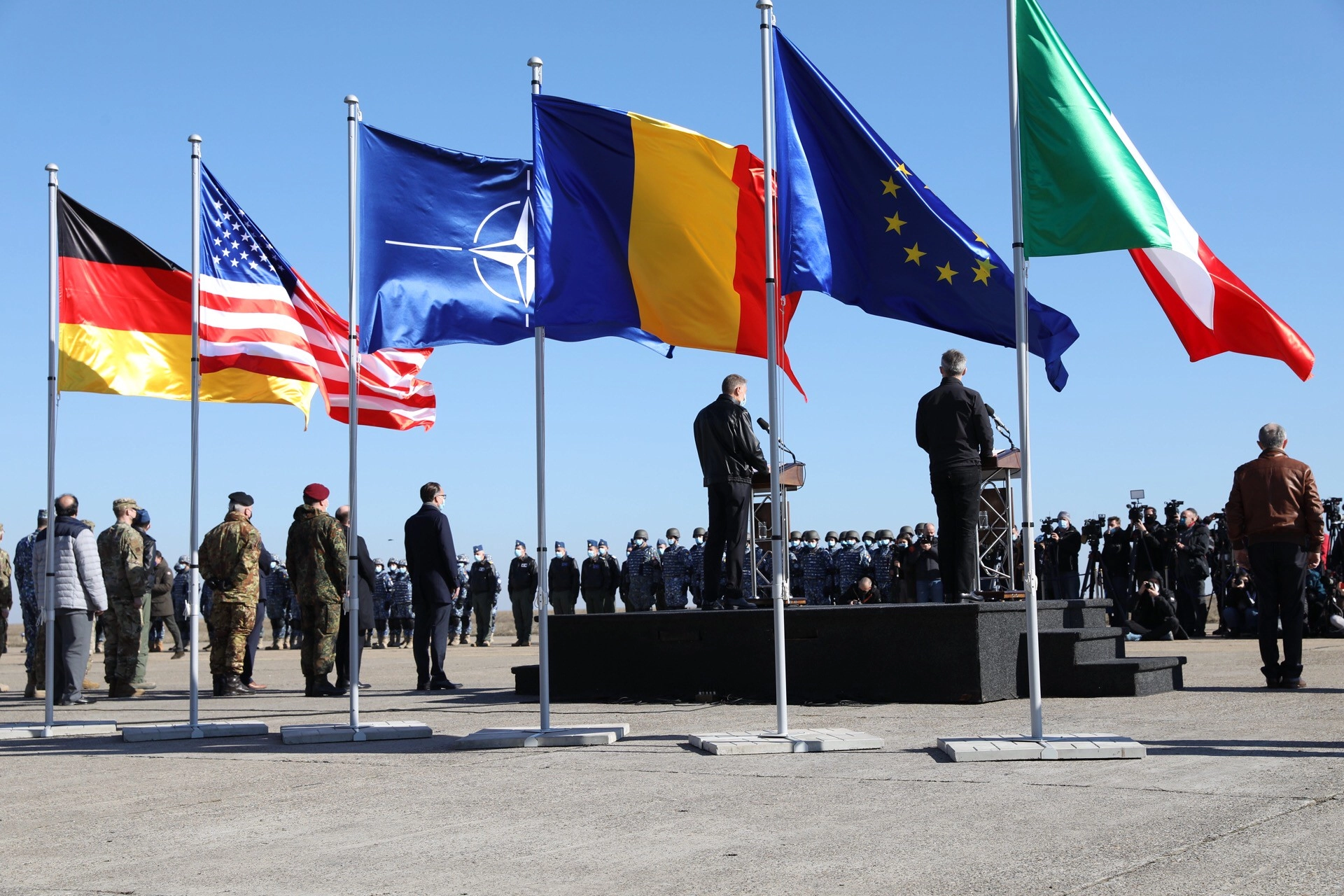
WASHINGTON DC – The logistical key to any future peacekeeping mission in Ukraine lies not on the front lines, but hundreds of miles away in Romania, according to a former top NATO commander.
Retired US Air Force Gen. Philip Breedlove, the former Supreme Allied Commander, NATO, told Kyiv Post in an interview that Romania’s strategic air bases would be “absolutely critical” for any large-scale international force aimed at stabilizing a post-conflict Ukraine.
JOIN US ON TELEGRAM
Follow our coverage of the war on the @Kyivpost_official.
Breedlove, who currently serves on the board of US-based think-tank Saratoga Foundation, recently co-authored the article, “Romania Holds the Key to Ukraine Peacekeeping,” along with the Foundation’s President Glen Howard. The central pillar of the authors’ argument is the Mihail Kogălniceanu (MK) Air Base in Romania.
Military base seen as a logistical cornerstone for peacekeeping
Breedlove refers to the Mihail Kogălniceanu as the “Ramstein of the East,” a nod to the massive US air base in Germany that has long been a central hub for NATO combat operations.
“It’s not new that MK is important to Western air operations,” Breedlove told Kyiv Post, noting the base’s historical role in supporting missions in Afghanistan.
“MK base, just based on its position in the world, is incredibly important to anything we do in that part of the world, and it is uniquely positioned to be important to any operations in Ukraine,” he said.
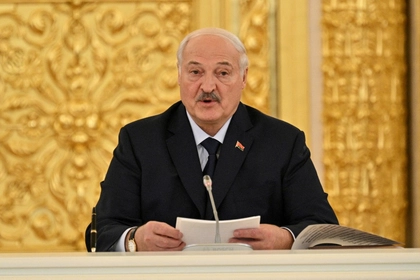
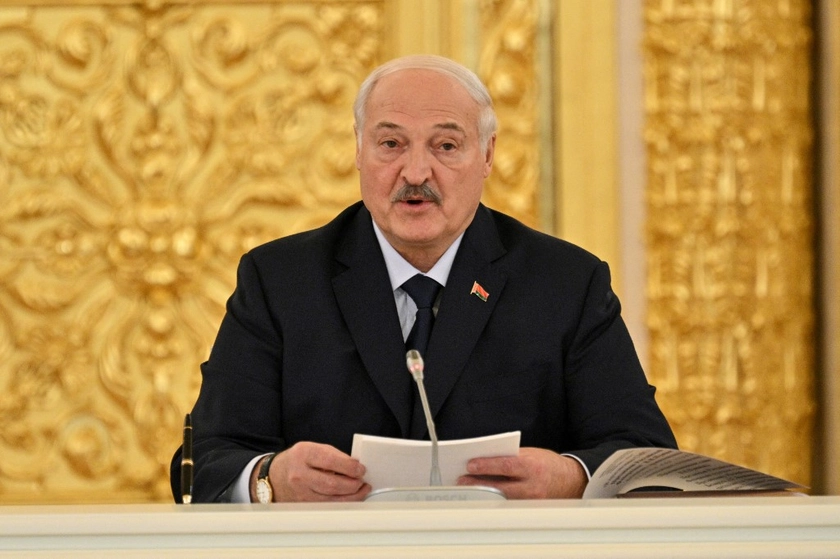
Lukashenko: ‘No Military Action Should Be Expected From Belarus’
Fear on the Eastern Flank
The former four-star general’s comments came as discussions continue among Western nations, reportedly led by Britain and France, to form a multinational force to assist in rebuilding Ukraine’s military and providing logistics after a potential peace deal.
While Romania has been a pivotal ally, its government has ruled out sending its own troops into Ukraine. This, Breedlove says, is rooted in deeply-held geopolitical fears.
“Romania, like Poland and other nations, are so cognizant and concerned about Russian invasion that they’re slow to send forces outside of their country because they believe they are fearful that they’re going to have to defend their country,” he explained.
He added that the level of participation from these eastern flank nations would ultimately depend on the level of support they perceive from the rest of NATO.
“What nations on that Eastern flank of this war... their participation in whatever happens in Ukraine is going to depend on when they look backwards at the rest of NATO, how well they are supported by NATO,” he said.
Putin’s actions should not limit Western response
Breedlove did not mince words when asked about the fears of risk of escalating tensions with Russia.
“Who is escalating this conflict right now? Mr. Putin is escalating this conflict,” Breedlove said.
“He wants us to fear escalation. It’s called reflexive control. I don’t think we should limit our actions based on escalation because Mr. Putin is escalating. The bottom line is, we should take the actions that we believe are important to peace,” he added.
Breedlove’s analysis highlights a central dilemma: For a peacekeeping mission in Ukraine to succeed, it must rely heavily on a country, Romania, which is simultaneously cautious about direct military involvement due to the very same conflict.
The strategic importance of Romania’s infrastructure, therefore, is not just logistical, but also a measure of the trust and commitment within the NATO alliance itself.
You can also highlight the text and press Ctrl + Enter