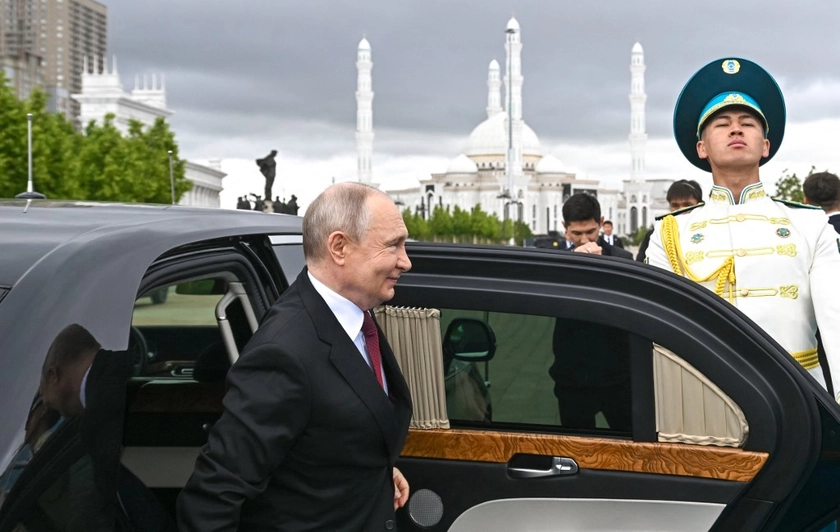
WASHINGTON DC – A senior member of the US House Armed Services Committee on Sunday sharply reacted to reports of Russian troops briefly appearing near the Estonian border, warning that the Kremlin leader, Vladimir Putin, is “a cornered rat.”
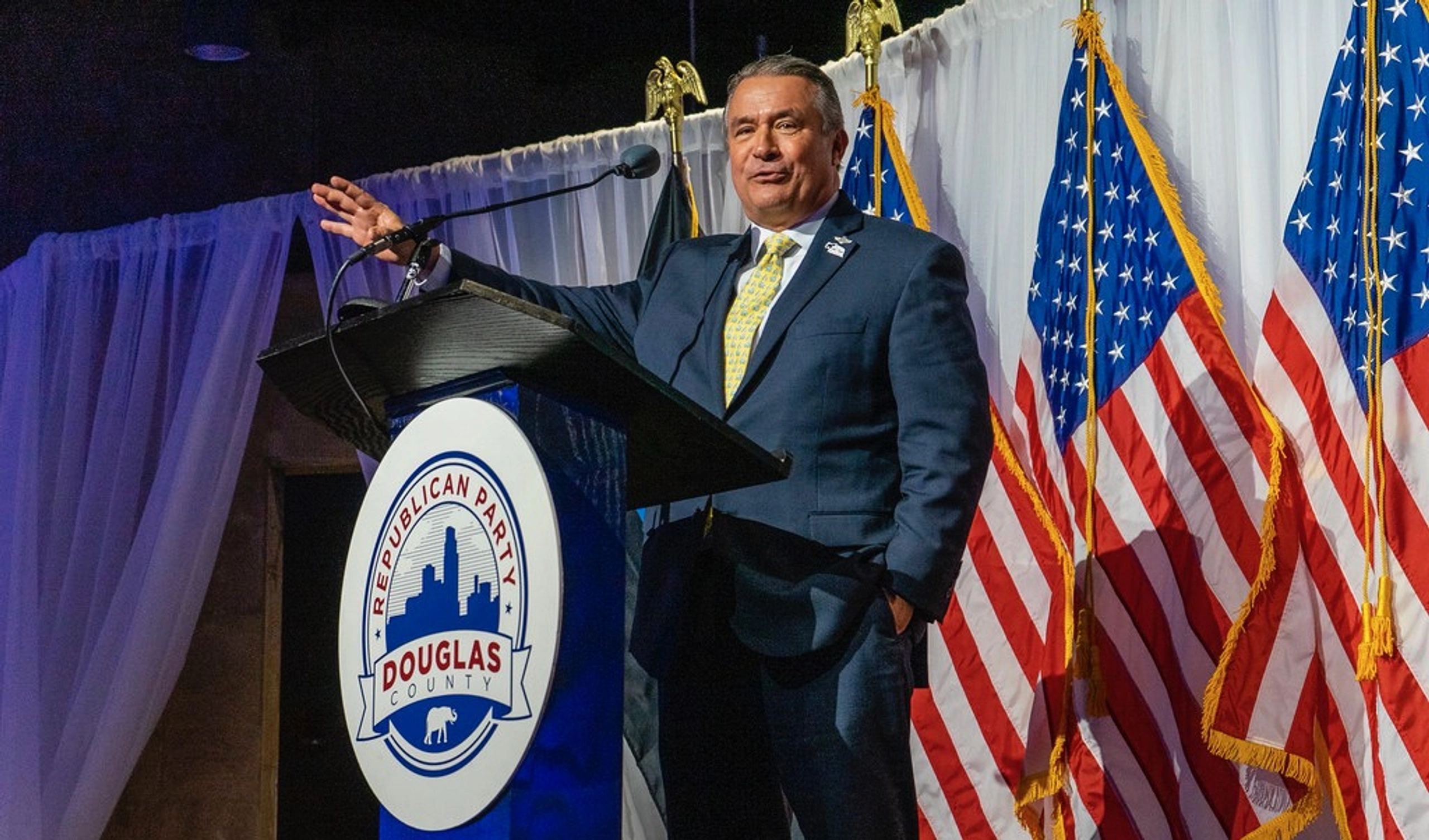
Rep. Don Bacon (R-NE), a leading voice in the House Baltic Caucus, urged vigilance and called for NATO support after Estonian authorities briefly closed a section of road due to the unexpected presence of Russian personnel.
JOIN US ON TELEGRAM
Follow our coverage of the war on the @Kyivpost_official.
“Estonia has every reason to be vigilant and take precautions, and NATO should be acting in support,” Congressman Bacon told Kyiv Post on Sunday, referencing the incident involving the small, wedge-shaped chunk of Russian territory known as the Saatse Boot.
“Putin is a cornered rat and desperate,” he warned.
“Little green men” raise alarm
The alarm was raised on Friday after Estonian police and border guards noticed a “larger-than-usual unit” of Russian personnel near the Saatse Boot road, which briefly cuts into Russian territory.
Images and clips circulating online showed a group of armed Russian soldiers, many with facial coverings.
The Institute for the Study of War (ISW) reported that Estonian authorities closed the road on Oct. 10 after observing a small group of “little green men” – a euphemism the Kremlin has used for unmarked troops, or Russian military personnel without insignia.
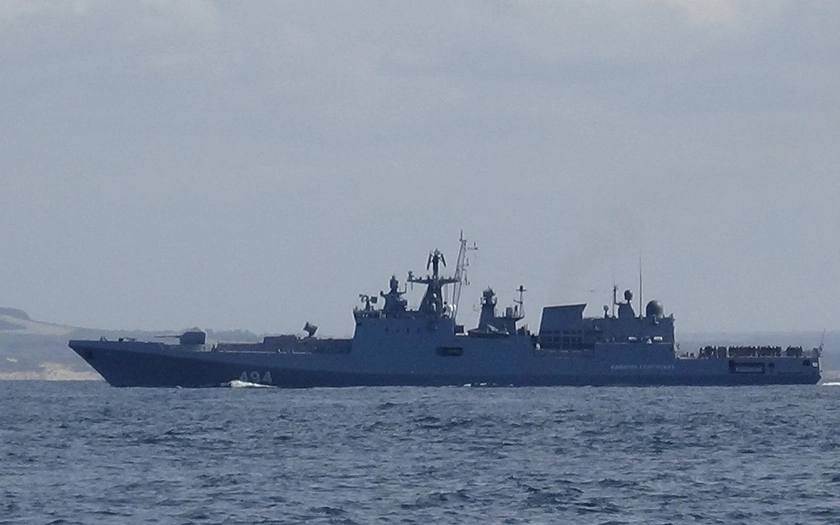
Russian Warship Fires Warning Shots at British Yacht in English Channel
The ISW assessed the event as the first instance of “little green men” operating near a NATO state in the context of Russia’s recently intensified “Phase 0” campaign – a condition-setting phase for a possible future NATO-Russia conflict.
Estonia plays down threat
Despite the initial closure and strong condemnation, Estonian officials appeared to downplay the severity of the incident on Sunday.
Estonian Interior Minister Igor Taro told the Postimees daily that the Russian troops appeared to have left the area by Saturday.
Foreign Minister Margus Tsahkna said in a social media post that Russia was “acting somewhat more assertively and visible than before, but the situation remains under control.”
Tsahkna confirmed that officials had spotted “seven armed Russian servicemen” on the Russian side of the road on Friday, leading to a temporary traffic stop to avert any “potential incidents.”
“In the longer term, we plan to stop using this road altogether. An alternative route that bypasses Russian territory is already available, and a new one is under construction. The current arrangement is a historical anomaly,” he explained.
Escalating border tensions
The incident comes amid a period of heightened tension between Russia and NATO’s eastern flank.
Last month, Estonia – a country geographically far closer to Russia and historically more concerned about the Kremlin’s threat than other NATO members – intercepted three Russian fighter-bombers, capable of carrying nuclear missiles, that violated its airspace. Moscow denied the breach.
The border event also follows closely on the heels of an estimated 20 Russian drones crossing into fellow NATO member Poland, an incident that prompted both Warsaw and Tallinn to trigger NATO’s Article 4, a consultative step when a member’s security is threatened.
You can also highlight the text and press Ctrl + Enter

Putin’s Worst Nightmare
Zelensky Reveals Intercepted Intel From Putin’s Desk