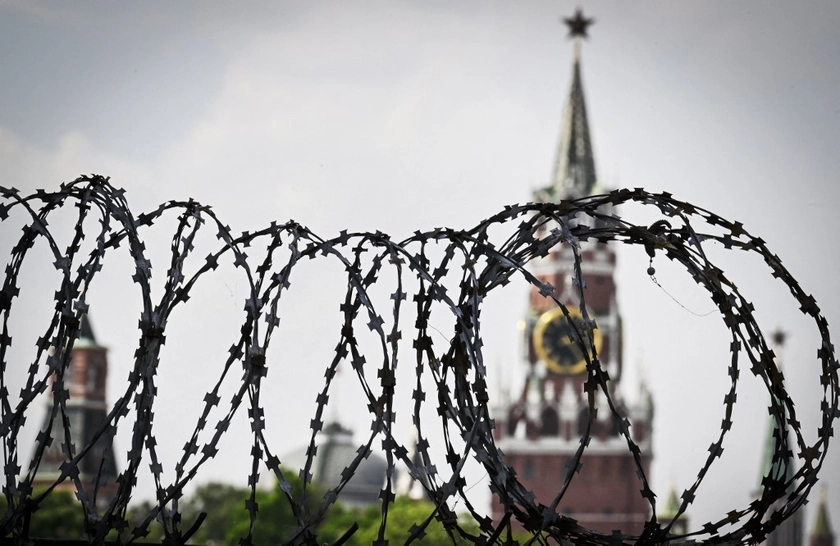
WASHINGTON DC – The Trump administration’s decision to slap sweeping sanctions on Russia’s two oil behemoths, Rosneft and Lukoil, has been hailed as a major policy earthquake, marking the first US sanctions against Moscow since President Donald Trump’s return to office in January.
The move is a visible sign that the administration has finally shifted from the carrot to the stick in its approach to Russian leader Vladimir Putin and ending the war in Ukraine.
JOIN US ON TELEGRAM
Follow our coverage of the war on the @Kyivpost_official.
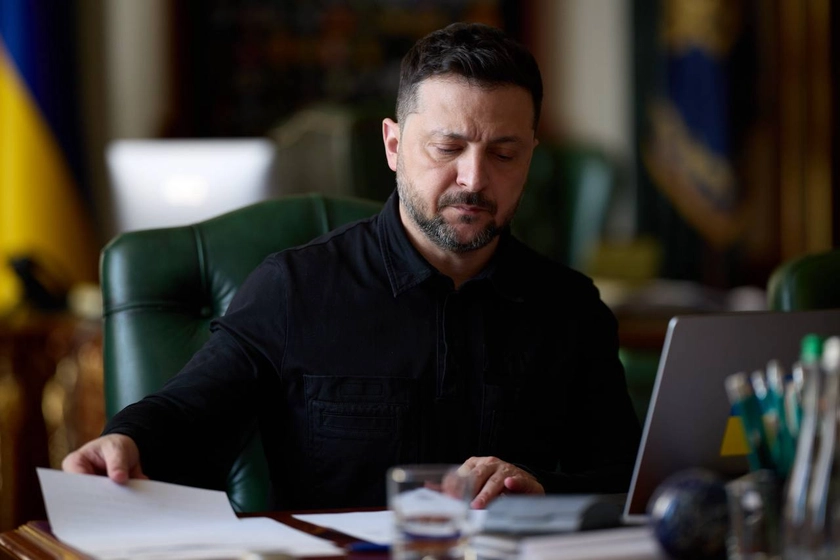
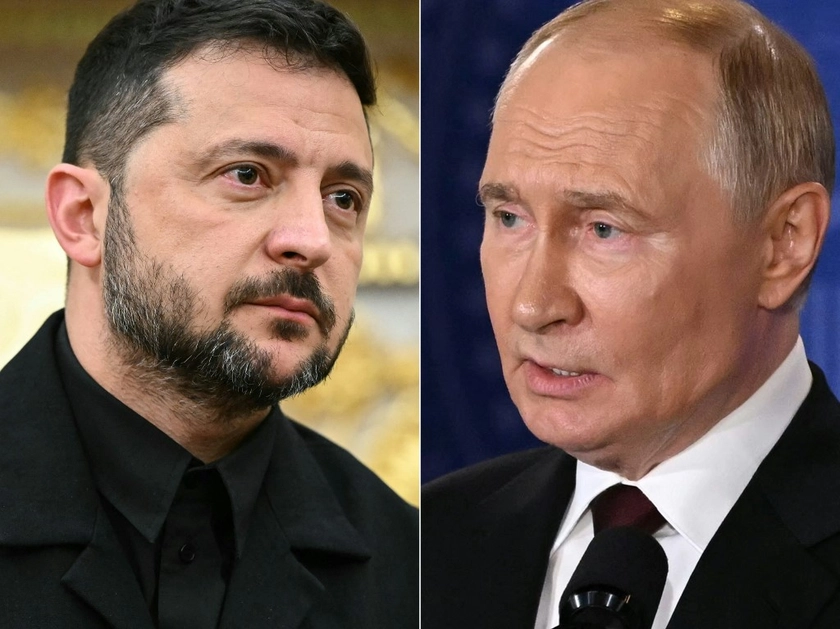
The “massive sanctions,” announced Wednesday, target the core of Russia’s economy – the oil revenues that have helped sustain its war effort – following months of fervent appeals from President Volodymyr Zelensky and intense bipartisan pressure on Capitol Hill for tougher measures.
Prior to this week, US sanctions on Russia had lapsed since Trump took office, allowing evasions of the hundreds of Biden-era sanctions to go unaddressed – a stark contrast to former President Joe Biden, who made a habit of issuing hundreds of new measures every few months.
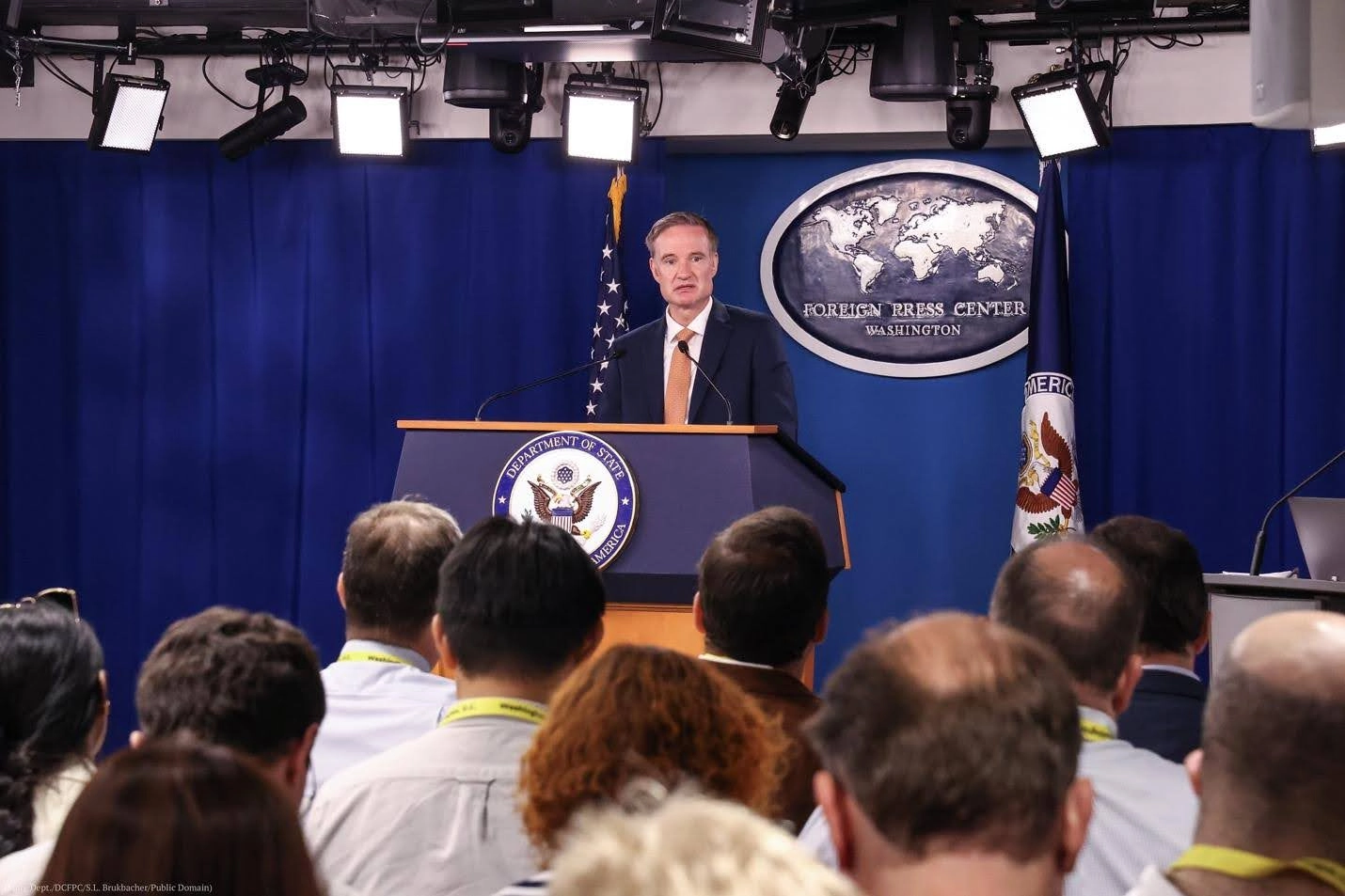
To understand the full gravity of this policy reversal, Kyiv Post turned to a top former Biden aide, Ambassador Michael Carpenter, who served as Senior Director for Europe at the National Security Council under the Biden White House until this January, for his analysis.
Oil price calculus: Why now?
For two years, full-blocking sanctions on Russia’s main oil giants were a non-starter in Washington. The reason was simple: fear of a global oil price surge that would perversely refill Putin’s war chest.
Russia Disguises Fuel Trucks as Milk Tankers to Reach Crimea
Carpenter confirmed this long-standing dilemma when questioned by Kyiv Post’s Washington correspondent on the delayed action: “The Biden administration avoided actions that would drive up the price of oil and thus perversely increase Russian oil revenues,” he explained, adding, “The current slack in global oil markets makes that concern less important.”
Carpenter’s analysis pinpoints the key shift: global market conditions, not a sudden political awakening, made the sanctions palatable.
The current “slack” in oil markets minimized the risk of a domestic political backlash and kept Russian profits from escalating, creating a necessary window for this decisive action that strikes directly at the Kremlin’s oil revenues – the financial engine of its war effort.
Tactic or policy turn? Russia’s ‘maximalist aims’
The timing – shortly after Trump called off a high-stakes meeting with Putin – raised immediate speculation: was this a genuine, long-term policy turn, or a calculated negotiating tactic?
Carpenter, though careful not to speak for the current administration’s internal process, suggested that Russia itself may have forced the issue.
He believes the move was likely driven by the need to create leverage for a future settlement, stating: “I can’t speak to the Trump administration’s policy process or timing, but the fact that Russia has not backed away from its maximalist aims likely helped some officials to make the case for more pressure as a means of leveraging a future negotiation.”
This suggests that Moscow’s unrelenting commitment to its war goals may have overruled any internal desire within the Trump administration to stick with a purely diplomatic path, thereby pushing key officials toward an escalation of pressure.
Plenty of room: Sanctions campaign “just starting”
Speaking to Kyiv Post Wednesday night, two senior congressional Republican aides suggested that the latest sanctions are only the starting point.
While Ukraine’s allies on the Capitol Hill are reportedly rejoicing, they are also trying to seize the moment to push for the administration to take further steps. Is this the “maximum pressure” campaign, or does the US still have more arrows in its quiver?
“Lastly, this is hopefully just a first step,” Carpenter said.
He outlined a clear roadmap for what the West must pursue next to cut off the Kremlin’s funding by targeting existing loopholes and enforcement gaps.
A critical next step involves increasing sanctions pressure by targeting countries that buy Russian crude oil and then sell refined products on the global market, thereby acting as intermediaries for Moscow.
“There is plenty of room for increasing sanctions pressure by targeting countries that buy Russian crude and sell refined product,” he emphasized.
Furthermore, Carpenter argues that pressure could be significantly increased by targeting more vessels that comprise Russia’s so-called “shadow fleet” and simultaneously lowering the price cap on Russian oil exports.
Finally, he asserted that a more vigorous and effective enforcement of existing sanctions would make a powerful contribution toward applying essential pressure on Russia.
Long-term impact: Rapprochement less likely
The final, and perhaps most significant, question is how this decisive action fits into the broader US policy on Ukraine and the future of the US-Russia relationship.
Carpenter concluded with a clear prognosis on the diplomatic fallout, suggesting that the era of political flexibility is over.
Hitting the Russian energy giants marks a clear, hard-line strategic shift that he believes carries long-term consequences: “My view is this likely changes the tenor of the US-Russia relationship under this administration and makes any future rapprochement less likely,” he said.
In one dramatic move, the Trump administration has signaled a pivot toward economic confrontation.
While Trump has demanded that Europe, India, and China all stop buying oil and gas from Russia, this initial action is seen by the former Biden aide as one that makes a fundamental diplomatic thaw – a “rapprochement” – a far more remote prospect.
You can also highlight the text and press Ctrl + Enter

EU Moves to Ban Entry for Russian Troops
Only 11% of Europeans Now See US as Ally, Poll Finds