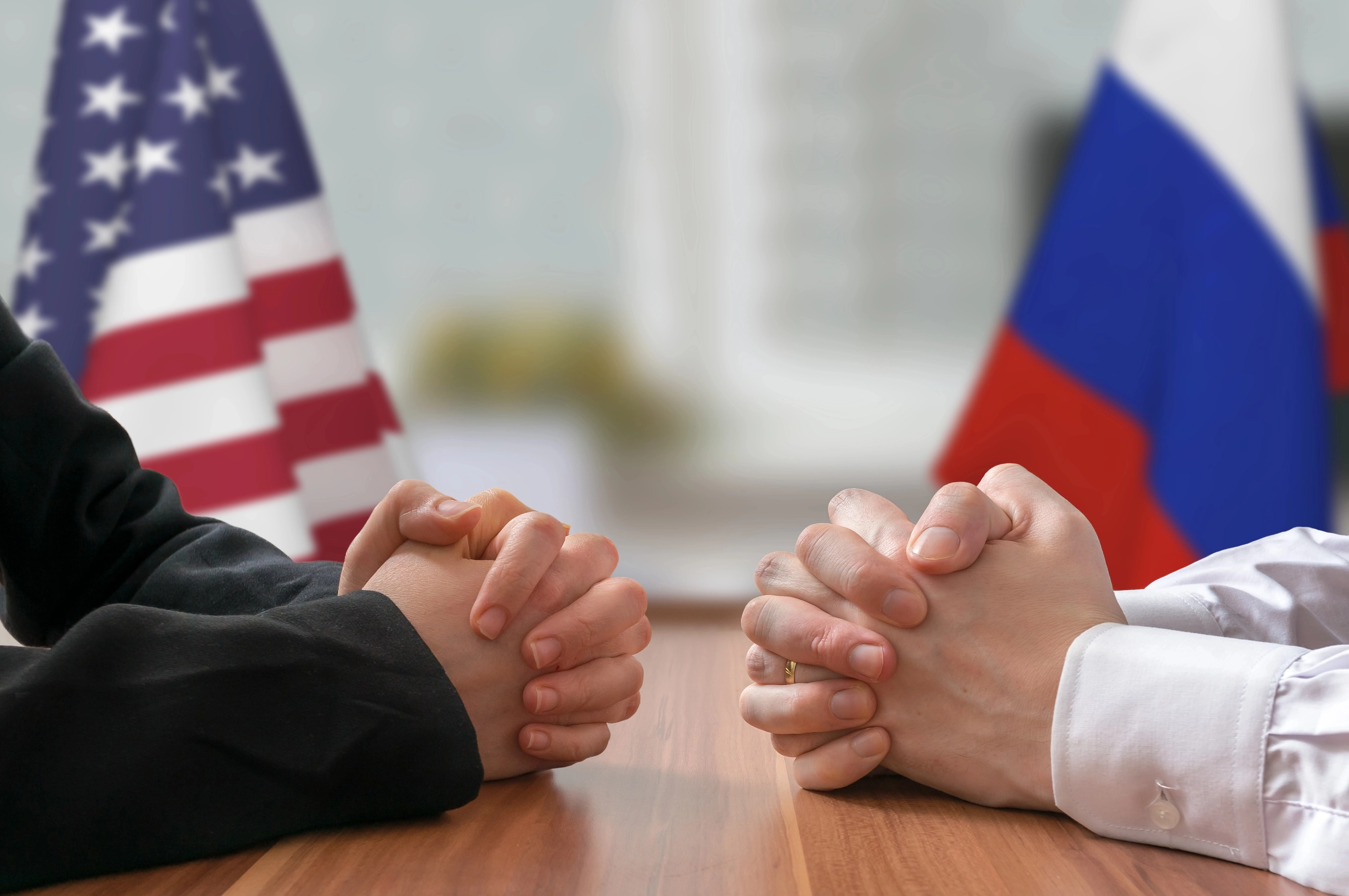
The United States has frozen talks with Russia on easing tensions and restoring full diplomatic relations, officials from the US Embassy in Moscow told Russian media, marking another setback in bilateral communication amid Russia’s ongoing war against Ukraine.
According to the report, the second and so far final round of consultations between Washington and Moscow took place in Istanbul on April 10, more than six months ago.
JOIN US ON TELEGRAM
Follow our coverage of the war on the @Kyivpost_official.
Since then, no new meetings have been scheduled to discuss the so-called “irritants” in the relationship – a term used by both sides to describe disputes over diplomatic missions, property seizures, and suspended flight connections.
Plans for a third meeting were repeatedly postponed. Russian Ambassador to Washington Aleksandr Darchiev had said in June that another round would take place “in the near future,” but Moscow later confirmed the consultations were canceled at the initiative of the US side.
Negotiations were tentatively expected in late October or early November, but remained unconfirmed.
Russian Foreign Minister Sergey Lavrov stated that “dialogue with the American side continues, but not as fast as we would like,” adding that no date or location has been agreed for a new session.
The consultations – aimed at restoring embassy operations, returning Russian diplomatic properties in the US, and reopening air connections – were originally conducted in parallel with early Moscow-Kyiv peace contacts, which ultimately collapsed.
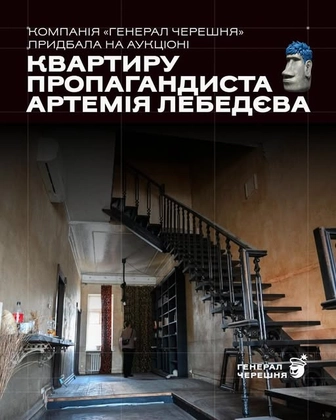
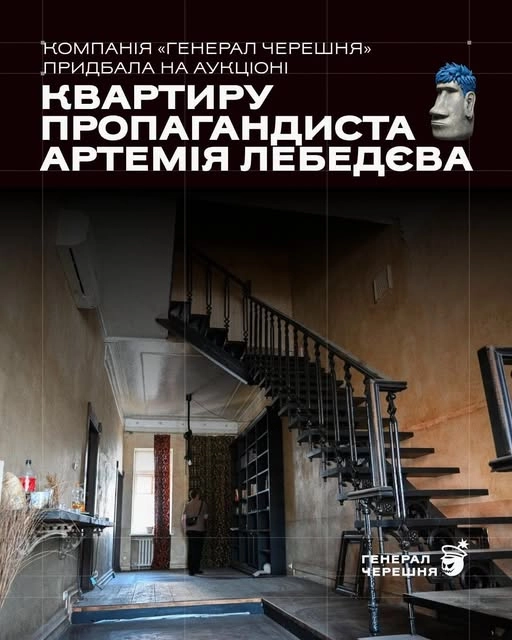
Ukrainian Drone Maker Buys Seized Apartment of Russian Propagandist
“Ninety-nine percent of the Russian-American dialogue now revolves around Ukraine,” said Pavel Sharikov, a senior research fellow at the Russian Academy of Sciences’ Institute of Europe.
“There’s not even a US ambassador in Moscow at the moment, so all communication happens directly with the White House.”
In late October, President Donald Trump sharply shifted his stance toward Russia, canceling a planned meeting with Russian leader Vladimir Putin in Budapest and imposing new sanctions on Rosneft and Lukoil, two of Russia’s largest oil companies.
You can also highlight the text and press Ctrl + Enter

Russia Hit by 660-Drone Overnight Barrage Targeting Moscow, Crimea and Key Military Sites