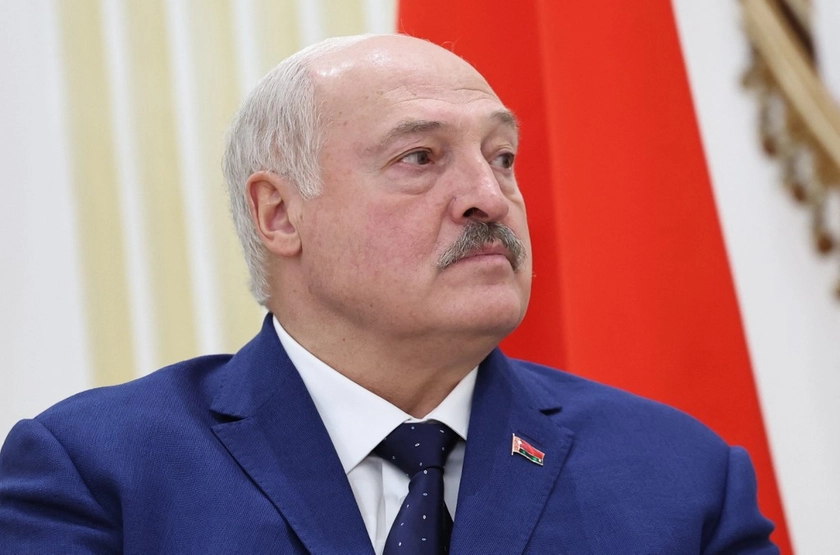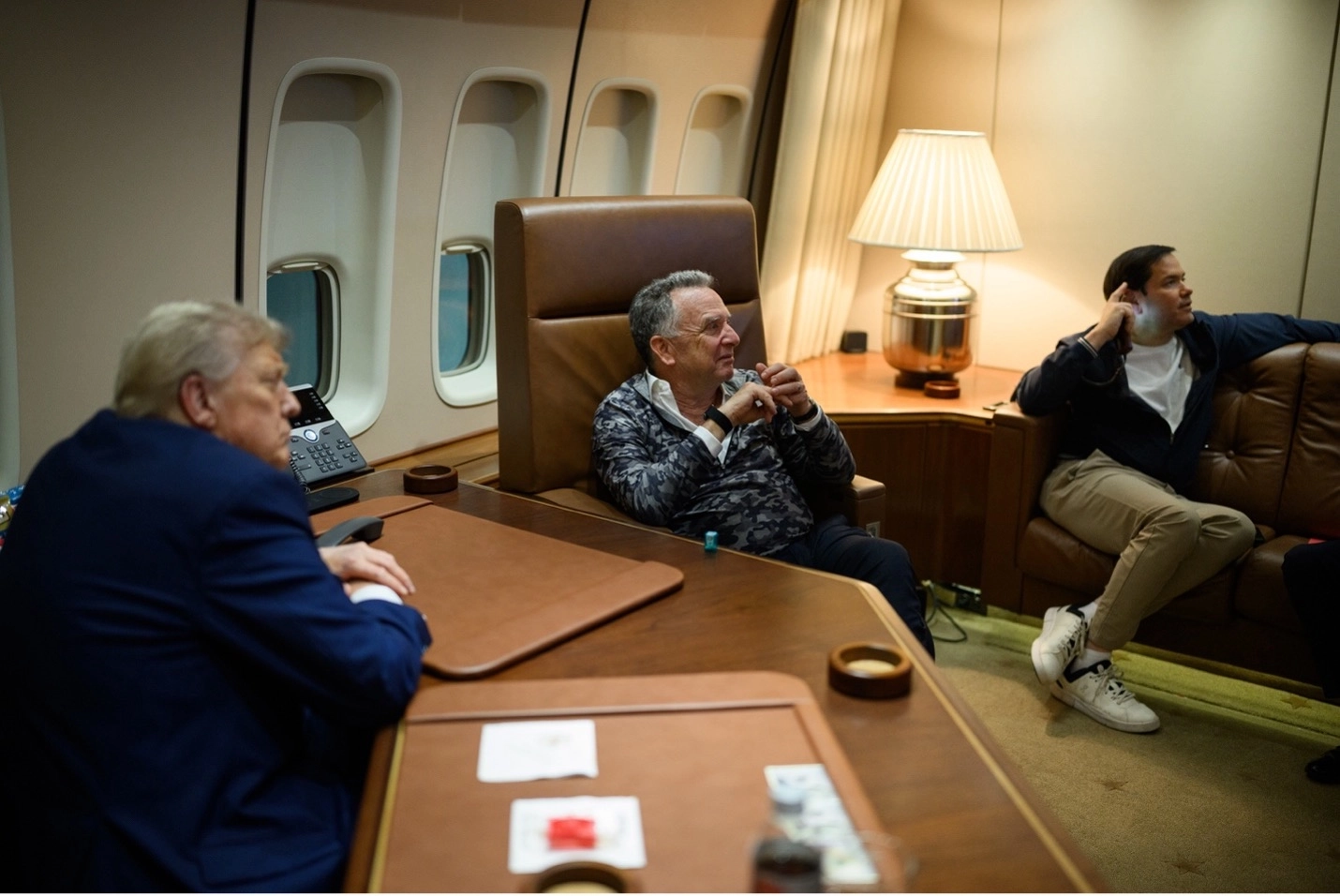
WASHINGTON, DC – The Trump administration is scrambling to contain a diplomatic rift after the sudden, very public emergence of a US-backed draft peace plan for Russia’s war in Ukraine – a leak that has exposed dueling narratives, competing power centers, and a foreign-policy process increasingly defined by improvisation.
The plan, which officials were forced to acknowledge Thursday, has already raised alarms across Europe for its striking proximity to long-standing Kremlin demands.
JOIN US ON TELEGRAM
Follow our coverage of the war on the @Kyivpost_official.
But in Washington, the more immediate question is who, exactly, is steering the administration’s diplomacy.
Competing channels
On one track sits the traditional foreign-policy team, anchored by acting National Security Advisor and Secretary of State Marco Rubio.
Their message has been deliberately cautious: drafts exist, but no official plan has been formally announced, and any eventual agreement must emerge from a multilateral process that protects both Ukrainian, Russian, and US interests.
“A complex and deadly war requires an extensive exchange of serious and realistic ideas,” one senior US official told Kyiv Post, underscoring Rubio’s insistence that any durable peace will demand difficult concessions from both sides.
That calibrated posture didn’t last long.
Enter the second track – the unofficial, fast-moving channel led by Special Envoy Steve Witkoff.
Sources close to Witkoff not only confirmed that a full plan exists, but that it has already been delivered to both Kyiv and Moscow – even arguing that Witkoff has spent the past month quietly collecting views from both capitals.
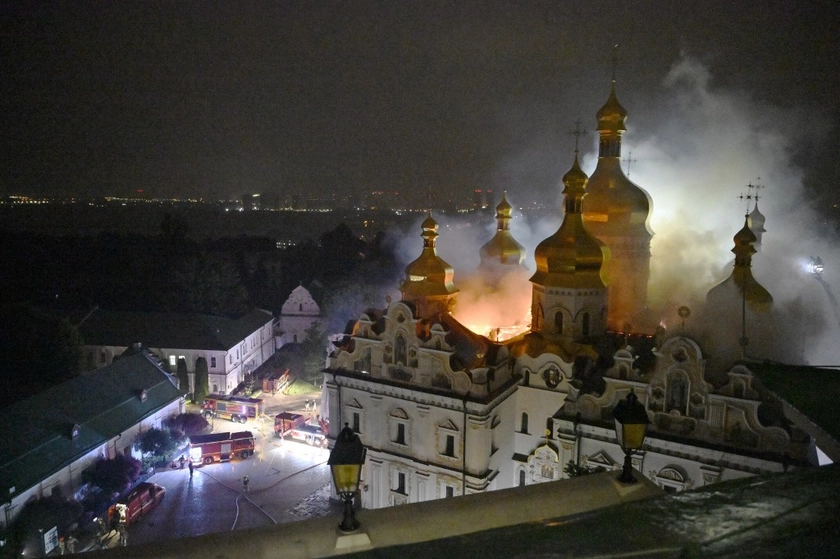
UN Security Council to Convene on Kyiv-Pechersk Lavra Strike
They also accused Moscow of leaking its preferred version to shape the narrative – a claim that only sharpened questions about who is actually driving US policy.
White House scramble
The initially leaked document, described by people familiar with it as a sweeping 28-point proposal, mirrors many of Moscow’s maximalist aims – from territorial concessions to limits on Ukraine’s future military posture.
Its resemblance to earlier Russian “wish lists” is so strong that some US and European officials say the administration is now legitimizing proposals Washington previously rejected.
With two competing messages spilling into public view, the White House tried to reassert control Thursday.
“President Trump has been clear since day one that he wants the war… to end, and he has grown frustrated with both sides for their refusal to commit to a peace agreement,” Press Secretary Karoline Leavitt told a press briefing.
She added that both Kyiv and Moscow “will have to make concessions,” confirming Trump has been briefed on and supports the plan.
The signal was unmistakable: the US intends to force momentum toward negotiations – even if Kyiv isn’t ready to entertain the compromises Washington now favors.
Moscow’s old wish list, new messenger
The plan’s origins are raising fresh questions about how Moscow found a new foothold inside Trump’s orbit.
According to officials familiar with internal discussions, the document closely resembles the same Russian draft that derailed planned Budapest meetings last month – the one Rubio rejected outright.
This time, Russia reportedly brought it to Witkoff, who proved far more receptive.
“The Russians sensed weakness and an open door,” a Western diplomat said.
“They took the same wish list Rubio shut down and found someone else in Washington willing to run with it,” the source claimed.
Kyiv braces for pressure
In Kyiv, the response has been calm in public and furious in private. Zelensky’s office confirmed receipt of the US draft and said the president would discuss “diplomatic opportunities” with Trump in the coming days.
Ukrainian officials said they are reviewing the document to “align it with our fundamental principles.”
European diplomats are far less diplomatic. “This document is absurd – it’s a provocation,” one told Kyiv Post, adding, “It’s not a peace plan; it’s a demand for capitulation.”
Khrystyna Hayovyshyn, Ukraine’s deputy envoy to the UN, reiterated Kyiv’s red lines: no recognition of occupied territory as Russian, no limits on Ukraine’s right to self-defense, and no constraints on its sovereign choice of alliances.
“There is only one realistic path to ending this war,” she told a Security Council meeting Thursday afternoon, adding: “Russia must be compelled to retreat.”
Still, Zelensky signaled readiness to talk. “Ukraine needs peace – a dignified peace,” he said Thursday night after meeting a Pentagon delegation.
But, he added, it must come “with respect for our independence, our sovereignty and the dignity of the Ukrainian people.”
The endgame: who blinks first?
The emergence of a Russia-leaning proposal – advanced through an unconventional diplomatic backchannel – now sets up a tense Trump-Zelensky confrontation.
But the episode is also exposing a deeper fault line inside the US administration: the clash between the State Department’s institutional approach and Trump’s preference for personal, transactional diplomacy.
But the biggest gamble belongs to Trump. By publicly endorsing a draft Kyiv views as a blueprint for surrender, he risks a rupture with Ukraine and key European allies in pursuit of a pre-election narrative: only Trump can end the war.
That wager now enters its most delicate phase. The coming days will test whether Kyiv or Washington’s competing factions blink first – and what price the administration is prepared to pay to declare victory.
You can also highlight the text and press Ctrl + Enter