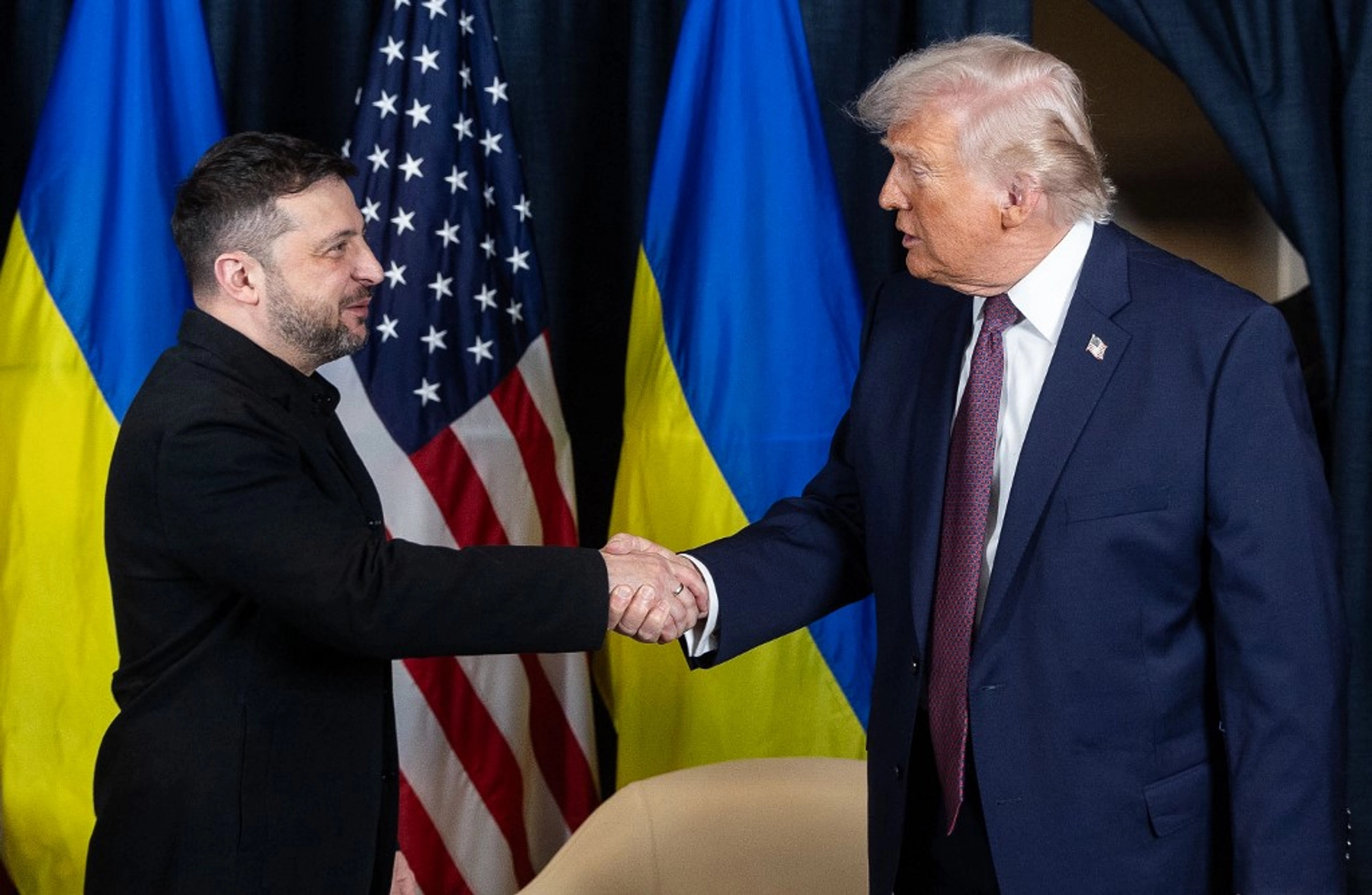
Informal diplomatic contacts between Russia and Western officials have reportedly resumed, with a phased freeze of fighting along Ukraine’s front lines among the proposals under discussion.
According to a report by The Economist on Thursday, earlier ceasefire roadmaps discussed in the spring stalled after the Iran conflict pushed up oil prices and strengthened Russia’s financial position, while Ukraine’s gains made any compromise harder to sell domestically.
JOIN US ON TELEGRAM
Follow our coverage of the war on the @Kyivpost_official.
However, the outlet notes that informal talks with Russia have resumed, with a two-phase ceasefire among the new proposals.
“There are daily contacts between Ukraine and Mr. Trump’s team. One idea under discussion is a ceasefire in two phases: First limiting hostilities to a 50-70km [31-44 miles] zone either side of the front line, then a broader agreement,” The Economist wrote.
The renewed contacts come as the US increasingly views Ukraine as the side gaining the upper hand over Russia, it added.
“Just as encouraging is a mood shift in Washington. Two Ukrainian narratives are beginning to take hold there: That Russia cannot be trusted and that Ukraine is a winner, not a loser,” it wrote.
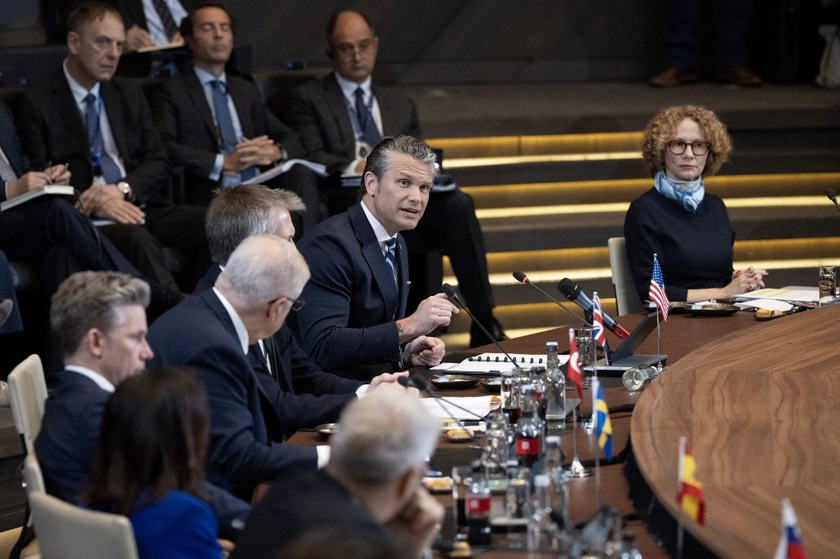
In May, US Army Secretary Dan Driscoll said Ukraine’s battlefield integration had surpassed that of the US military, while Defense Secretary Pete Hegseth later said the US had “learned so much” from Ukraine’s drone operations.
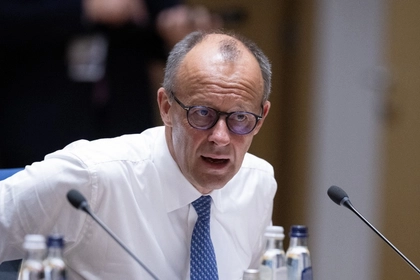
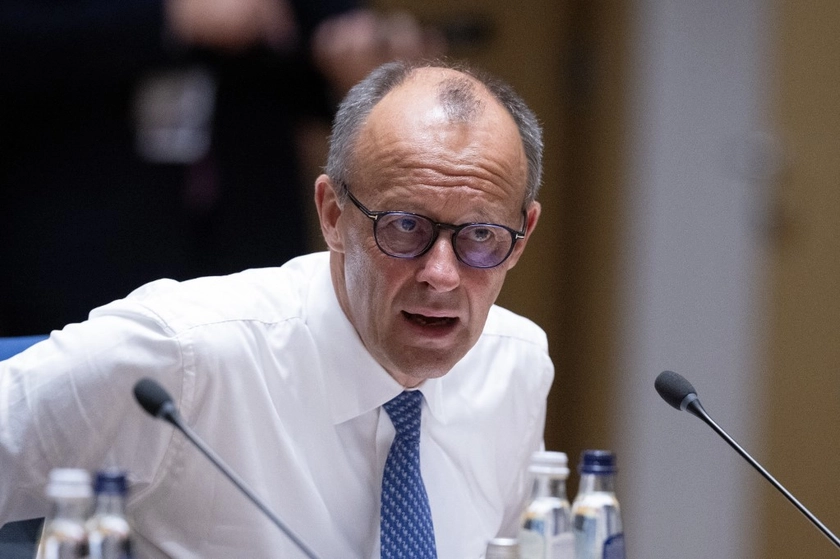
Macron, Merz Clash With EU Over Putin Outreach
Sources close to the White House also told the outlet that US President Donald Trump’s view of the war has shifted, with the conflict increasingly “humanized” for him.
“Trump got burnt by his Iran experience and now understands that without putting pressure on Putin he will not get what he wants,” a former Ukrainian official told The Economist.
Cautious optimism after Iran
The guarded optimism is linked to the emerging deal with Iran, which could have three main effects.
First, it may free up the US administration to refocus more on Ukraine.
Second, it could ease global energy pressure, creating room for tougher sanctions on Russian oil and gas.
Third, it may strip Russia of a key financial advantage from high oil prices – estimated at $5-6 billion a month – that has helped sustain the Kremlin’s war effort.
Despite the new proposals, including phased de-escalation models, the report asserts that an agreement is still far away.
The Economist noted that Russia continues to promote what it calls the “anchorage formula” – a set of alleged understandings said to have been discussed with Trump during the Russia-US summit in Alaska last summer.
At the time, Ukraine was in a weaker position, while Russian forces were making slow but costly advances in southern and eastern Ukraine.
The reported agreements are unconfirmed and contested, but are described as including legal recognition of Russian control over all of the Donbas and Crimea, as well as de facto acceptance of the current front lines in Zaporizhzhia and Kherson.
Kyiv has repeatedly rejected territorial concessions.
Moscow is also expected to lean on Trump’s record of policy reversals, including his decision to drop sanctions on Iran. Analysts caution it is unrealistic to expect Putin to abandon his war aims, or to rule out Russia exploiting any ceasefire to strengthen its position.
Still, some officials argue that a new reality is emerging.
Changes in perception
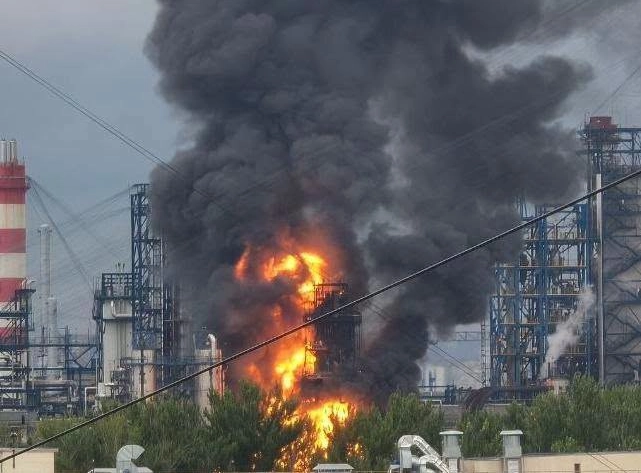
Kyiv’s recent deep strikes into Russia might have brought the pressure to the Kremlin’s doorsteps.
“Putin once tried to pretend the war was far away,” Ukrainian diplomat Lana Zerkal told The Economist. “He can’t do it when Russians can see the smoke with their own eyes.”
Notably, French President Emmanuel Macron said Trump initially entered office convinced that Ukraine would lose the war against Russia.
This week, Macron said Trump initially believed Kyiv was close to collapse in early 2025, including during a period of tense exchanges with Zelensky in the Oval Office.
“He thought that Ukraine was going to lose. That’s why he wanted to conclude a quick peace,” Macron said, adding that discussions at the time were shaped by expectations of Ukrainian failure.
He also pointed to a summit between Trump and Putin in Anchorage, where, according to him, proposals were nearly advanced that would have involved Ukraine ceding territory not yet occupied by Russian forces.
Macron said European leaders later traveled to Washington to push back against such ideas, arguing that forcing territorial concessions on Kyiv was unacceptable.
He credited Ukraine’s own performance for changing perceptions in Washington.
According to Macron, Trump has since acknowledged that earlier predictions of Ukraine’s collapse were wrong and now views Ukrainians as “courageous and innovative people” who he respects.
New advancements
Daniel Fried, former US Assistant Secretary of State for European and Eurasian Affairs and former ambassador to Poland, told Kyiv Post that he believes Russia is no longer simply stalled in Ukraine – it is beginning to lose.
He said Ukraine’s expanding long-range drone strikes have shifted the military and political balance of the war.
Fried noted that early expectations in 2022 that Ukraine would quickly fall or later slowly lose have been overturned. He revealed that a new consensus is emerging that Ukraine can sustain its defense while Russia’s war effort is faltering, a shift that is now “sinking in” among Western policymakers.
This change in perception is also reshaping views in the Trump camp, where Ukraine is increasingly seen as having “cards” in the conflict.
While the war remains far from over, Fried said the Trump administration is undergoing a recalibration, with parts of the US political establishment moving away from earlier skepticism toward Ukraine.
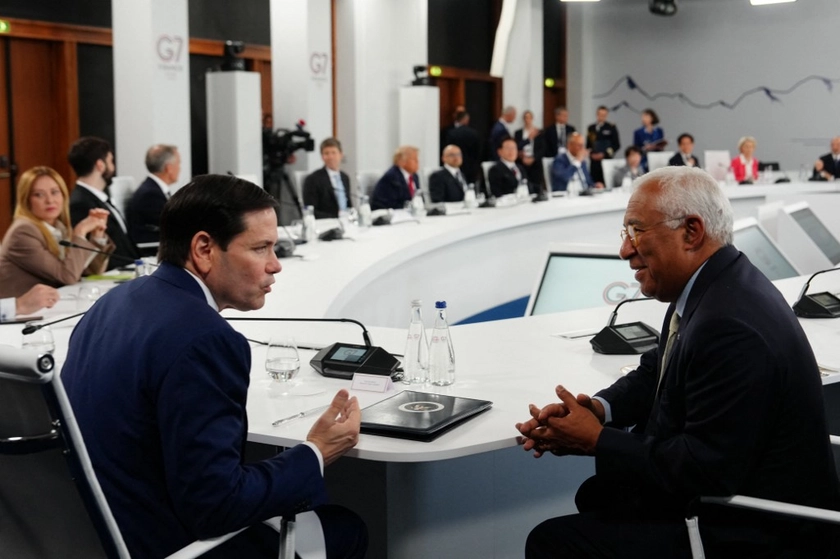
He pointed to recent G7 language on continued military support as a sign of growing alignment, even if commitments remain cautious.
Fried added that the main obstacle to peace is not diplomacy but Putin’s unwillingness to compromise, arguing that Moscow still seeks total victory.
However, he added that sustained pressure could eventually force Russia back to the negotiating table, noting that “they also know how to negotiate when they have to.”
You can also highlight the text and press Ctrl + Enter