Ukraine and the United States have agreed on the majority of provisions in a proposed US peace plan, while the most politically sensitive issues – including territorial status and Ukraine’s NATO accession – have been set aside for direct discussion between Presidents Volodymyr Zelensky and Donald Trump.
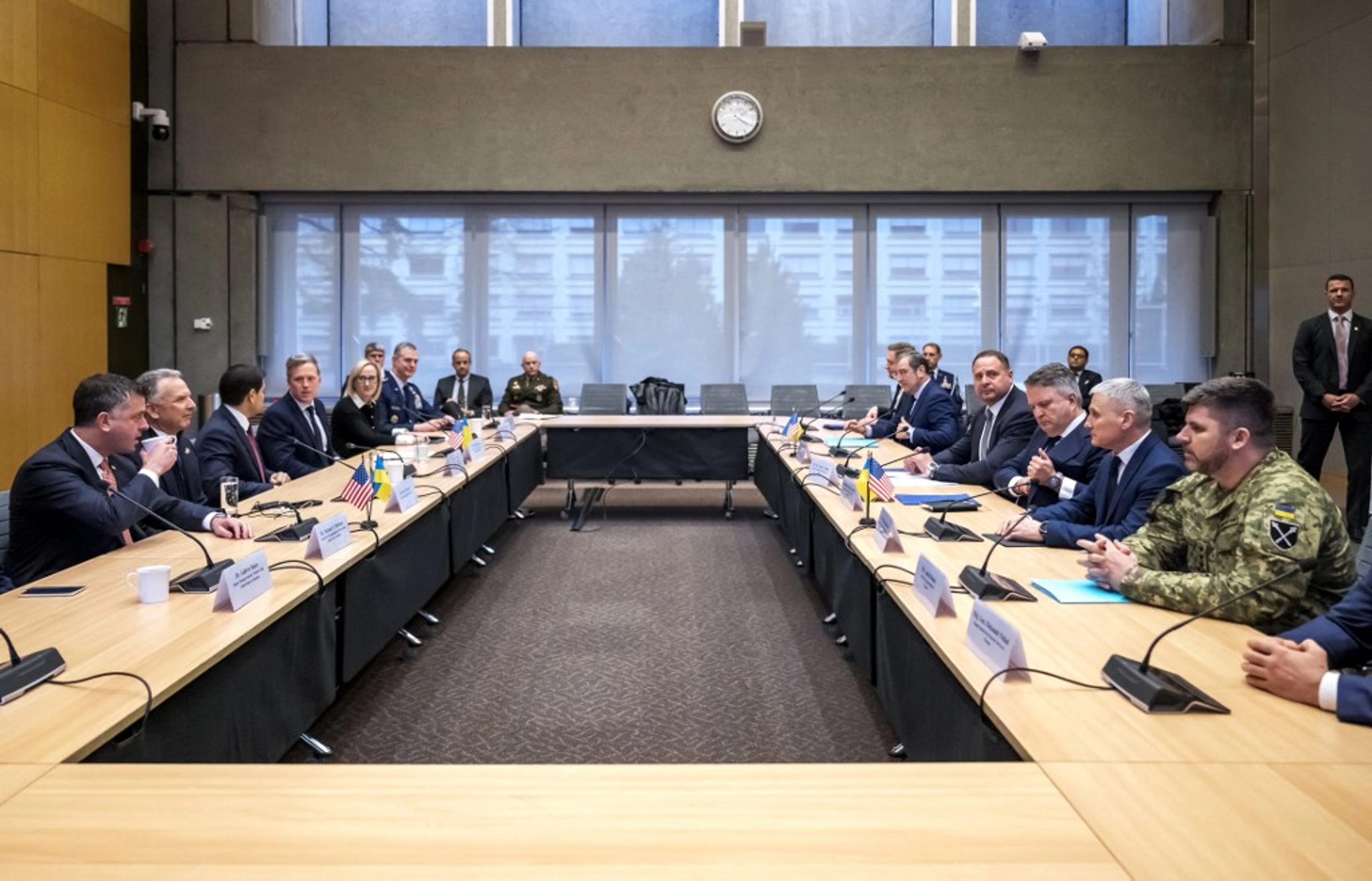
According to RBC-Ukraine, Ukrainian and American delegations reached the partial agreement during talks in Kyiv and Geneva, where negotiators also managed to adjust a significant number of previously disputed items. Among those revised were proposals relating to the size of Ukraine’s armed forces, control over the Zaporizhzhia Nuclear Power Plant, the format for prisoner exchanges and the return of convicted detainees.
However, two core issues were deliberately “taken out of brackets” and deferred to presidential level: the question of territories and the proposed constitutional entrenchment of Ukraine’s non-accession to NATO.
Ultimatum and hard initial rhetoric
According to sources cited by RBC-Ukraine, the US delegation – led by Daniel Driscoll, US Secretary of the Army – initially arrived in Kyiv on Nov. 19 with a sharply worded ultimatum.
“They came to us with an ultimatum: if by Nov. 27 you do not support this plan, then, please, go on with the Europeans – we will stop everything: weapons supplies and intelligence. We cut everything,” one source told the outlet, adding that the Americans’ initial tone was “very tough,” though it later “softened a little.”
Intent in Plain Sight: the Politics of a UN-Recognized Genocide
US negotiators also reportedly warned that battlefield dynamics were not in Kyiv’s favor. One source said the American side believes “the next months will be critical” and that Ukraine could ultimately lose the Donetsk region within a year if the situation remains unchanged.
Additional Security framework modeled on NATO Article 5
However, the American delegation arrived not only with the 28-point peace plan but also with an additional document – a framework agreement on security guarantees for Ukraine, modeled on the principles of NATO’s Article 5.
The text outlines three core provisions: that in the event of a renewed Russian attack, the US president may deploy military forces, provide intelligence and logistical support, as well as take economic and diplomatic measures deemed appropriate; that NATO members, together with France, the United Kingdom, Germany, Poland and Finland, would act in coordination with the United States; and that the agreement would remain in force for 10 years, with the possibility of extension.
What remains disputed
While progress was made on operational elements, some provisions in the original draft remain highly controversial. These include proposals for reducing Ukraine’s armed forces to 600,000 personnel and placing the Zaporizhzhia nuclear plant under international supervision, with electricity distributed equally between Ukraine and Russia.
Territorial questions – including the future of occupied areas – were postponed for direct talks between Zelensky and Trump, a meeting that could take place within days, although no date has been formally confirmed, RBC-Ukraine reported.
“Most productive” round of talks
Following the Geneva meeting, both sides acknowledged progress. The American and Ukrainian delegations prepared what was described as an “updated and revised framework document on peace.”
US Secretary of State Marco Rubio called the talks “perhaps the most productive in all this process,” while Ukrainian officials similarly characterized the dialogue as “very productive.”
A joint statement confirmed that the future agreement must “fully respect Ukraine’s sovereignty and ensure a sustainable and just peace,” with final decisions to be taken by the presidents of both countries.
Zelensky urges unity as peace talks intensify
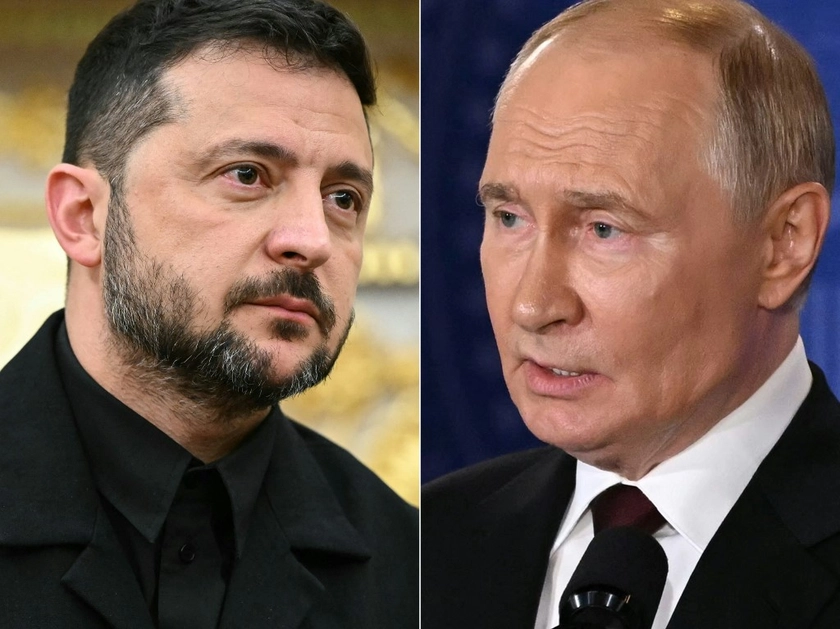
The acceleration of the peace process has coincided with severe internal political turbulence in Ukraine. “We must pull ourselves together. Stop the bickering. Stop the political games,” President Volodymyr Zelensky said in an address on Nov. 21, summing up what he described as the two most tense weeks in recent times.
The Mindich scandal, controversial NABU recordings, high-profile cabinet dismissals and growing discontent within the ruling faction temporarily pushed the war off the top of the public agenda. At the same time, Donald Trump “took up the task of brokering peace between Ukraine and Russia with unprecedented determination,” as internal unrest and external pressure converged.
A “fateful moment” as internal strains meet external pressure
RBC-Ukraine described this period as a “fateful moment” for the country. The outlet reported that growing discontent within the ruling Servant of the People faction had centered on calls to dismiss Presidential Office head Andriy Yermak, amid allegations linked to the Mindich affair and dissatisfaction over the concentration of power.
Ultimately, the meeting concluded without any personnel decisions. Zelensky was quoted as saying that such crises should be resolved through elections and that he did not intend to dismiss Yermak without real grounds, urging lawmakers instead to preserve the coalition and pass necessary legislation in what was described as a decisive moment for the state.
However, a more widespread interpretation within political circles is that the United States simply took advantage of the moment when Ukraine’s internal problems had flared up. At the same time, the country’s overall situation has worsened: serious problems in the energy sector, mounting pressure at the front, and growing difficulties in raising funds for defense procurement.
The new pressure wave nevertheless triggered a rally-around-the-leader effect, with Zelensky attempting to consolidate political unity as negotiations intensified and painful conditions began to take shape around the US peace initiative.
Next phase: persuasion of Russia
RBC-Ukraine reported that if Kyiv and Washington finalize the remaining points – and the US aligns key provisions with European partners – American negotiators will then move to present the plan to Moscow using a strategy described by sources as “the carrot and the stick.”
Under this approach, Washington would attempt to convince Russia to accept the framework while maintaining pressure through potential sanctions and diplomatic leverage.
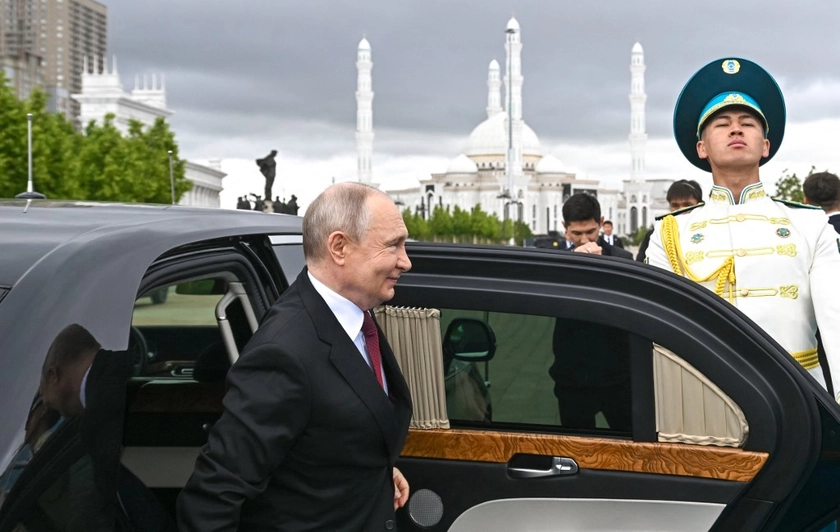
In the Kremlin, officials continue to adhere to what RBC-Ukraine described as Soviet-style diplomatic logic, where any concession or compromise is viewed as a sign of weakness or defeat. Putin may once again speak of readiness for peace, but with his own “buts,” the outlet noted, adding that his insatiability could ultimately lead him to squander even a position that appears highly favorable.
Despite the progress achieved in Geneva, Ukrainian officials are communicating the new initiative with notable caution, avoiding any public rhetoric suggesting or condemning territorial concessions, reflecting the gravity of what RBC-Ukraine described as a “decisive moment” for the country.
You can also highlight the text and press Ctrl + Enter