Leaders from seven European Union states on Monday urged the bloc to move swiftly on a “feasible” and “realistic” plan to tap billions in Russia’s frozen funds to provide financing to Ukraine.
Estonia, Finland, Ireland, Lithuania, Poland and Sweden signed the letter of support for the plan, which appeared on social media on Dec. 8, addressed to EU Council President Antonio Costa and European Commission President Ursula von der Leyen.
JOIN US ON TELEGRAM
Follow our coverage of the war on the @Kyivpost_official.
The letter reads: “Since the beginning of Russia’s full-scale invasion in 2022, Europe has been steadfast in its support to Ukraine. We do this because it is the morally correct thing to do, but also because Russia’s imperialistic ambitions threaten European security beyond Ukraine.”
“We are committed to finding long-term robust support that will strengthen Ukraine,” the letter continues.
“Considering the current scale and urgency of Ukraine’s budgetary and military needs, we strongly support the Commission’s proposal of a reparations loan funded by the cash balances from the immobilized Russian assets in the EU.”
“Financially feasible and politically realistic”
The European Commission has approved a €210 billion ($244 billion) financial package to procure weapons for Kyiv, but its fate depends on Belgium dropping its longstanding resistance to employing the frozen Russian funds as collateral.
Although von der Leyen’s blueprint calls for all EU states hosting frozen Russian holdings to take part, the Financial Times reported on Dec. 8 that France has kept quiet the names of banks in possession of those assets.
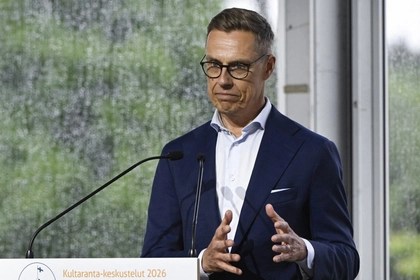
Italy Backs Alexander Stubb as EU Envoy for Ukraine-Russia Peace Talks
The letter from Monday argues that the plan is “the most financially feasible and politically realistic solution” and that it addresses “the fundamental principle of Ukraine’s right to compensation for damages caused by the aggression.”
“Time is of the essence. By reaching a decision on the reparations loan at the European Council in December we have the opportunity of putting Ukraine in a stronger position to defend itself and a better position to negotiate a just and lasting peace,” the letter ends.
It is signed by Kristen Michal, the Prime Minister of Estonia, Petteri Orpo, the Prime Minister of Finland, Micheál Martin, the Taoiseach of Ireland, Evika Silina, the Prime Minister of Latvia, Gitanas Nauseda, the President of Lithuania, Donald Tusk, the Prime Minister of Poland, and Ulf Kristersson, the Prime Minister of Sweden.
Pushback from Belgium
The proposal has encountered pushback from Belgium, which fears that Euroclear – the Brussels-based clearing system that holds the majority of the frozen Russian reserves – could face costly legal challenges from Moscow or suffer reputational damage.
Roughly two-thirds of the $300 billion in Russian central bank reserves that were immobilized after Russia invaded Ukraine in February 2022 are held at Euroclear.
Russia, at least in principle, could seek to overturn the freeze in a court in Belgium, where Euroclear is incorporated.
There are also reports that Belgium fears security repercussions from Russia in the event it approves the plan, after a series of mysterious drone incursions across Europe over the last few months.
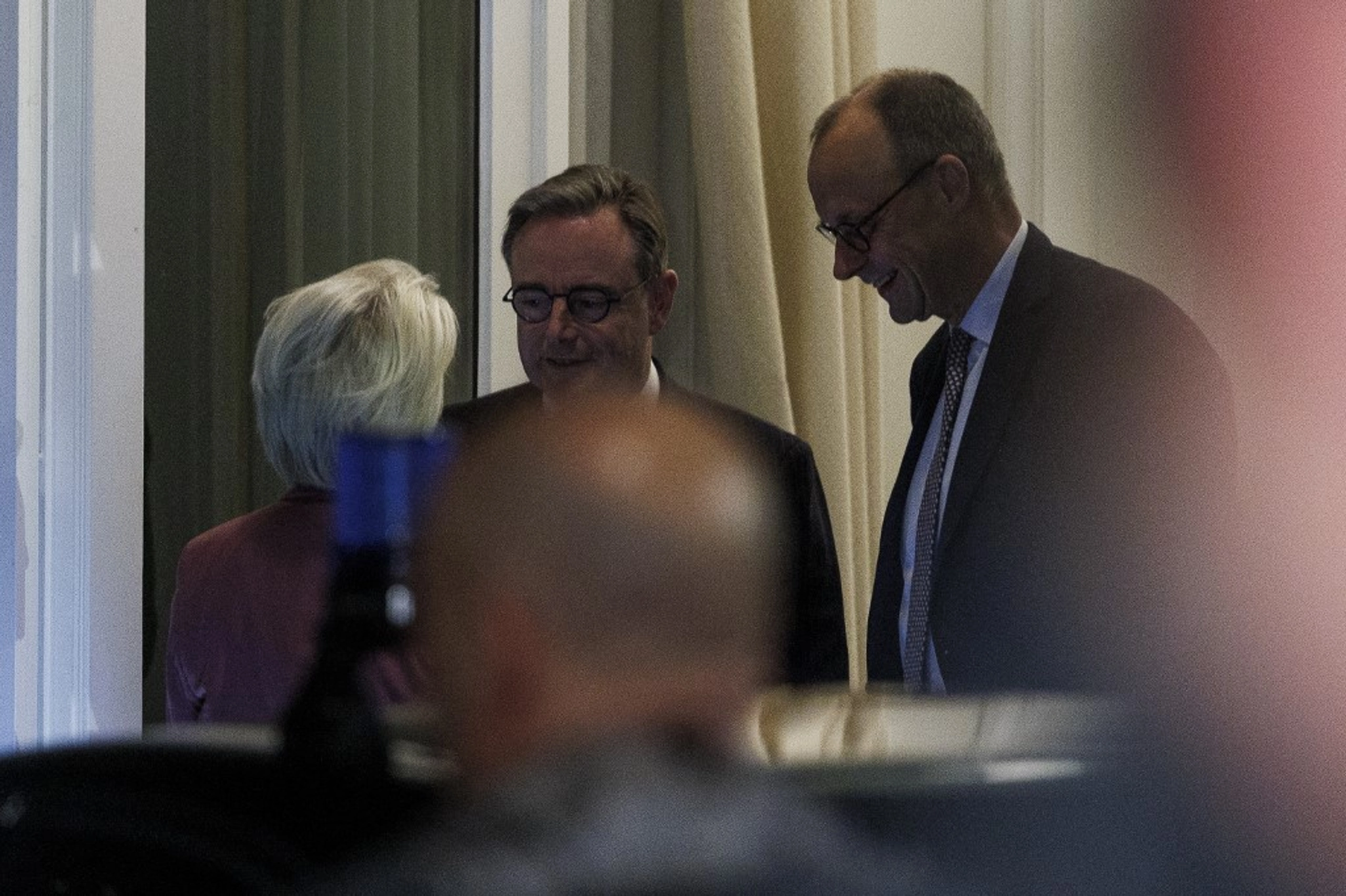
German Chancellor Friedrich Merz met Belgian Prime Minister Bart De Wever and von der Leyen in Brussels on Friday to review the plan.
Merz described the talks as a “very constructive exchange” and conceded that “Belgium’s particular concern about the question of utilizing frozen Russian assets is undeniable and must be addressed in any conceivable solution in such a way that all European states bear the same risk.”
Merz’s spokesman noted that leaders plan to reconvene on Dec. 18 and 19, as EU partners attempt to break the impasse.
You can also highlight the text and press Ctrl + Enter

Putin’s Worst Nightmare