The Russian-Ukrainian war, increasingly becoming a war of robots, dictates new rules not only for conducting combat but also for supporting units.
With threats coming from above and the enemy reacting at high speed, everything now must be done as quickly, as flexibly, and as discreetly as possible.
JOIN US ON TELEGRAM
Follow our coverage of the war on the @Kyivpost_official.
The rear has also become far more vulnerable. What was once considered a dangerous 5-km (3-mile) zone has expanded to 15 km (9 miles) or more, easily reachable by drones from both sides. This creates serious risks for headquarters, medical points, maintenance stations, warehouses, and other essential facilities.
Everything is moving on wheels. Headquarters are dispersing; an era of total camouflage and mobility has arrived.
Mobile workshops were developed in Ukraine – essentially factories on wheels that can be relocated anywhere, deployed within minutes, and folded just as fast if danger arises.
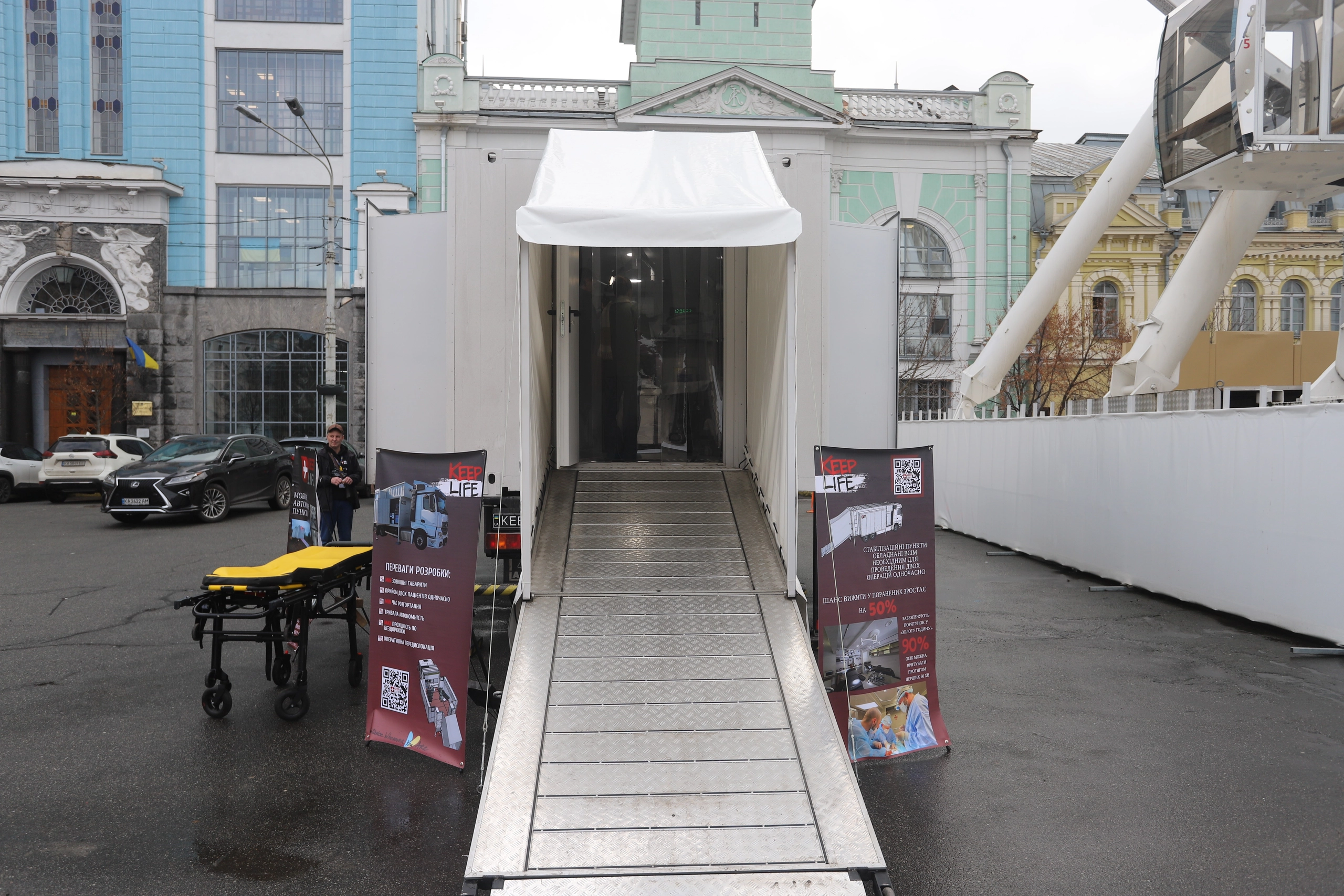
Medical support is keeping pace. The volunteer organization Keep Life has now presented its sixth mobile stabilization point.
The previous units are operating successfully and have even been used in the Kursk region. Kyiv Post visited this operating room on wheels.
Despite strikes on Ukraine, Russian advances slow, analysts say
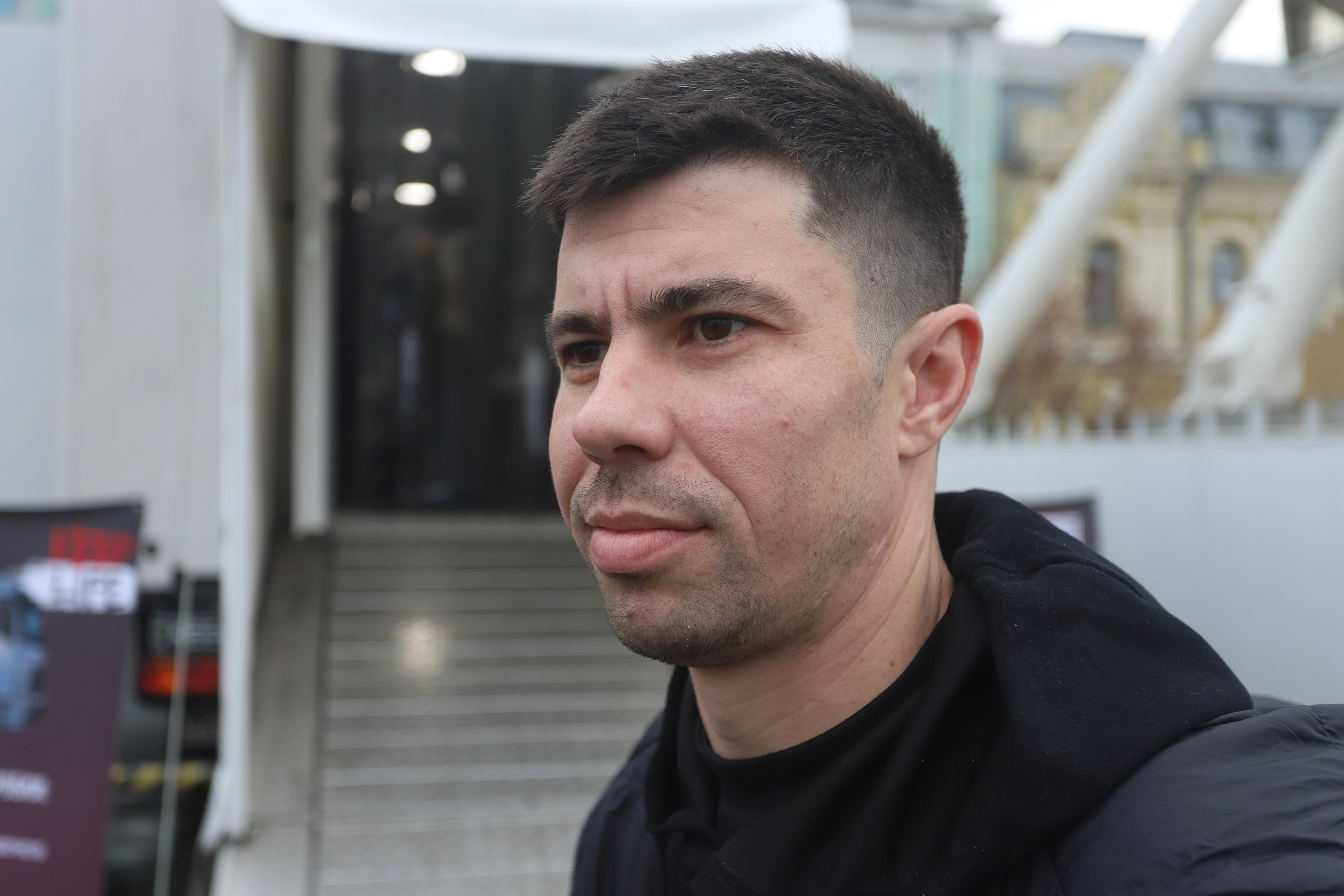
“The first module was released at the end of 2022. Today, the need for such complexes is only increasing because the rear is being pushed deeper and deeper,” says Keep Life founder Serhii Nechytailenko. “Initially, we designed the project as a mobile hospital to conceal evacuation routes for the wounded. Now the guys use it as a stationary point that can be buried if there’s no time or no building available.”
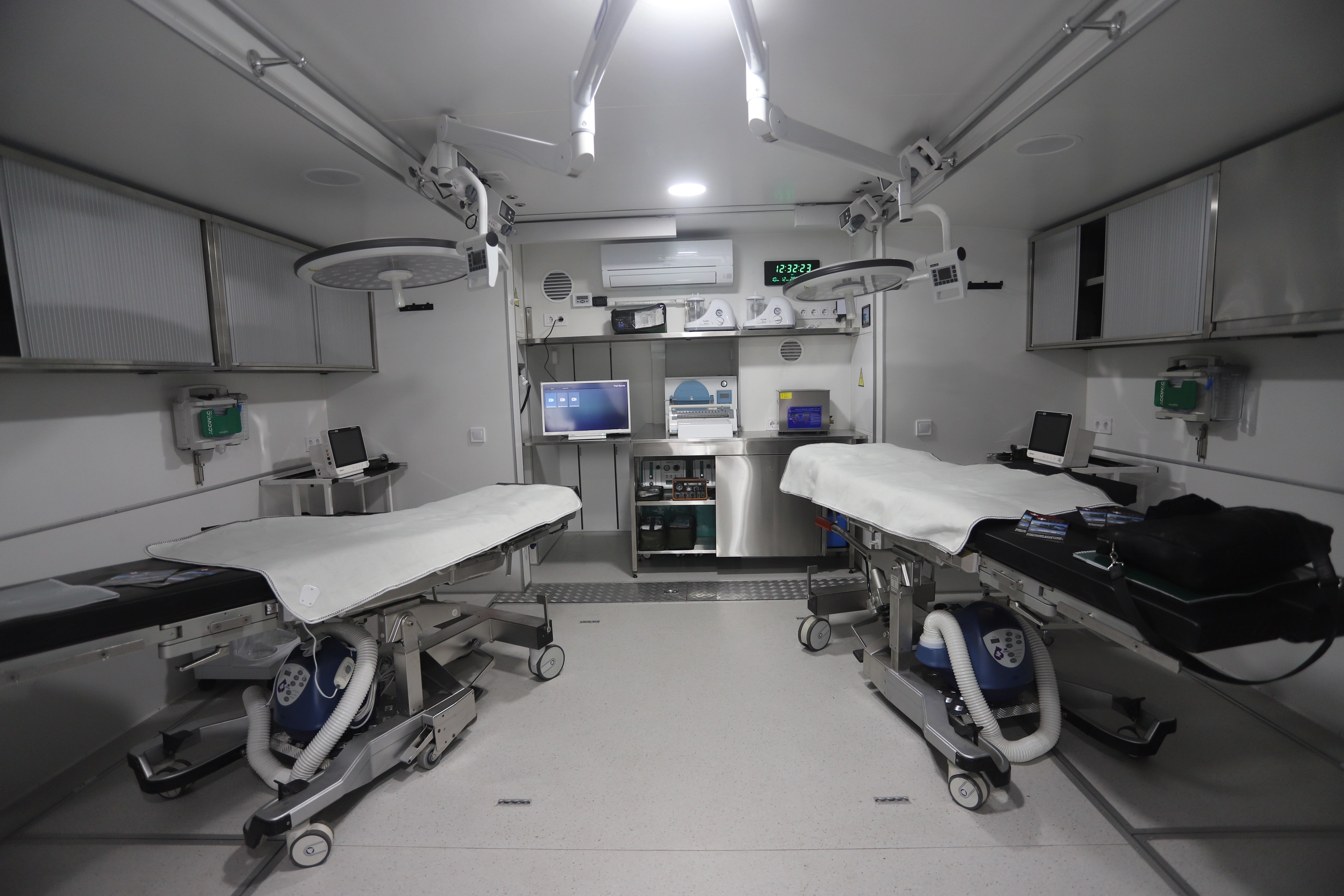
The mobile point is built on a truck chassis, fitted with a special armored container equipped with state-of-the-art medical technology. It is fully autonomous, both inside and outside.
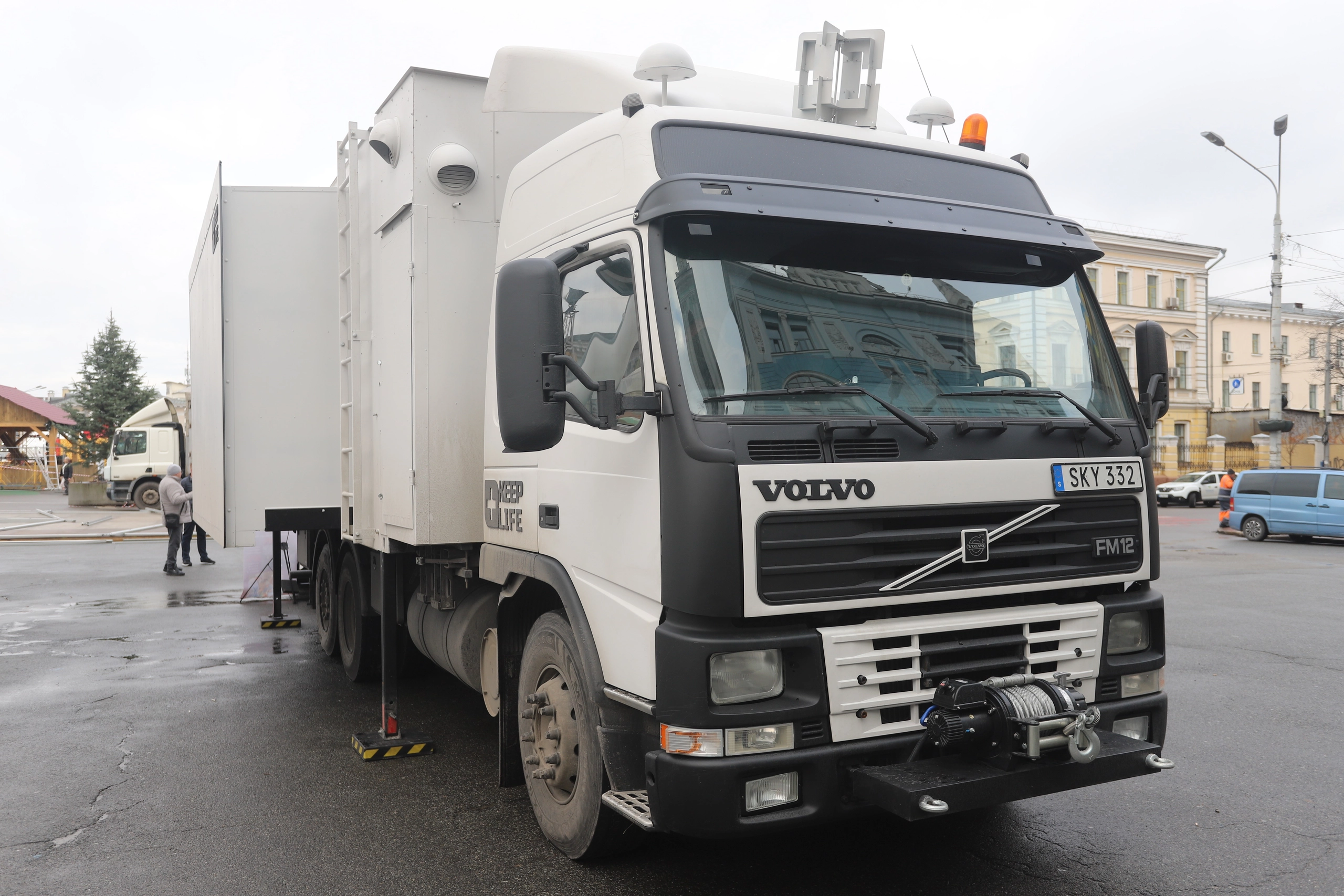
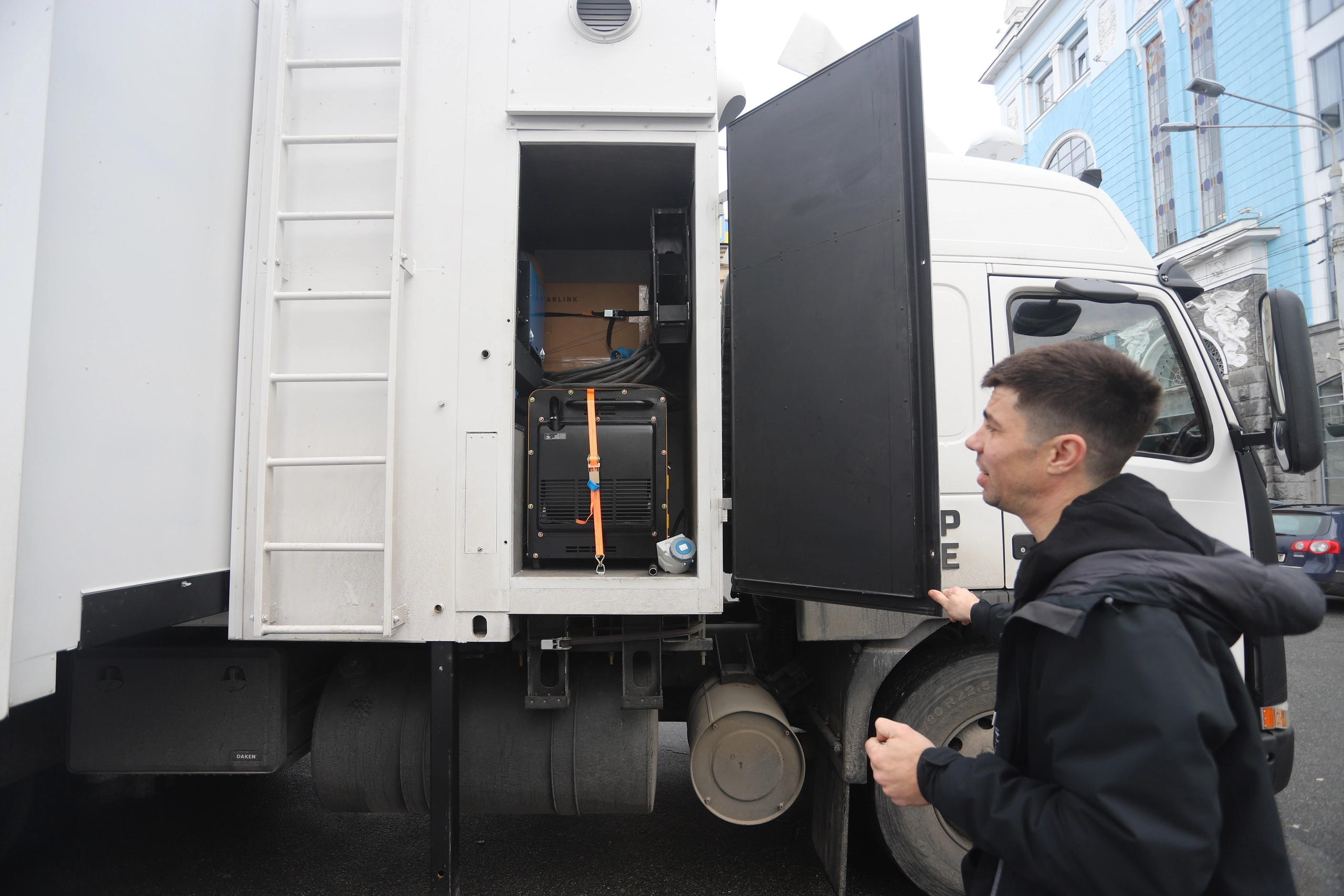
“Special plastic, special surgical linoleum, rapid heating, a water tank, a diesel generator, large batteries, a ventilation system that allows up to 13 people to be inside at once. Everything needed for this surgical unit to function,” says Nechytailenko.
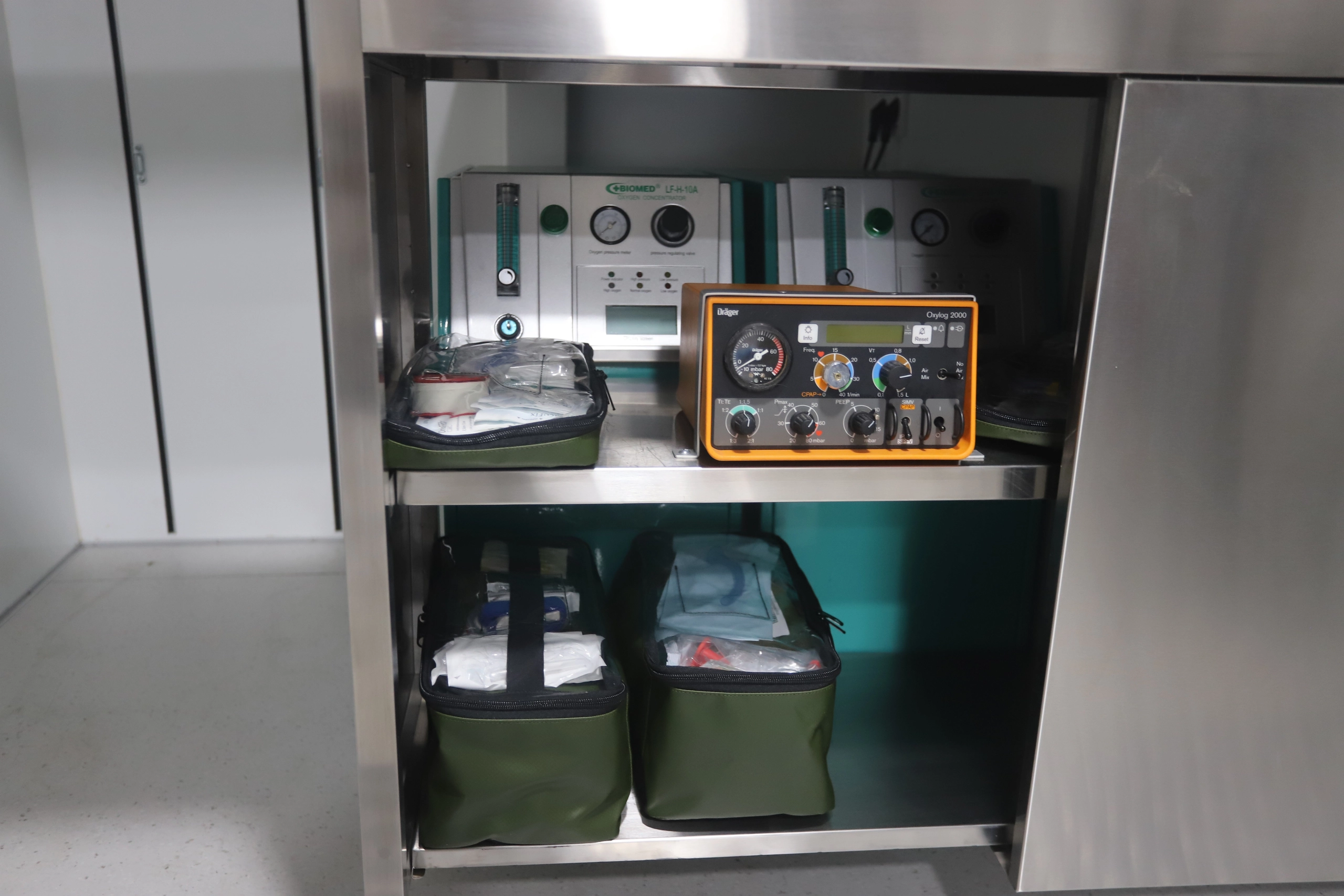
The project is fully volunteer-driven. For the military, the cost is zero, though the production expenses are significant. A truck ranges from $20,000 (one, reconstructed with plating, generators, armor, ventilation) to $120,000 (new). Medical equipment adds another $50,000 dollars to $250,000.
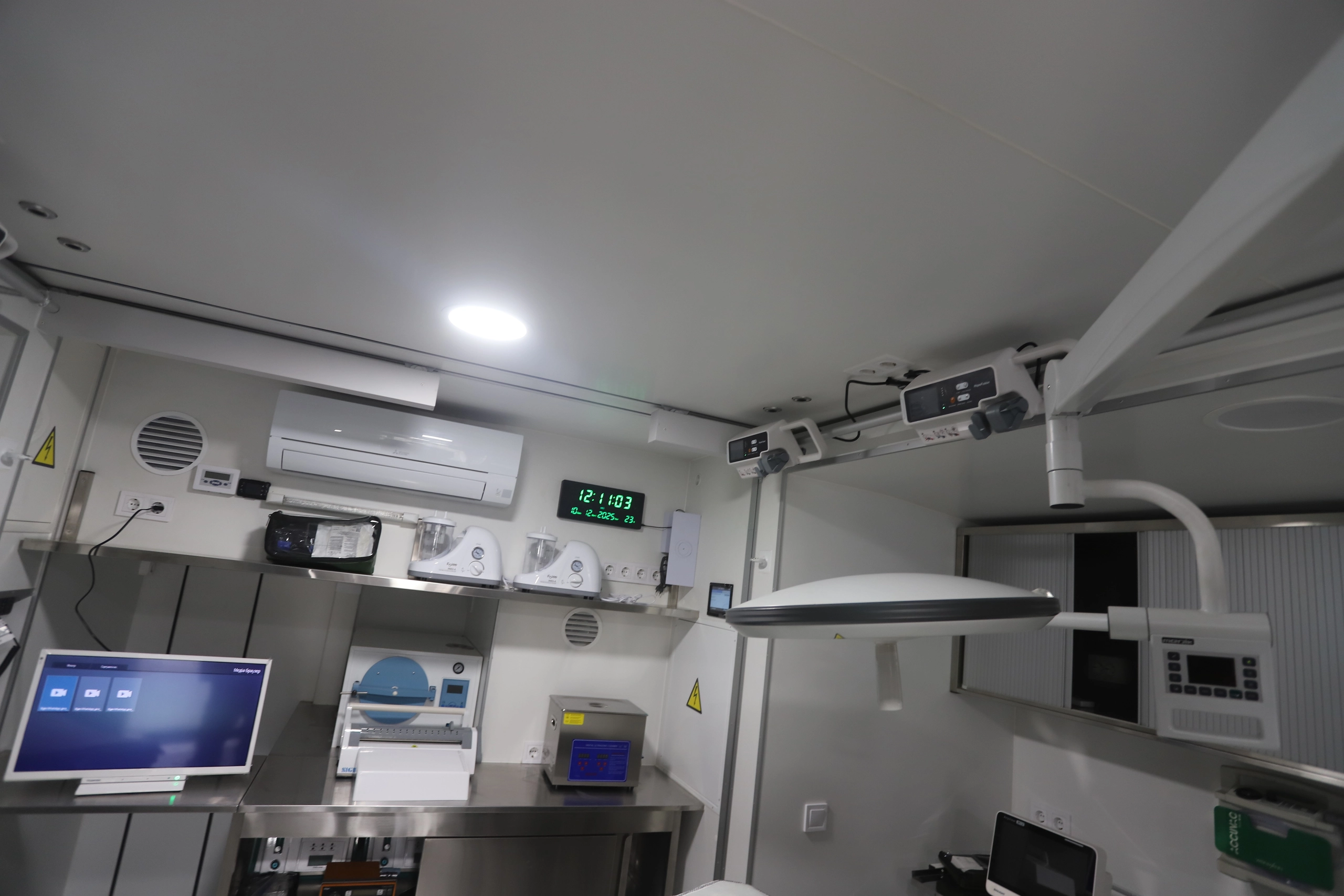
“Basic equipment includes tables, a lamp, sterilizers, and concentrators. But we are often asked for portable ultrasound and X-ray units, coagulators, and more,” Nechytailenko adds.
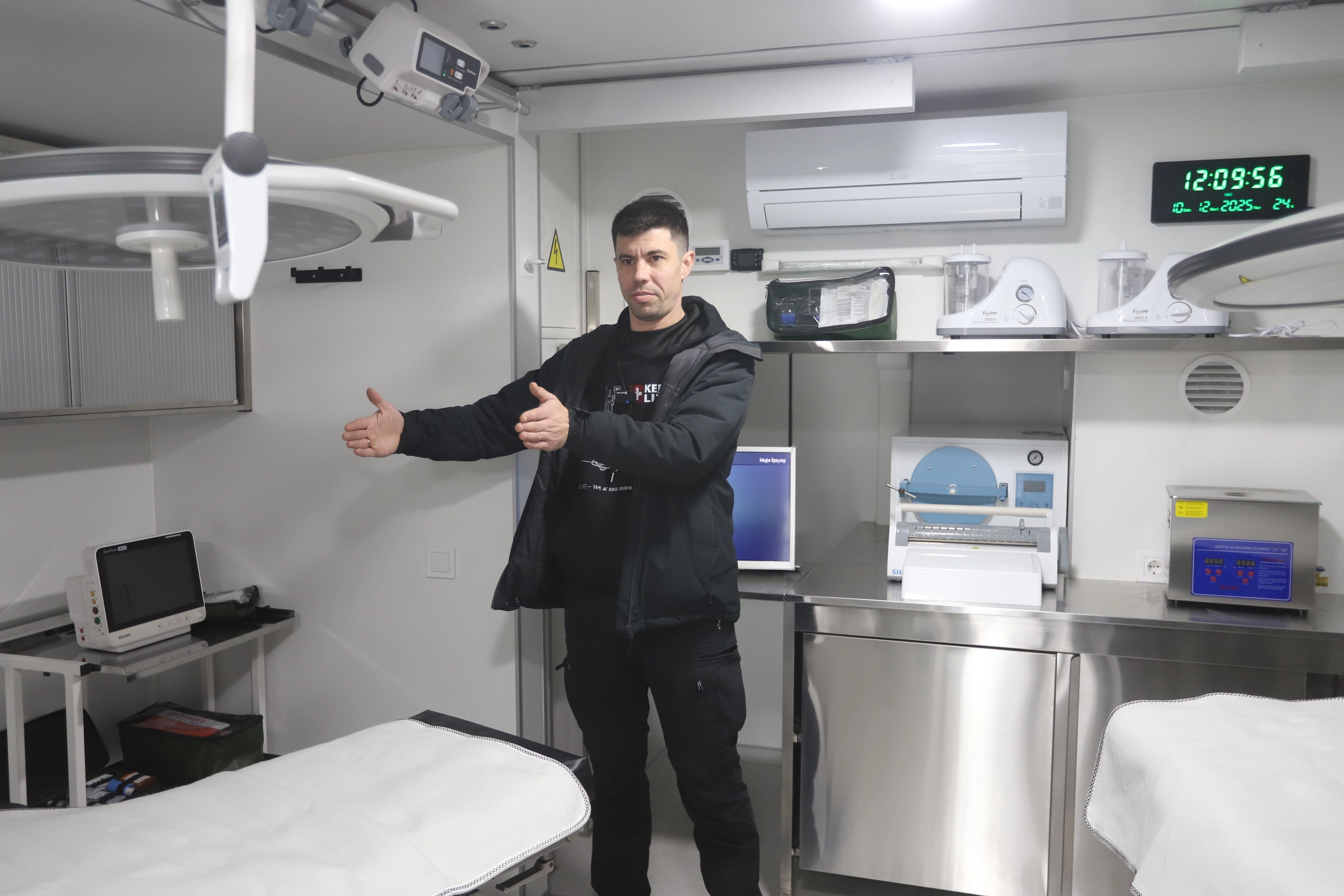
One of these vehicles was used by the 80th Air Assault Brigade. This particular unit is being received by the National Guard’s Khartia Brigade, where it will serve as a stabilization point during active maneuver in combat operations.
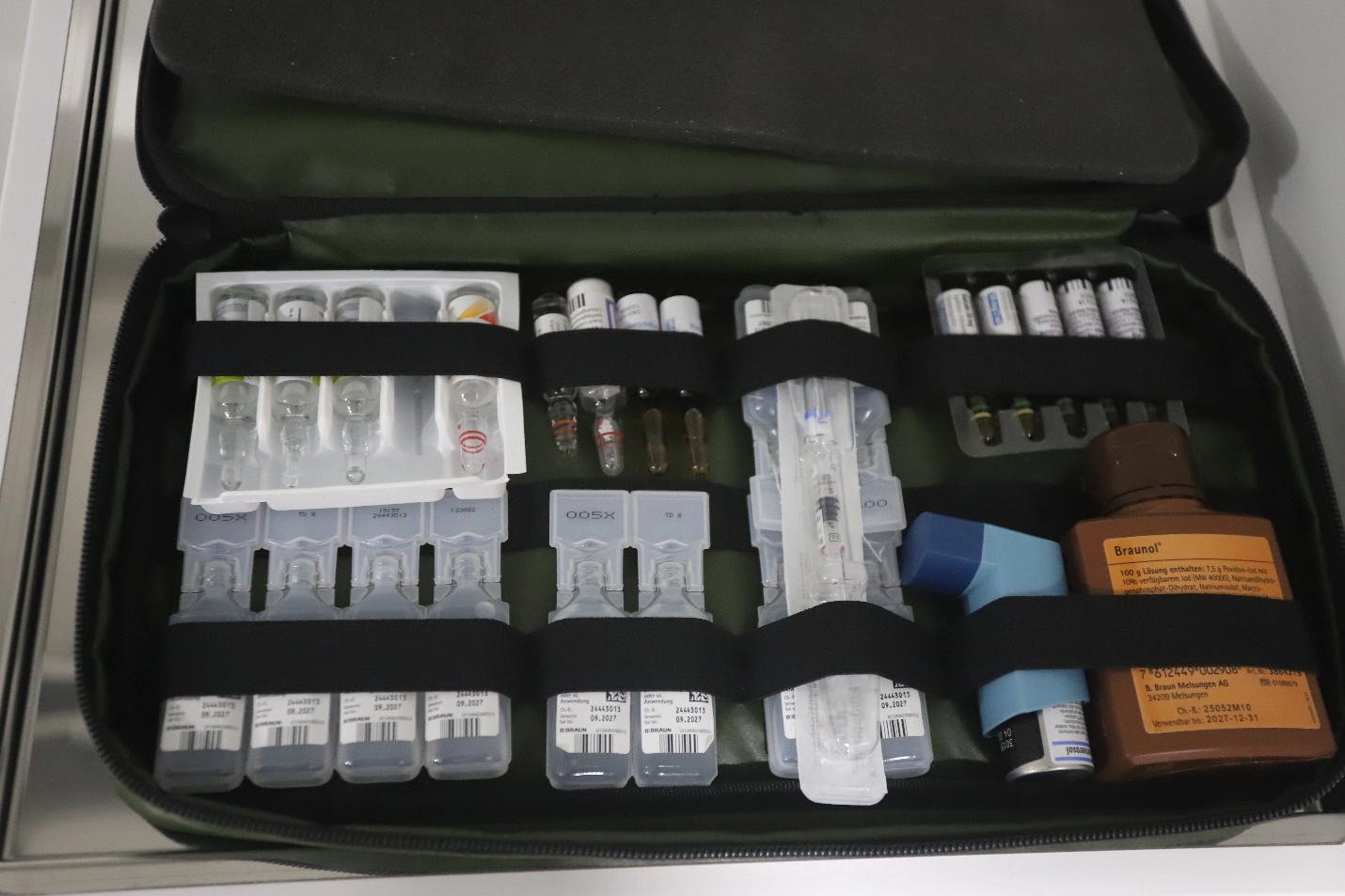
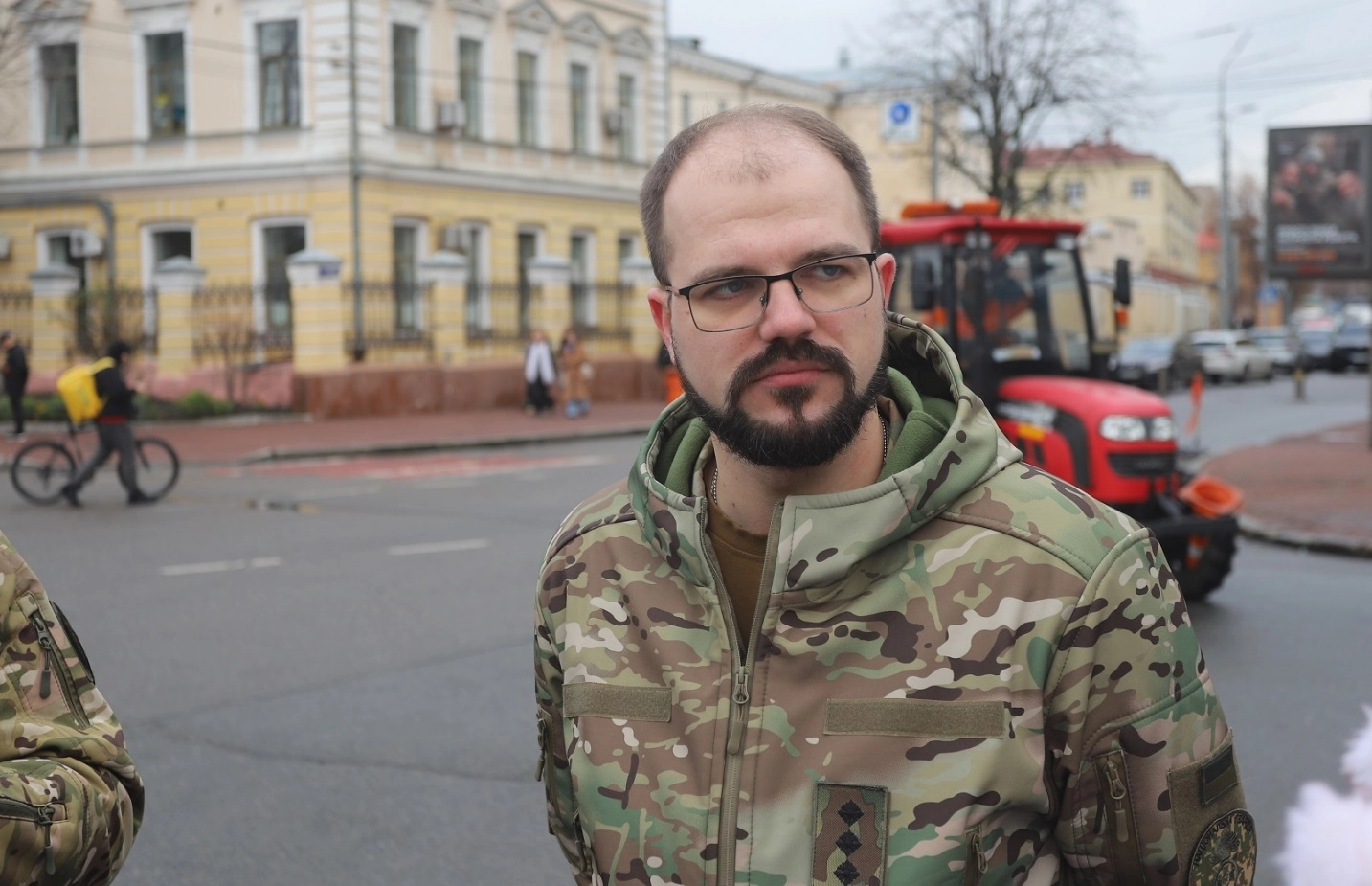
“Our corps’ head of medicine had experience working with such a complex in the Kharkiv region while a standard stabilization point was still being deployed,” says Captain Dmytro Stepanets, Acting Head of the Medical Service of the 13th Brigade of the National Guard of Ukraine Khartia. “This is a temporary solution until a standard stabilization point is operational. We have already trained to deploy this complex, and know exactly where we will use it in a prepared location when relocating the stationary medical point.”
You can also highlight the text and press Ctrl + Enter

Putin’s Worst Nightmare