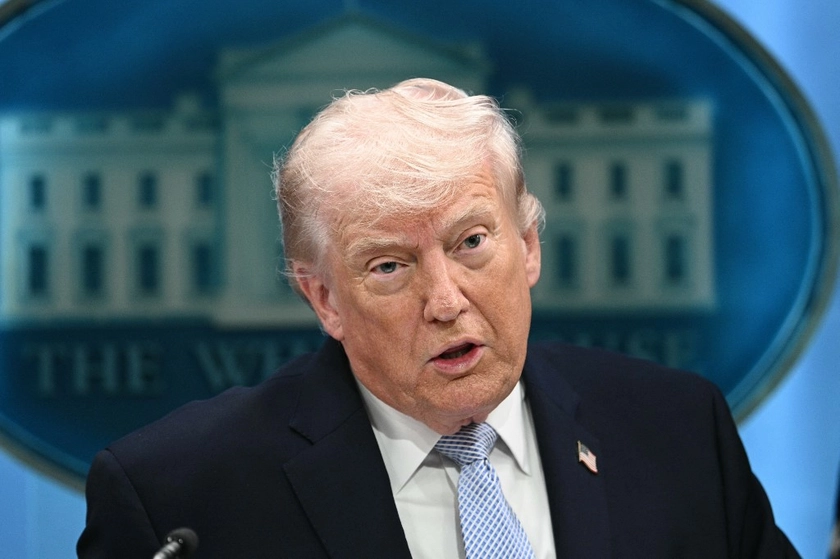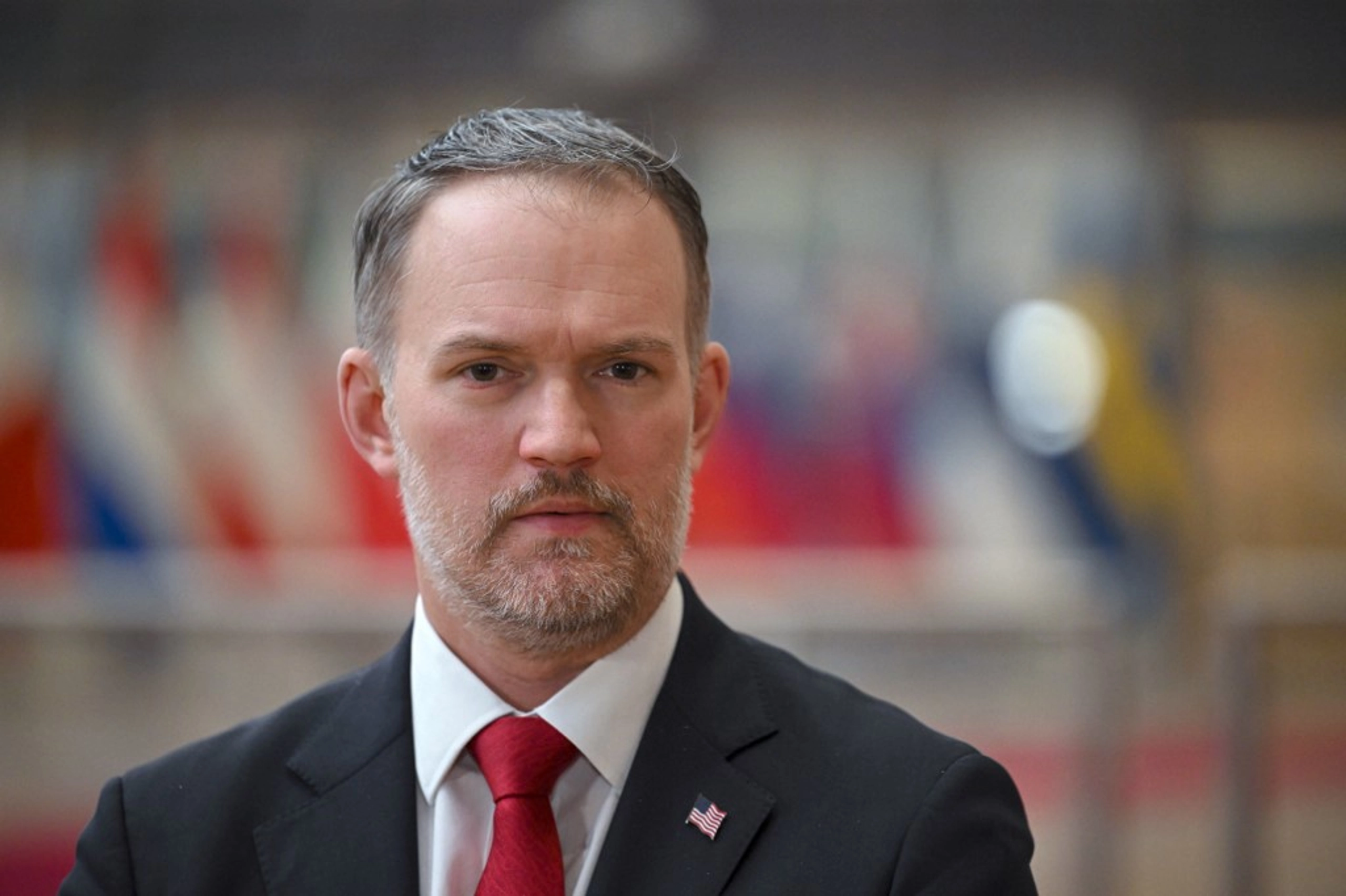
The US trade envoy on Tuesday warned European nations against using its tariff “bazooka” in response to President Donald Trump’s threat to acquire Greenland, saying it would “not be wise”.
French President Emmanuel Macron in particular has urged use of the EU’s anti-coercion instrument (ACI) after Trump threatened tariffs of up to 25 percent on eight European countries.
JOIN US ON TELEGRAM
Follow our coverage of the war on the @Kyivpost_official.
“Every country is going to do what’s in their national interests,” US Trade Representative Jamieson Greer told a small group of journalists at the Davos summit.
“And those have natural consequences,” he said, adding that deploying the ACI “would not be wise”, echoing comments from US Secretary Treasury Scott Bessent at Davos on Monday.
The EU has never deployed the instrument, aimed at dissuading countries from exerting geopolitical pressure on the bloc.
But even as some officials push for talks to de-escalate a crisis that has dominated the Davos summit so far, others are urging the EU to stand up to “blackmail” over the autonomous Danish territory.
Asked about the US response if the EU deems Greenland “non-negotiable”, Greer said “If that’s the case, then so be it.”
“What I’ve found is that when countries follow my advice, they tend to do OK. When they don’t crazy things happen,” he added.
Separately, US Commerce Secretary Howard Lutnick told European countries “to keep the pressure and temperature low” with regards to threats of retaliatory tariffs.
Infantry Up Close, More and Better Bombardment, Helping America ‘Win’
If the EU were to impose tariffs that would change the trade deal it struck with Trump’s administration last July, “it wouldn’t change to the benefit of Europe”, Lutnick told a Davos panel.
The deal imposed a US tariff ceiling of 15 percent on most EU goods, while Britain secured a deal that limits tariffs on most goods to 10 percent.
More broadly Greer said that under Trump, trading partners should not assume that “the US market is going to be permanently available to everyone all the time, forever.”
“If you don’t periodically review and assess whether your level of openness or closed is appropriate, you’re going to have outcomes that are inconsistent with the policy goals at the moment,” he said.
“So there’s always going to be a little bit of uncertainty.”
You can also highlight the text and press Ctrl + Enter