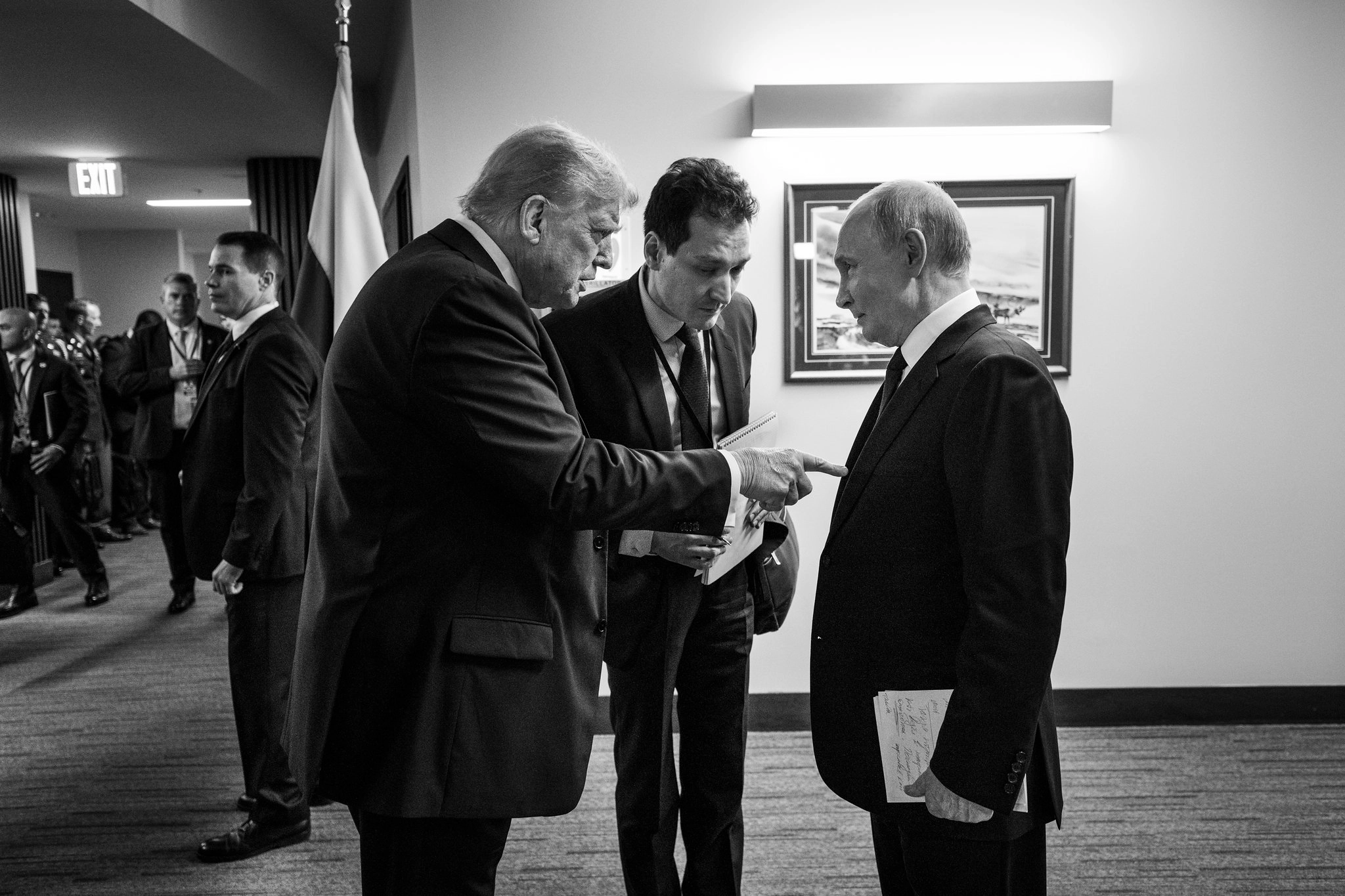
WASHINGTON DC – Donald Trump is betting his “art of the deal” brand can thaw the Ukrainian winter, claiming a humanitarian ceasefire that skeptics fear is already frozen on arrival.
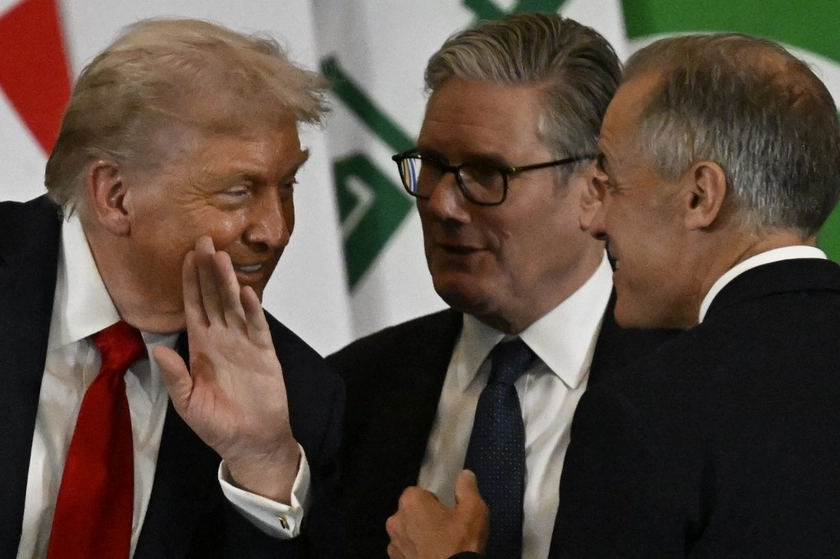
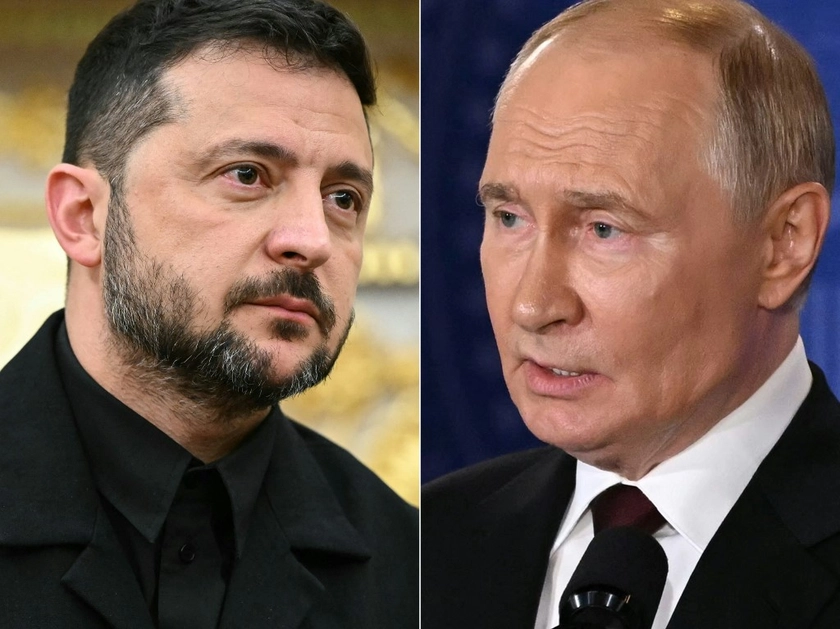
The US president claimed Thursday that Russian President Vladimir Putin agreed to halt the bombing of Kyiv and other Ukrainian cities for one week, after Trump personally appealed for restraint as Ukraine braces for record-setting cold temperatures.
JOIN US ON TELEGRAM
Follow our coverage of the war on the @Kyivpost_official.
But within hours, reports of Russian drone strikes on Chernihiv, Zaporizhzhia and other Ukrainian towns cast doubt on the claim – and sharpened the central question hanging over Trump’s announcement: Is Moscow actually willing to stop?
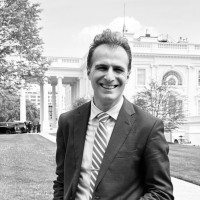
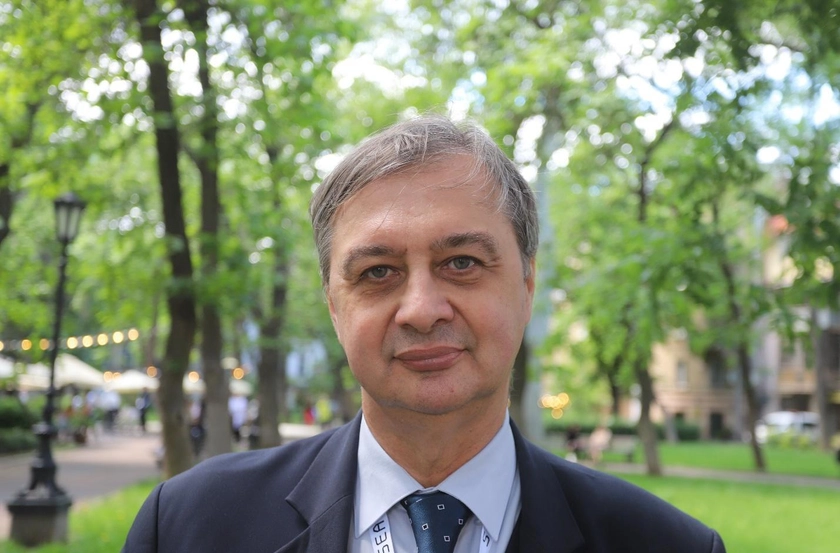
William Taylor, the former US Ambassador to Ukraine, offered a cautious verdict on the news Thursday night. While he welcomed the prospect of a pause, he expressed deep skepticism about Russia’s sincerity.
“If the Russians indeed stop firing weapons at Ukrainian cities – Kyiv and other cities – and against energy facilities… that would be a good thing,” Taylor told Kyiv Post in an interview. “That’s a good first step.”
Then came the caveat: “There is no indication that the Russians are serious about this. There’s no indication that they’ve stopped.”
A weaponized winter
The stakes for a genuine pause could not be higher. Temperatures in Ukraine are expected to plunge to -22 degrees Fahrenheit (-30°C) in the coming days.
Intent in Plain Sight: the Politics of a UN-Recognized Genocide
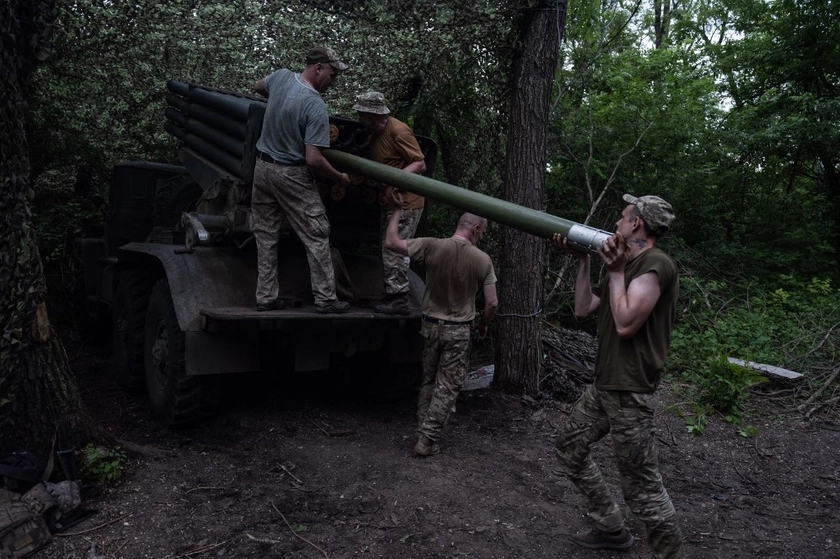
The deep freeze follows a relentless Russian campaign against the country’s power grid – a strategy Ukrainian officials have branded the “weaponization of winter.”
Persistent missile and drone strikes have already triggered rolling blackouts, stripping civilians of heat and water as the mercury drops.
Taylor noted that an energy-focused pause could provide a desperate lifeline, provided it is more than just talk.
“If that Russian bombing can stop on energy facilities to allow Ukrainians heat and electricity, then that’s a good thing,” he said.
President Volodymyr Zelensky has leaned into the possibility, writing on X that he expects the one-week halt to go into effect and that such de-escalation steps “contribute to real progress toward ending the war.”
Diplomatic cross-talk
While Trump touts a temporary halt, his team is signaling even broader movements behind the scenes.
During a Cabinet meeting on Thursday, special envoy Steve Witkoff claimed that talks in the United Arab Emirates have yielded “a lot of progress,” including security and “prosperity” agreements that are “largely finished.”
But Taylor observed a disconnect between the American and Ukrainian accounts of those negotiations.
“There’s a discrepancy between what President Zelensky is saying and what Witkoff is saying,” Taylor noted, pointing out that Zelensky has characterized the security agreement as already “100 percent ready.”
The proposed prosperity package – a massive $800 billion reconstruction framework – has been in the works for months. Finalizing it would be a landmark achievement, Taylor said, but it remains tied to the volatility of the front lines.
“It would be very good if this were to be signed – if these two documents were to be,” he said.
No guarantees without a ceasefire
For Taylor, the issue of timing is non-negotiable. He argued that security guarantees cannot wait for a final peace settlement; they must arrive alongside an end to the violence.
“The security guarantee has to come at the same time as a ceasefire,” Taylor said. “The Russians have to stop fighting. They have to stop bombing Ukraine.”
From his perspective, a seven-day window is far too narrow to build lasting trust.
“We need a full ceasefire, an unconditional ceasefire, indefinitely – not one week, but indefinitely,” Taylor said. Only then, he argued, could Western security guarantees truly reassure Ukrainians that Russia isn’t simply using the “freeze” to regroup for a later assault.
Pressure points Trump could use
Taylor argued the United States still holds significant leverage over Moscow – and that Trump could escalate pressure if he chose.
Sanctions have already cut Russian oil and gas revenues by roughly 20 percent, he said, compounded by Ukrainian strikes on refineries and the so-called shadow fleet.
Trump, Taylor suggested, could go further.
“President Trump could make it very clear to Putin that he will stop the shadow fleet,” Taylor said.
“The second thing… is to provide Ukraine with Tomahawk missiles.”
Looming over all of it, he added, is the roughly $300 billion in Russian central bank reserves frozen in European banks – funds that could be redirected toward Ukraine’s defense and reconstruction.
For now, Trump is selling a diplomatic win measured in days.
But for a shivering Kyiv and a growing chorus of Ukraine watchers, such as Ambassador Taylor, the real measure of success won’t be found in the words spoken in Washington, but in the silence in Ukrainian skies.
You can also highlight the text and press Ctrl + Enter