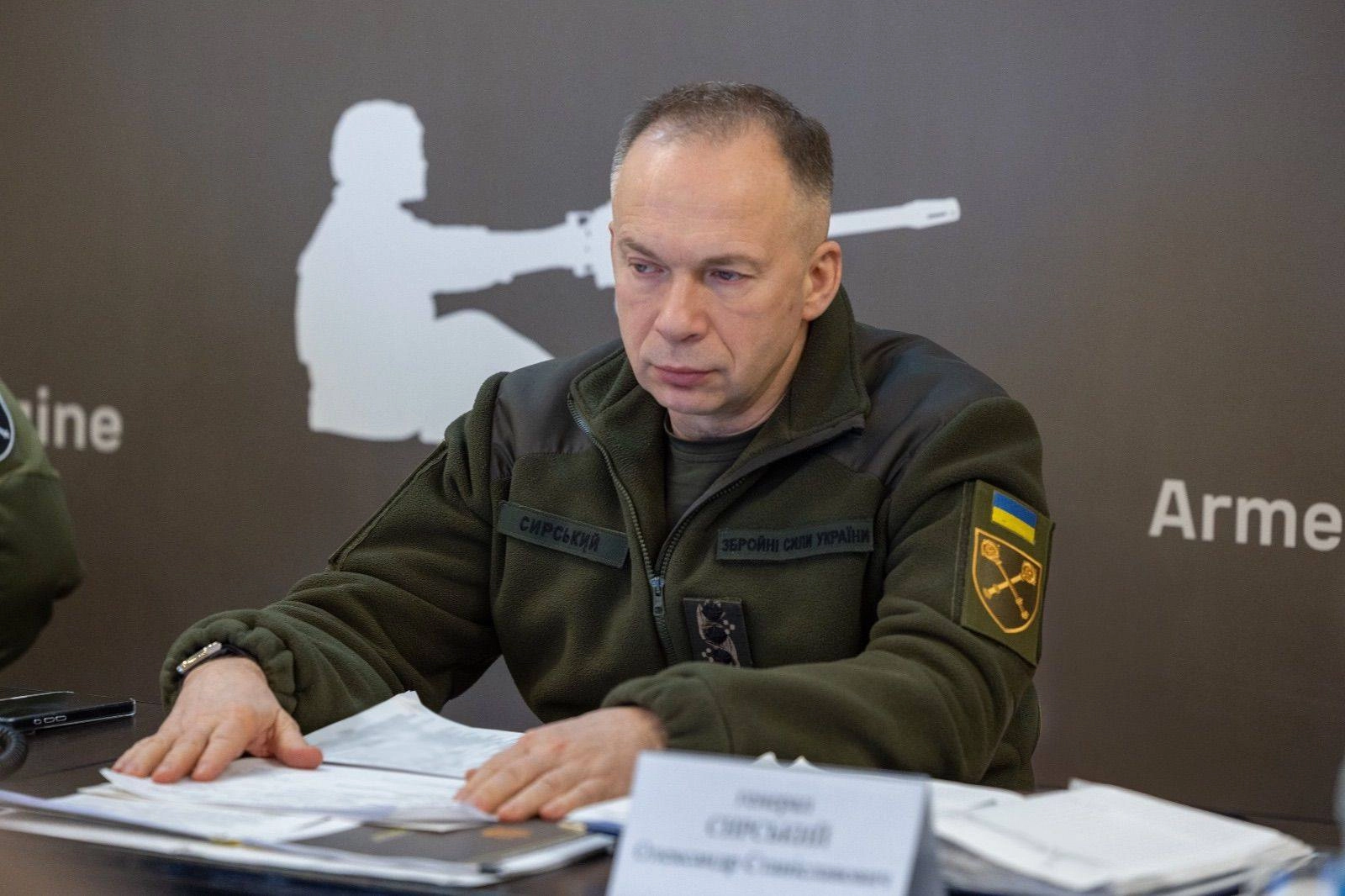
Kyiv plans to establish a new branch of Ukraine’s Armed Forces (AFU) tasked with protecting critical infrastructure as part of broader air defense reforms, AFU Commander-in-Chief Oleksandr Syrsky announced on Thursday.
In a Facebook post, Syrsky said that reforms would include redistributing air defense responsibilities between anti-aircraft missile forces and a newly created branch focused on safeguarding strategically important facilities.
JOIN US ON TELEGRAM
Follow our coverage of the war on the @Kyivpost_official.
Ukraine’s air defense system continues to operate under “extremely difficult conditions” amid constant Russian missile and drone attacks, Syrsky said. According to him, Russia daily launches between 100 and 200 Shahed-type drones at Ukraine, as well as periodic mass missile attacks.
Over the past two years, the overall effectiveness of Ukraine’s air defenses has stood steady at around 74 percent, Syrsky added – although Kyiv plans to improve it through technological upgrades and innovation.
He noted that anti-aircraft missile forces remain the primary all-weather defense component, while aviation, helicopters and interceptor drones are deployed more actively in favorable weather conditions. These combined efforts allow Ukraine to destroy over two thirds of incoming aerial threats.
Syrsky also said the military is increasing the number and quality of interceptor drones in Kyiv’s arsenal, and working with international partners to address missile shortages for air defense systems and fighter aircraft.
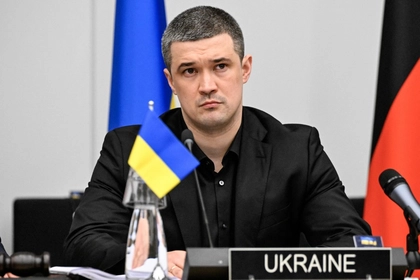
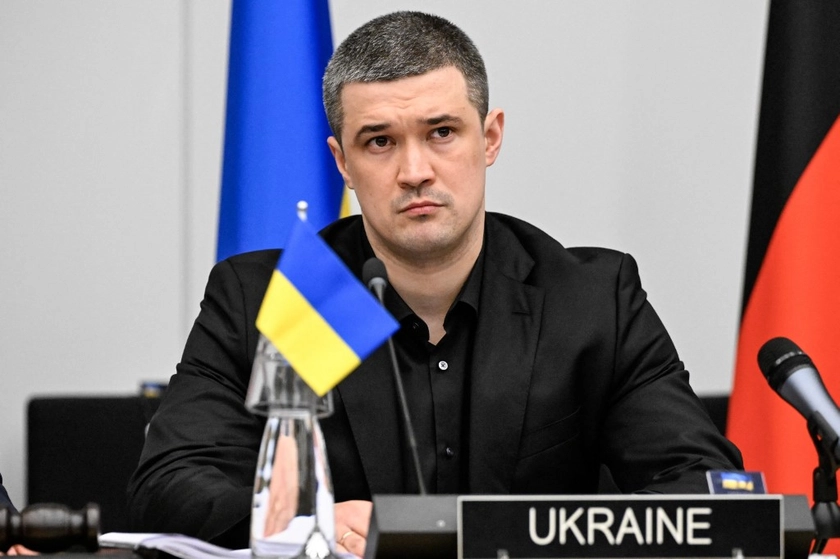
Ukraine Regained Battlefield Initiative but Needs More Aid to Keep It – Fedorov
He added that the resilience of Ukraine’s air defense system depends on steady supplies of interceptors, technological modernization, effective personnel and management decisions, and the ability to quickly adapt to evolving battlefield challenges.
In the early hours of Thursday morning, Russian forces launched ballistic missiles and drones at Kyiv, Dnipro and Odesa. In Kyiv, residential and non-residential buildings were damaged and two people were injured. In Dnipro, four people were injured, including a boy – less than one month old – who was hospitalized in moderate condition. In Odesa region, Russian strike drones targeted civilian and energy infrastructure.
Beginning at around 6 p.m. (Kyiv time) on Wednesday, Russia launched 24 Iskander-M and S-300 ballistic missiles, one Kh-59/69 guided missile and 219 unmanned aerial vehicles, including Shahed, Gerbera and Italmas attack drones. About 150 of the drones were Shaheds.
As of 9 a.m. on Thursday, Ukraine’s air defenses had shot down or suppressed 213 aerial targets. Ukraine’s Air Force said aviation, anti-aircraft missile units, electronic warfare units, unmanned systems and mobile fire groups were involved in repelling the attack.
You can also highlight the text and press Ctrl + Enter