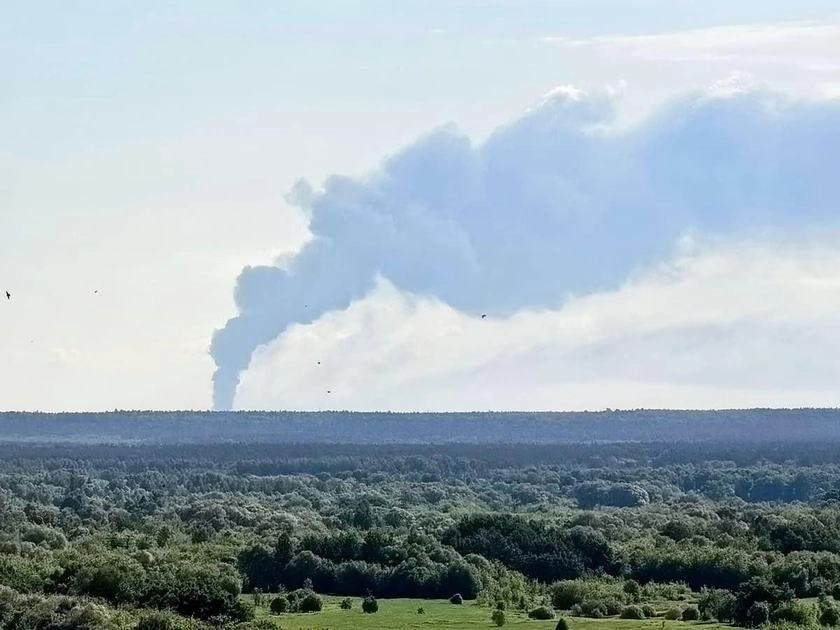
Major General Yevhen Khmara, acting head of the Security Service of Ukraine (SBU), reported to President Volodymyr Zelensky on the successful targeting of several Russian maritime assets in the port of Primorsk.
The joint operation – involving the SBU, Unmanned Systems Forces, Special Operations Forces, Military Intelligence (HUR), and the State Border Guard Service – successfully hit three primary targets:
JOIN US ON TELEGRAM
Follow our coverage of the war on the @Kyivpost_official.
-
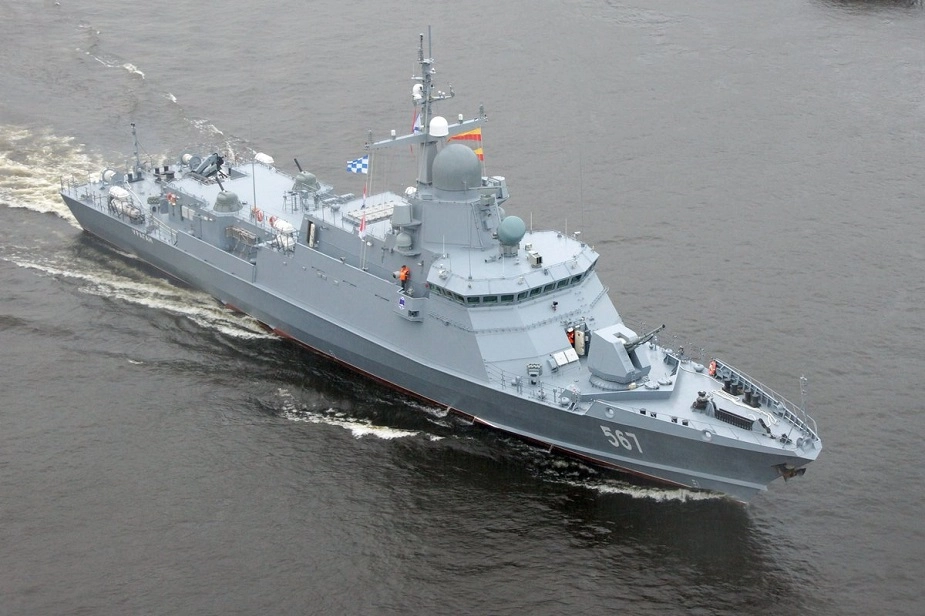
A Karakurt-class missile ship
-
A patrol boat
-
A shadow oil fleet tanker
According to Marine Forum, the Karakurt class, also known as Project 22800, represents a series of small missile ships first commissioned by the Russian Navy in 2018. These corvettes were designed as a more seaworthy, blue-water complement to the Buyan-M-class ships.
Primarily armed with Kalibr or Oniks anti-ship cruise missiles, the class serves as a cost-effective alternative to larger frigates.
Notably, the development of these vessels became a priority after military cooperation with Ukraine was suspended, though construction has faced persistent delays due to difficulties in producing domestic engines.
The infrastructure of the Russian oil loading port also sustained significant damage. Zelensky on Facebook expressed gratitude to the units involved for their coordination, noting that such results directly limit Russia’s military potential.
Furthermore, the president announced he had authorized the SBU to carry out “additional, entirely fair responses” to Russian strikes on Ukrainian civilian areas. He warned that while Russia can end the war at any time, further delays will only lead to an expansion of Ukrainian defensive operations.

Zelensky Mocks Putin’s 15 Failed Deadlines to Capture Donetsk Region
This operation follows a massive overnight drone assault on the Leningrad region, which regional governor Alexander Drozdenko described as one of the largest to date, with over 60 drones reported.
While Russian officials initially claimed the fire at Primorsk was extinguished without an oil spill, OSINT analysts suggested damage to a loading terminal and a “Pantsir” air defense system protecting the site.
The regional threat also forced St. Petersburg’s Pulkovo Airport to implement emergency “Carpet” plans, suspending flights for at least five hours.
The strike aligns with Kyiv’s ongoing strategic campaign to degrade Russian energy logistics and war revenue. Ukrainian forces have previously hit major Baltic Sea hubs, including the Ust-Luga and Vysotsk terminals, and confirmed multiple strikes on refineries deep inside Russian territory throughout April.
You can also highlight the text and press Ctrl + Enter

Russia Hit by 660-Drone Overnight Barrage Targeting Moscow, Crimea and Key Military Sites