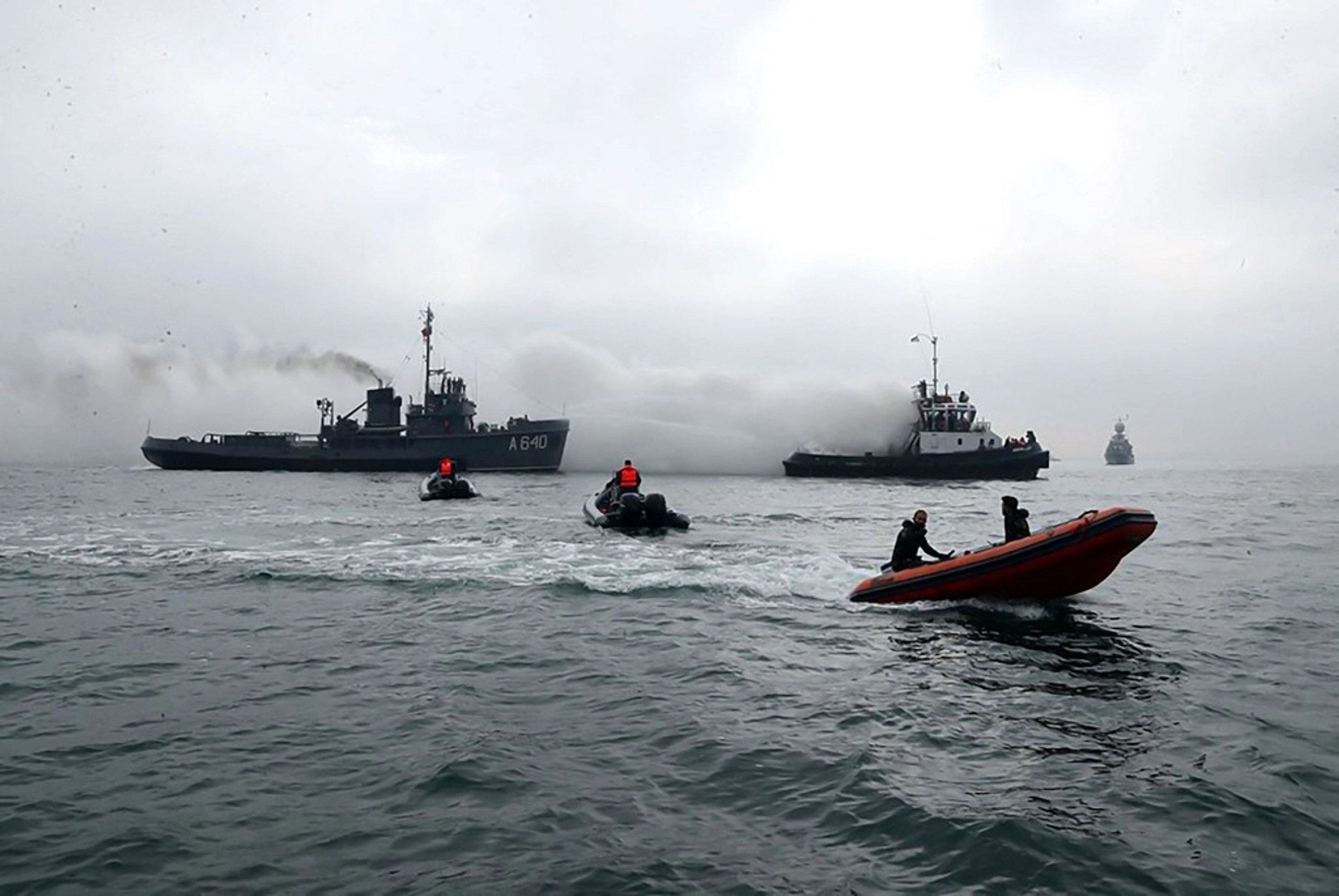
The Caspian Sea has surfaced as a vital logistical lifeline for the Moscow-Tehran alliance, providing a secure route for military and commercial trade that remains entirely outside the reach of the US military.
According to an investigation by The New York Times, this waterway is being used for both overt and covert shipments, allowing Iran to remain a potent adversary in the Middle East despite overwhelming US naval superiority in traditional maritime routes.
JOIN US ON TELEGRAM
Follow our coverage of the war on the @Kyivpost_official.
A corridor for drone technology and food security
US officials, speaking on the condition of anonymity, report that Russia is utilizing the Caspian to deliver critical components for unmanned aerial vehicles (UAVs) to Iran.
This exchange is part of a reciprocal defense partnership: while Iran initially supplied Russia with “Shahed” drones for use in Ukraine, Moscow is now sharing its own advancements and manufacturing improvements with Tehran to help replenish its regional arsenal.
Four Iranian ports along the Caspian are operating 24/7 to process a surge in imports of wheat, corn, animal feed, and sunflower oil.
Tehran is actively rerouting food imports that previously transited through the now-blocked Strait of Hormuz to avoid Western interference.
The perfect sanctuary for sanctions evasion
Analysts describe the Caspian as the “ideal place” for military transport and sanctions evasion. Because the sea is bordered only by five nations (Russia, Iran, Azerbaijan, Kazakhstan, and Turkmenistan), it represents a diplomatic “blind spot” for Washington.
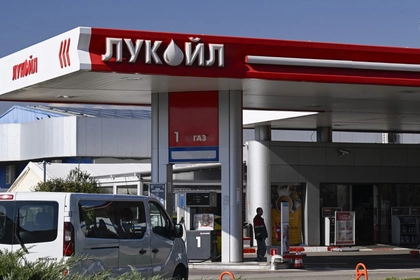
Russian Region Deploys Police at Gas Stations As Fuel Crisis Deepens
Experts have observed a sharp increase in “shadow” vessels in the region that regularly disable their tracking signals to hide the nature of their cargo.
Unlike the Persian Gulf or the Mediterranean, the US has no legal or physical presence in the Caspian to board or inspect suspicious vessels.
The military cooperation extending through this route is increasingly sophisticated. Intelligence reports suggest Russia has considered supplying Iran with advanced short-range drones equipped with fiber-optic controls, which are highly resistant to electronic jamming.
Additionally, President Volodymyr Zelensky has noted that Russia is sharing satellite intelligence with Tehran regarding Israeli civilian infrastructure, drawing parallels to Moscow’s attacks on Ukraine’s energy grid. “All the experience Russia gained during the war against Ukraine is being passed on to Iran,” Zelensky stated.
While the Caspian route cannot yet match the massive oil-export volumes previously handled by the Strait of Hormuz, its role as a secure military and logistical hub ensures that the Russia-Iran axis remains resilient against Western economic and military pressure.
You can also highlight the text and press Ctrl + Enter

Russia Hit by 660-Drone Overnight Barrage Targeting Moscow, Crimea and Key Military Sites