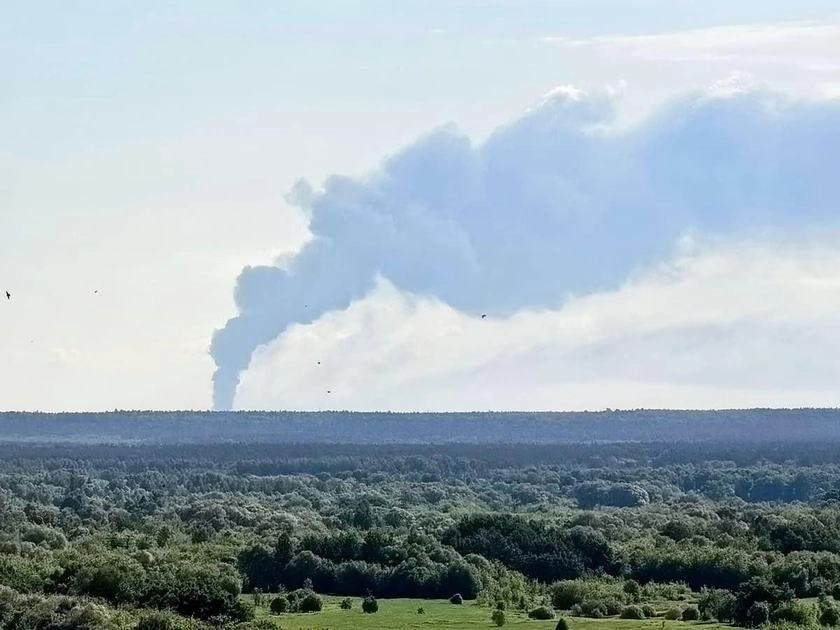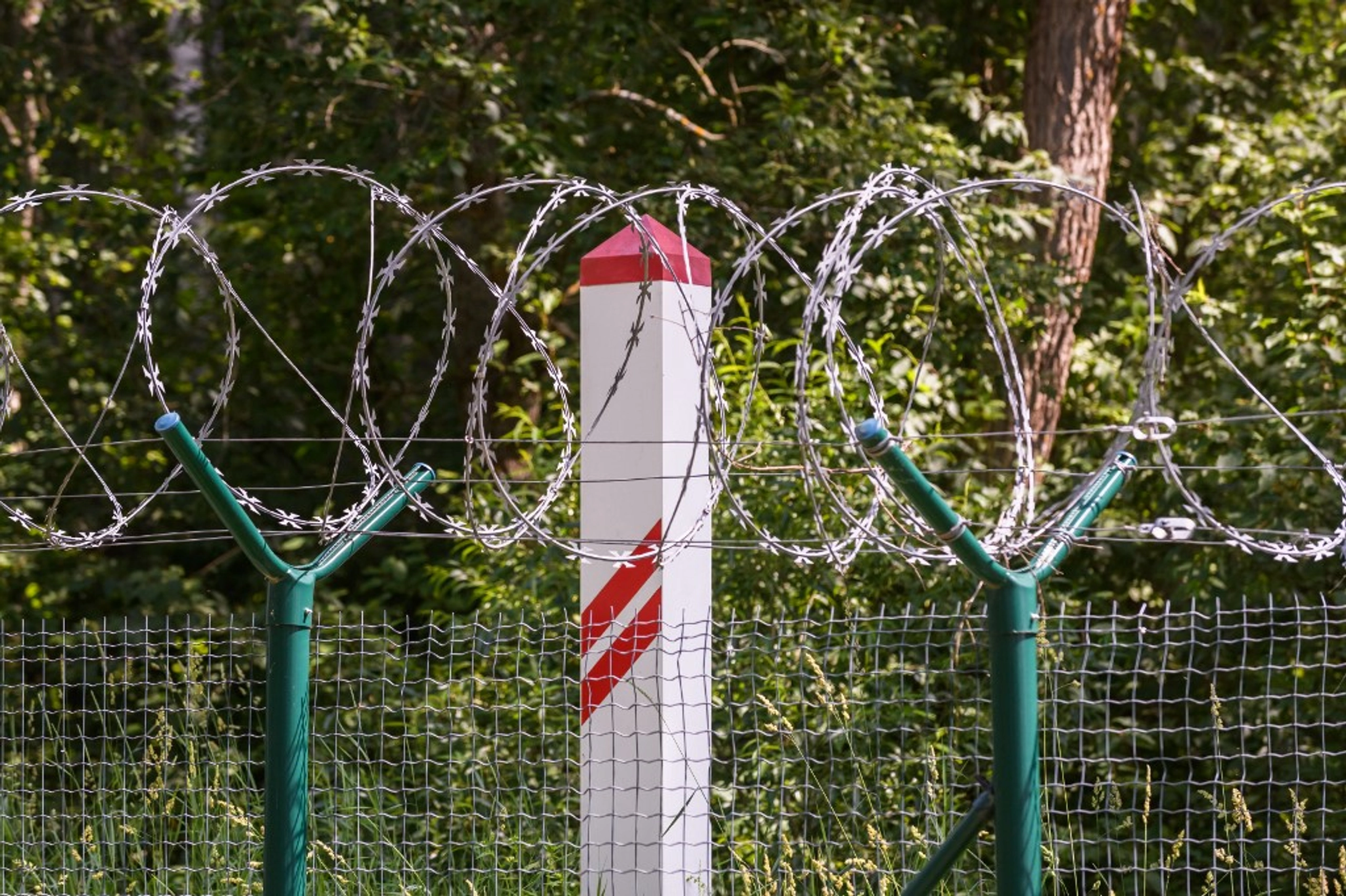
Latvia has been placed on heightened air alert for a third consecutive day amid repeated drone incursions and rising security concerns along its eastern frontier, prompting increased NATO air patrol activity and reinforced air defenses.
The Latvian Armed Forces confirmed that at least one drone was detected in national airspace on Thursday, triggering the deployment of NATO Baltic Air Policing fighter jets.
JOIN US ON TELEGRAM
Follow our coverage of the war on the @Kyivpost_official.
Military officials said allied aircraft were scrambled as a precaution while airspace monitoring continued in real time.
Alerts were issued across the Ludza, Rēzekne, Krāslava, and Augšdaugava regions in eastern Latvia, areas close to the border with the Russian Federation.
“We are continuously monitoring the airspace together with our NATO allies and are ready to respond immediately to any threat,” the Latvian military said, adding that air defense capabilities along the eastern border had been reinforced with additional units.
Residents in affected regions were urged to remain indoors, avoid unnecessary movement, and follow the so-called “two walls” safety rule designed to increase protection from potential blast impact.
Officials also warned that repeated airspace incidents may continue as long as Russia’s war against Ukraine persists, with the country’s proximity to active combat zones increasing the risk of stray or uncontrolled drone activity.
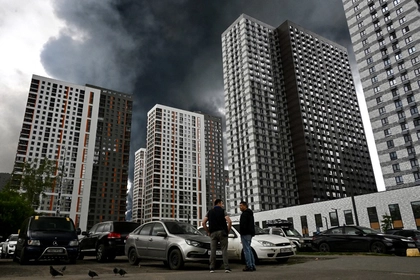
Russia Says It Downed 419 Ukrainian Drones Overnight, Including 56 Bound for Moscow
The latest alerts come after several earlier incidents this month that heightened regional tensions. Latvian authorities previously reported drone-related disruptions in early May, including an incident in Rēzekne that sparked political fallout domestically.
Political fallout
The crisis began on May 7, when two Ukrainian drones entered Latvian airspace from the direction of the Russian Federation and struck an empty oil storage facility in Rēzekne, sparking a fire and triggering immediate scrutiny of Latvia’s air defense readiness.
In the aftermath, Defense Minister Andris Sprūds came under political pressure and ultimately resigned. He defended his record, saying Latvia had significantly strengthened its air defense capabilities, and accused political opponents of exploiting the incident for partisan gain.
Prime Minister Evika Siliņa initially responded by demanding Sprūds step down, citing shortcomings in air defense response times. She later attempted to stabilize the situation by nominating a new defense minister, but the move failed to restore coalition unity as political partners withdrew their support.
The dispute escalated into a broader government crisis, culminating in Siliņa’s resignation on May 14. Her departure dissolved the ruling coalition, although ministers will continue to serve in a caretaker capacity until a new cabinet is formed.
You can also highlight the text and press Ctrl + Enter

Russia Hit by 660-Drone Overnight Barrage Targeting Moscow, Crimea and Key Military Sites