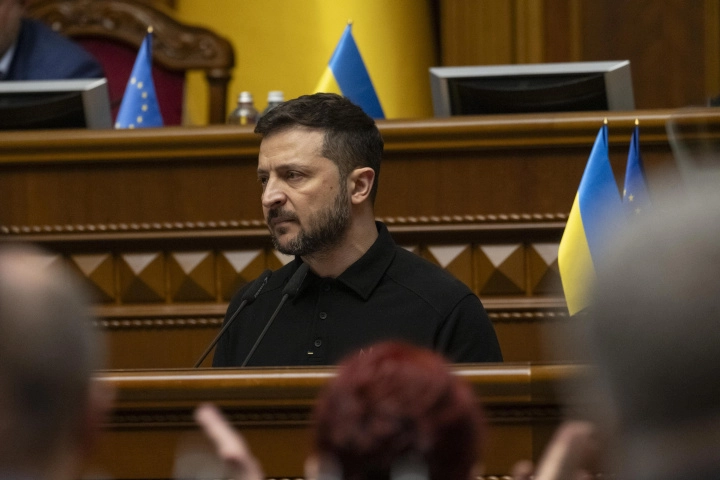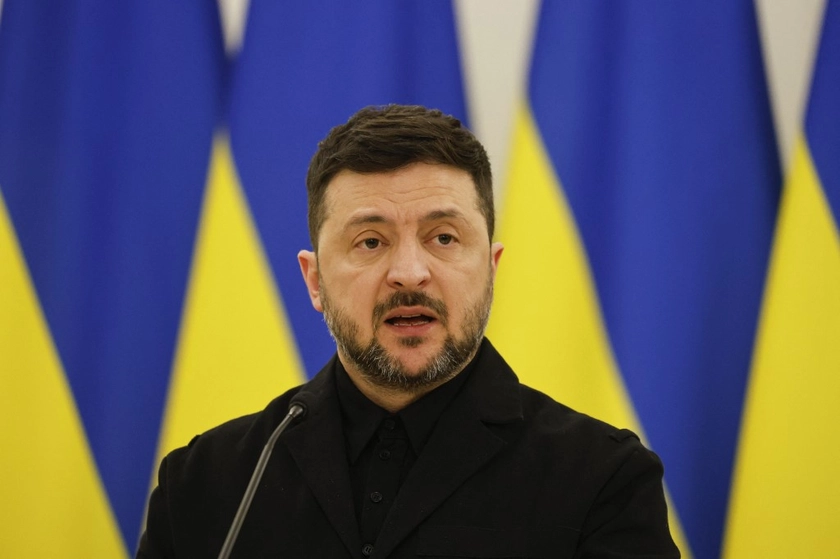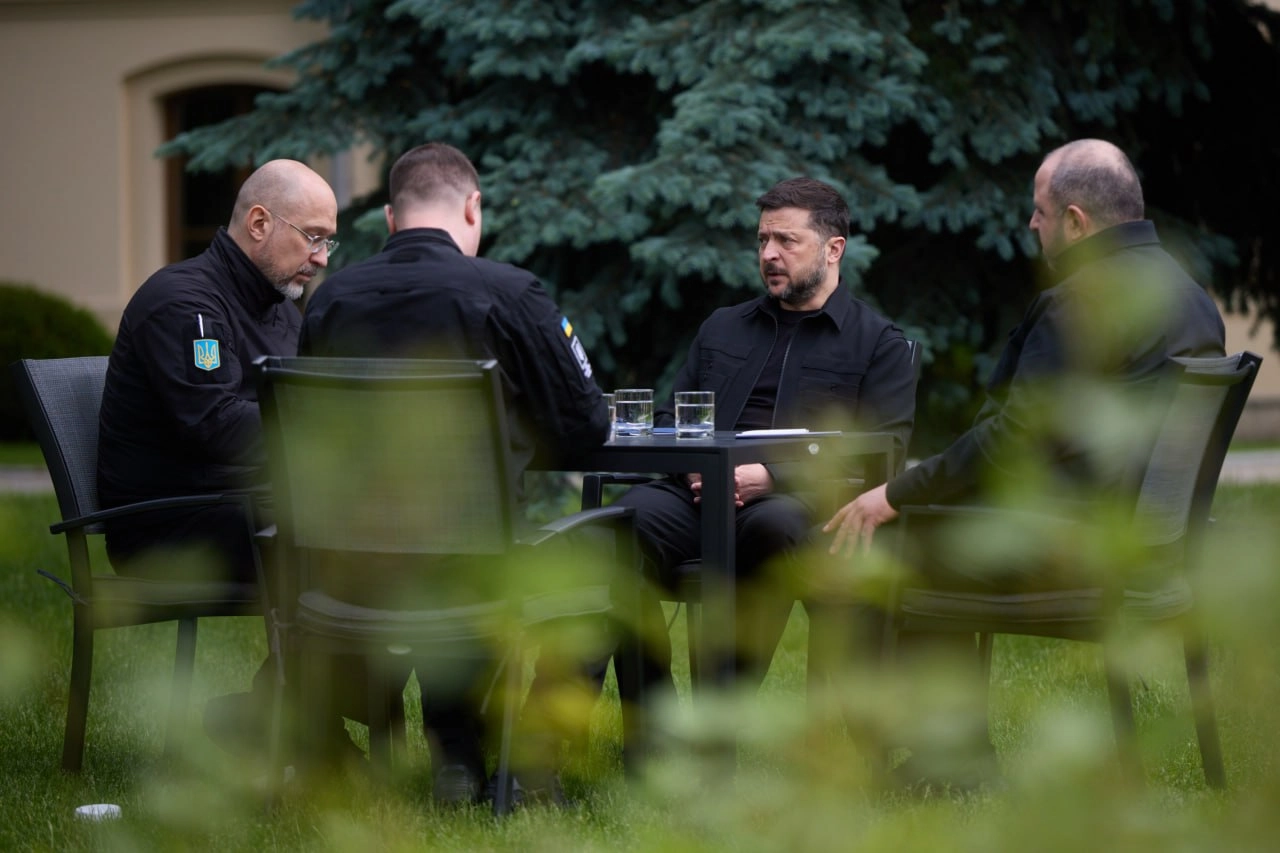
President Volodymyr Zelensky convened a specialized high-level strategic meeting on Saturday with Ukraine’s top defense, intelligence, and government officials, to establish the country’s immediate priorities across international diplomacy, frontline military procurement, and humanitarian operations.
The high-level session included Head of the President’s Office Kyrylo Budanov, Secretary of the National Security and Defense Council Rustem Umerov, and First Vice Prime Minister and Minister of Energy Denys Shmyhal. The meeting served to solidify Ukraine’s stance on critical defense needs as the international diplomatic landscape undergoes a significant recalibration.
JOIN US ON TELEGRAM
Follow our coverage of the war on the @Kyivpost_official.
Prioritizing air defense and an EU ‘drone deal’
In a statement published on Facebook alongside photographs of the briefing, President Zelensky outlined that international diplomacy and military hardware acquisitions remain the primary operational focus for his administration. Ukraine continues to maintain near-daily communication with envoys representing the US President and European partners to monitor the fulfillment of existing hardware supply arrangements.
Looking ahead to the coming weeks, the Ukrainian leadership has established a strict set of priorities for upcoming international negotiations. Securing advanced anti-ballistic air defense capabilities capable of intercepting sophisticated threats remains the top priority for protecting domestic cities and infrastructure.
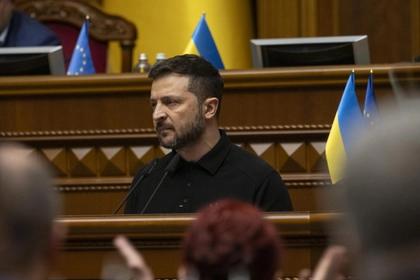
Zelensky Initiates ‘Order of Europe’ State Award
Simultaneously, Ukraine is finalizing specialized bilateral documents to scale up the domestic manufacturing and cross-border supply of unmanned systems, while the administration actively prepares the groundwork to sign a comprehensive “drone deal” directly with the EU.
“We are preparing for important negotiations – for now, without public details,” President Zelensky noted, underscoring the sensitive nature of the pending international summits.
Humanitarian mediation and energy support
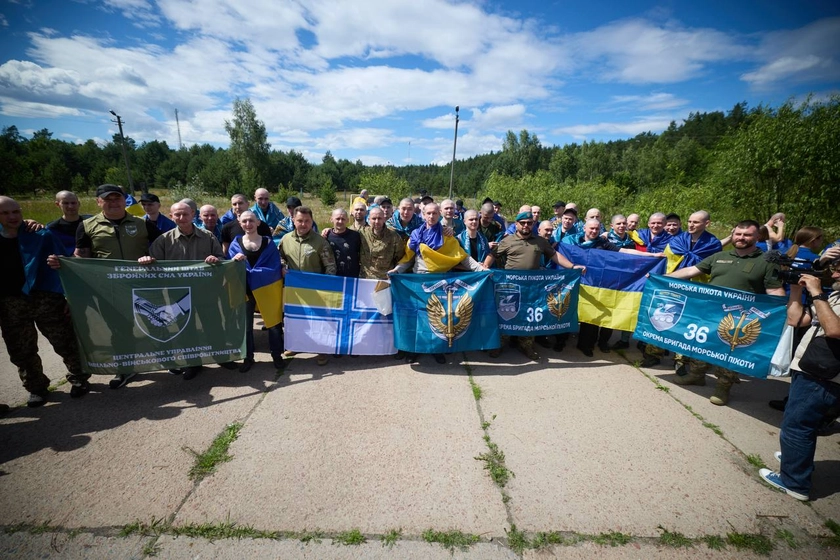
Beyond hard military procurement, the strategic session reviewed the ongoing humanitarian track. Zelensky issued explicit instructions to his team to contact international partners who possess the diplomatic leverage to step up necessary mediation efforts to accelerate previously agreed-upon humanitarian exchanges.
Furthermore, the government is finalizing the technical details of a wave of new international support decisions aimed at reinforcing Ukraine’s heavily targeted energy sector.
Navigating a changing transatlantic landscape
Ukraine’s proactive focus on consolidating its European defense alliances and exploring new mediation channels arrives at a critical juncture. Former US Ambassador to Ukraine Steven Pifer recently noted that Washington’s apparent decision to step back from active mediation in Russia-Ukraine peace talks might ultimately work in Kyiv’s favor.
Pifer argued that US President Donald Trump’s mediation efforts had stalled because the administration mishandled the process, accepted key Kremlin demands early on, and failed to back diplomacy with tangible pressure on Moscow.
This diplomatic assessment was mirrored by US Secretary of State Marco Rubio, who openly acknowledged a lack of progress in Washington’s brokered talks, stating, “If someone else would like to handle it, they should.” According to Pifer, a pause in US mediation costs Ukraine very little, as it reduces pressure on Kyiv to make one-sided territorial concessions while opening the door for European partners – who hold a more direct stake in the outcome of the war – to spearhead a less biased, more balanced mediation effort.
By aggressively locking in long-term drone and air defense commitments directly with European allies, the Ukrainian leadership is effectively insulating its defensive capabilities against shifting political winds across the Atlantic.
You can also highlight the text and press Ctrl + Enter