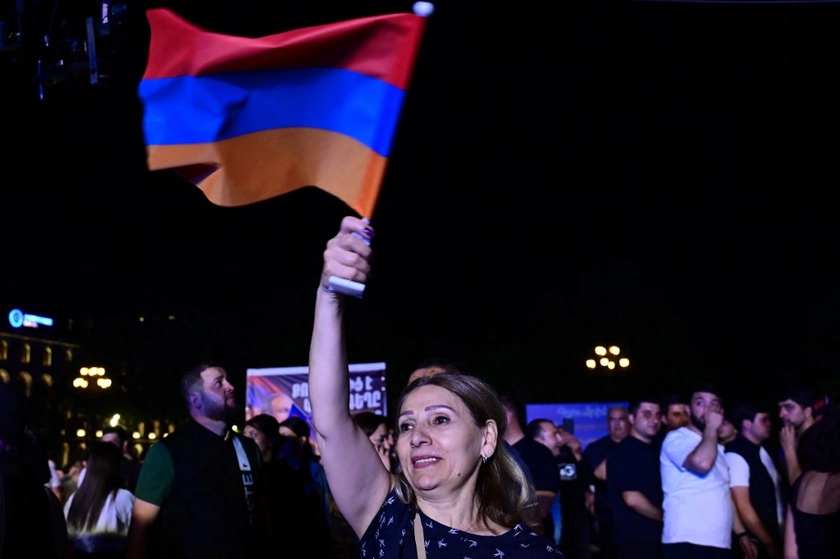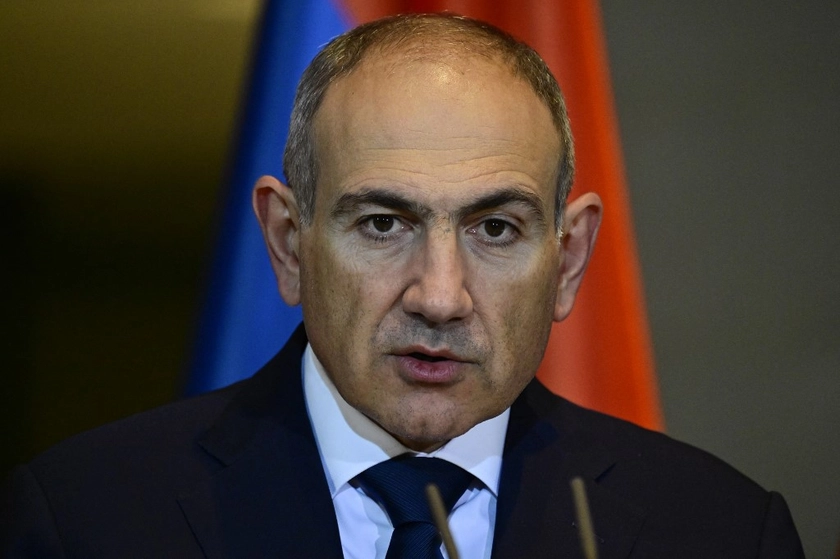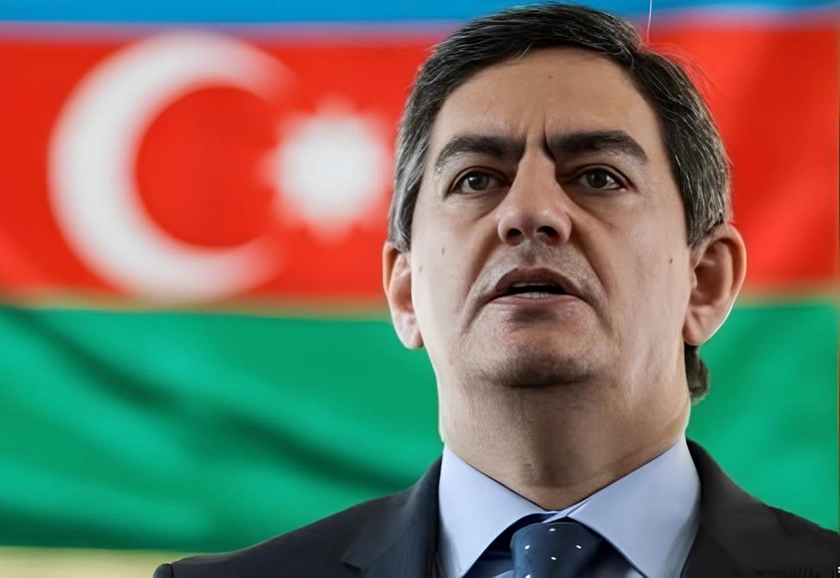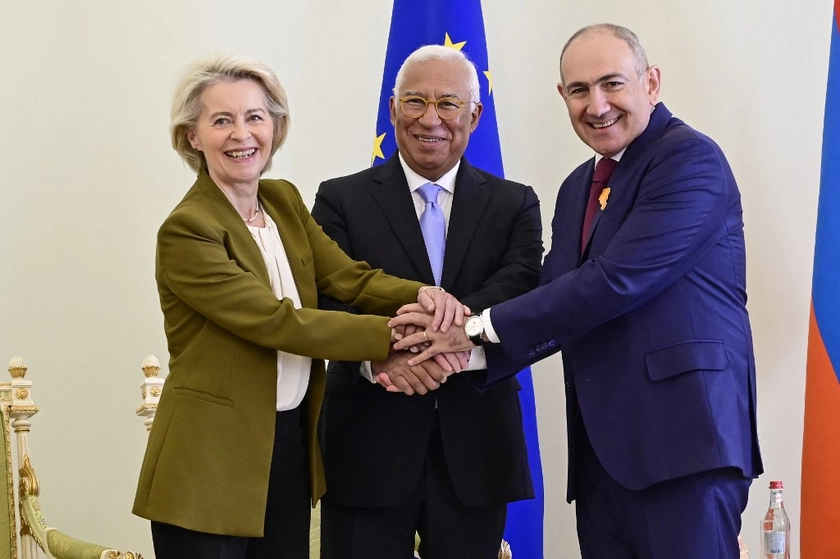
Azerbaijan has become an important point of discussion in Armenia’s pivotal June 7 parliamentary election. But what does Azerbaijan actually want from this vote?
An unusual consensus is emerging in Azerbaijan: many here want to see Armenian Prime Minister Nikol Pashinyan survive the election.
JOIN US ON TELEGRAM
Follow our coverage of the war on the @Kyivpost_official.
This is not because Azerbaijanis have suddenly developed affection for the leader they fought a bloody war against, nor because they have forgotten his past nationalist rhetoric. It is certainly not because Baku views him as a friend.
Rather, Pashinyan, for all his contradictions, is seen as the first Armenian leader willing to resist Russia’s manipulation and permanently close the chapter of war.
Breaking Moscow’s divide-and-rule cycle
For decades, the Kremlin’s playbook in the South Caucasus was simple: use Armenia against Azerbaijan, and Azerbaijan against Armenia.
In the 1990s, Moscow used Yerevan against Baku, a strategy that ultimately cost Azerbaijan 20 percent of its territory and triggered the collapse of Abulfaz Elchibey’s democratically elected government.
Since 2020, the Kremlin appears to have attempted the reverse: using Azerbaijan to weaken Pashinyan and pull Armenia firmly back into its orbit.
But this time, the plan is not working.
The recent absence of border provocations or ceasefire violations suggests that Baku is refusing to give Moscow this leverage.
No major political gifts
Baku certainly understands the trap. Although Azerbaijani President Ilham Aliyev skipped the Yerevan-hosted European Political Community summit, and Baku has neither released the 19 Armenian detainees nor signed a formal peace treaty before the election, its strategic restraint speaks volumes.
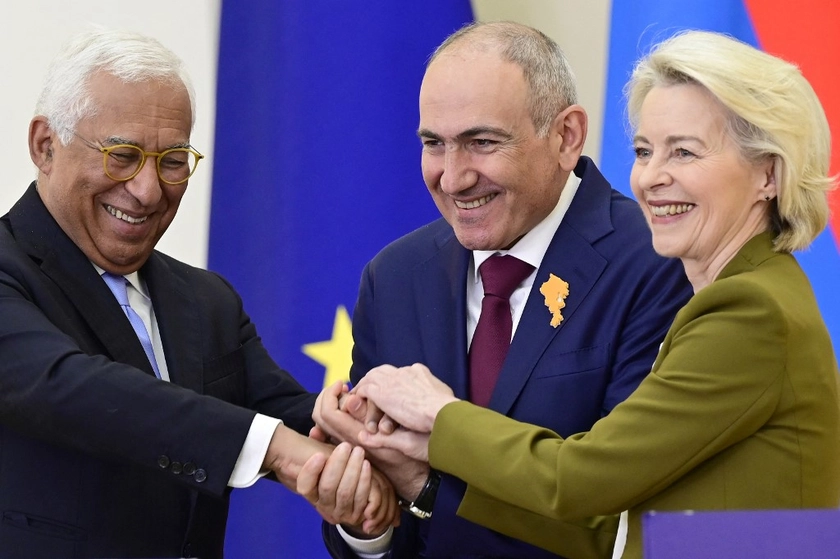
EU Disburses €34M in Support Package for Armenia
Azerbaijan is not offering Pashinyan major pre-election gifts. But it is also refusing to give Moscow what it wants: a manufactured crisis with Armenia.
Baku may not trust Pashinyan, but it has no interest in helping the Kremlin unseat the only Armenian leader who has openly accepted Azerbaijan’s sovereignty and post-war realities.
By staying on the US-brokered peace track and avoiding border escalation, Azerbaijan is denying Moscow the chance to destabilize Yerevan.
Small gestures, bigger meaning
In recent months, Azerbaijan has supplied petroleum products to Armenia and allowed wheat to move through its transit routes. While these trade flows are still small, they are symbolically vital. They prove to Yerevan that a post-Russian regional order is actually possible.
There is a historical precedent. In January 2006, Azerbaijan stepped in to supply neighboring Georgia with gas after Russia abruptly cut deliveries during a freezing winter. Current oil and commodity transits could similarly grow into a viable alternative to Armenia’s total dependence on Moscow.
For years, Russia used energy, trade, and transport to pressure Armenia. Every new practical connection between Baku and Yerevan weakens Moscow’s imperial logic. It breaks the old rule that these two neighbors must remain enemies for Russia to stay powerful.
The street vs. the Kremlin’s billionaires
Azerbaijanis recognize Moscow’s model of “soft occupation” too well. In what Russia still calls its “near abroad” – blizhneye zarubezhye – the Kremlin often deploys locally rooted billionaires, former officials and security loyalists, then presents them as “national saviors.”
In Georgia, this pattern is visible through the role of Bidzina Ivanishvili and the country’s drift away from Euro-Atlantic integration. In Armenia, the same danger is reflected in the rise of Russian-Armenian tycoon Samvel Karapetyan and the continued influence of former President Robert Kocharyan.
Pashinyan may not be perfect, but he won power from the streets with a public mandate, not as a Moscow-backed oligarch. For Azerbaijan, an Armenian leader answerable to his own people is far easier to deal with than one taking orders from the Kremlin.
Choosing reality over revenge
Azerbaijan does not need Pashinyan to love Baku. Ultimately, it wants an Armenian government realistic enough to sign a peace treaty and strong enough to implement it – one that removes territorial claims from its constitution, allows borders to be delimited, and opens regional transport links.
If Armenia can reduce its dependence on Moscow and survive politically, the entire South Caucasus changes. It proves that Russia’s influence is not destiny, and that regional nations can build direct relations without asking permission from an empire.
More than anything, Azerbaijan wants Armenia to choose reality over revenge.
If Pashinyan survives this election, the region will not suddenly become peaceful. But the Washington-brokered peace process may continue, and the Kremlin’s ability to use Armenia and Azerbaijan against each other may weaken.
That is why, from Baku’s perspective, Armenia’s choice is between an imperfect path toward peace and a dangerous return to the old imperial script.
For Azerbaijanis, a sovereign Armenia is better than a Kremlin-managed Armenia. And today, whether Armenians like it or not, Nikol Pashinyan is the politician most closely associated with that choice.
You can also highlight the text and press Ctrl + Enter

Russia Hit by 660-Drone Overnight Barrage Targeting Moscow, Crimea and Key Military Sites