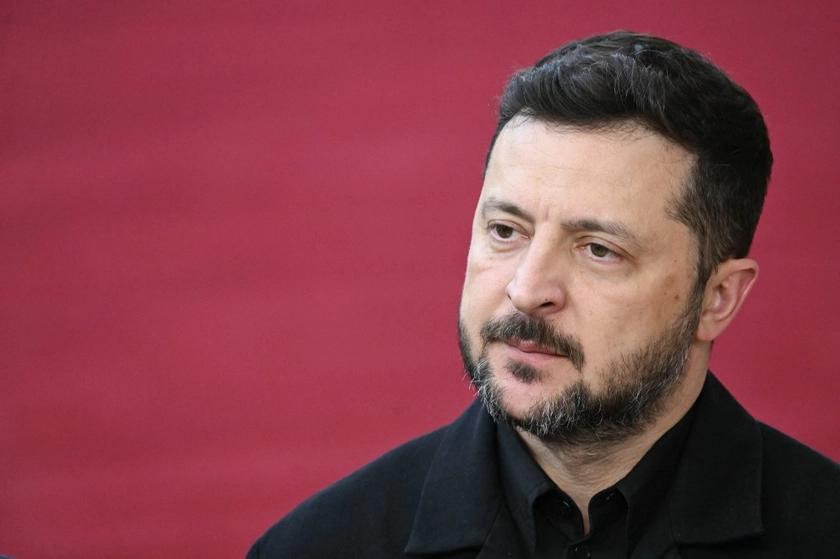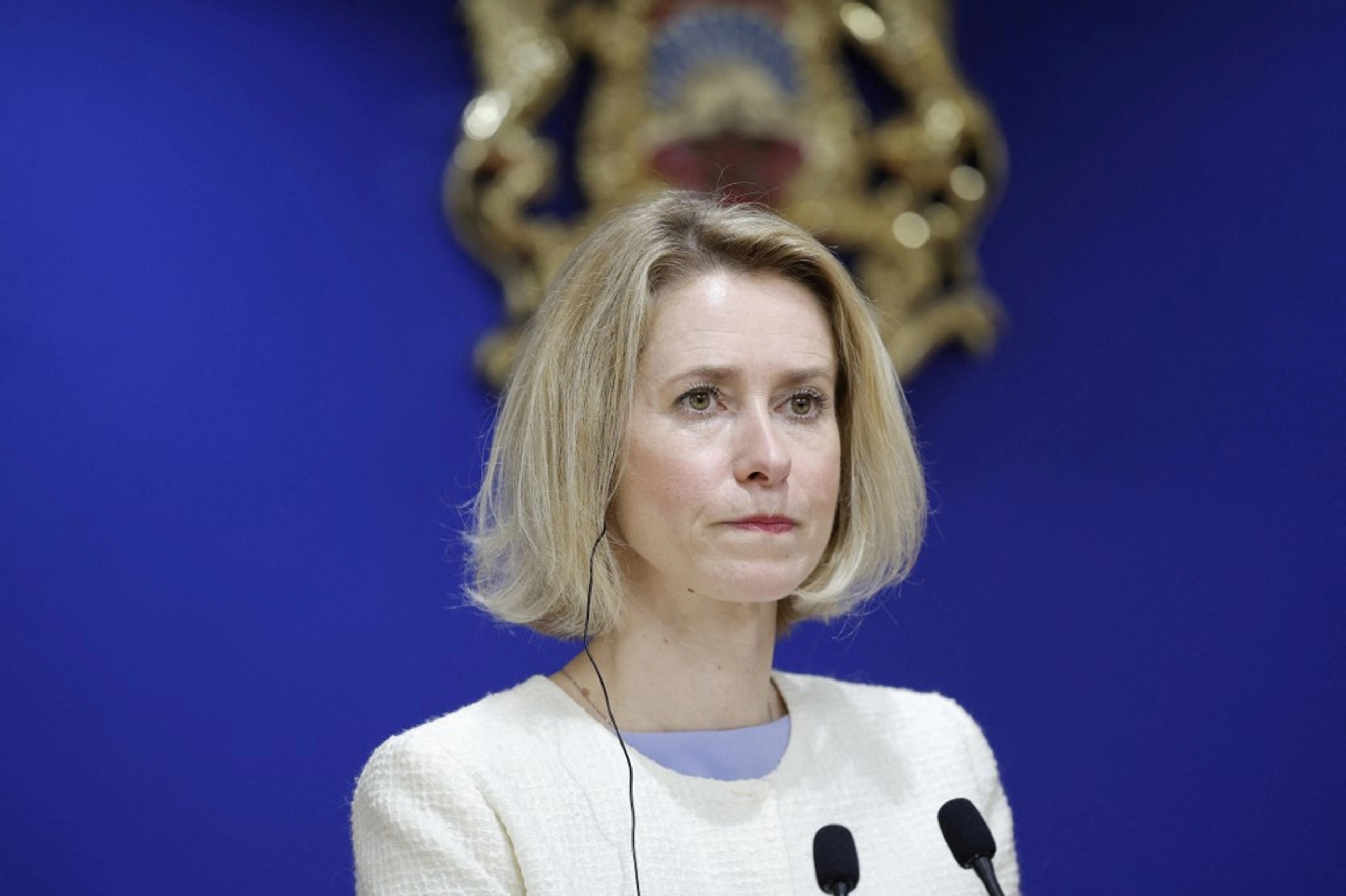
European Union countries have authorized naval vessels operating in the Mediterranean to stop and inspect foreign ships suspected of being part of Russia’s so-called “shadow fleet,” EU foreign policy chief Kaja Kallas announced on Monday.
Speaking ahead of a meeting of EU defense ministers in Cyprus, Kallas said the bloc had expanded the mandate of Operation IRINI, the EU naval mission in the Mediterranean.
JOIN US ON TELEGRAM
Follow our coverage of the war on the @Kyivpost_official.
“Our Operation IRINI has changed its rules of engagement and now allows the detention and inspection of ships,” Kallas said.
She said the move is aimed not only at enforcing sanctions but also at improving maritime safety and reducing revenues Moscow could use to finance its war against Ukraine.
Launched in March 2020, Operation IRINI was originally tasked with enforcing the UN arms embargo on Libya. The mission also monitors illicit oil exports, combats human trafficking, and trains the Libyan coast guard. It is headquartered in Rome.
The decision comes as Brussels tightens pressure on Russia’s network of aging tankers and cargo vessels used to bypass Western restrictions on oil exports.
The EU adopted its 20th sanctions package against Moscow earlier this year, targeting additional ships and services linked to Russian crude shipments.
European countries have increasingly moved against vessels suspected of sanctions evasion.
On May 31, French and British naval forces intercepted the tanker Tagor in the Atlantic Ocean. French authorities said the vessel had sailed from Murmansk under a false Cameroonian flag and may have been carrying Russian or Iranian oil in violation of sanctions.
Stalwart Denmark Announces 30th Military Aid Package for Ukraine
In Sweden, the cargo ship Caffa has remained under arrest in the port of Trelleborg since March after a court ordered it handed over to Ukrainian authorities.
Kyiv says the vessel was used in 2025 to transport grain stolen from occupied Sevastopol to Syria’s port of Tartus while operating under a false flag.
Germany seized the tanker Eventin in March 2025 after it was added to EU sanctions lists, while Estonia detained the tanker Kiwala off Tallinn a month later. Finland also seized the tanker Eagle S in late 2024 over suspected involvement in damage to undersea cables in the Gulf of Finland.
Moscow has condemned the actions. In March, Russia’s Foreign Ministry accused EU states of engaging in “piracy” and argued that the concept of a “shadow fleet” has no basis in international maritime law.
You can also highlight the text and press Ctrl + Enter