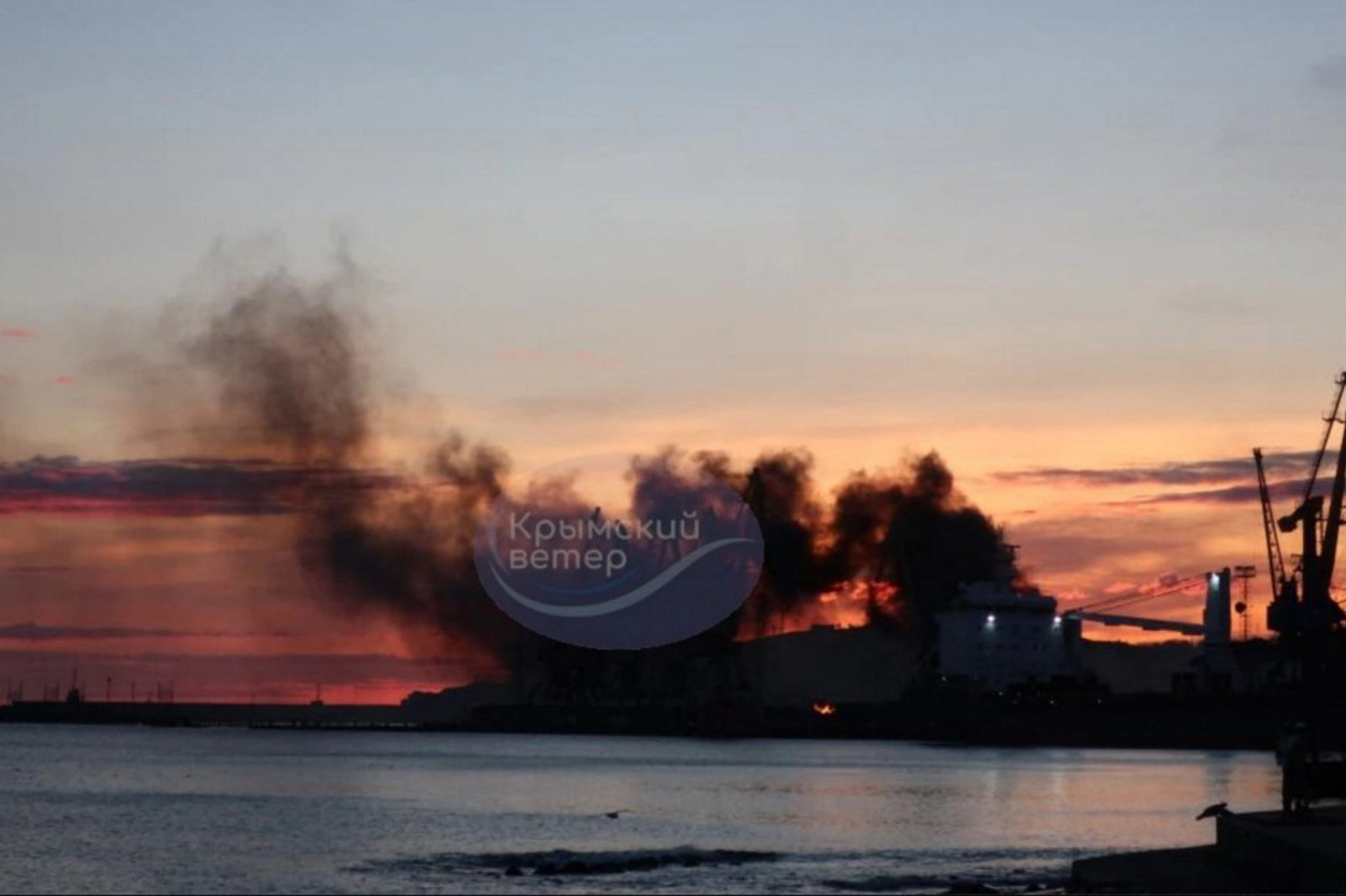
Fuel stations across Russian-occupied Crimea ran out of petrol on Thursday, Reuters reported, as Ukraine intensified strikes on the supply routes Moscow relies on to keep the peninsula connected to Russian-held southern Ukraine.
Reuters witnesses said most petrol stations in Sevastopol, Crimea’s largest city, had no fuel, while a long queue formed outside the only working station in the resort town of Yevpatoriya.
JOIN US ON TELEGRAM
Follow our coverage of the war on the @Kyivpost_official.
The shortages come after weeks of disruption to Russian logistics lines, with Moscow-installed authorities imposing rationing as fuel supplies struggled to reach the peninsula. Some foodstuffs have also reportedly begun running short.
Russian-backed Sevastopol governor Mikhail Razvozhaev said on Wednesday that plans to distribute rationed petrol had been delayed because trucks were unable to bring fuel into the city after recent Ukrainian strikes on supply routes.
Crimea, seized by Russia in 2014, is largely supplied by road and rail through Russian-occupied territories north of the peninsula. Those routes have come under increasing Ukrainian drone attacks.
Fuel had previously also reached Crimea by barge through an oil terminal in Feodosia, but that route was disrupted after Ukraine struck the terminal in April.
The latest shortages coincide with a broader Ukrainian campaign against Russia’s logistics network in occupied southern Ukraine. Kyiv Post reported on Wednesday that Ukrainian forces have been intensifying strikes on the R-280 highway, known by Russian forces as the “Novorossiya” route, a critical corridor linking Rostov-on-Don to occupied Crimea via Mariupol, Melitopol and the Sea of Azov coast.
Ukraine Approves National Pantheon Law to Honor State Builders, Military Leaders and Cultural Icons
Ukrainian troops have dubbed the road the “highway of death,” citing repeated drone attacks on Russian convoys, fuel trucks, ammunition vehicles, bridges and rail links.
According to Ukrainian commanders and open-source analysts, military cargo traffic along the highway has dropped by up to 71 percent in recent weeks amid sustained drone strikes. The campaign is part of what Ukrainian officials describe as a “logistics lockdown” intended to prevent Russian forces from moving supplies safely even far behind the front line.
The pressure has also shifted toward crossings linking Crimea with occupied Kherson and Zaporizhzhia regions. Ukrainian commander Dmytro Filatov told Ukrainian media that Kyiv’s forces had struck the Chonhar bridge, a key route between Crimea and occupied Kherson region, causing what he described as “critical” damage and halting traffic.
He also said Ukrainian forces struck Armiansk, a town on the narrow land corridor connecting Crimea to the mainland, destroying trucks carrying fuel and ammunition.
Additional overnight strikes targeted several crossings, including bridges over the North Crimean Canal and routes near Perekop and Armiansk.
Russian-backed officials in Sevastopol said 33 Ukrainian drones were downed overnight, causing light damage. The Moscow-installed governor of occupied parts of Kherson region also reported damage to bridges after Ukrainian attacks.
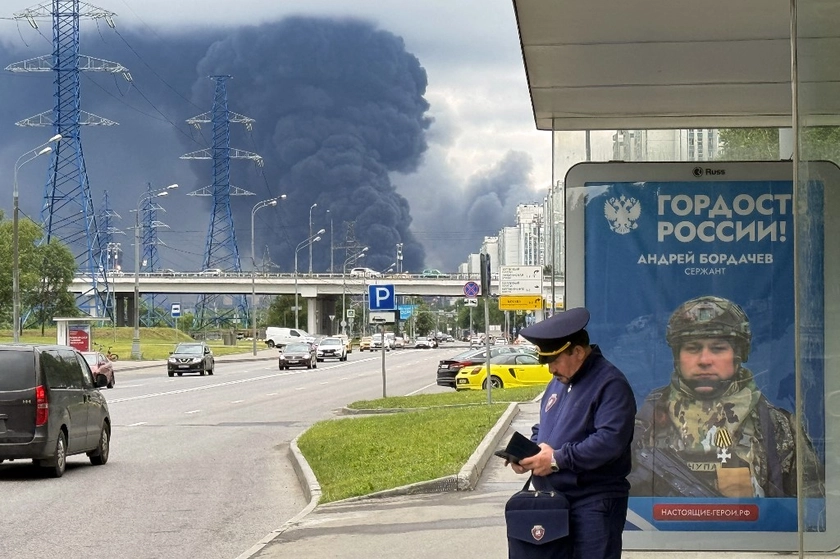
The strikes were not limited to Crimea. Authorities in southern Russia said an overnight Ukrainian attack caused a fire at the Afipsky oil refinery in Krasnodar region, which was later extinguished.
Fuel shortages have also been reported in around a dozen Russian oblasts, according to Reuters, though Moscow has denied any systemic problem. Russian Deputy Prime Minister Alexander Novak said the government was working on a regional forecasting system to identify fuel-market bottlenecks and prevent supply disruptions.
State-owned lender Sberbank has warned that rising fuel prices pose an additional inflation risk for the Russian economy.
You can also highlight the text and press Ctrl + Enter