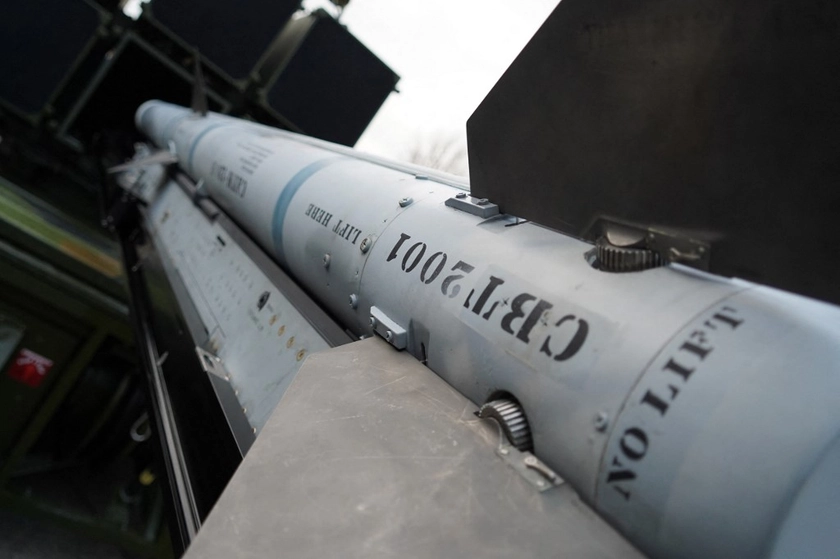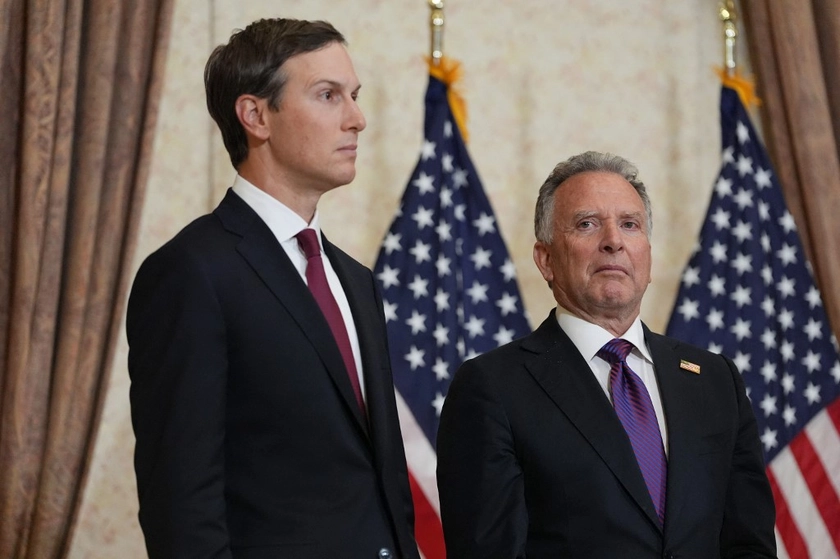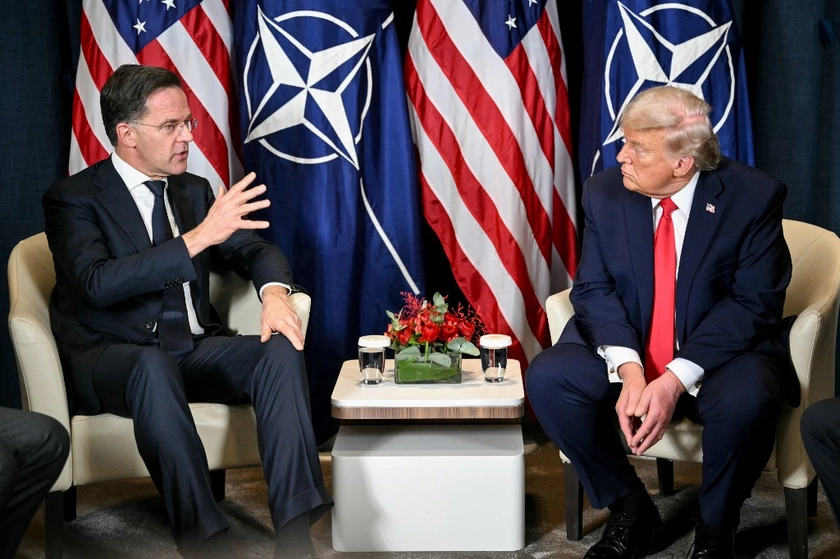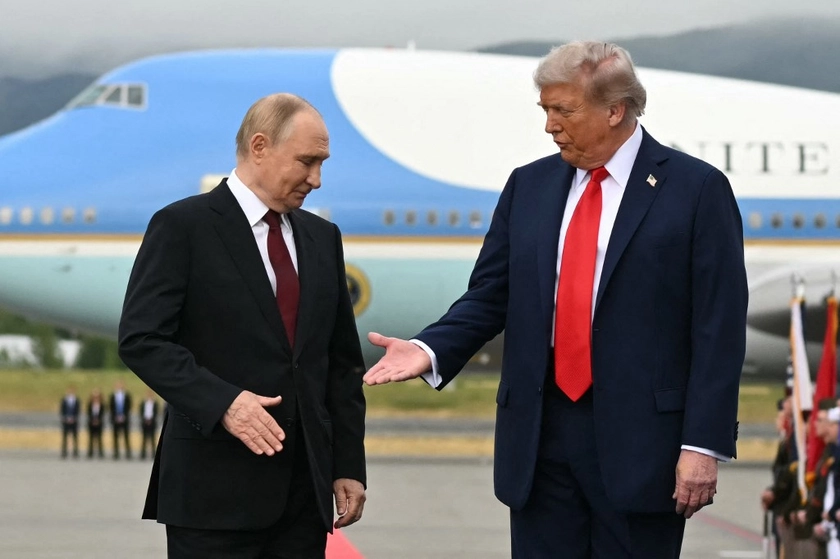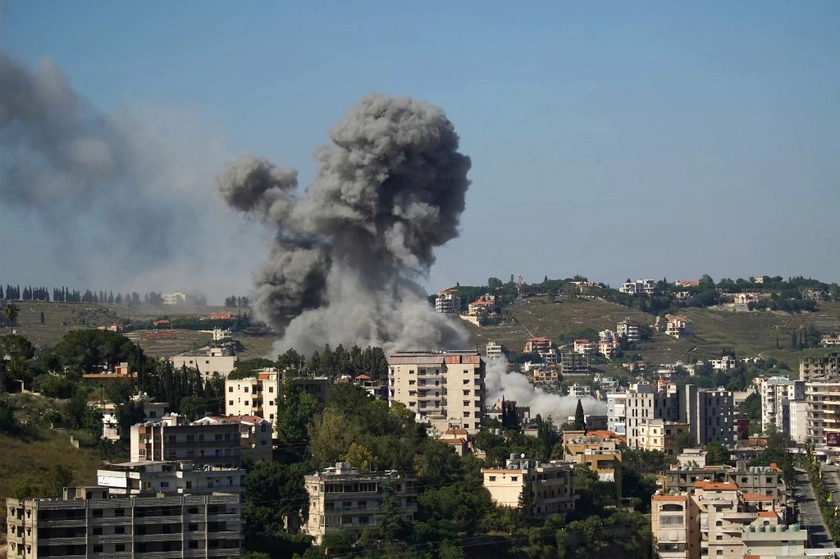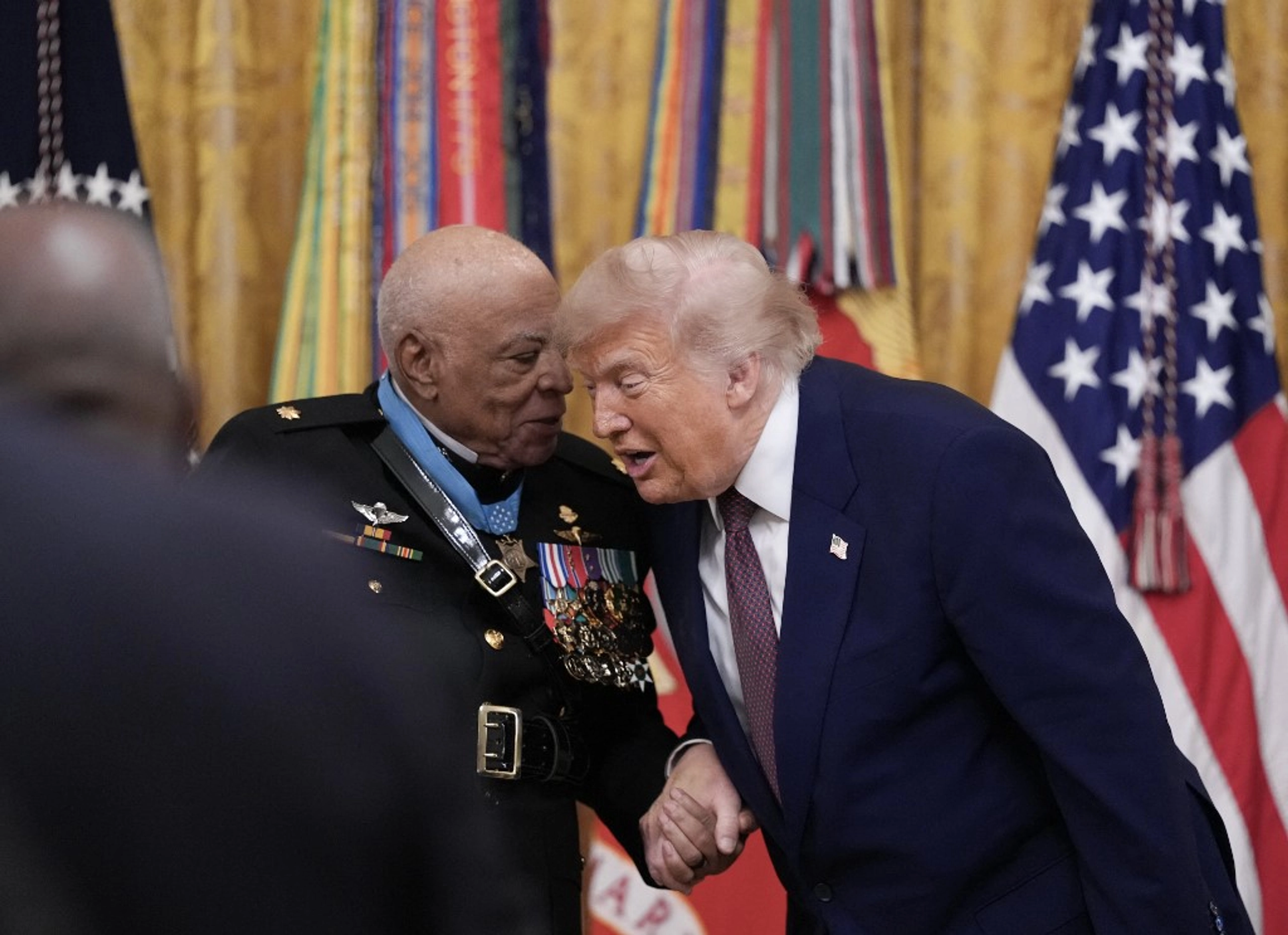
On June 19, the US and Iran formally signed a memorandum ending more than a hundred days of war. Iran’s supreme leader was assassinated in the opening strikes, 13 American servicemen were killed in the conflict and Washington expended a significant share of its precision-munitions stockpile. The outcome, according to the administration’s own allies? A deal that leaves Tehran’s regime intact, its grip on power arguably strengthened, and key questions about its nuclear program deferred rather than resolved.
Israel is furious. US Vice President JD Vance’s response to that fury was not reassurance. It was a public rebuke, telling Israeli leaders to “wake up and smell the reality” of their own isolation. This is what Washington does to allies who object to the terms of a deal US President Donald Trump wants closed: it tells them to get in line.
JOIN US ON TELEGRAM
Follow our coverage of the war on the @Kyivpost_official.
Ukraine should sit with that sentence for a moment.
The lesson nobody wanted to learn this way
Israel is not a junior partner to Washington. It is arguably the most deeply integrated US security relationship on the planet – built over seven decades, reinforced by a domestic political consensus in Washington that survives changes of administration, and sustained by intelligence sharing and joint weapons development.
American presidents of both parties have treated it as close to sacred. If that relationship can be publicly overridden the moment it becomes inconvenient to a deal Trump wants, the question for every other US partner is obvious: What makes you different?
Israel Strikes Lebanon Amid Stalled US-Iran Ceasefire Talks
Ukraine does not have 70 years of institutional depth with Washington. It does not have a domestic political lobby with anything approaching the weight of Israel’s in US politics. It has more than four years of full-scale war, an enormous amount of Western sympathy, and a security relationship built rapidly under wartime urgency rather than decades of careful institution-building. If Jerusalem can be told to accept terms it dislikes, Kyiv’s leverage in a future negotiation looks considerably thinner.
This is not a hypothetical concern. It is precisely the dynamic that has shaped the loudest criticism of Trump’s approach to ending the war in Ukraine: a transactional instinct that prioritizes the optics of a closed deal over the substance of what that deal contains, applied to a partner with far less standing in Washington than Israel has ever had.
The pattern, not the exception
Critics of the Iran deal – including members of Trump’s own party – have called it one of the worst foreign policy outcomes of his presidency. The agreement leaves unresolved precisely the issues that mattered most: uranium enrichment limits, the fate of Iran’s existing stockpile, and whether Lebanon and Hezbollah are even covered by its terms.
What it does deliver, cleanly and immediately, is the appearance of resolution: Trump signing the framework over dinner with French President Emmanuel Macron at the Château de Versailles, then declaring the war “complete.”
This is not a one-off. It is the operating logic of this administration’s foreign policy: speed over substance, optics over enforcement, the deal as the deliverable rather than what the deal actually contains.
The criticism of transactional statecraft was never that it seeks agreements – diplomacy requires agreements. The concern is that the appearance of a deal becomes more important than the long-term stability that deal was supposed to produce. A settlement that freezes a crisis rather than resolving it can create the illusion of stability while preserving the conditions for the next one.
Serbia’s emerging strategic dialogue with Washington follows an identical pattern – a relationship valued not for shared democratic commitments but for rare minerals, military hubs, and strategic utility. Iran’s negotiators understood this and used it. So, increasingly, does Belgrade.
Kyiv would be wise to understand it too – not as an insult, but as an accurate description of how Washington currently operates. The administration is not hostile to Ukraine. It is simply not organized around the kind of patient, values-based commitment that long-term security guarantees require. It is organized around closing deals it can announce.
Why Europe is the answer, not a consolation prize
This is the part of the argument that matters most, and the part most often missed in Kyiv and in Brussels alike: Europe should not be viewed as the fallback option if Washington’s commitment wavers. Europe is the more durable strategic partner precisely because European security guarantees are not contingent on the electoral cycle of a single transactional president.
European institutions move slowly – that critique is fair and well documented. But slow institutional commitment, once made, tends to outlast the political weather. NATO’s Article 5, the EU’s accession frameworks, bilateral defense agreements with individual European states – these are commitments embedded in legal and institutional structures that do not evaporate when one government is replaced by another. Washington’s commitment to Ukraine, by contrast, currently runs through the preferences of one man and his evolving sense of what constitutes a good deal.
This week’s events in the Middle East should accelerate a conversation already underway in European capitals: that the continent’s security architecture cannot continue to be built around the assumption of unwavering US commitment. Ukraine’s defense, in this framing, is not primarily a US project that Europe supports. It needs to become a European project that Washington, when convenient, supports.
A lesson for the whole alliance
What happened with Iran this week is not really a Middle East story. It is a demonstration, delivered with unusual clarity, of how this administration treats the difference between an ally’s interests and the administration’s own deal-making timeline. Israel learned it through public rebuke. Ukraine should not need the same lesson delivered the same way.
Nor should the rest of the transatlantic alliance. Poland, the Baltic states, and every NATO member bordering a revisionist Russia are watching the same signal. So are Washington’s Indo-Pacific partners: Taiwan, in particular, has its own reasons to wonder whether a transactional White House would hold the line on its security commitments if a deal with Beijing ever looked more convenient to close.
The takeaway is not that the US is abandoning its allies outright. It is that American support, under the current administration, comes with a shelf life determined by Washington’s convenience rather than by the partner’s actual security needs.
For Ukraine, and for Europe more broadly, the response cannot be panic. It must be structural adaptation: faster European defense-industrial integration, credible European security guarantees that do not depend on Washington’s continued goodwill, and a clear-eyed recognition that the most reliable ally is the one whose commitments are written into institutions, not into the mood of a single negotiating room.
Iran got a deal this week. Israel got a lesson in how little its objections mattered once Washington decided the deal was done.
Ukraine and the rest of NATO should treat that lesson as a gift, however unwelcome the messenger. It is better to learn it now, from someone else’s experience, than later, from their own.
The most reliable guarantee for Ukraine may ultimately lie not in choosing between the US and Europe, but in building a Europe strong enough that both remain invested in its security – on Kyiv’s terms, not Washington’s timeline.
The views expressed in this opinion article are the author’s and not necessarily of Kyiv Post.
You can also highlight the text and press Ctrl + Enter

Iran Reveals Details of Upcoming Peace Deal with US
Iran Rejects Trump’s Sunday Peace Treaty Timeline