Ukraine’s struggle against Russia’s invasion is fundamentally changing Europe, two Baltic leaders told Euractiv on the sidelines of a conference in Poland.
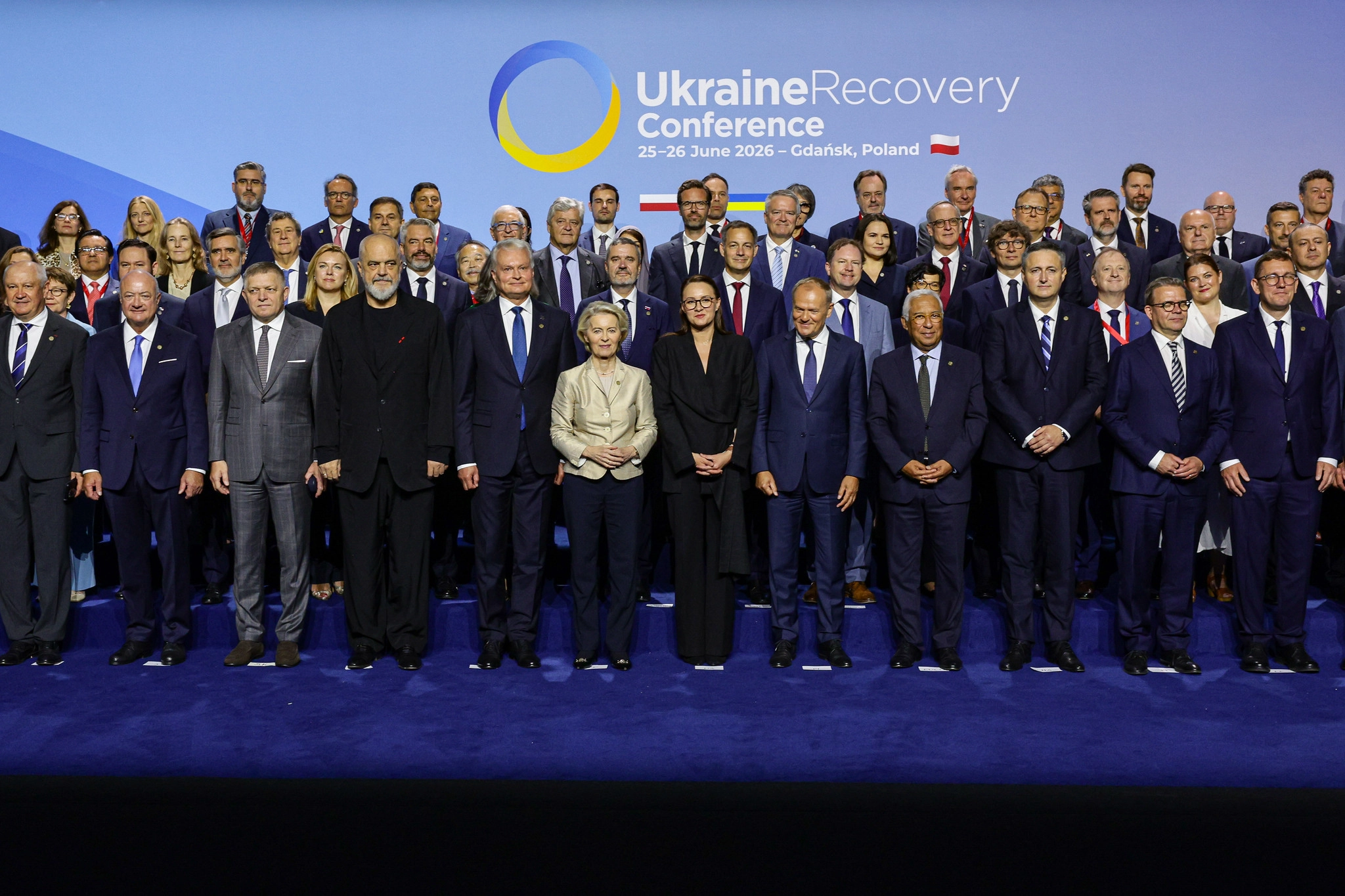
Eastern flank leaders used the Ukraine Recovery Conference last week to argue that Europe’s policy in the besieged country can no longer be treated as a reconstruction or an enlargement file alone. It is a test case of Europe’s ability to adapt to its new world on the regional and global stage.
JOIN US ON TELEGRAM
Follow our coverage of the war on the @Kyivpost_official.
“If we look back in twenty years, this is the moment defence cooperation clicked for the EU,” Estonia’s Prime Minister Kristen Michal told Euractiv in an interview.
“Europe was a project of peace without arms. Now, it will be a project of peace – but with arms.”
“That’s a big difference because if Europe – the wealthiest region in the world – will have arms and the ability to respond to security threats inside and outside, Europe will become a lot stronger.”
For Michal, the shift is not only about military spending. A more capable Europe, he argued, would also become a more credible global player.
“Europe is becoming more popular, globally and everywhere because of free trade, markets and our predictability, which used to be boring. But right now, it’s a commodity,” Michal said.
“For bad reasons, good things are happening for the European future,” he added.
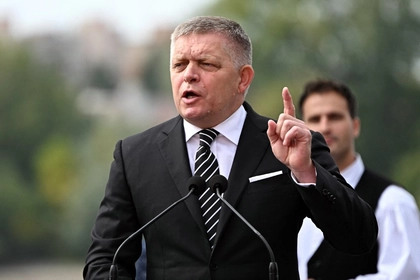
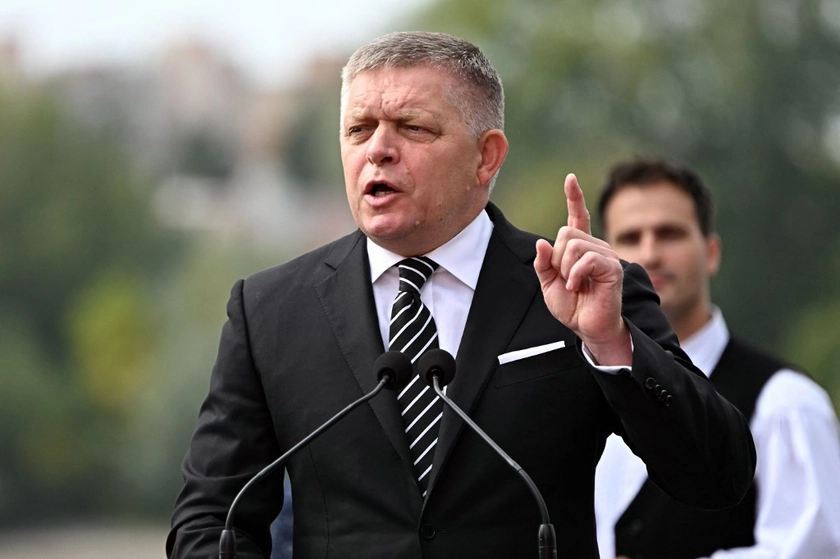
Slovak PM Fico Opposes NATO Arms Funding for Ukraine Ahead of Ankara Summit
Not the time for peace talks
While the EU’s old guard is pushing for direct talks with Russia to end hostilities, the ‘Balts’ are less convinced.
“Time has come to enter into negotiations to freeze the front line and to end the killing,” said German Chancellor Friedrich Merz as the conference was kicking off. The office of António Costa, President of the European Council, also recently reached out directly to the Kremlin to establish direct lines of communication.
Latvia’s new Prime Minister Andris Kulbergs sees it differently. “I do not believe in peace deals,” he told Euractiv – at least “not now”. The task, he argued, is not to prepare for accommodation, but to make sure there is no “weak link” on Europe’s eastern border.
“A secure Eastern Flank is a priority goal that will benefit all of Europe in the short and long term,” a joint declaration by Estonia, Finland, Latvia, Lithuania, Poland, Romania, and Sweden issued on Thursday reads.
Kulbergs – who recently took office on the back of controversy surrounding the previous government’s handling of drones in Latvian airspace – emphasises European armament rather than reaching out to Moscow.
“We have to have a united approach – only then, there won’t be any funny ideas,” he said. “That’s exactly why we have the right neighbours. We first have to trust ourselves. We have to show force.”
Kulbergs is still confident in NATO and US support if Russia ever directly threatened Latvia, or other European allies on the eastern flank.
“I don’t have a doubt,” he said, pointing to Latvian defence investment of up to 5% of his country’s GDP, hitting the target set by the alliance after pressure from Donald Trump. “We’ve done our part.”
His hope for next month’s NATO summit with President Trump in Ankara: “No stupid surprises.”
See the original of this report by Magnus Lund Nielsen here.
You can also highlight the text and press Ctrl + Enter

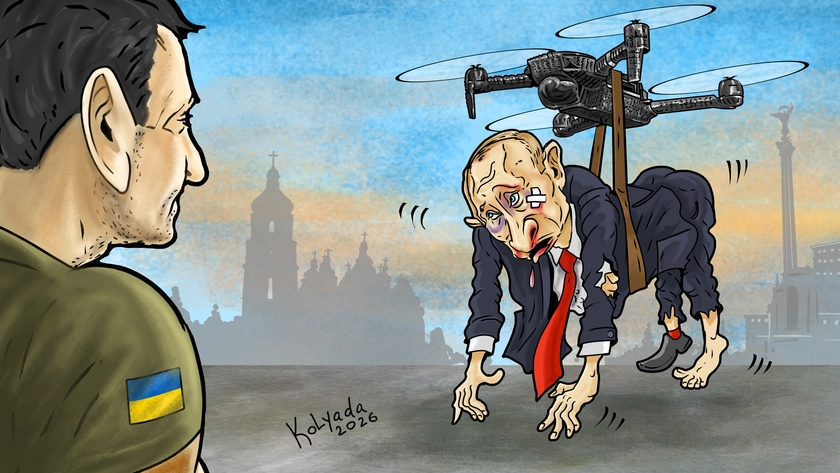
Attack on Moscow Oil Refinery: Putin Under Pressure?