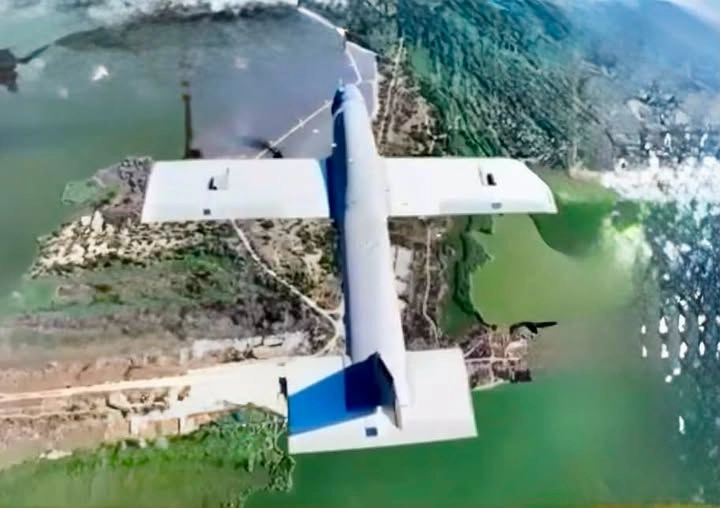
Russia has begun mass-deploying an autonomous version of its “Molniya” attack drone equipped with artificial intelligence in Ukraine’s southeastern Zaporizhzhia region.
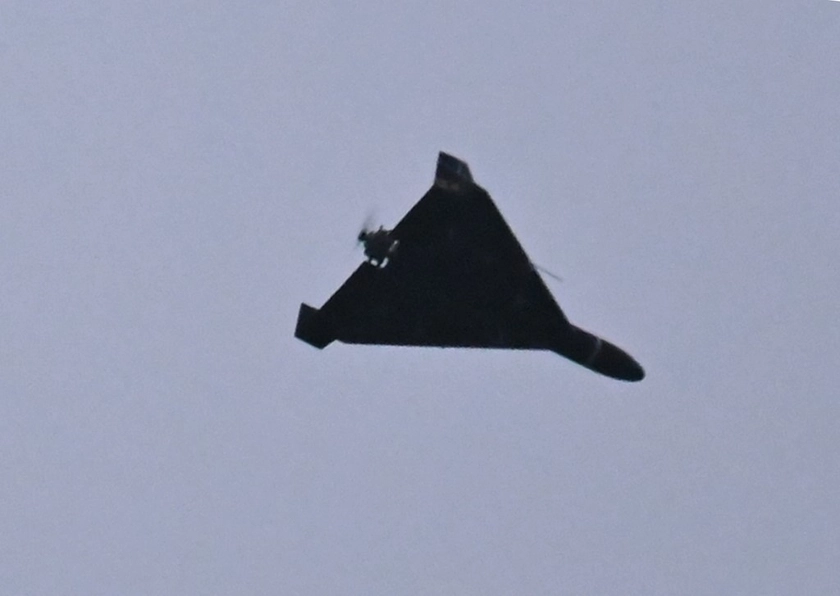
Serhii Beskrestnov, a Ukrainian military technology expert and adviser to the defense minister, better known by his call sign “Flash,” said on Friday that the newly upgraded drone model can operate autonomously, marking another step in Russia’s increasing use of AI-enabled battlespace technology.
JOIN US ON TELEGRAM
Follow our coverage of the war on the @Kyivpost_official.
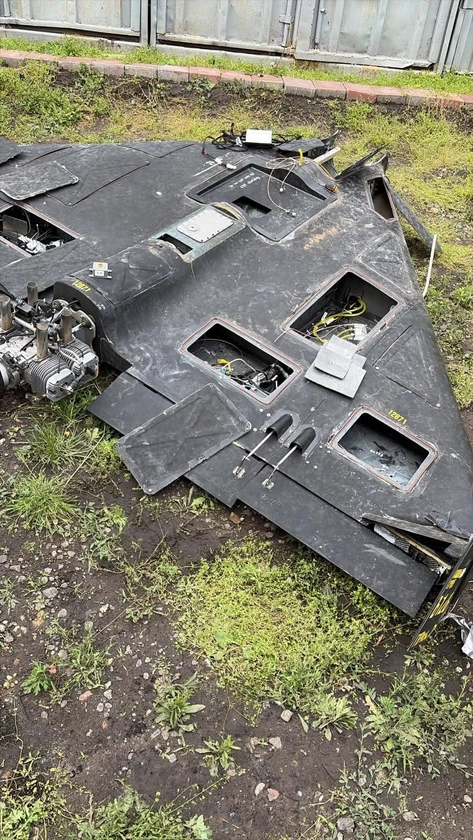
“This is what the autonomous version of the ‘Molniya’ with AI that I wrote about looks like. The enemy has begun using them en masse in Zaporizhzhia,” Beskrestnov wrote on Facebook alongside a photo that he said showed the new drone.
He warned that conventional drone detection systems may no longer provide sufficient warning against the new threat.
“Drone detectors no longer save you. Stay alert,” he said.
According to the ensuing Facebook discussion, the drone has a low radar cross-section, reduced IR signature, and by operating autonomously its electronic emissions are almost nil since it doesn’t have to communicate with a UAV operator, which could delay detection significantly.
Beskrestnov added that Ukrainian forces would determine how to counter the new system without publicly disclosing operational details, while his priority was to alert both the military and the public to the emerging threat.
Ukraine Says China Ignored Evidence Linking Its Components to Russian Weapons
Russia upgrades ‘Molniya’ drone fleet
The reported deployment comes as Ukrainian military intelligence says Russia has significantly upgraded the Molniya drone family with new reconnaissance and communications capabilities.
According to the Ukrainian Defense Intelligence (HUR), the latest Molniya-2R variant has been converted from a one-way attack drone into a dedicated reconnaissance platform. Instead of carrying a warhead, it is equipped with a Raspberry Pi 5 microcomputer, a Chinese-made mini PC, an additional stabilized camera with 10x optical zoom, and a Starlink satellite terminal that enables long-range video transmission and control while making the drone less vulnerable to electronic warfare.
You can also highlight the text and press Ctrl + Enter