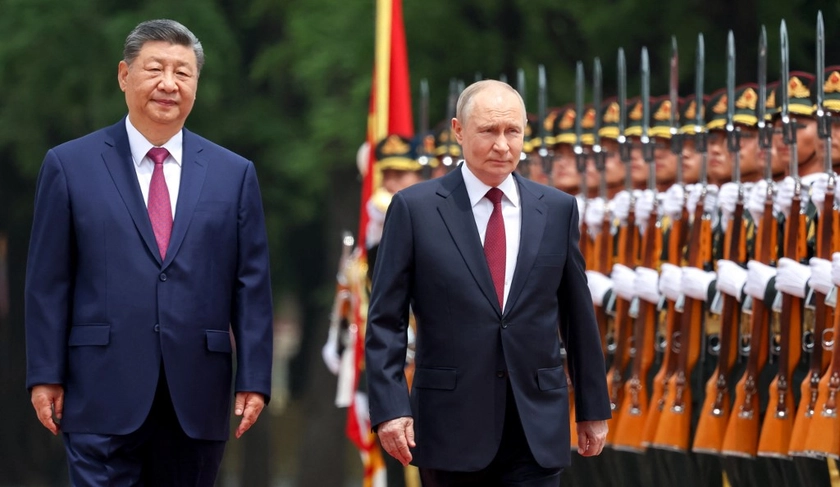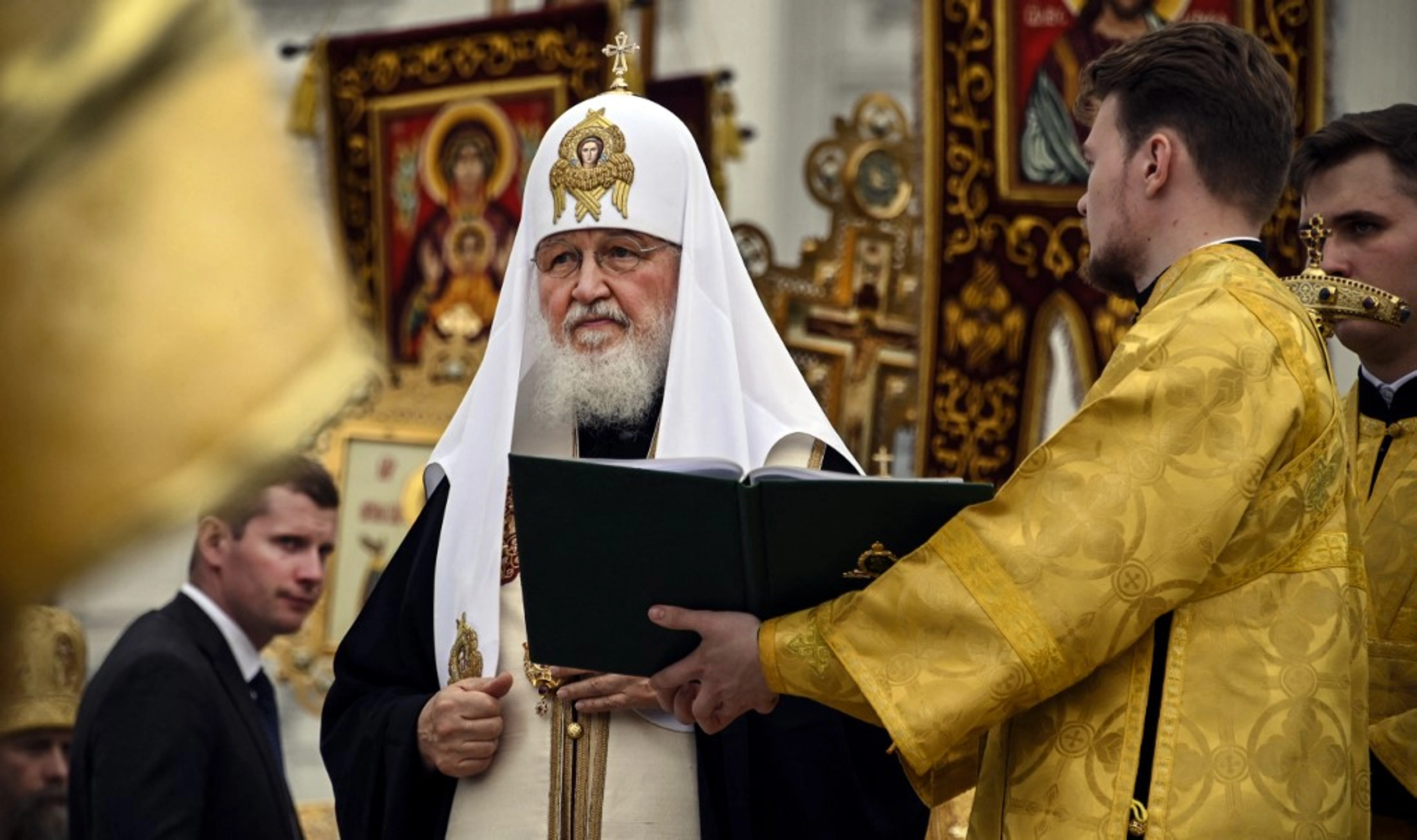
Italy has joined Bulgaria in raising objections to European Union plans to sanction Russian Orthodox Patriarch Kirill, an outspoken ally of the Kremlin leader Vladimir Putin who has repeatedly defended Russia’s invasion of Ukraine.
EU foreign policy chief Kaja Kallas proposed a visa ban on Kirill as part of the bloc’s 21st sanctions package against Russia, but was met with resistance from Bulgaria due to its large Orthodox population, as well as formal “reservation” from Rome.
JOIN US ON TELEGRAM
Follow our coverage of the war on the @Kyivpost_official.
Three EU diplomats who confirmed the information spoke on condition of anonymity to Politico. According to one of them, Rome’s concern stems from the Vatican and centers mainly on unease about sanctioning the leader of a Christian denomination.
A spokesperson for Italy’s permanent representation to the EU reportedly declined to comment on the matter.
Kirill’s role in backing the war
Patriarch Kirill, the head of the Russian Orthodox Church, has been one of the most prominent religious figures in supporting Russia’s invasion of Ukraine, framing the war as a historic battle against the “forces of evil.”
The Security Service of Ukraine (SBU) filed criminal charges against him in absentia a year into the war, in 2023, accusing him of “justifying” the invasion and being part of the inner circle of Russia’s political and military leadership.
Other senior Russian Orthodox clergy have echoed similar rhetoric tying the war to religious and moral themes. In February, Bishop Pitirim Tvogorov of the Skopin Diocese claimed that occult practices and abortions in Russia had angered God and prolonged the conflict, remarks that drew criticism as part of a broader pattern of Russian religious leaders framing the invasion in spiritual terms.
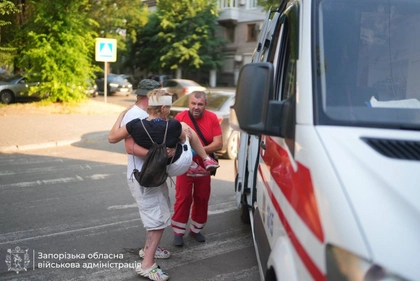
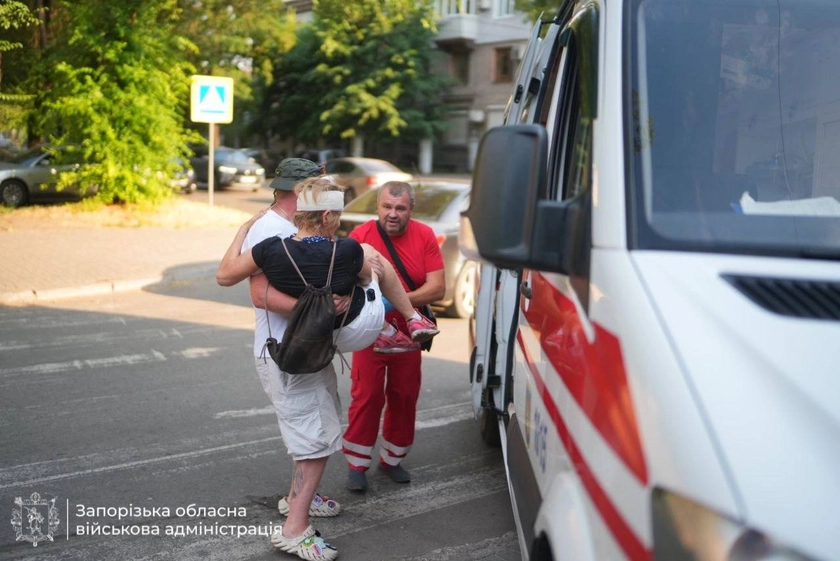
Russia Strikes Zaporizhzhia Enterprise with Guided Bombs, 2 Dead
Other sanctions disputes emerge
EU diplomats have also clashed over the proposal to freeze the current $44-per-barrel cap on Russian oil sales, which is due for review in mid-July and would otherwise rise automatically.
After the US-Iran conflict threatened to close the Strait of Hormuz, global energy prices rose in a way that would automatically raise the cap above $64 per barrel under existing rules, prompting the EU to reconsider emergency measures to freeze or cap the price limit on Russian crude oil.
To prevent handing Moscow an unintended windfall, Brussels is weighing three options: freezing the cap at its current $44.10 level, suspending the automatic biannual adjustment until year-end, or capping any rise at the G7’s $60 baseline.
According to Politico’s diplomats, Greece, Malta, and Cyprus, the countries with significant shipping industries that service Russian vessels, have opposed delaying the price cap review. Greece and Malta have previously objected to a proposal to ban providing maritime services to Russian vessels.
France and Italy have raised separate objections to a proposed ban on former Russian combatants entering the EU, the diplomats said.
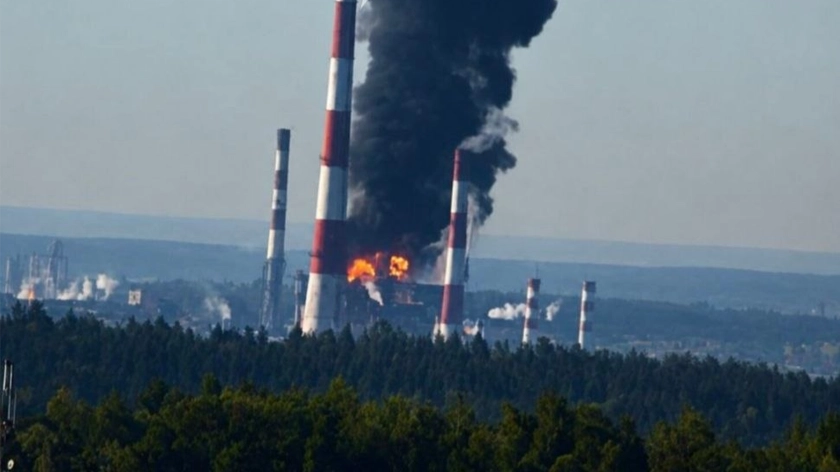
Kallas unveiled the 21st sanctions package on June 9, in a broader effort to target Russia’s military-industrial and financial sectors. Ongoing Ukrainian long-range strikes on Russian oil refineries have put significant pressure on Moscow, with two-thirds of Russia now reporting fuel supply problems.
Putin acknowledged the ongoing shortages during a Kremlin meeting, stating that both motorists and businesses continue to face queues and a lack of required fuel grades.
You can also highlight the text and press Ctrl + Enter