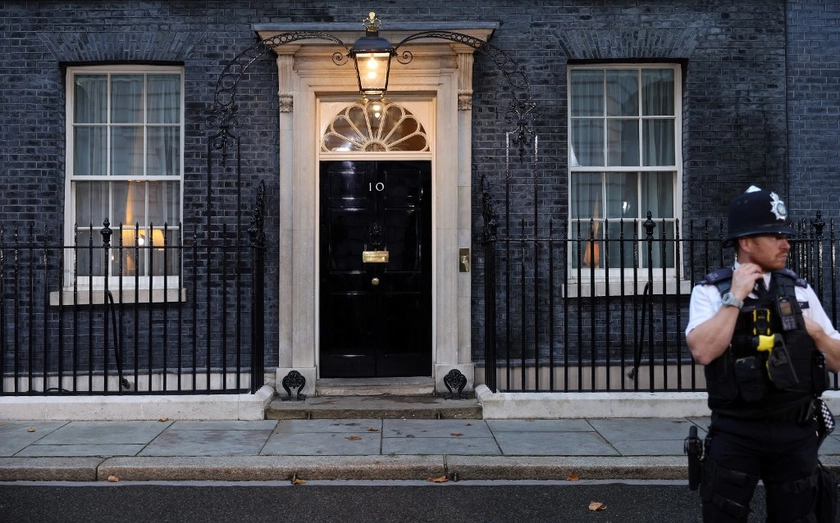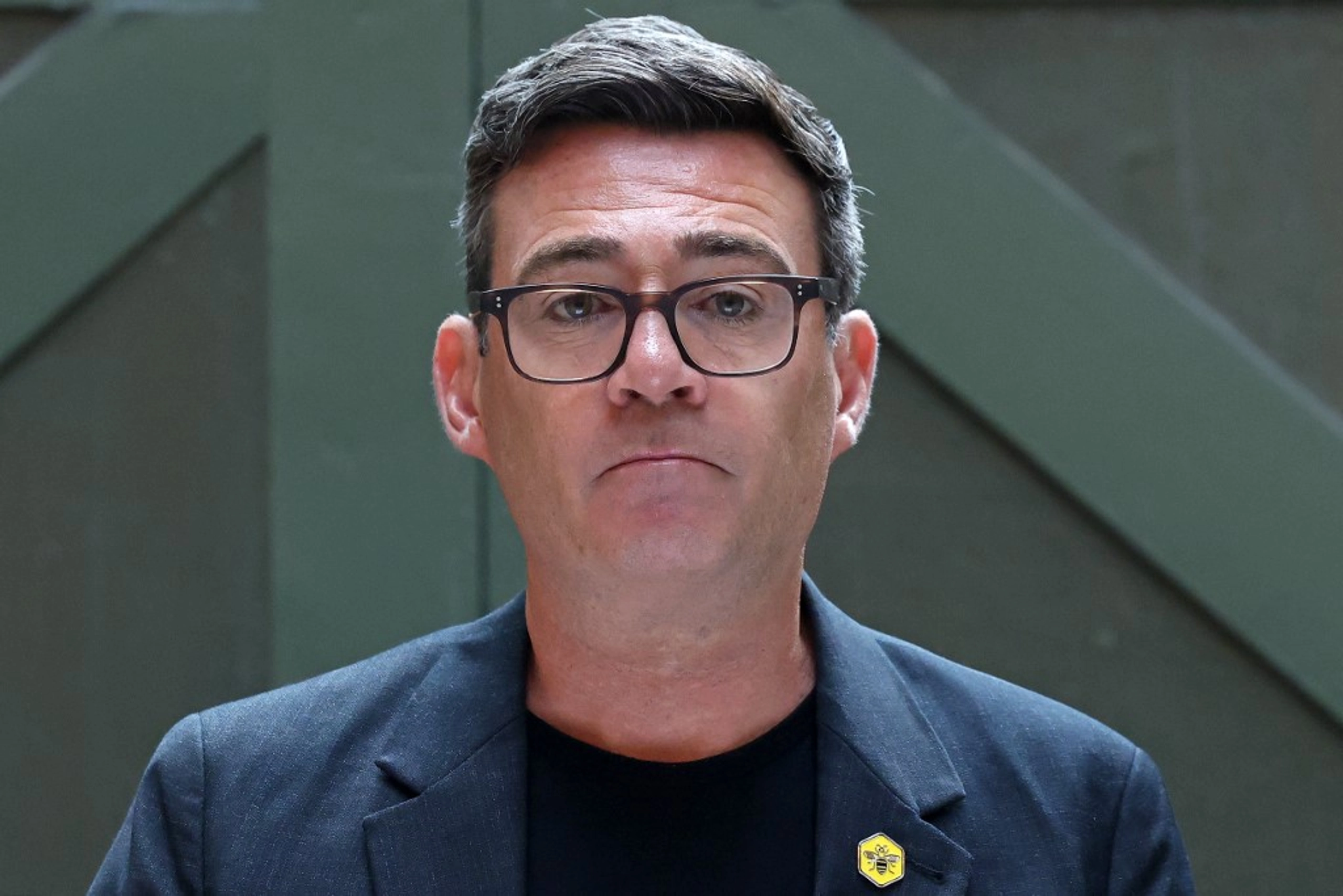
Andy Burnham, the presumed successor to outgoing UK Prime Minister Sir Keir Starmer, has stated he will not call for early general elections if he assumes office, Euronews reported.
Burnham rules out early UK elections
Burnham is currently the sole candidate to replace Starmer, who announced his resignation as leader of the Labour Party and prime minister last month. The next general election is not legally required until 2029.
JOIN US ON TELEGRAM
Follow our coverage of the war on the @Kyivpost_official.
Answering questions from users on the social media platform Reddit during an “Ask Me Anything” session, the former Mayor of Greater Manchester responded “no” when asked about the possibility of an early vote. Burnham stated he intends to work according to the existing 2024 election program.
The 2024 Labour manifesto included commitments to specific fiscal rules, pledging not to raise taxes on workers’ incomes, national insurance, or Value Added Tax (VAT) rates.
During the session, Burnham also expressed support for reforming the British majoritarian electoral system. Noting the increasing fragmentation of voter support among multiple parties, Burnham stated that proportional representation would facilitate a more collaborative political environment focused on problem-solving.
Regarding foreign policy, the prospective prime minister stated he would maintain “100 percent” of the current support levels for Ukraine and indicated an intention to pursue closer ties between the UK and the European Union.
Ukraine, Poland Seek Diplomatic Reset Amid Russian Hybrid Threats
Starmer’s advice on international affairs
As the leadership transition proceeds, outgoing Starmer stated that the next head of government will not have the option to scale back engagement in international affairs to focus solely on domestic challenges.
In an interview with the BBC, Starmer was asked if his successor could prioritize internal British issues over diplomacy. “No, I don’t think that’s possible,” Starmer replied, stating that managing international and domestic affairs are interconnected responsibilities.
“Whoever my successor is, they will face the same global conflict. We continually say, and it is true, that we live in a more dangerous and volatile world than at any time in my life. It is not just a phrase, it is reality,” Starmer said. He also characterized his decision to resign as a difficult personal choice made in the interests of the country and the government.
Leadership transition context
Starmer announced his resignation on June 22 following a loss of support from Labour Party Members in parliament. His position had weakened after local and regional elections in May, culminating in Burnham’s return to the House of Commons via a by-election in the constituency of Makerfield, which cleared the path for a leadership challenge.
Starmer will remain in post until the succession process is complete. Labour’s National Executive Committee scheduled the opening of nominations for July 9, with the new leader expected to be in place before parliament returns from its summer recess in September.
Following the resignation announcement, Ukrainian President Volodymyr Zelensky thanked Starmer for his cooperation and support in strengthening European security, stating that the UK remains a leading global ally for Kyiv.
You can also highlight the text and press Ctrl + Enter