Big picture take outs from a year plus of Trump’s war with Iran and how it likely impacts the latest drumbeats of war in the Gulf:
- The Islamic Republic (IR) is very durable. The regime has endured Western attacks and aggressive sanctions since its very foundation. And the regime MO, and even that of Shia Islam itself, is all about endurance and survival against the more powerful foe. It’s about riding with the blows and surviving to fight another day. The IR has long prepared for the battle with the US and Israel, and it learned from the post Oct 7 attacks and the 12-day war, these have arguably improved its resilience.
- Efforts by the U.S. and Israel to cut off the serpent’s head (killing Khamenei and much of the prewar IR leadership) have failed as the regime is built to regenerate, with new cadres lined up to fill the void. Arguably decapitation efforts just resulted in greater radicalization, strengthening the position of the IRGC, and dissipated decision making, making negotiating and holding to any peace agreement more difficult.
- Iran will lash out and escalate to hit its neighbors when it views attacks as existential to its survival. Previously it was willing to ride the blows, limiting retaliation, for example after the killing of Soleimani under Trump 45. But after the June 2025 12-day war and as the U.S. and Israel peeled through Iran’s layers of deterrence, Iran seems to have seen the US attacks as much more existential and hence the bar for retaliation has been lowered.
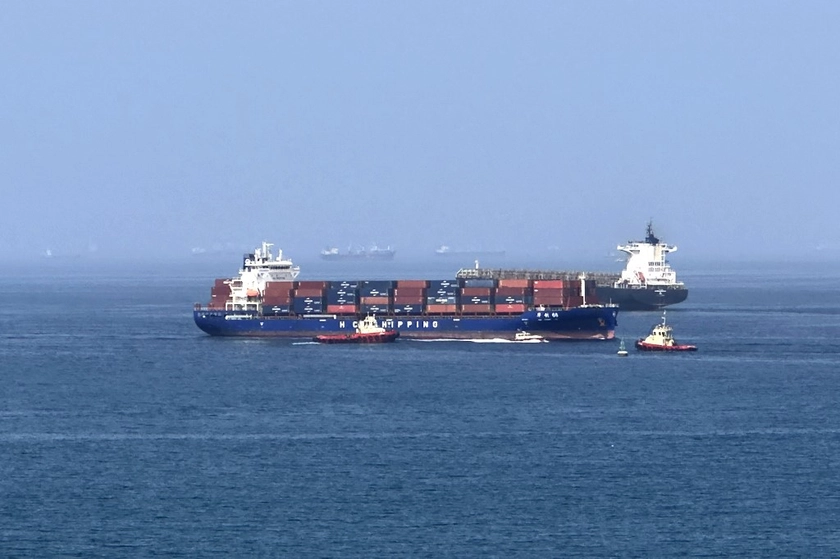
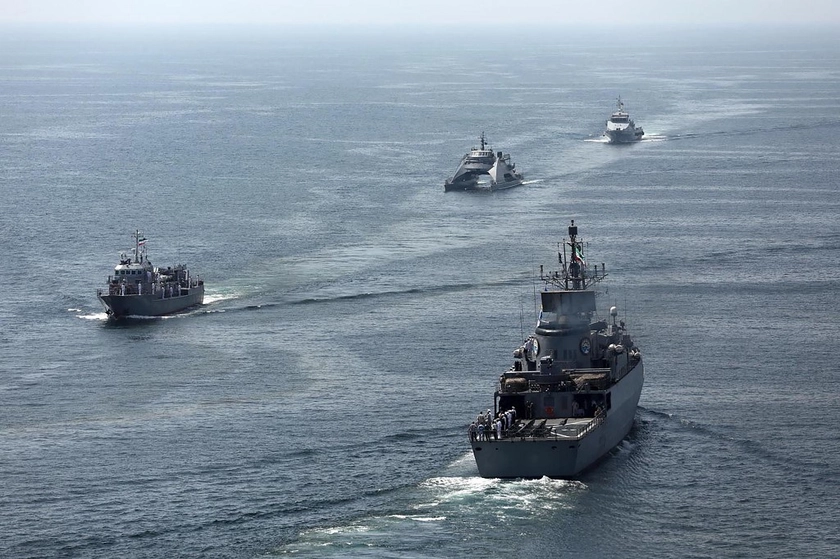
- Arguably Iran’s nuclear program, and proxies proved little real deterrent from attack by Israel and the U.S., and Iran has been searching for a new deterrent ever since. Trump’s war appeared to gift Iran a new and highly effective deterrent with the success of its drone and ballistic missiles attacks on the Gulf states, and efforts to restrict flows through the Straits. The new deterrent is Iran’s ability to impact on global markets through these attacks.
- A track record of failed foreign military adventures - Vietnam, Afghanistan and Iraq, have created an aversion in the U.S. to putting boots on the ground in Iran. But the consensus is that an air and naval war (blockade) is simply not sufficient to engineer regime change in Iran, but perhaps only regime change will bring policy change in Iran. But any boots operation in Iran to bring regime change would require a huge U.S. military commitment, comparable in many respects to Gulf Wars I and II. That commitment from the US, and its allies is simply not there. So the U.S., seemingly does not have the tools to deliver on its objectives, and Iran knows that.
- Global markets have been remarkably resilient in the face of the first and second Iran wars. Oil prices failed to reach the highs that many had anticipated given the scale of disruption through the Straits. Partly this reflects the impact of China cutting back imports and releasing fuel from its huge strategic fuel reserve. Likely it also reflects global demand destruction and the flexibility in the energy supply chain, but also the Gulf states’ ability to divert oil and energy exports through other routes. And oil and energy prices were quick to moderate after the Iran - US ceasefire deal as the market focused on new supply coming on stream (UAE leaving OPEC) and global demand destruction wrought by higher oil and energy prices.
- The US eased sanctions on Russia - giving special licenses to Rosneft and Lukoil sell oil despite being prior sanctioned for the war in Ukraine - during the US/Israel - Iran war, in an effort to cap the rise in global energy prices. After the ceasefire deal was agreed the sanctions on Russia were reimposed, and the Trump administration is now suggesting it will support the Graham/Blumenthal sanctions bill on Russia (500% tariffs to be placed on countries importing Russian oil and energy).
- All this comes as Ukraine has stepped up deep strike attacks on Russian energy infrastructure, and Russia is suffering diesel shortages, so much so that it has had to ban refined product exports and is now importing diesel. A shortage of refined capacity and storage is though forcing Russia to increase crude oil exports. Net net though the result of a resumption of the war in Iran and escalation in the war in the Russo-Ukraine war is likely a return of upward pressure on the price at the pumps, hurting GOP popularity before midterms.
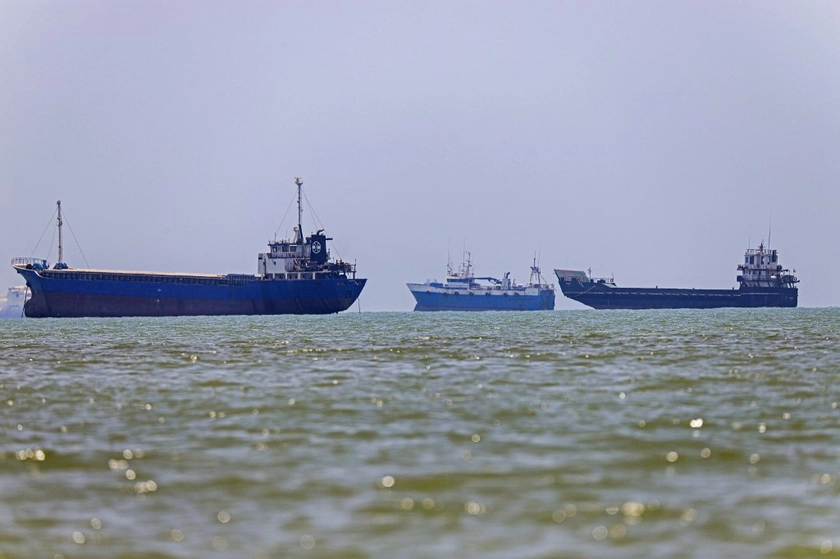
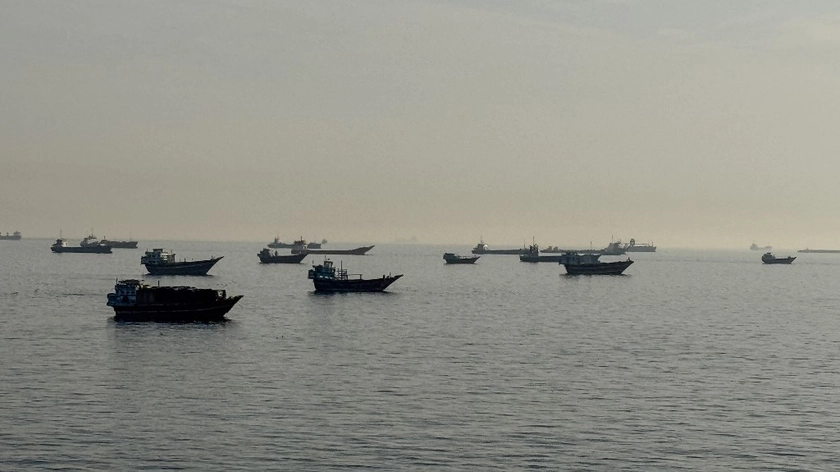
- Saudi has launched fresh air strikes against the Houthis in Iran, which creates a new risk of the closing of the Straits of Bab el-Mandeb through the Red Sea. This could mean that as Trump starts a fresh wave of attacks on Iran, the world is likely to see closures/disruptions to four major seas or waterways - the Straits of Hormuz, Bab el-Mandeb, the Sea of Azov and the Black Sea. That is totally unprecedented.
- The Iran wars will accelerate the push by the Gulf states to diversify export routes away from the Straits, and in theory this reduces the long-term leverage held by Iran over global markets - the power of its newfound deterrence. This perhaps puts more pressure on Iran to hold out for a better and lasting deal now - to negotiate hard and to be prepared to quickly go back to conflict. Iran has cards now, but it might not have cards in a year or more’s time.
- Iran sees control of the Straits as existential and potentially, thru tolling, offering it an economic lifeline, while promises of sanctions moderation and investment in the MOU seem more aspirational. After Rubio et al earlier argued tolling of the Straits was illegal under international law, Trump has gifted Iran a win by now proposing a 20% US toll, which makes Iran’s 1% toll pitch appear reasonable by comparison.
- Ultimately the Gulf states would likely accept an Iranian toll regime if it brought a return of safe navigation through the Straits. The current U.S. approach seems to be making the Straits less safe, and remember the Straits were open, safe, and free to navigation before the U.S. and Israeli attacks on Iran from late March.
- Perhaps you could argue that the best card that Iran has discovered is its ability to make the Gulf unsafe via its drone and missile strikes on the target rich and close proximity of the Gulf states. But could this card also be removed if the Gulf states invest heavily in anti-drone and missile defenses? The experience for Israel and
- Ukraine in its war with Russia is that there is unlikely to be a 100% drone or missile Defence system. Typically this is a war of iteration with the attack and defense securing only temporary advantage before the other catches up. For Iran it only needs to secure a few hits out of a 100, on critical targets, to have enough of a deterrent effect on the Gulf states, and perhaps global markets. This would suggest that Iran will retain the deterrent from its potential to hit Gulf states for some time.
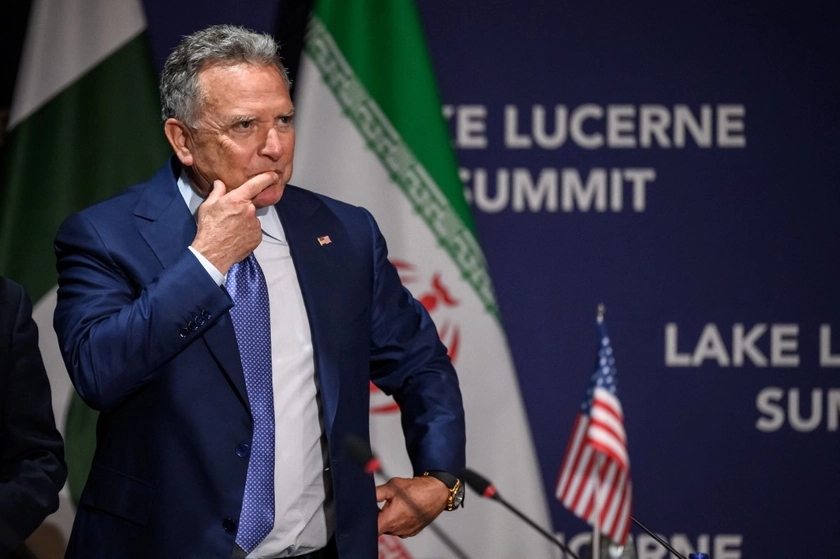
- The US - Iran ceasefire deal was fragile - it was a framework for more talks and included no resolution on core issues such as nuclear, proxies, missiles and drones. The deal was short in content, and negotiated by very inexperienced negotiators - Kushner, Witkoff, et with chequered track records on their peace efforts elsewhere, more particularly on Russia Ukraine, Gaza and Lebanon. But a history of Iran talks has suggested that the devil is always in the detail, and the Iranians are accomplished negotiators.
- The Trump administration seems to put low store in expertise, failing in this conflict with Iran to draw on the huge wealth of Iran knowledge and understanding in the US. Trump acts more on his own instinct which can delivery catastrophic failures where there is a fundamental lack of understanding of core issues and of one’s opponents.
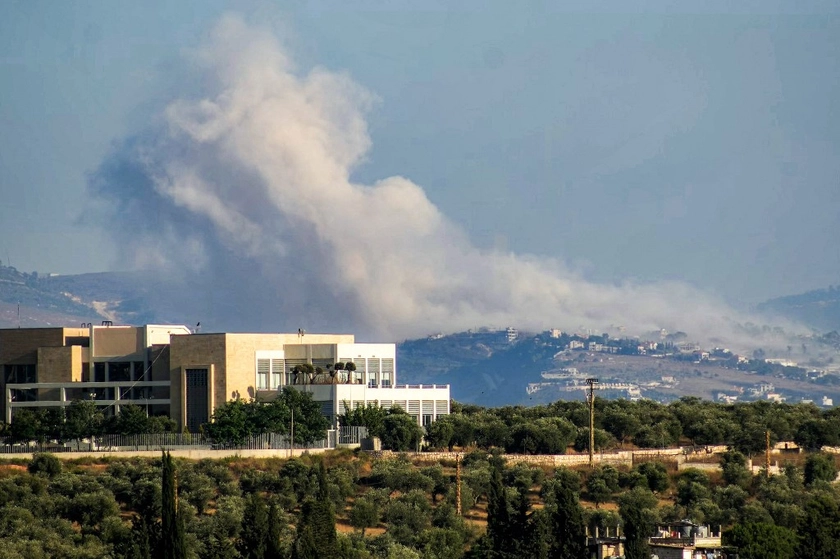
- Israel was unhappy with the US - Iran ceasefire deal as it viewed that deal as rewarding and even strengthening Iran, without resolving any of the core issues. Israel was probably right there. And Netanyahu knows that the US - Iran deal is unpopular in Israel and likely will undermine his chances in elections in Israel in October. Likely Israel has been working to undermine the U.S. - Iran deal, and likely that is what we have been seeing through Israeli interventions still in Lebanon.
Reviewing the above it feels as though Trump has been swayed again by lobbying by Israel (Israeli intelligence suggesting Iran had planned an assassination attempt against Trump was probably instrumental in changing Trump’s view), and domestic criticism of the ceasefire agreement, while the resilience of global markets has perhaps made Trump more confident that the U.S., and global markets can still outlast Iran in a battle for control of the Straits. T
JOIN US ON TELEGRAM
Follow our coverage of the war on the @Kyivpost_official.
he Trump view is perhaps that one last attempt can push the Iranian regime over the edge. But second time around things could be more difficult for global markets given four major shipping routes are currently subject to disruption while we are going into this third Iran war with global energy stocks at low levels. Meanwhile, there is no evidence that the Iranian regime is significantly weakened or likely to bow early to US pressure. Tehran still thinks it can outlast Trump, and especially with midterms approaching. Another 60-day war is unlikely to change the outlook for Trump albeit the damage will again be considerable to the global economy - more inflation, less growth.
Reprinted from the author’s @tashecon blog. See the original here.
The views expressed in this opinion article are the author’s and not necessarily those of Kyiv Post.
US Forces Conduct Third Series of Strikes on Iran
The views expressed in this opinion article are the author’s and not necessarily those of Kyiv Post.
You can also highlight the text and press Ctrl + Enter

Trump Says US Will Let Ukraine Build Patriot Systems: ‘We’ll Show Them How to Make Them’