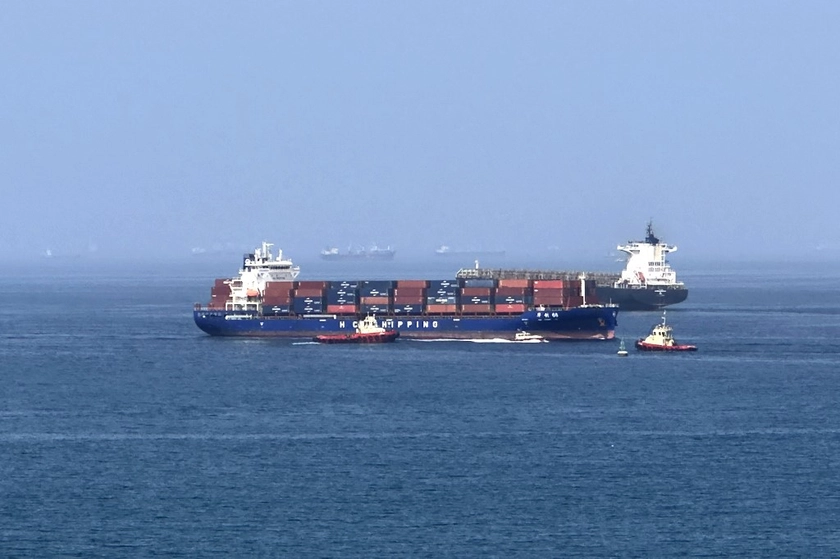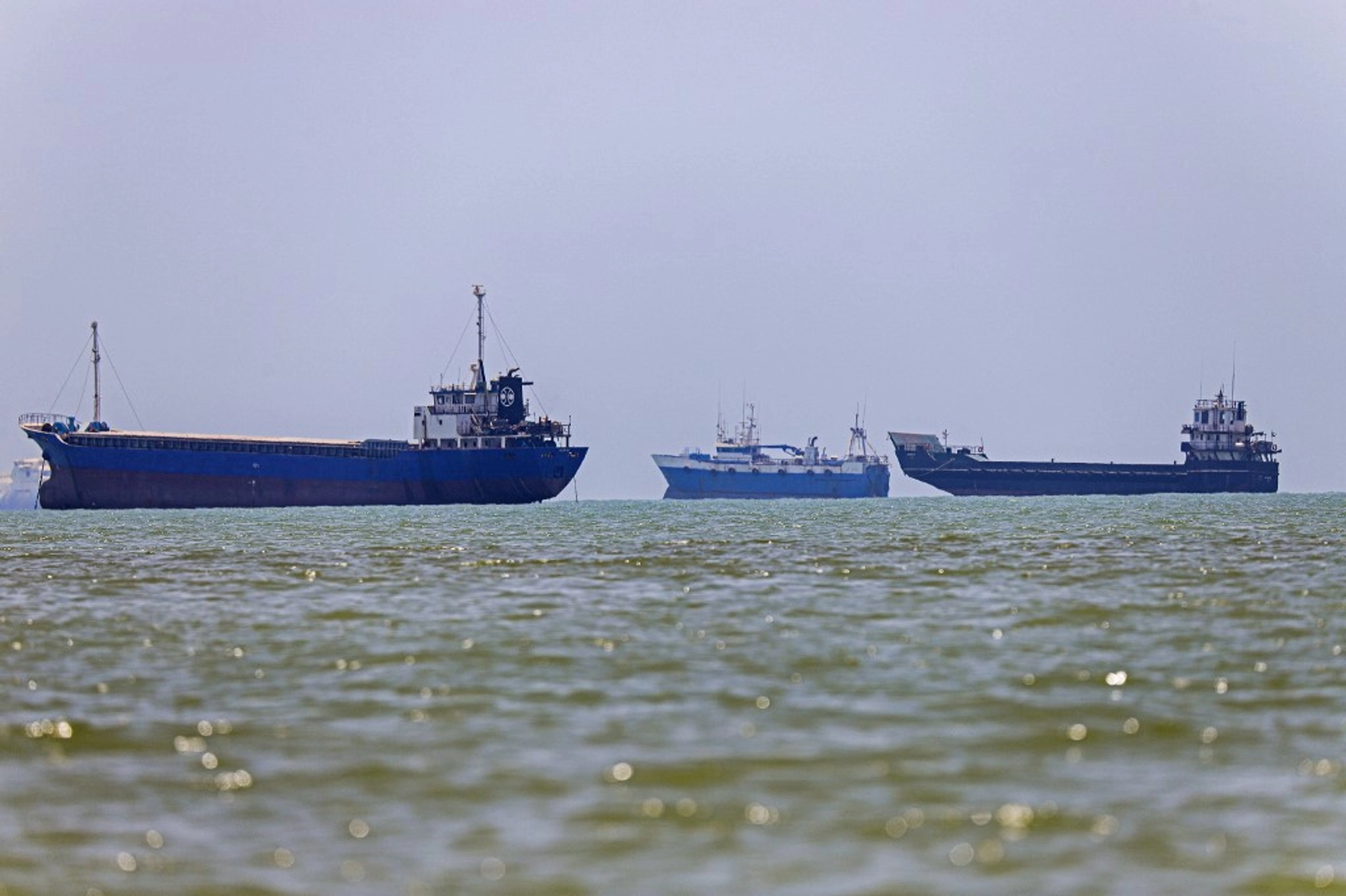
Iran has completely closed the Strait of Hormuz to all maritime traffic following a new incident involving a civilian vessel, The Times of Israel reported.
According to reports citing the naval forces of the Islamic Revolutionary Guard Corps (IRGC), several vessels attempted to transit the strategic waterway using an unauthorized route, ignoring repeated demands from Iranian authorities to alter their course.
JOIN US ON TELEGRAM
Follow our coverage of the war on the @Kyivpost_official.
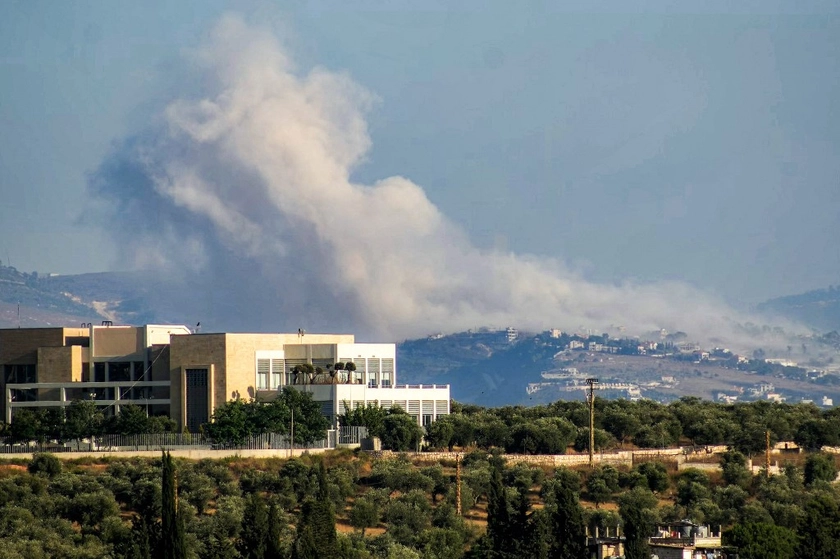
The IRGC stated that one of the vessels deactivated its tracking systems, creating a threat to maritime security. In response, Iranian military forces struck and halted the ship.
Following the interdiction, Tehran announced a total blockade of the vital shipping chokepoint, through which a significant portion of the world’s oil supply passes.
“No vessel will be allowed to pass through it,” the IRGC declared in a statement, adding that the restrictions will remain in place indefinitely until what it described as US “interference” in the region ceases.
The IRGC coupled the blockade with a stark warning to Washington, threatening that if the US launches new retaliatory military strikes, American military bases across the Middle East will once again become targets for Iranian attacks.
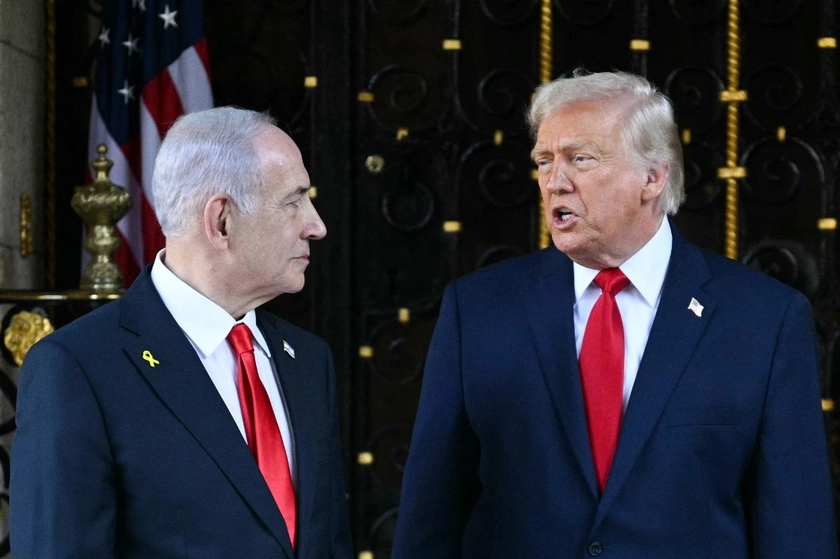
The closure represents a direct and explosive defiance of the Trump administration, which had set a weekend deadline demanding Tehran guarantee freedom of navigation and halt its attacks on commercial shipping.
US Demands Iran Surrender Uranium Stockpile as Condition for Any Nuclear Deal
The “nuclear dust” ultimatum
Washington has recently ruled out the possibility of reaching any final diplomatic agreement with Iran unless Tehran agrees to transfer its entire stockpile of enriched uranium to the US.
A senior US government official detailed this red line, stating that the demand is for Iran to surrender its estimated 410 kilograms (approximately 900 pounds) of highly enriched uranium.
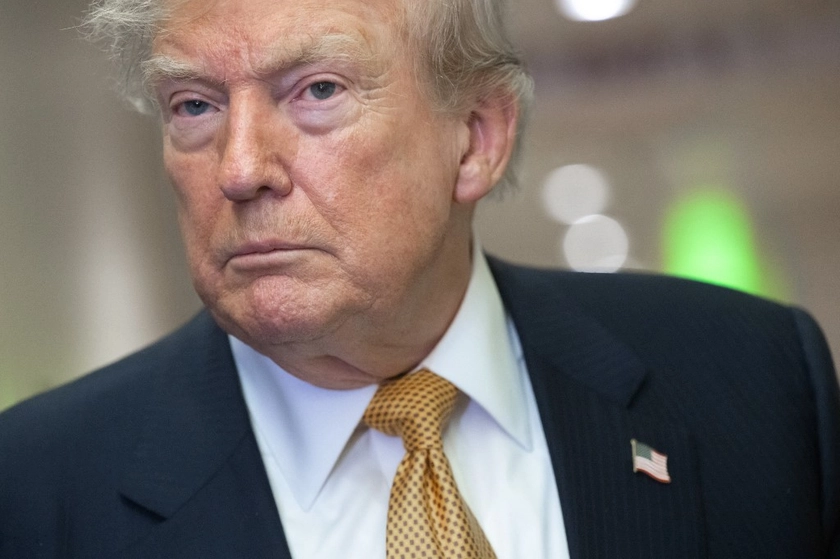
US President Donald Trump and other senior American officials have reportedly referred to this material as “nuclear dust.”
“I just want to make it clear that if we don’t get the dust, we will not have a deal with Iran,” the US official warned, noting that Washington has “many options” at its disposal should Tehran refuse to comply.
The issue of Iran’s nuclear program was meant to be resolved within a strict 60-day negotiation window established under a bilateral memorandum of understanding (MoU) signed in June.
Rebuilt nuclear sites and assassination plots
Satellite photos from multiple locations across Iran indicate that Tehran has begun rebuilding damaged infrastructure at key nuclear and military facilities. The imagery shows renewed construction at the Parchin military complex near Tehran – a site struck multiple times during recent US military campaigns – as well as at a secured facility known as “Mount Pickaxe.”
The observed reconstruction suggests that Iran began breaching the terms of the June MoU before the framework formally fell apart. Under the temporary agreement, Iran committed to halting any efforts to acquire or develop nuclear weapons.
However, the timeline of the satellite photos suggests reconstruction was already underway before President Trump declared the ceasefire “over” and resumed retaliatory airstrikes.
Adding to the highly volatile atmosphere, Israel recently shared intelligence with the US detailing a new Iranian plot to assassinate Trump.
You can also highlight the text and press Ctrl + Enter