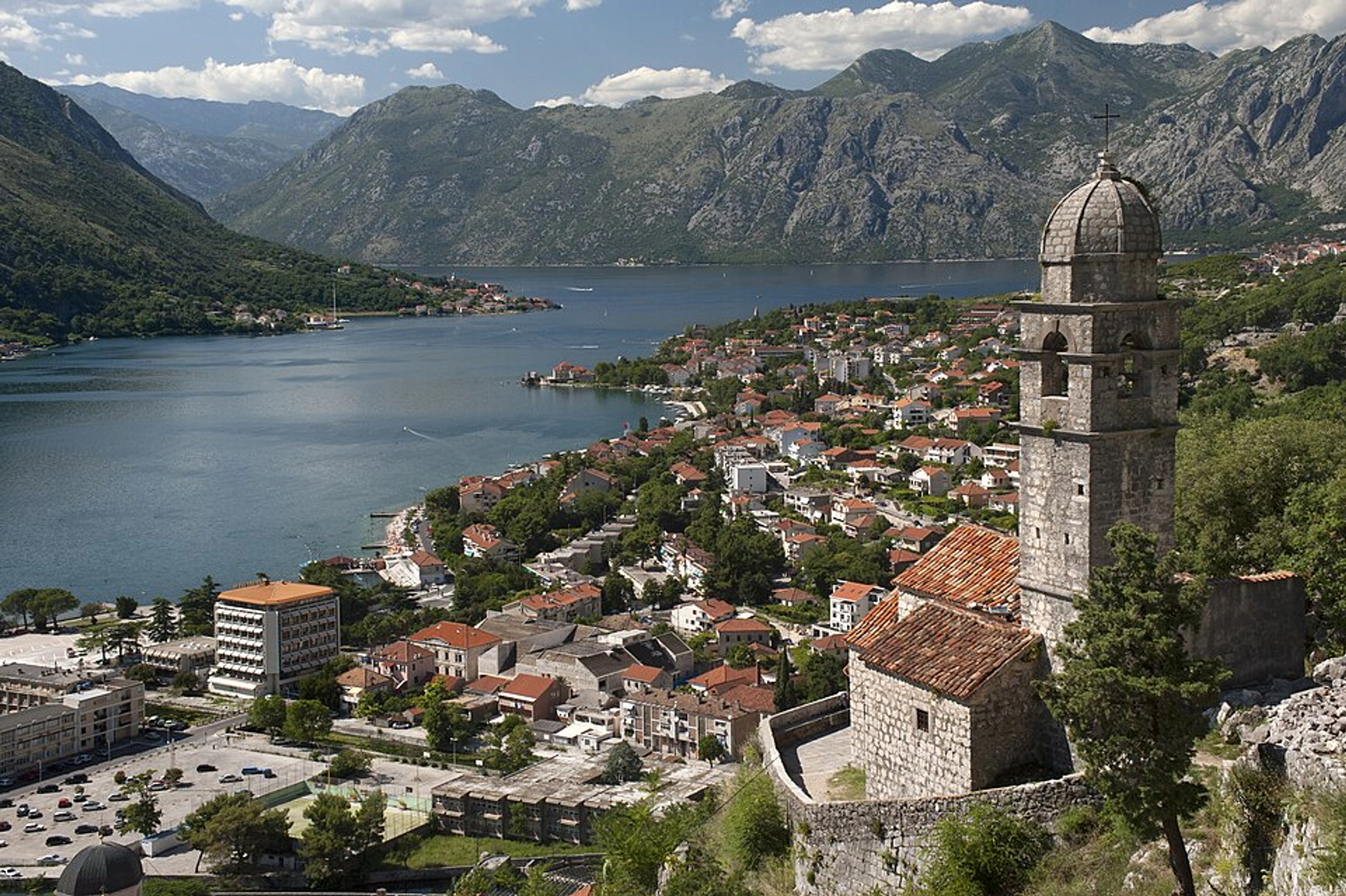
Montenegro is preparing to end its visa-free regime for Russian citizens starting Oct. 1, ending a policy that has been in place for nearly 18 years.
Restrictions will also extend to citizens of Turkey, China, the United Arab Emirates (UAE), Qatar, Bahrain, and Belarus, independent media outlet ASTRA reported, citing Dan’s own sources. Montenegro is working on bringing its migration policy in line with Schengen zone standards ahead of the country’s possible EU accession.
JOIN US ON TELEGRAM
Follow our coverage of the war on the @Kyivpost_official.
Currently, Russian citizens can enter and stay in Montenegro without a visa for up to 30 days, a limit that is expected to change soon.
Broader EU alignment already underway
Montenegro’s diplomatic mission said the country must fully align its visa policy with EU rules by the end of the third quarter of 2026, which includes introducing visas for Russian nationals.
Visa service provider VFS Global announced it would begin accepting Montenegrin visa applications through centers in eight Russian cities – Moscow, Arkhangelsk, Murmansk, Petrozavodsk, Pskov, Novorossiysk, Voronezh and Yekaterinburg – to ease the transition before the new rules take effect.
In 2010, Montenegro became an official candidate for EU membership and has been gradually harmonizing its legislation since, aiming to fit within the bloc’s standards.
Tourism sector facing disruption
Russia has been among Montenegro’s largest tourism markets, largely due to the visa-free regime between the two countries.

Sweden Commits $145M to New World Bank Facility Supporting Ukraine
According to Kommersant, about 230,000 Russian citizens visited Montenegro over the past year, while Politico, citing European Commission estimates, reported that Montenegro’s accession to the EU is expected to cost the bloc around €3 billion ($3.4 billion) between 2028 and 2034.
EU weighs sanctions beyond visa restrictions
The EU is discussing softening its proposed visa ban on Russian combatants after France and Italy objected on July 9, limiting the measure to short-stay visas only for those who directly fought in Ukraine.
The visa restriction is only a part of the broader 21st sanctions package, which also targets Russia’s oil price cap, energy revenues, banks and crypto operators, along with tankers in Moscow’s “Shadow Fleet” used to dodge existing sanctions.
You can also highlight the text and press Ctrl + Enter

OPINION: The Bill for Crimea Comes Due for Putin
‘Shadow Fleet Is Leaving the Chat’: Ukraine Hits 10 Russian Fuel Tankers in One Day