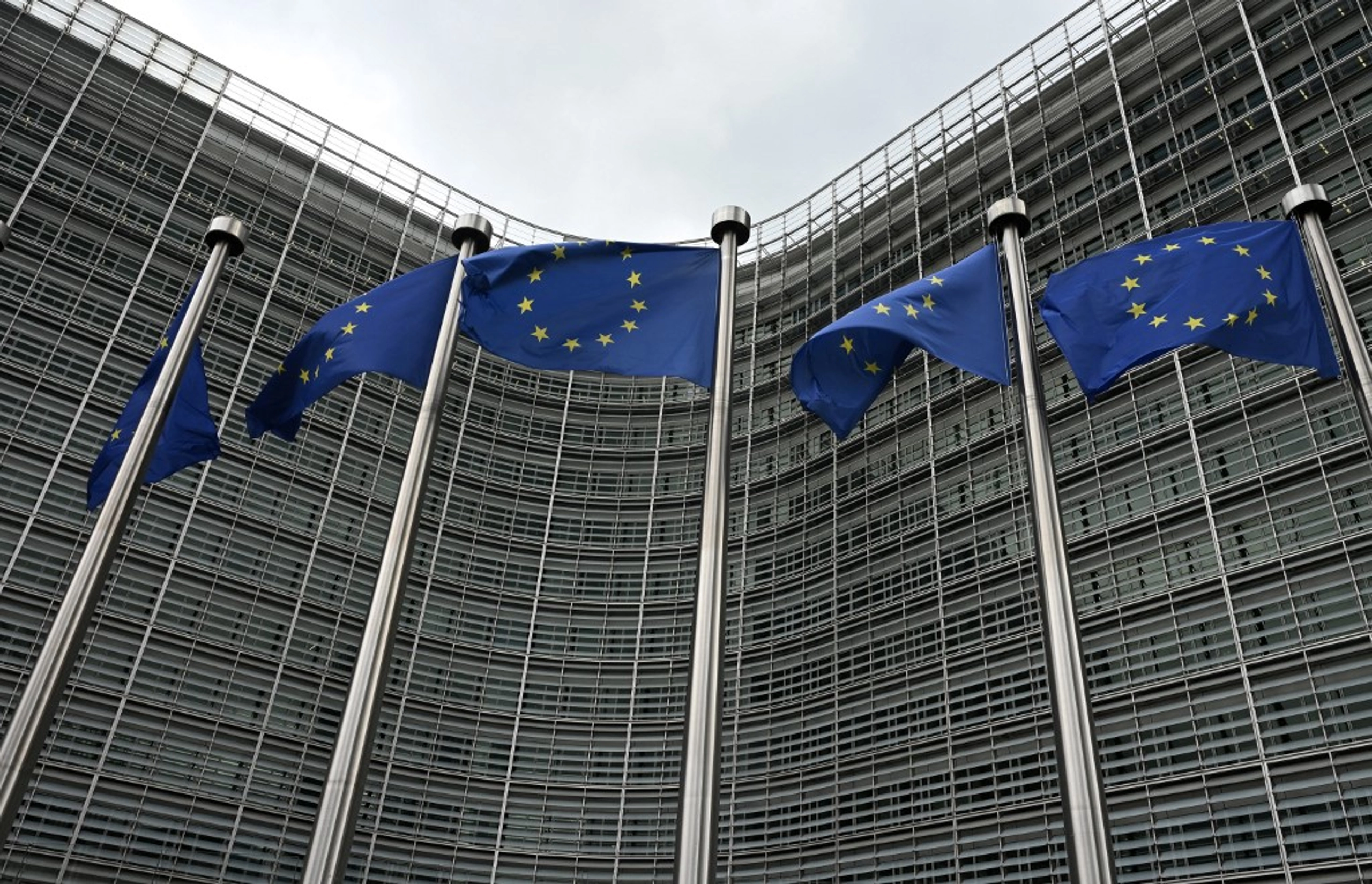
The EU is discussing a dialed-down version of its proposed visa ban on Russian soldiers, limiting the measure to short-stay visas and only to those directly participating in Russia’s full-scale invasion of Ukraine.
The European Commission initially planned a wider ban within the upcoming 21st sanctions package, aiming to bar anyone who has served in the war against Ukraine, but has revisited the text due to objections from France and Italy. According to Euronews, the bloc aims to adopt the package by mid-July to avoid an automatic revision of the Russian oil price cap.
JOIN US ON TELEGRAM
Follow our coverage of the war on the @Kyivpost_official.
While not completely opposing a ban on Moscow’s former soldiers, Italy and France raised concerns about the visa measure, arguing that the targeted travel ban may be handled more effectively through visa policy rather than sanctions.
One practical concern with the EU’s proposal is that it would leave it up to individual member states to determine which citizens fought in the war – a determination that is far from straightforward.
A narrower definition of a “combatant”
The initial text of the travel ban barred from entry anyone who served in Russia’s armed forces, including administrative and logistics staff. The revised text now applies only to individuals who directly participated in either Russia’s armed forces or in irregular Moscow-controlled units fighting the war.
“By signing a contract to fight a criminal war of aggression against Ukraine, they also sign an entry ban to Europe,” Ukraine’s Foreign Minister Andrii Sybiha said, adding that the measure is “fair” and arguing that those who “fight a war to harm Europe and European states” should not be allowed to travel to the EU. He also urged all EU member states to back the proposal.
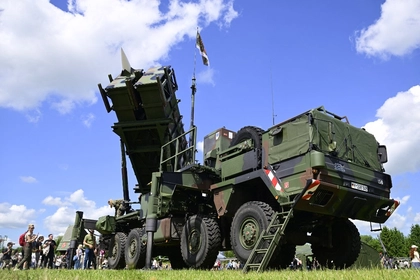
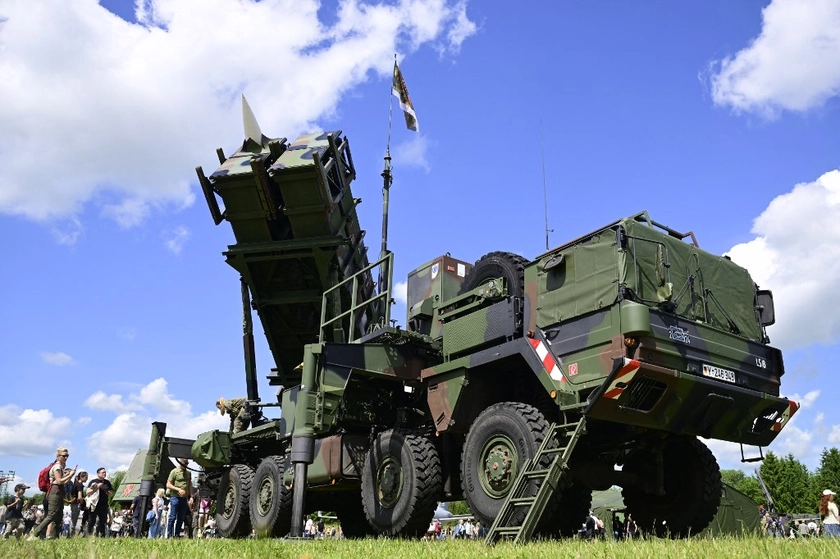
Patriot Missile Production in Ukraine Could Begin Within Weeks, Poland Says
The policy no longer presumes an applicant fought in the war unless proven otherwise – a notable shift from the original proposal’s default assumption, Euronews said.
Conscription concerts drove pushback
Paris and Rome had also raised practical objections tied to Russia’s conscription system, which requires mandatory year-long service for male citizens aged 18 to 30.
Ireland, holding the rotating EU Council presidency, proposed limiting the policy to short-stay visas to address these concerns.
The updated version of the entry ban has widened its exemptions, now allowing entry for humanitarian reasons, national interest, or international obligations, though such visas would be valid only in the issuing country unless another member state consents, as per the same Euronews report.
Legal questions remain
France and Italy continue raising legal concerns about whether consular services could face liability for the breaches of the travel ban, United24Media reported.
The European Commission has reportedly offered to update its visa guidance and revise required documentation to ease the administrative burden.
Northern and eastern European countries have pushed back against France and Italy’s objections, citing Eurostat data showing steadily rising Russian tourist visa numbers since the war began, Euronews noted.
The EU authorities have defended the ban, comparing Russian combatants to former Islamic State fighters and Balkan war criminals.
A broader package of restrictions
The visa restrictions on ex-combatants represent just one part of the broader 21st sanctions package, which also targets Russia’s oil price cap and energy revenues, as well as banks and crypto operators. Among targets are tankers helping Moscow dodge existing measures – part of the so-called “Shadow Fleet.”
Ukraine struck 14 Russian vessels overnight in the Sea of Azov, including 12 tankers allegedly belonging to Moscow’s sanctioned “Shadow Fleet,” on Thursday.
On July 3, Italy joined Bulgaria in objecting to the EU’s plan to impose a visa ban on Russian Orthodox Patriarch Kirill, an outspoken Kremlin ally who has repeatedly defended Russia’s invasion of Ukraine.
While Rome’s objection reportedly stems from Vatican-linked unease over sanctioning a Christian denomination’s leader, Bulgaria cites its large Orthodox population.
You can also highlight the text and press Ctrl + Enter