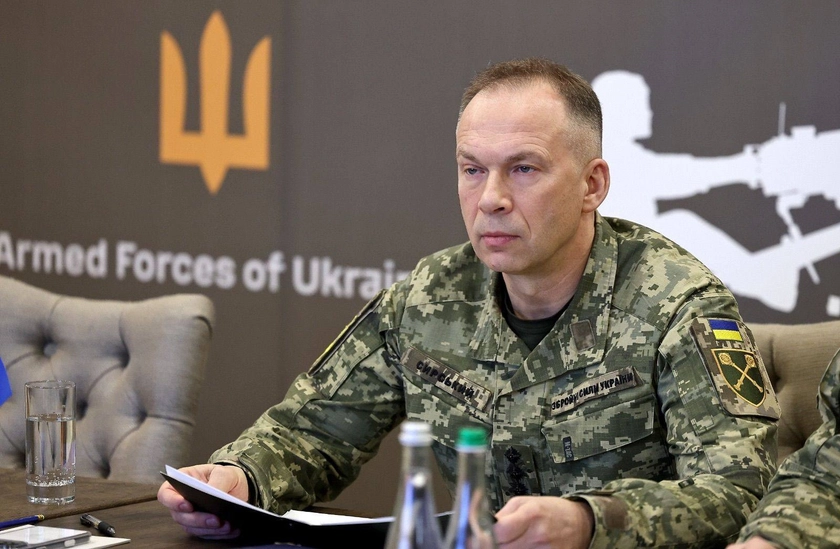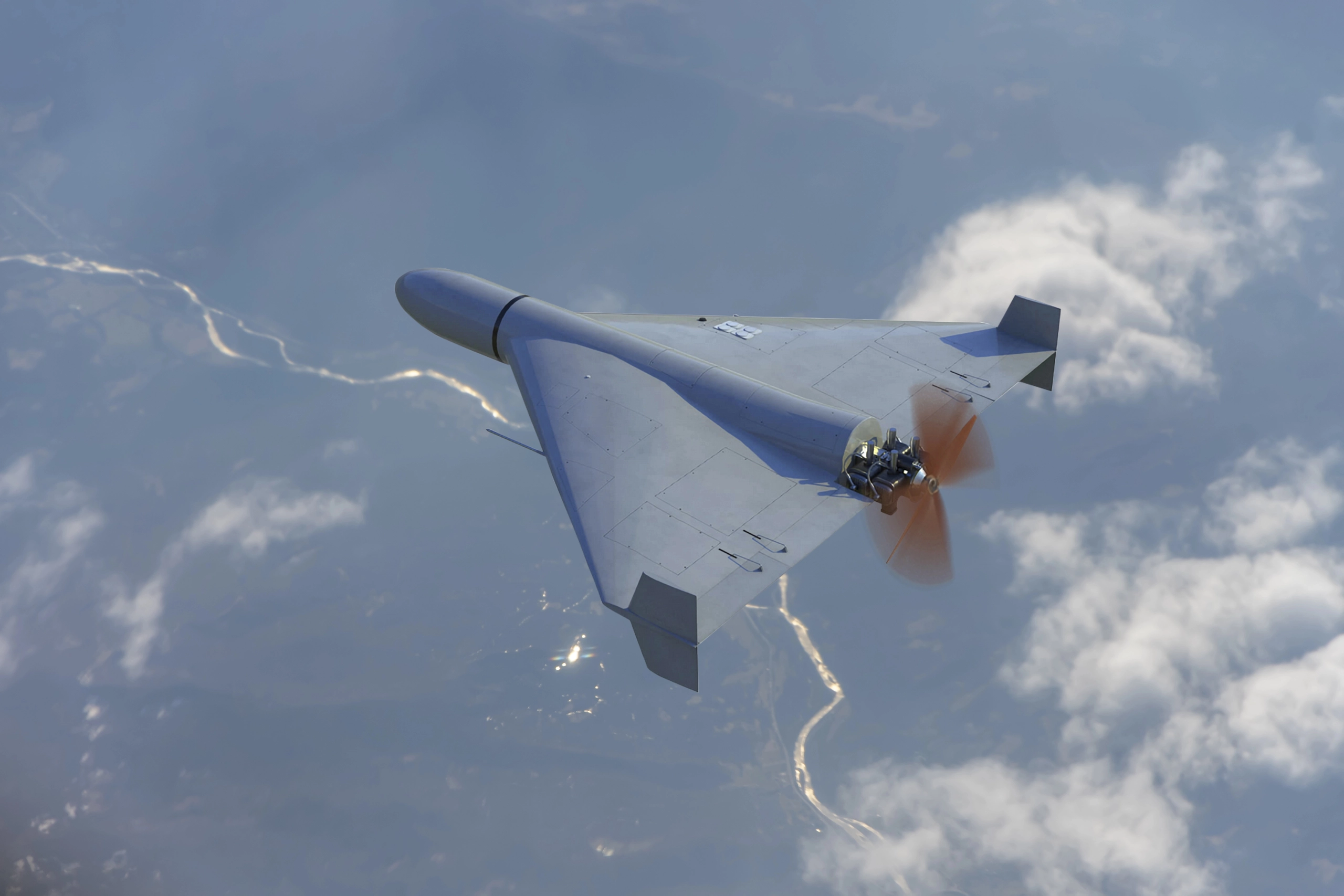
Russia plans to significantly increase the share of jet-powered strike drones in its attacks to up to 50%, Commander-in-Chief of the Armed Forces (AFU) Oleksandr Syrsky has said.
In a Facebook post on Thursday, Syrsky said the shift would create “new challenges” for Ukraine that require a timely response.
JOIN US ON TELEGRAM
Follow our coverage of the war on the @Kyivpost_official.
“The aggressor plans to increase the share of jet strike drones to 50%. This poses new challenges for us that require a timely response,” he wrote.
Syrsky stressed that the impact of Russia’s daily air attacks would be far worse if not for Ukraine’s ongoing development of what he called “small air defense” systems and expanded interception capabilities.
He said most downed Shahed and Geran drones are now being destroyed by Ukrainian interceptor drones. In May alone, Ukrainian forces shot down more than 3,500 Russian drones across a layered air defense system.
According to Syrsky, the second echelon of Ukraine’s air defense is the most effective, with the Unmanned Systems Forces (USF) responsible for intercepting more than 1,200 drones during the month.
Army aviation also destroyed more than 440 drones in May, using upgraded helicopters now equipped with improved detection systems, targeting tools, and missile weaponry.
At the same time, Syrsky revealed that Russia continues to adapt its drone warfare tactics, increasing both the number and sophistication of unmanned aerial vehicles (UAVs) deployed against Ukraine.
Russians’ Gloom Over Economy and Living Standards Reaches 20-year High
Following a recent meeting on countering Russian drones, the AFU commander outlined new priorities for strengthening air defenses in key areas.
Meanwhile, a senior Ukrainian defense advisor, Serhiy “Flash” Beskrestnov, said Russia is preparing to deploy new Geran-4 jet drones, which could reach speeds of 400–500 km/h (248–310 mph).
He said that Russia is already using Geran-3 jet drones capable of flying at speeds of up to 300 km/h (186 mph), but Ukraine is currently able to counter many of these targets.
Beskrestnov said Ukraine is developing and deploying interceptor drones designed specifically to counter the faster systems.
He added that current Ukrainian interceptor drones destroy around 50% of incoming Shahed-type drones, up from roughly 10% in the winter, and expects this rate to continue improving.
Beskrestnov suggested that if interception rates reach 70–80%, the effectiveness of standard Russian Shahed-type drones could be significantly reduced.
A recent Bloomberg report read Russia continues to expand drone production despite stagnation in other parts of its defense industry.
Drone output, including UAV systems, rose by 117% year-on-year in April, while overall production growth averaged 68% in 2025, according to Russian statistics.
While tank and armored vehicle production is nearing capacity limits, drones remain one of the fastest-growing sectors of Russia’s military industry, Bloomberg reported.
Russian President Vladimir Putin previously said Russia produced around 1.4 million drones in 2024.
Ukrainian intelligence estimates suggest Russia plans to produce up to 7.3 million FPV drones and 7.8 million combat drone units by 2026.
Experts say drones have become central to modern Russian warfare, providing a cheaper alternative to missiles while increasing strike frequency.
However, analysts note Ukraine still leads in several UAV innovations, even as Russia rapidly adapts and scales production.
Despite this, Bloomberg concluded that drone warfare has not yet produced a decisive shift on the battlefield.
Ukraine must make “rational use” of its limited air defense systems and interceptor missiles amid ongoing shortages, Syrsky said on Wednesday after a visit to Air Command South.
He inspected command centers and air defense units responsible for protecting southern Ukraine, stressing that modern systems and ammunition from partners remain critically needed.
AFU’s chief emphasized improving coordination, faster information sharing and stronger command-and-control systems across all branches of the Defense Forces.
Syrsky also highlighted the growing importance of mobile fire groups, short-range air defense units and drone-interception teams as Russia intensifies combined missile and drone strikes.
He said flexibility, rapid deployment and integration of new technologies are now central to Ukraine’s air defense response.
After the visit, he ordered measures to improve command systems, expand air surveillance, strengthen interception capabilities and speed up deployment of new technologies.
You can also highlight the text and press Ctrl + Enter

Russia Hit by 660-Drone Overnight Barrage Targeting Moscow, Crimea and Key Military Sites