The Moldovan Ministry of Defense will purchase new aerial detection and drone interception systems using financial support from the EU, a government official announced on Sunday, July 19.
According to Infotag, State Secretary of the Moldovan Ministry of Foreign Affairs Valeriu Mija stated during a press conference that the airspace of the Republic of Moldova has been violated 34 times by drones and ballistic missiles since the onset of Russia’s full-scale invasion of Ukraine.
JOIN US ON TELEGRAM
Follow our coverage of the war on the @Kyivpost_official.
The procurement is supported by a €120 million ($137 million) assistance package from the European Peace Facility, which the EU Council approved on July 13. Mija noted that Chisinau is also cooperating with NATO to secure assistance under the Defense and Related Security Capacity Building (DCB) initiative to specifically counter unmanned aerial vehicles.
“Interceptors launched against strike aircraft belong to one type, and drone interceptors belong to another technology,” Mija explained.
He highlighted that Moldova faces a “strategic depth space” challenge, which complicates rapid intervention during airspace violations. Military specialists must quickly calculate the potential fallout trajectory of intercepted devices carrying explosives to mitigate risks to the civilian population on the ground.
Mija emphasized that this defense modernization, backed by the EU and NATO, extends beyond the Defense Ministry, impacting the operational readiness of the Interior Ministry, border police, and state cybersecurity agencies.
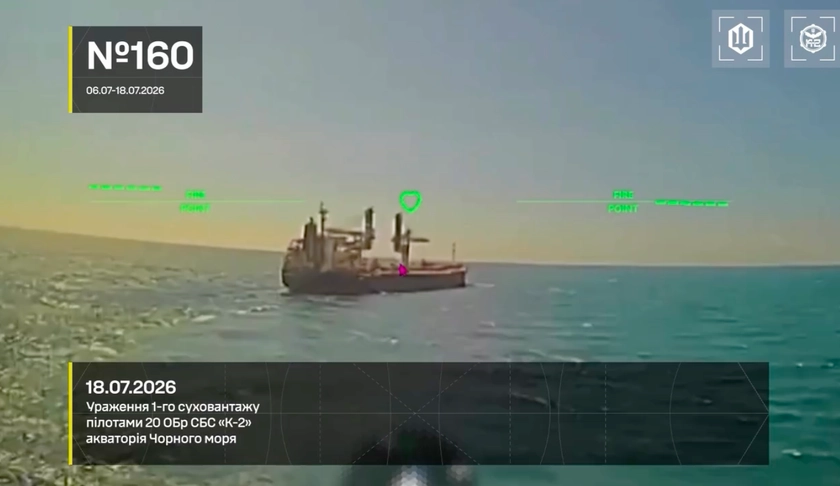
Ukrainian Drones Strike 13 Electrical Substations and Shadow Fleet Vessels
Travel warnings for Russia
The defense upgrades coincide with rising diplomatic tensions between Chisinau and Moscow. The Moldovan Ministry of Foreign Affairs recently issued a travel advisory warning citizens of extensive border checks and coercive measures when entering Russia.
The ministry reported that Moldovan citizens – particularly men aged 18 to 60, dual citizens, and those who have traveled to Ukraine – have faced interrogations lasting up to 12 hours. Border agents have reportedly confiscated travel documents, forced travelers to grant access to electronic devices, downloaded personal data, administered polygraph tests, and questioned individuals regarding their political views on the war in Ukraine.
The ministry also noted reports of Moldovan nationals being placed in administrative detention and pressured into signing enlistment contracts with the Russian armed forces.
Chisinau authorities have urged citizens to weigh the necessity of travel to Russia and to contact the nearest Moldovan diplomatic mission if they experience difficulties.
These strict border measures align with broader regional friction along NATO’s eastern flank. On July 1, the Russian government temporarily closed seven railway border checkpoints along its frontiers with Finland, Estonia, and Latvia, cutting off direct land transport links amid escalating geopolitical tensions.
You can also highlight the text and press Ctrl + Enter