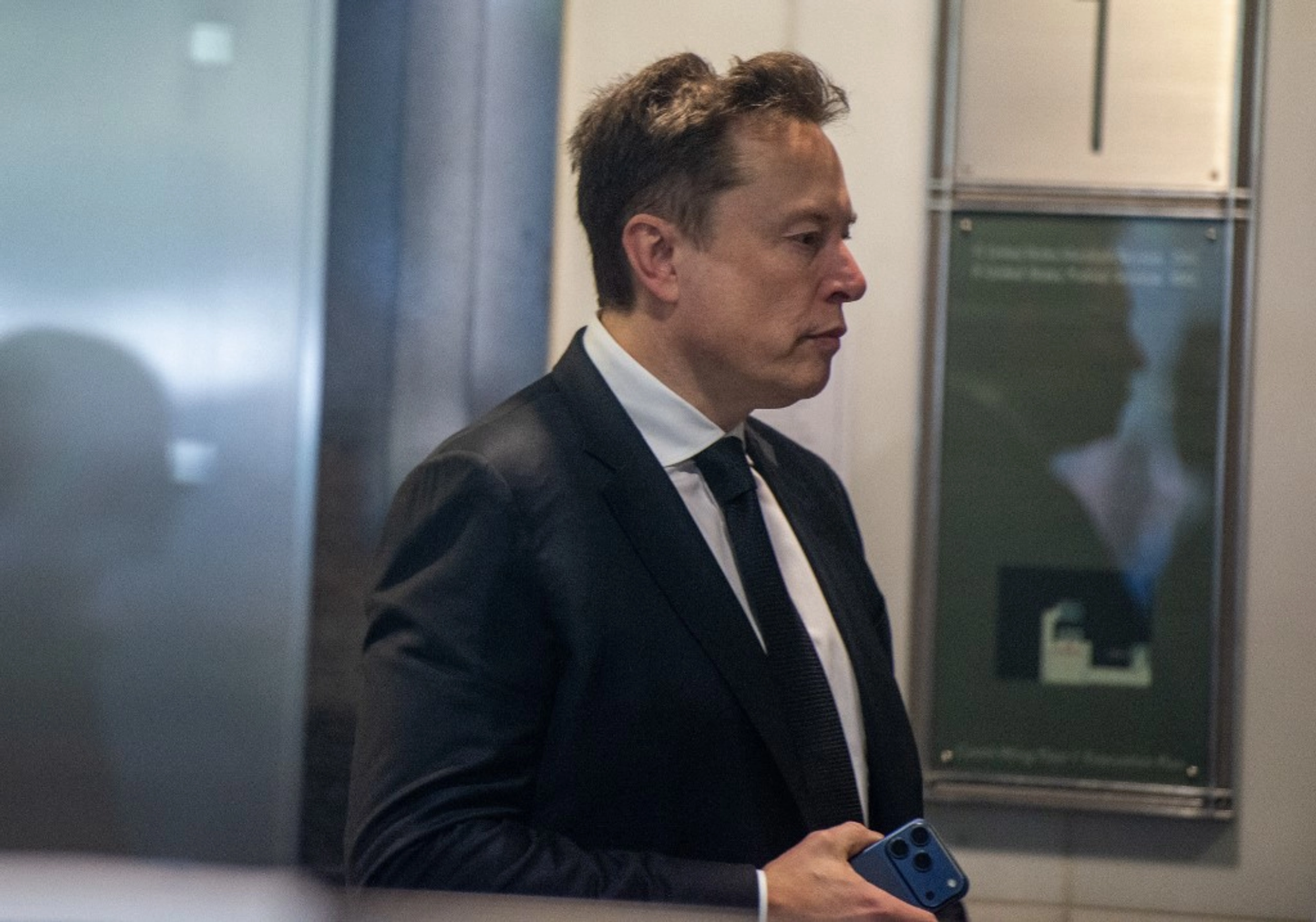
SpaceX CEO Elon Musk stated that a complete withdrawal of Russian forces from Ukraine is “unrealistic” and advocated for a “pragmatic” peace agreement, while detailing how Russian troops bypassed restrictions to smuggle Starlink satellite terminals to the front line.
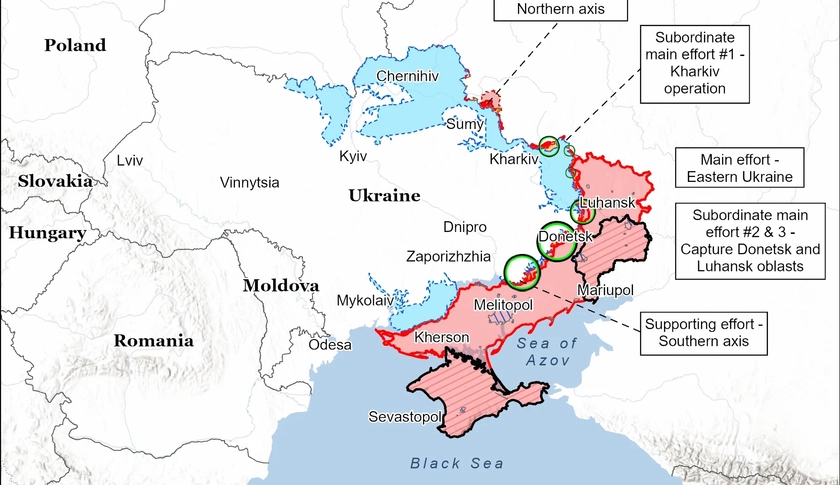
In an interview with The Economist, Musk argued that the front line has not significantly shifted over the past two to three years. He criticized diplomatic efforts focused on the complete withdrawal of the Russian army, stating that such a scenario is highly unlikely.
JOIN US ON TELEGRAM
Follow our coverage of the war on the @Kyivpost_official.
“Many engage in wishful thinking when they say Russia must completely withdraw its troops. It is unrealistic. I truly believe that some sort of peace agreement is needed. This must be approached pragmatically,” Musk stated.
He added that an agreement needs to account for the current reality on the battlefield, expressing concern that continuing the conflict under the premise of a full withdrawal will only lead to further loss of life.
Starlink smuggling and the “whitelist”
Addressing the use of Starlink by Russian forces, Musk confirmed that SpaceX never sold the terminals directly to Russia. Instead, the devices were procured via smuggling networks.
“They received terminals ordered through Ukraine, and then smuggled them to the east of Ukraine. In some cases, they were used to carry out attacks,” Musk explained.
Reports indicate that Russian forces began utilizing “grey” Starlink terminals on the front line in 2023. By early 2026, Russian units started integrating the terminals into drones to enable real-time control and to bypass Ukrainian air defenses.
Russian Jet-Powered Drone Hits Sumy Post Office, Killing 2
To combat the unauthorized use, Musk stated that SpaceX collaborated with the Ukrainian government to implement a “whitelist” of verified and approved terminals.
However, he acknowledged that this countermeasure negatively impacted some civilian users in Ukraine, who lost connectivity for work or educational purposes because their specific devices were not included on the approved list.
Russia’s domestic satellite alternative
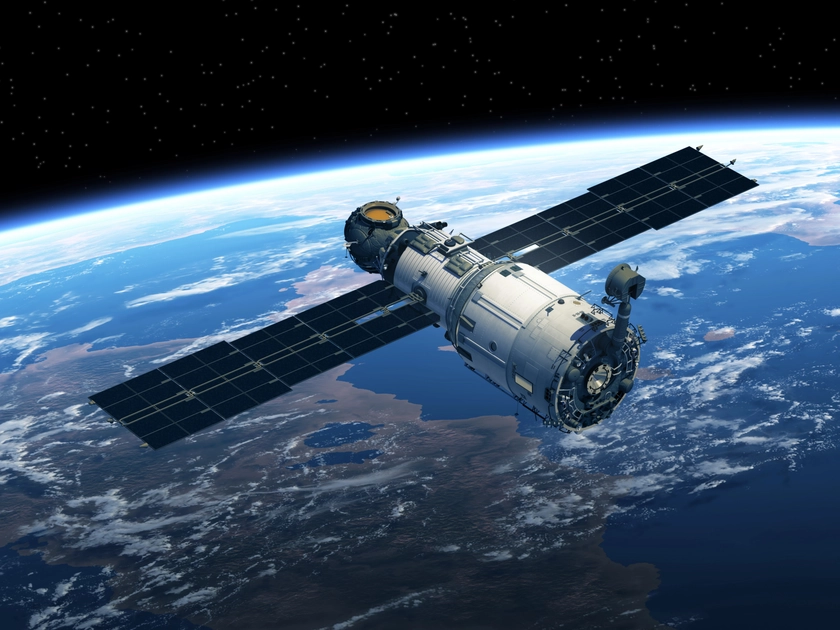
The continued struggle over satellite communications coincides with Russia’s ongoing development of its own low-Earth orbit constellation, Rassvet. Designed as a domestic alternative to Starlink, the project recently saw the launch of its second batch of satellites, bringing the total number in orbit to approximately 40.
While the newly launched satellites have not yet reached their operational positions, Russia will need to deploy hundreds more before the system can effectively support military command, control, and communications (C3).
Bureau 1440, the Russian aerospace company behind Rassvet, launched its first operational batch in March. The system aims to provide broadband internet with global coverage, offering speeds up to 1 Gbps.
The project is backed by substantial federal funding, with commercial services scheduled to begin by 2027 and plans to expand the constellation to over 900 satellites by 2035. Western and Ukrainian analysts have warned that the Rassvet network will provide significant military applications for Russian forces, ensuring secure connectivity and command-and-control capabilities independent of foreign systems like Starlink.
You can also highlight the text and press Ctrl + Enter