The US military is developing contingency plans for a large-scale ground operation in Iran aimed specifically at capturing or destroying the country’s enriched uranium stockpiles, according to the New York Post and CNN.
The Pentagon is reportedly evaluating the ground assault scenario as a viable alternative to further airstrikes on Iran’s heavily fortified nuclear infrastructure.
JOIN US ON TELEGRAM
Follow our coverage of the war on the @Kyivpost_official.
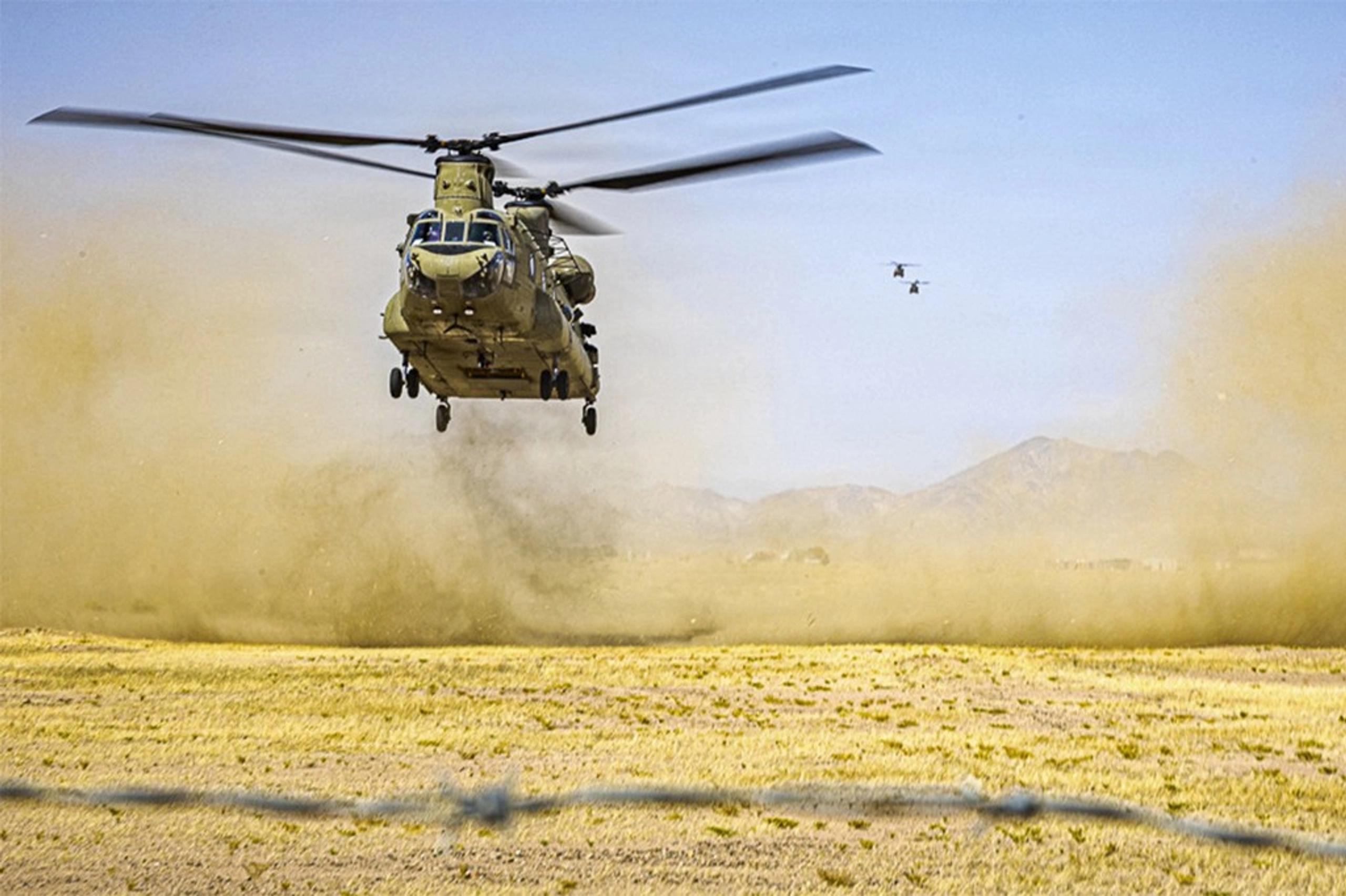
Executing the extraction operation would require thousands of US military personnel. According to the reported scenarios, conventional forces would first be deployed to secure the territory surrounding the nuclear facilities, neutralize landmines and explosive devices, and clear damaged entrances to underground complexes.
These forces would also be tasked with establishing defensive perimeters and securing evacuation routes.
Following the initial breach, smaller tactical teams – potentially comprising US Navy SEALs, Army Rangers, and specialized hazardous material units – would enter the facilities to physically extract or destroy the enriched uranium.
Potential targets for the operation include the underground complexes at Fordow and Isfahan, as well as a subterranean facility near Natanz known as Pickaxe Mountain, where analysts suggest hundreds of centrifuges may have been relocated following previous strikes.
The International Atomic Energy Agency (IAEA) estimated in 2025 that Iran had accumulated more than nine tons of enriched uranium, with a significant portion stored in deep tunnel networks near Isfahan.
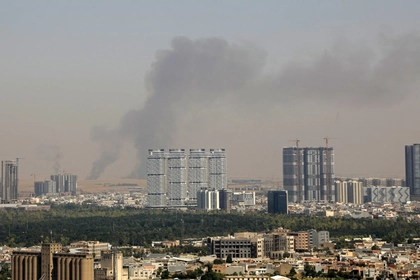
US-Iran War: Latest Developments
Security analysts noted the extreme difficulty of the proposed operation. Joseph Rogers, deputy director of the Center for Strategic and International Studies, indicated that a military ground scenario might be the only remaining method to quickly neutralize Iran’s nuclear material given the lack of diplomatic progress.
However, experts – including former US National Security Council official Richard Goldberg – warned of the high operational risks, highlighting the challenges of holding the sites against potential resistance and safely evacuating the extraction forces.
Washington has not officially confirmed the approval of a ground operation or established a timeline, positioning it currently as one of several scenarios under review by military planners.
Iran claims over 200 US casualties
As the Pentagon reviews ground scenarios, Iranian military officials claimed that their recent retaliatory strikes inflicted severe casualties on American forces, Tasnim reported.
General Hossein Mohebbi, a representative of the Islamic Revolutionary Guard Corps (IRGC), stated that more than 200 US military personnel were killed during “Operation Nasr II,” Tehran’s designation for its response to American airstrikes.
Mohebbi characterized previously released US casualty data as “lies” and claimed that Iranian forces targeted eight US military deployment centers, reportedly destroying 20 shelters at one location alone. He called on the US government to allow journalists access to the targeted bases to independently assess the damage.
The casualty figures provided by the IRGC have not been independently verified. The Pentagon and US Central Command (CENTCOM) have not yet released comprehensive casualty reports following the latest series of mutual attacks.
13 days of mutual strikes
The Iranian claims follow 13 consecutive days of US military operations targeting Iranian territory and IRGC assets across the region.
The current escalation intensified after an IRGC attack on US service members in Jordan on July 17. In response, CENTCOM launched consecutive nightly strikes targeting Iranian coastal surveillance, air defense facilities, maritime capabilities, and missile storage sites.
Tehran subsequently launched strikes against US allies in the Persian Gulf. On July 18, the IRGC claimed responsibility for targeting the US military support center at Camp Arifjan and a radar installation at the Ali Al-Salem Air Base in Kuwait, as well as locations in Bahrain.
The strikes in Kuwait also damaged domestic utility infrastructure, including a power plant and desalination complex, temporarily forcing the suspension of operations at Kuwait International Airport.
You can also highlight the text and press Ctrl + Enter