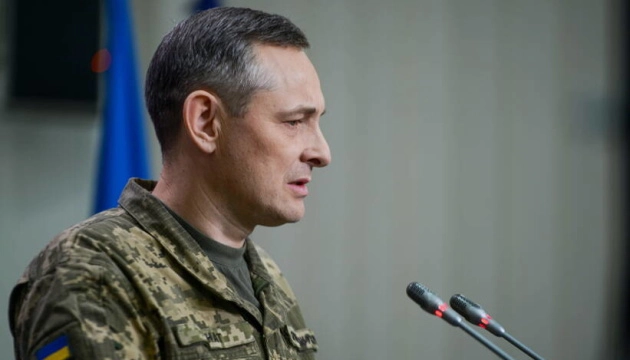
Russia has been launching missiles at Ukraine fresh off the production lines in recent weeks, according to Ukrainian Air Force spokesperson Yuriy Ihnat on Monday, July 27.
Speaking on national television, Ihnat said fragments from recently launched missiles contain factory markings dating to the past “three weeks, a month, two months ago.”
JOIN US ON TELEGRAM
Follow our coverage of the war on the @Kyivpost_official.
He said the trend suggests that Russia has limited stockpiles.
“Those fragments that are found with markings of three weeks, a month, two months ago, that the missile was launched just at the factory, indicate that not everything they have there is capable of accumulating and scaling up, that they do feel a problem,” Ihnat said, as reported by state media Ukrinform.
In June, Ukraine’s military intelligence (HUR) warned that Russia could launch up to 100 ballistic missiles against Ukraine each month without exhausting its stockpiles.
But by mid-July, Russia had launched 107 ballistic missiles and 20 Zircon missiles between July 1 and July 19, plus another 95 missiles of various types during the subsequent week.
Estimates suggest that the numbers had exceeded Russia’s known monthly production.
Ihnat added that the share of ballistic missiles launched, compared to cruise missiles, has risen sharply in July.
“Because they use a lot of missiles, you see that ballistics is becoming more in percentage terms,” he continued.

Organizer of Deadly Kyiv Defense Exhibition Held for 60 Days After Russian Strike
“This means that previously they launched significantly more cruise missiles than ballistic ones, now we have seen ballistic ones over the past week, it seems, more than 50 missiles that attack along a ballistic trajectory,” he added.
Ballistic missiles generally travel at much higher speeds, following a ballistic trajectory, whereas cruise missiles prioritize maneuverability, flying more like aircraft. The former’s high speed has traditionally made them more difficult to intercept.
The US Patriot missile systems are one of the few known to be able to intercept Russian ballistic missiles, but the missiles have been in constant shortage.
While Washington said it would grant Kyiv the license to manufacture them in early July, the production is unlikely to start within the same year, with reports suggesting that it would be hosted initially elsewhere in Europe before moving to Ukraine.
As a result, Kyiv is championing the “Freyja,” a joint European anti-ballistic system that aims to get a working prototype online within the next 12 months.
The storm before the calm?
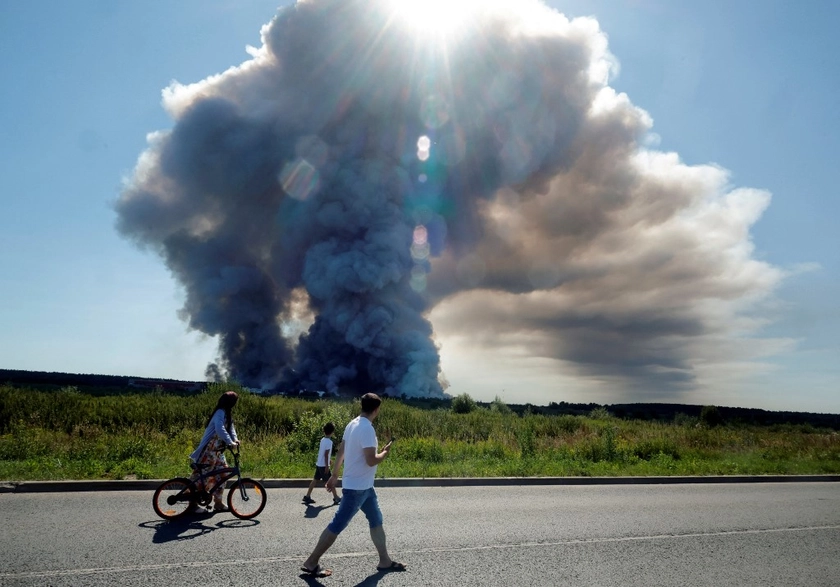
While the front line in Ukraine has remained largely unchanged in recent months, the summer of 2026 has seen a sharp escalation in deep strikes by both sides as Kyiv intensified its campaign against Russian oil infrastructure and military-industrial facilities.
By July, Ukraine had reportedly crippled around half of Russia’s oil refining capacity and severed key logistics routes supplying occupied Crimea. Russia, meanwhile, responded with an unprecedented wave of missile attacks on Ukrainian cities, reaching a level of intensity not seen during the five-year full-scale invasion.
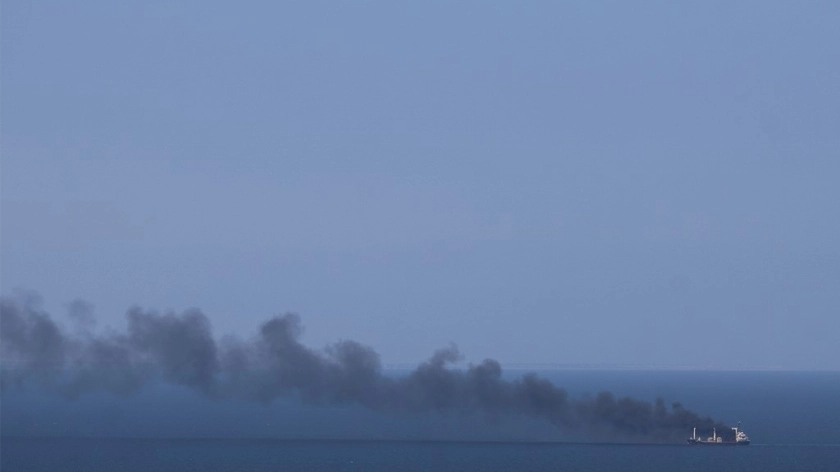
On the Black Sea, Ukraine targeted more than 100 tankers transporting Russian oil, while Moscow retaliated by striking grain infrastructure and merchant vessels operating to and from Ukrainian ports.
In July, Kyrylo Budanov, the head of Ukraine’s Presidential Office and former HUR chief, suggested that the current escalation could precede a potential ceasefire by the end of 2026.
However, recent reports indicate that Russia may be planning a major mobilization this autumn, reportedly seeking to raise 500,000 additional troops while deploying another 30,000 North Korean personnel for renewed offensives.
If realized, those plans would cast further doubt on when the bloodiest war on European soil since World War II, with an estimated casualty of over 2 million, might come to an end.
You can also highlight the text and press Ctrl + Enter