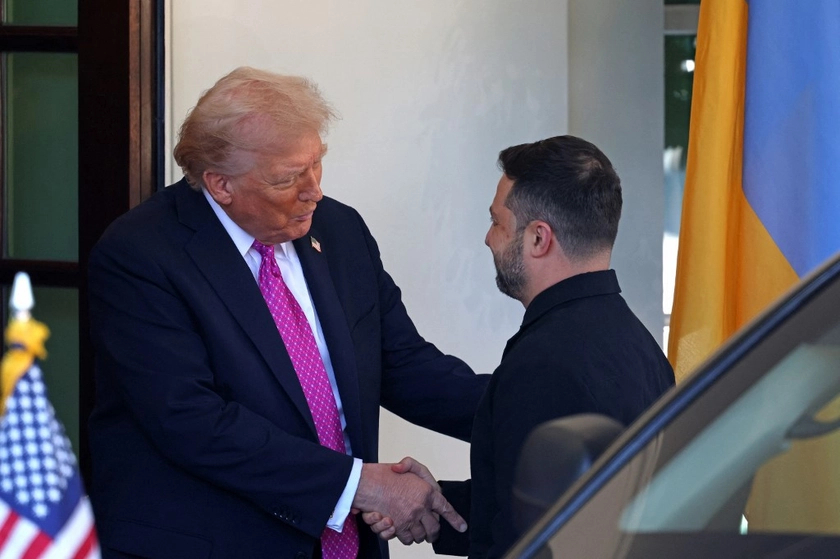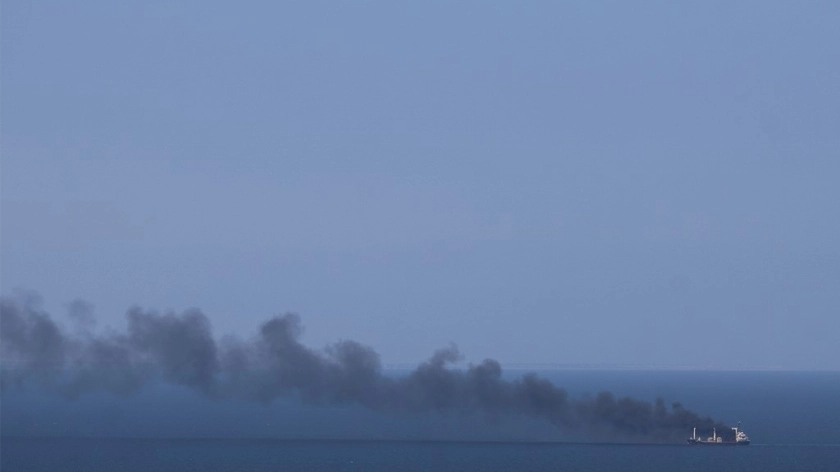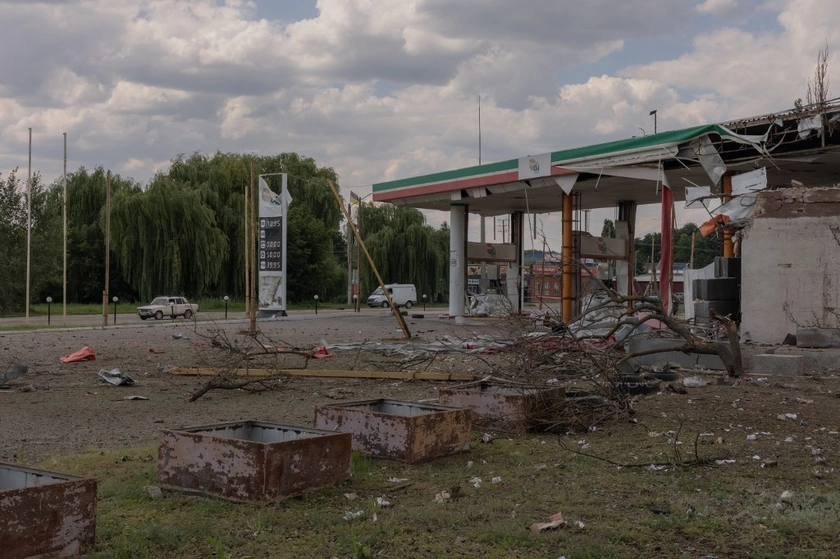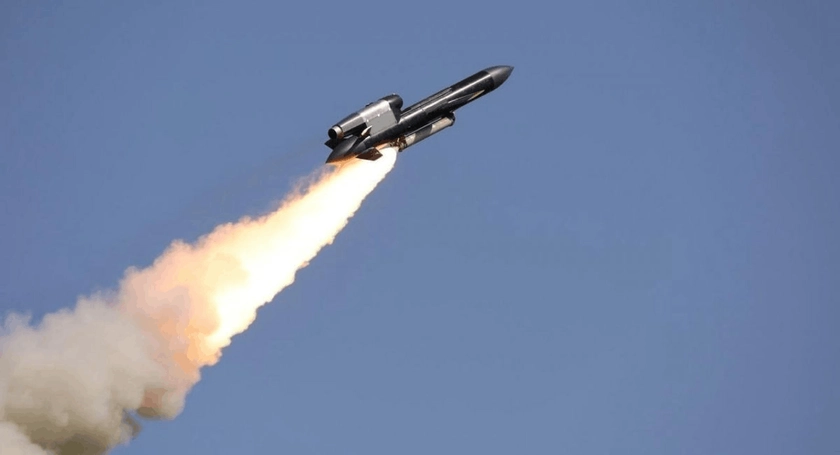
US President Donald Trump said Monday, July 27 that his administration will look into President Volodymyr Zelensky’s claim that Russia had passed images of American military bases to Iran.
According to Interfax-Ukraine, Trump made the remarks to reporters after Zelensky said Russia had been helping Iran strike military targets belonging to the US and Gulf states, citing Ukrainian intelligence on Saturday, July 25.
JOIN US ON TELEGRAM
Follow our coverage of the war on the @Kyivpost_official.
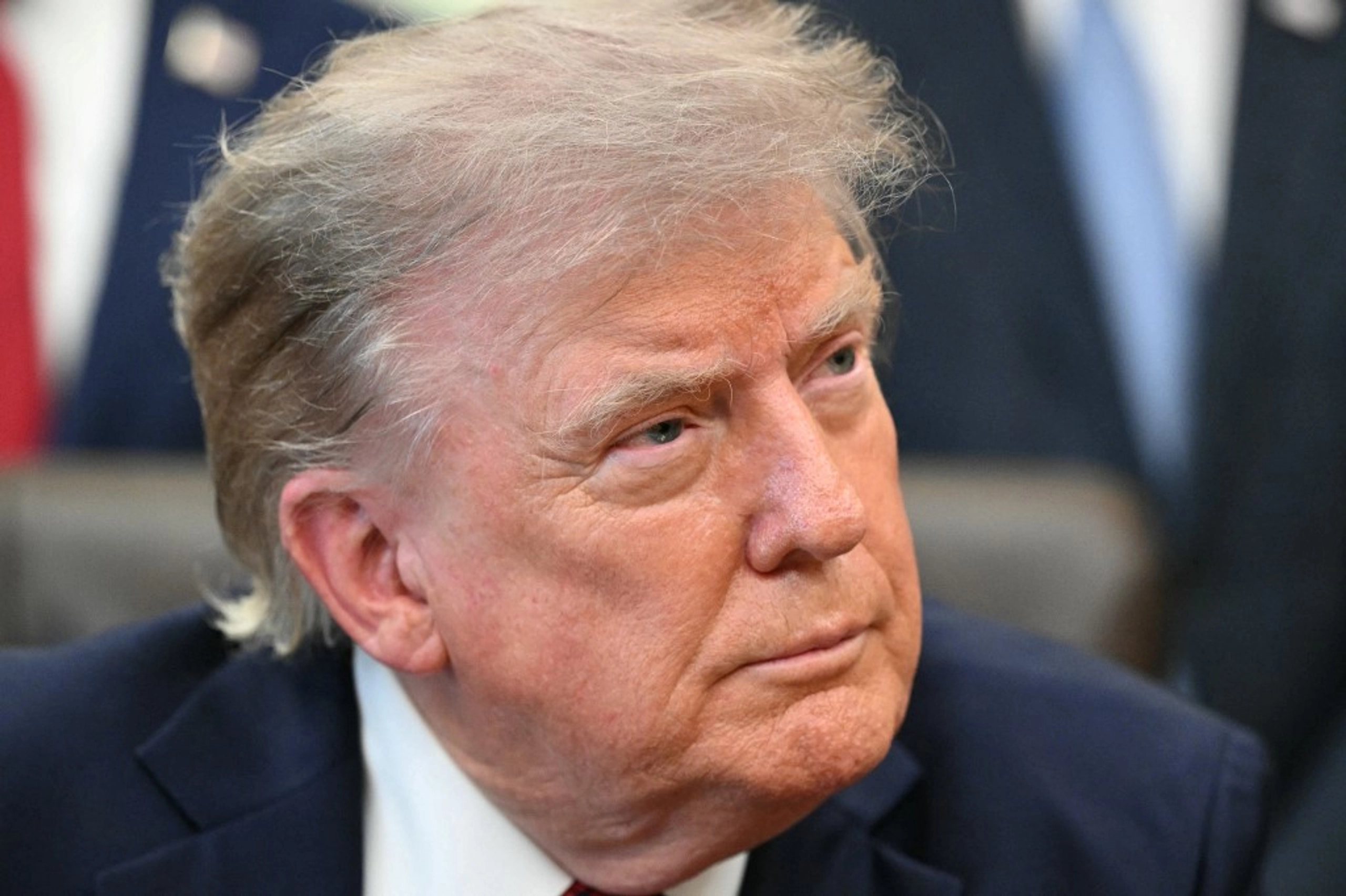
“Well, we’ll find out if that’s true. I’ll ask Putin about it. But even if they did, it had no impact whatsoever,” Trump said, adding that he doubted such cooperation could have occurred at a high level.
Trump dismisses Iran’s military capacity
Trump argued that any satellite-sharing arrangement between Moscow and Tehran would have been largely meaningless, given Iran’s limited military capabilities.
“They don’t have an army, they don’t have an air force, they don’t have a navy, they don’t have anything,” Trump said. “So it didn’t work,” he continued.
Zelensky’s initial allegation
Zelensky said Russian satellites focused specifically on four airbases across the Gulf region on July 19 and 20 alone – two in Bahrain, and one each in Jordan and Kuwait – timing he said left little doubt about the purpose behind the surveillance.
“Since the beginning of July, we have been recording active Russian satellite surveillance of Gulf countries’ territory and the American military facilities located there,” Zelensky said. “I will instruct intelligence to pass on to partners the information we have about Russia’s new assistance to the Iranian regime.”
Honoring Senator Lindsey Graham – Helping Ukraine, Punishing Russia
According to Zelensky, the intelligence-sharing came as part of a broader pattern in which Moscow’s satellite imagery of American military sites in the Gulf was later used by the Iranian military to both plan strikes and assess the damage caused.
He said the issue is a global concern, arguing that failing to confront the alleged Russia-Iran cooperation would allow “evil” to expand further.
Additionally, he called on sustained pressure on Moscow to help push it to the negotiating table and essentially end the war.
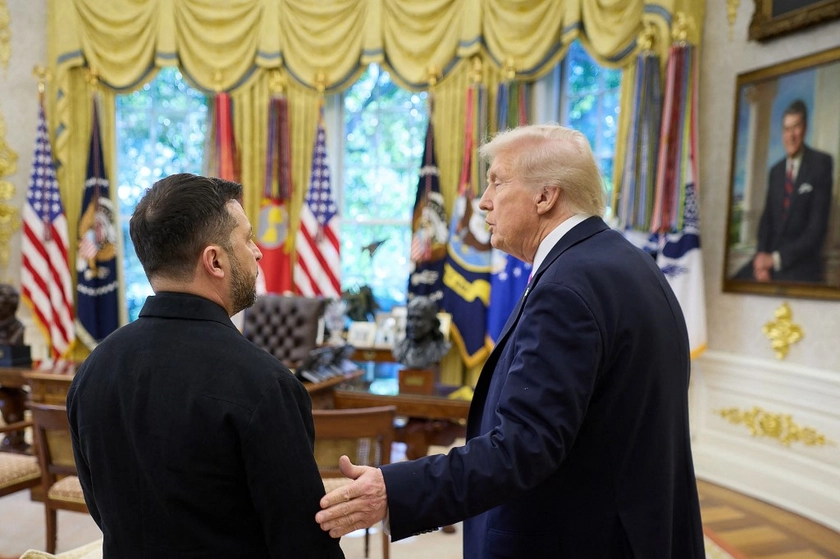
His remarks came after the White House officially confirmed on Friday, July 24, that Trump and Zelensky are scheduled to meet in Washington on Tuesday, July 28, – around the same time as the funeral for late US Senator Lindsey Graham funeral – where they are expected to discuss renewed proposals for ending Russia’s war.
Graham had long stood out as one of the Senate’s most vocal Ukraine allies and the driving force behind legislation seeking additional sanctions against Russia.
Previous Russia-Iran military ties
The exchange comes amid heightened scrutiny of the Moscow-Tehran relationship, which has expanded significantly since Russia’s full-scale invasion of Ukraine began in 2022.
Throughout the war, Iran has supplied Russia with Shahed drones, deepening a partnership that has since evolved into domestic Russian manufacturing of Shahed-type drones under the Geran designation.
In March, Zelensky said he had been informed that Russian satellites photographed several military and strategic sites across the Middle East and Gulf region, marking an earlier sign of the deepening intelligence ties between the countries.
A 10-page plan, attributed to Russian military intelligence (GRU), unveiled that Russia was preparing to supply Iran with 5,000 short-range drones equipped with fiber-optic control systems, as well as train their military against US forces in May.
According to The Economist, there were also plans to provide an unspecified number of long-range drones using satellite guidance technology.
Ukrainian authorities have previously said that Russia has provided Tehran with satellite intelligence and military assistance on Israeli energy targets. The data shared by Moscow covered approximately 50 to 53 sites, all of which are part of Israel’s civilian infrastructure.
You can also highlight the text and press Ctrl + Enter