


EN

EN


EN
Stay informed with the most important Ukraine breaking news today. This page compiles the top headlines and critical updates from across Ukraine, offering a real-time snapshot of key developments.
Whether it’s military updates, political changes, or international reactions — we bring you the latest Ukraine news as it happens. All reports are carefully curated from verified sources and KyivPost correspondents on the ground.
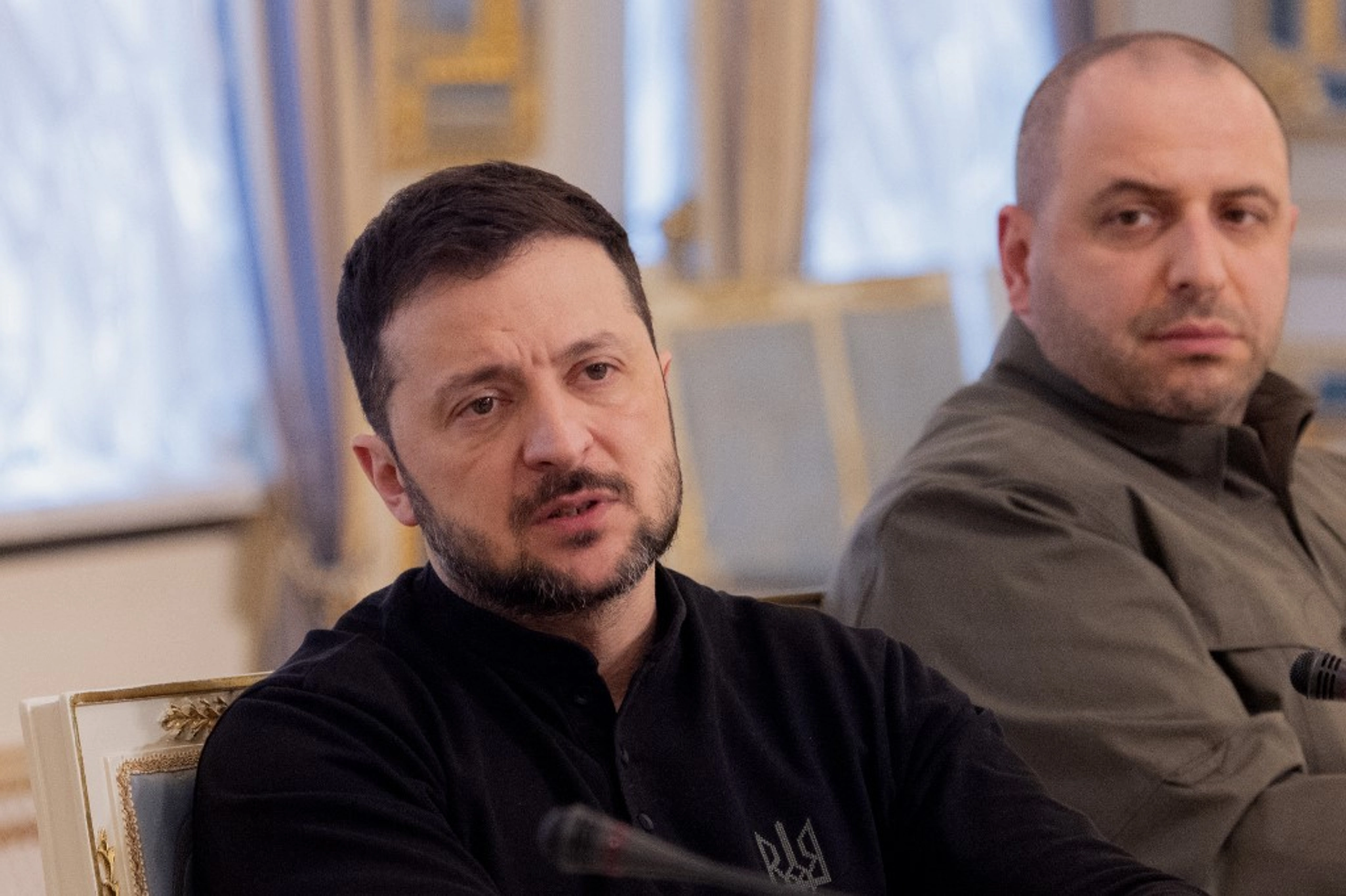
Former Defense Secretary Rustem Umerov, now the National Security head, has proposed the continuation of peace talks with Russia next week.
President of Ukraine Volodymyr Zelensky said Saturday evening that Ukraine is proposing peace talks with Russia next week.
Zelensky announced in a video published on his Facebook page that Rustem Umerov, Ukraine’s new Secretary of the National Security and Defense Council and until earlier this week the Secretary of Defense, has proposed a meeting with Russian negotiators next week.

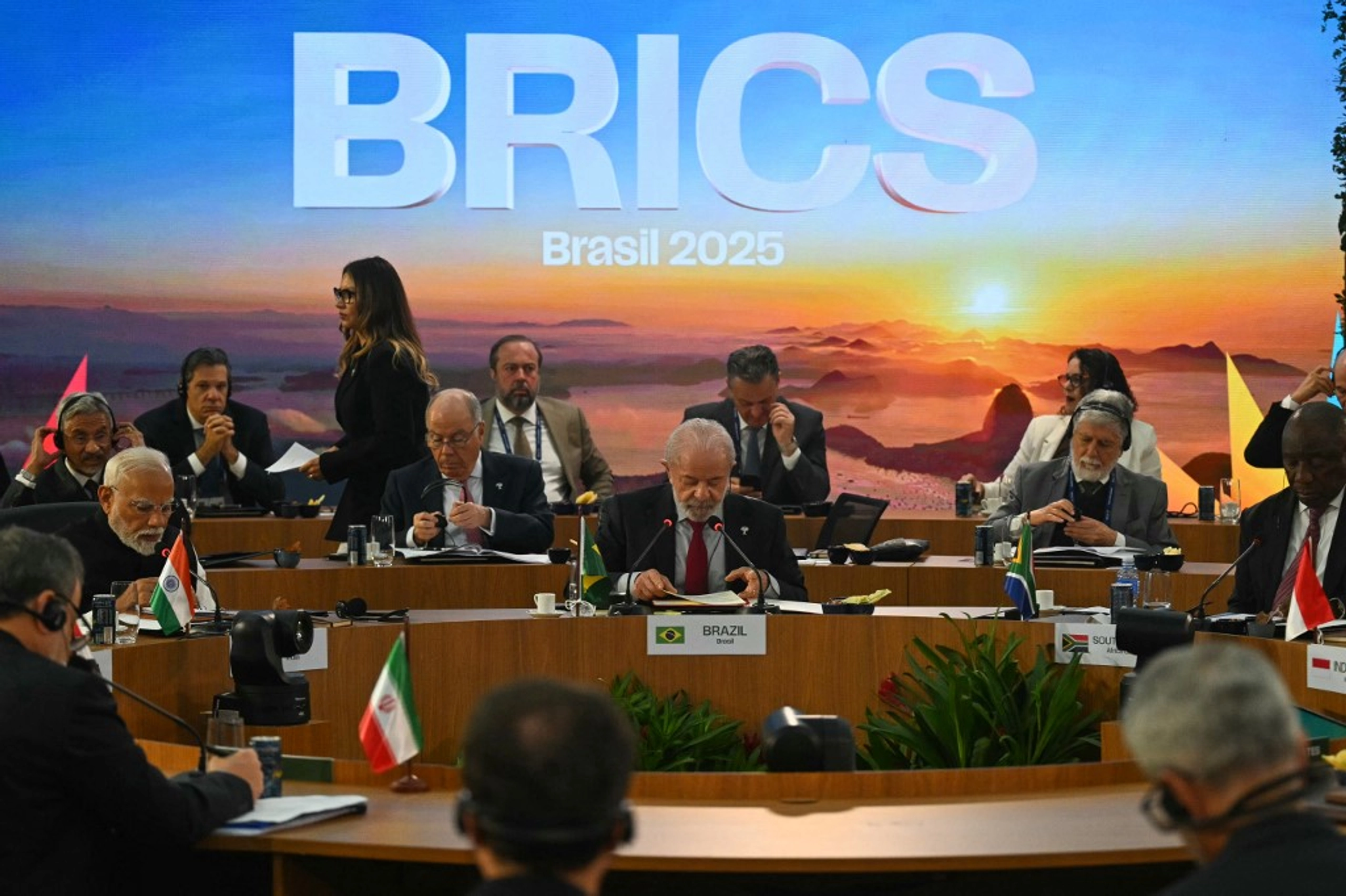
When BRICS countries gathered in Brazil for a summit, the result was an appalling case of willful blindness toward Russia’s crimes. The hypocrisy is astounding.
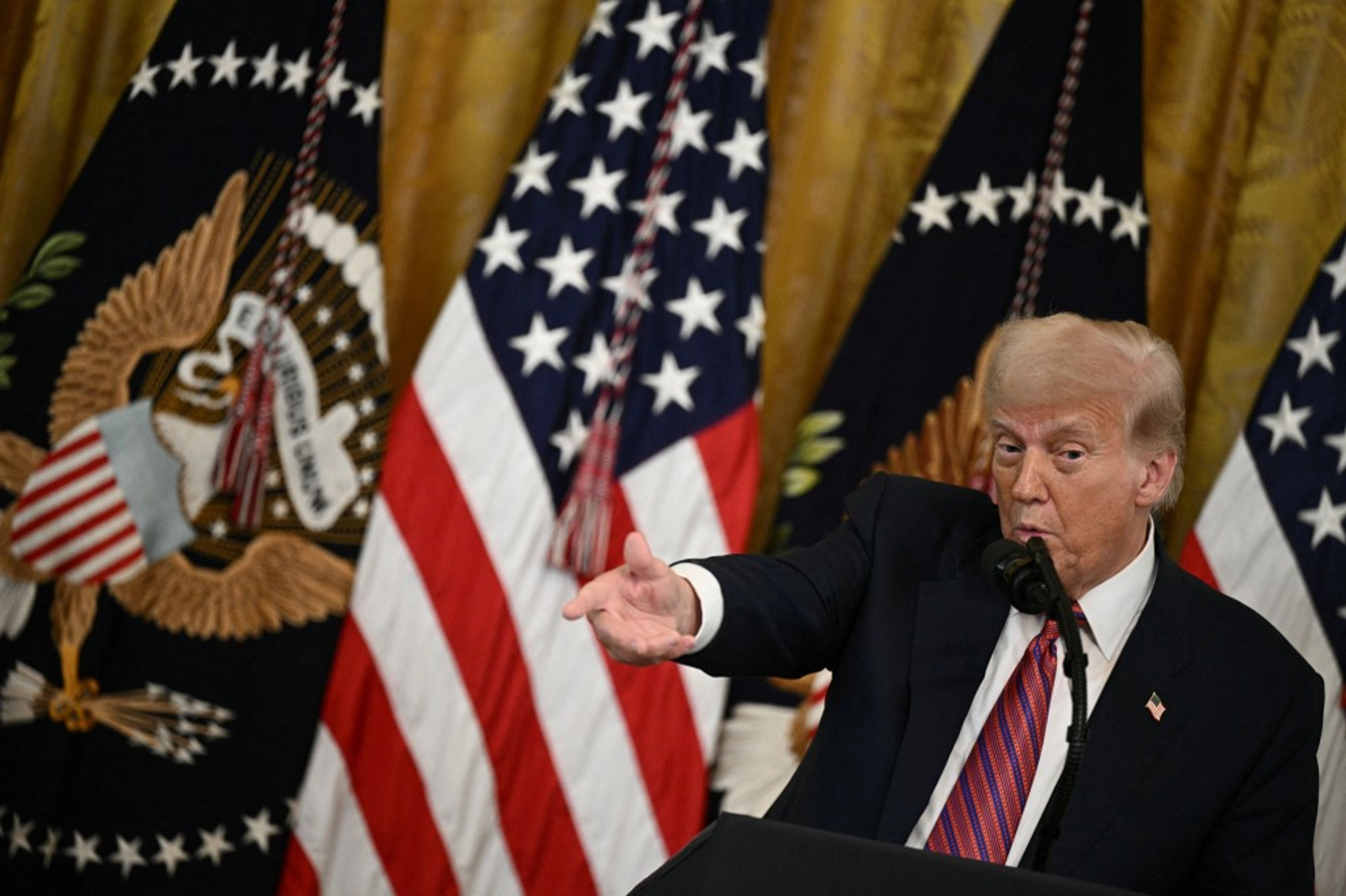
Donald Trump is threatening his Brazilian counterpart Lula da Silva with 50% import tariffs as of Aug. 1, even though Brazil has no trade surplus with the US. A major reason is the trial of former Brazilian President Jair Bolsonaro, who has been indicted for an alleged coup attempt after losing the 2022 presidential election.
“The trial should not be taking place. It is a witch hunt which should end IMMEDIATELY,” Trump wrote to Lula.

In Moscow Trump’s threats are not taken seriously. Russia’s political and business elites are convinced that talk of new sanctions will remain just that – talk.
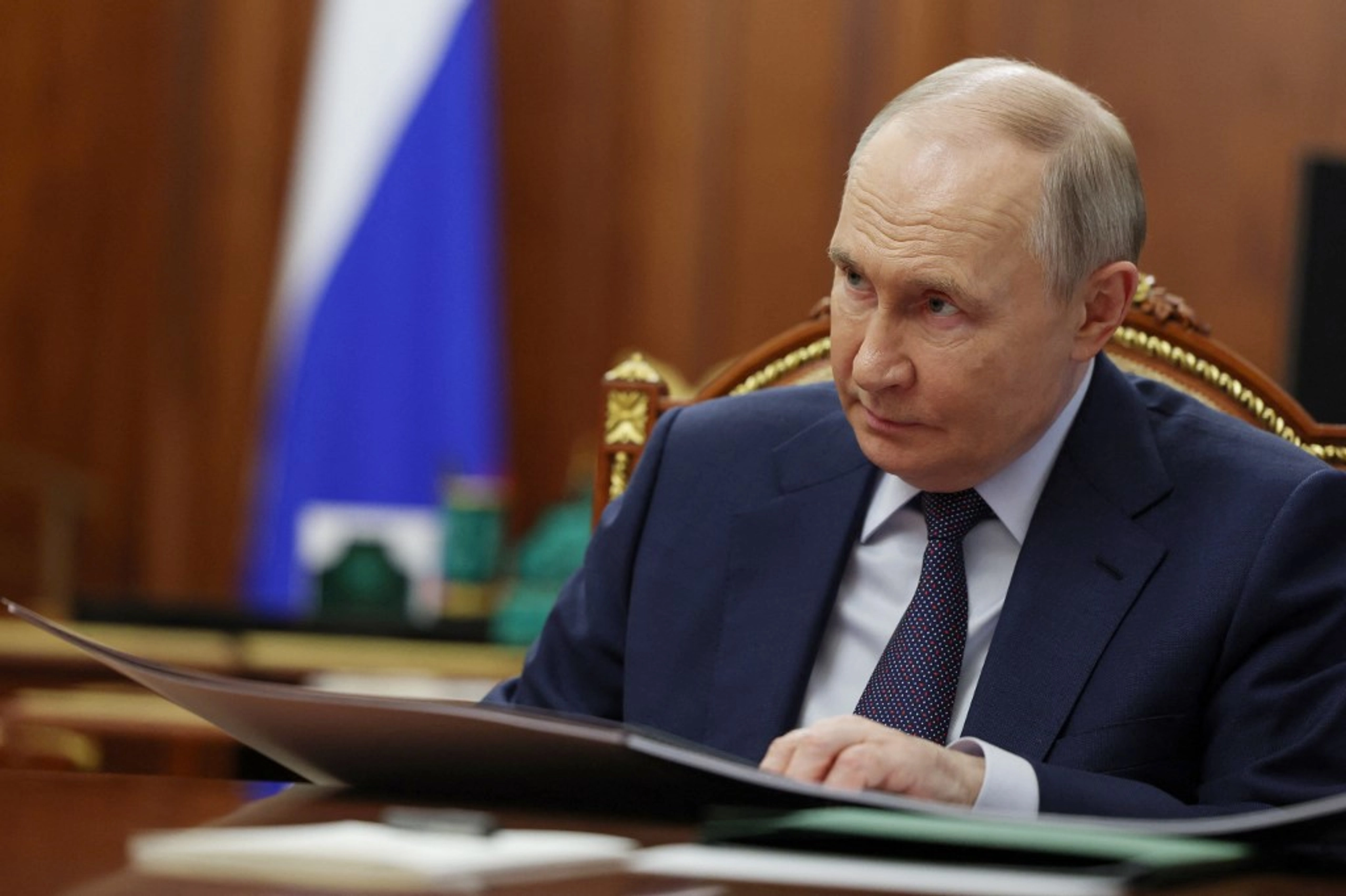
Does Vladimir Putin believe that Donald Trump has truly changed his stance on Russia and Ukraine, and is now preparing to pursue a new policy?
The short answer is no. Putin views Trump’s entire political approach as a series of emotional swings. A period of cooling off will inevitably be followed by a warming phase, and Trump will continue to alternate between playing the good cop and the bad cop.

Stefan Korshak, Kyiv Post’s military correspondent, shares his perspective on recent developments in Russia’s war in Ukraine.
All things good and bad come to an end, and the war hasn’t gone anywhere. The following was written mostly from outside Ukraine. The only real perspective “outside” gave me is that, yes, really, major nations and millions of people can have a giant conventional war in progress next door or close to next door, and for them it’s like weather in Antarctica: Probably unpleasant for the people there, but not having anything to do with me.
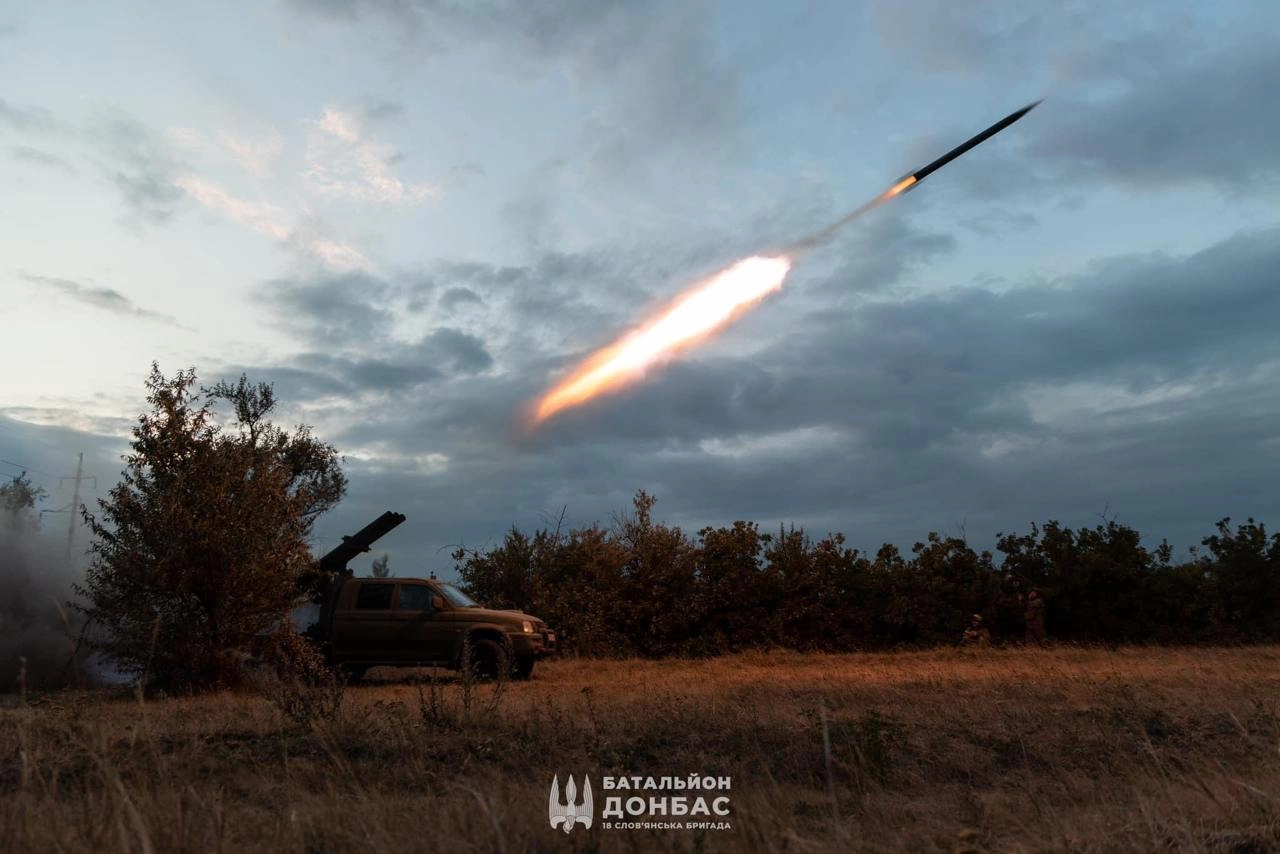
Sitting in peaceful Europe, it was appalling how little the news outside Ukraine communicated the scale of the Russian strikes for the past couple of weeks. The information is there, it’s widely confirmed, Ukraine is being subjected to the most intense long-term wartime air bombardment of a country, by some metrics, since Vietnam.

Welcome to the Summary of the Week – your weekly briefing on the biggest developments from Ukraine and beyond.

A painful, predictable lesson learned over six months.
Earlier this week President Trump announced that the United States would expand its current portfolio of security aid to Ukraine. According to the initial description of this plan, the United States will increase the sale of arms to NATO members who will then transfer weapons and equipment to Ukraine.
Patriot anti-air systems, a crucial part of Ukraine’s air defense network that have been in short supply, are reportedly among the types of equipment that will be included in this plan. This strategy implies that Ukraine’s inventory of equipment used to defend against Russian aggression will expand as previously allocated security aid will be combined with additional rounds of arms sales.

Polish-Ukrainian relations are being put to the test over the unresolved historical dispute surrounding Volhynia – a topic that could have lasting consequences for the future of the partnership.
Since the beginning of Russia’s invasion, Poland and Ukraine have closely cooperated: Warsaw welcomed millions of refugees, provided military aid, and strengthened diplomatic ties. Yet despite this strategic alliance, a lingering issue from the past is increasingly casting a shadow over the relationship – the 1943 Volhynia events.
Referred to in Poland as a “massacre,” and in Ukraine as a “tragedy,” it remains a flashpoint in societal dialogue. Although Kyiv Post has reported progress, public sentiment in Poland suggests that the pace is too slow and the scale too limited. This unsettled historical grievance is stirring strong emotions and overshadowing other aspects of bilateral cooperation. Historical memory holds a special place in Polish identity, making the past easy to politicize.
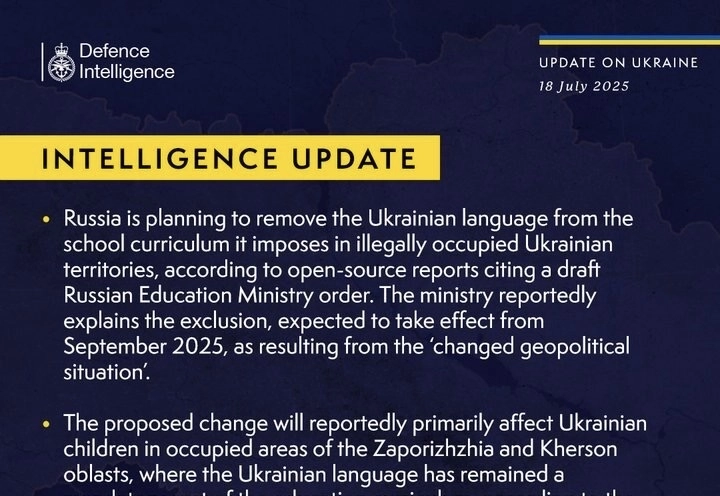
Latest from the British Defence Intelligence.

French officials say its defense efforts must increase in the face of a menacing Russia and a potential Trump administration disengagement from Europe.
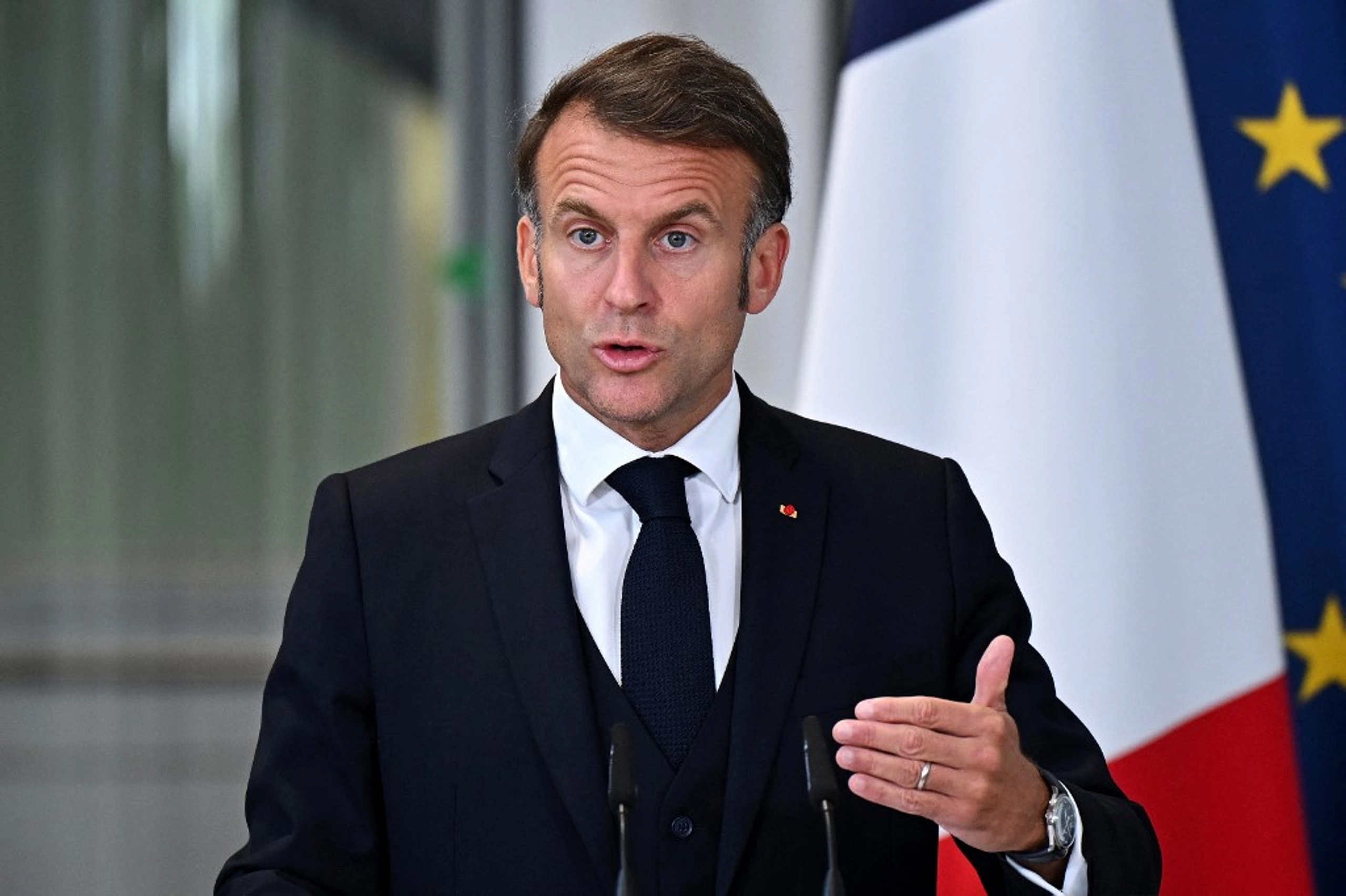
President Emmanuel Macron is on Sunday to set new French defense targets in the face of a menacing Russia and a potential United States disengagement from Europe, his office said.
“Defense efforts” must be made in the face of mounting threats and a disintegrating world order, Elysee officials said ahead of the president’s 7:00 pm (1700 UTC) speech to the armed forces, traditionally held on the eve of France’s national Bastille Day holiday.
Moscow launched another attack all across Ukraine with more than 300 strike drones and over 30 missiles of various types. At least three dead and many injured.
On the night of July 18-19, (beginning from 7:30 p.m. on July 18), Russia attacked Ukrainian cities with 379 air attack vehicles, according to Ukraine’s air force.
The missiles come in defiance of a 50-day ultimatum imposed by US President Donald Trump, which his Russian counterpart, Vladimir Putin, seems to be dismissing as an empty threat.
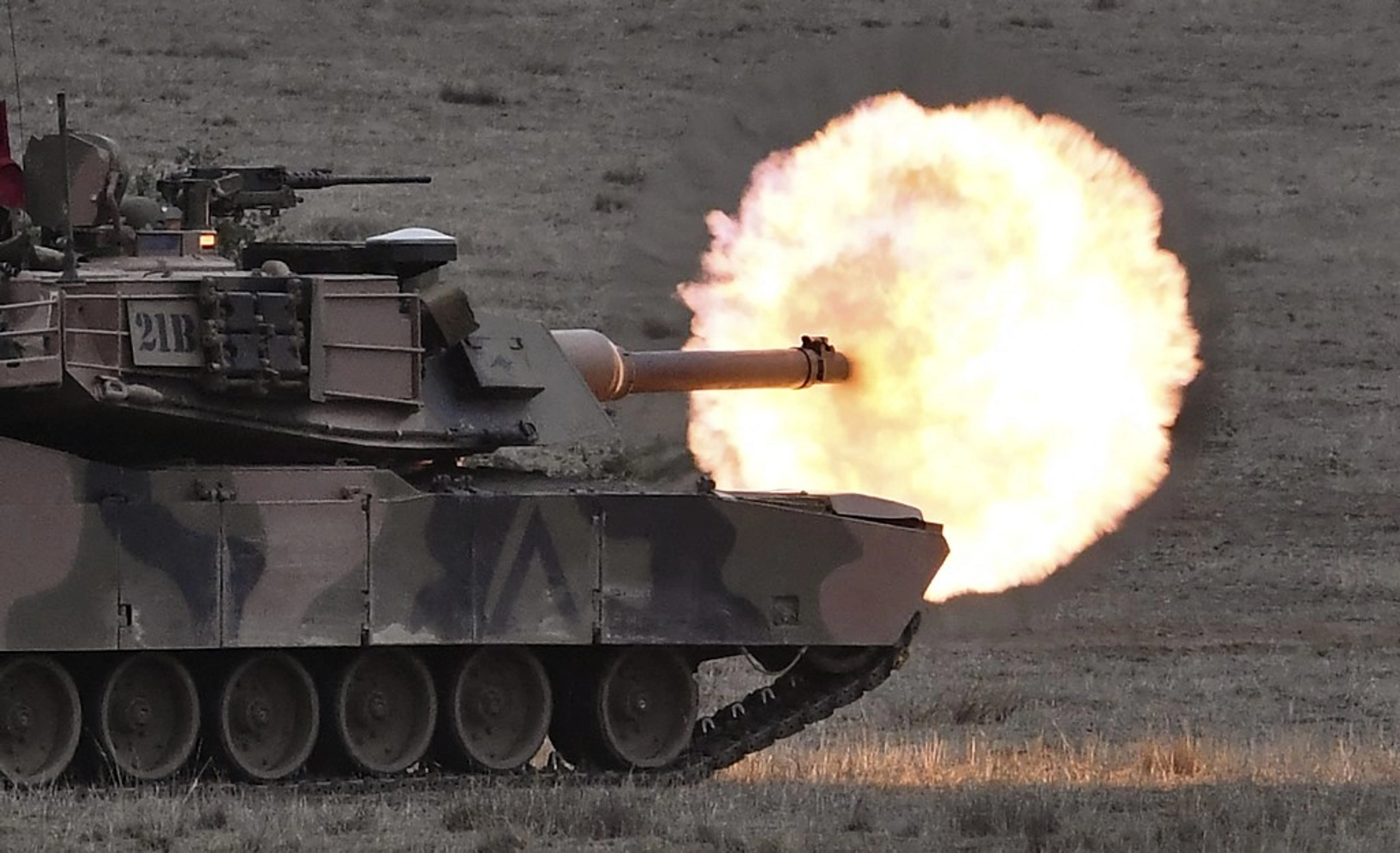
Australia delivers on a promise to help Ukraine with M1A1 Abrams tanks. The first of 49 in total have been delivered. But the Abrams tanks have some glaring vulnerabilities.
Ukraine has received the first of 49 tanks that Australia promised to send last year.
Australia’s government said on Saturday it had delivered M1A1 Abrams tanks to Ukraine as part of an A$245 million ($160 million) package to help the country defend itself against Russia aggression.

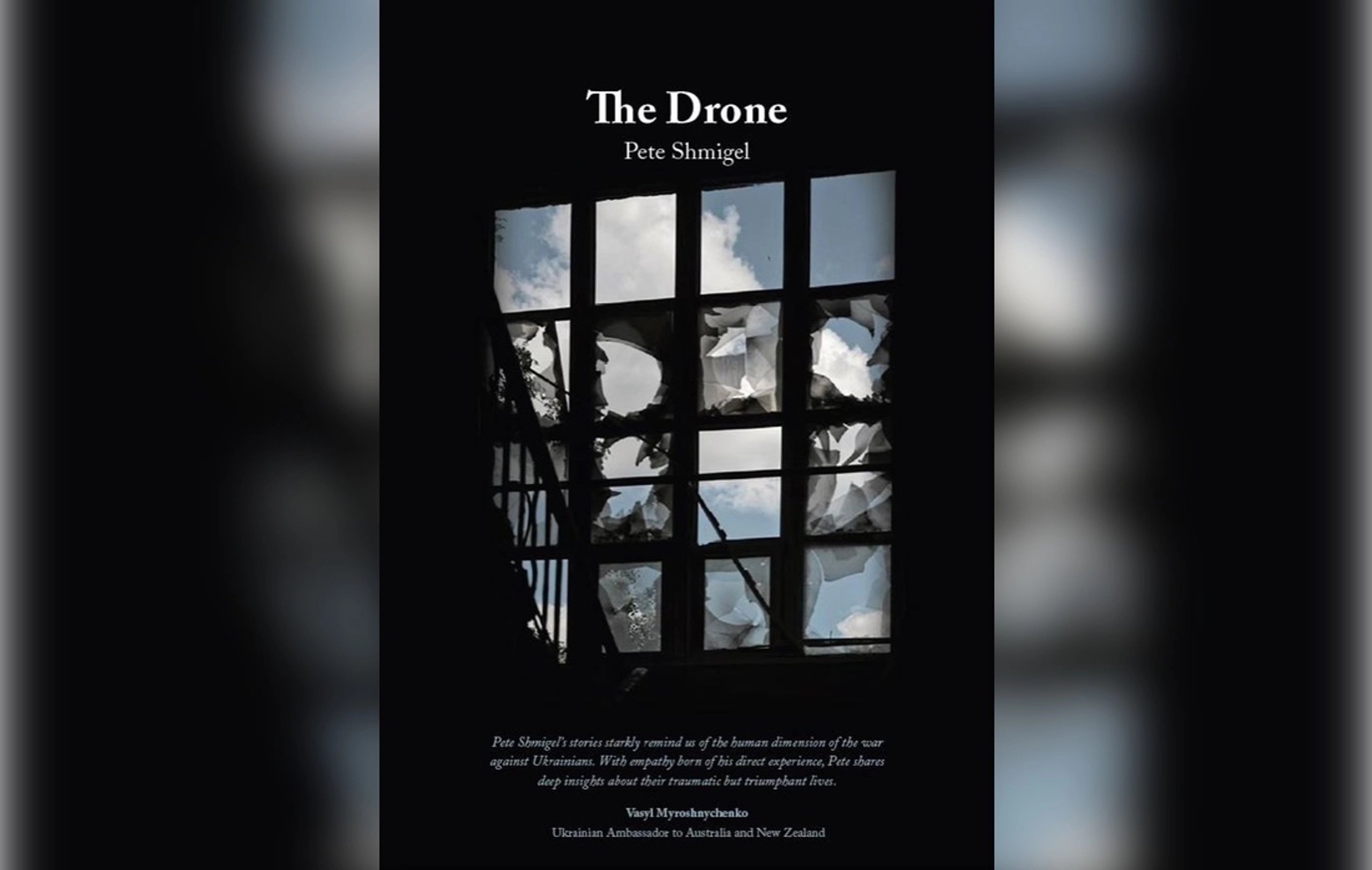
Kyiv Post author Pete Shmigel’s collection of short fiction about people caught in the war against Ukraine is a penetrating look into how trauma is processed.
The whole world has been watching the war in Ukraine – perhaps the most televised and talked about in history, at least in real time. There’s not much subtlety to it: cities under siege, mass graves, missiles hitting buildings, videos of drones dropping ordnance, first-person footage of infantry assaults…
Many spectators in front of their computer screens have become inured to the spectacle. “Ukraine fatigue” it’s called in some circles.

Lawmakers overwhelmingly rejected an attempt to cut Ukraine funding as part of the new defense bill.
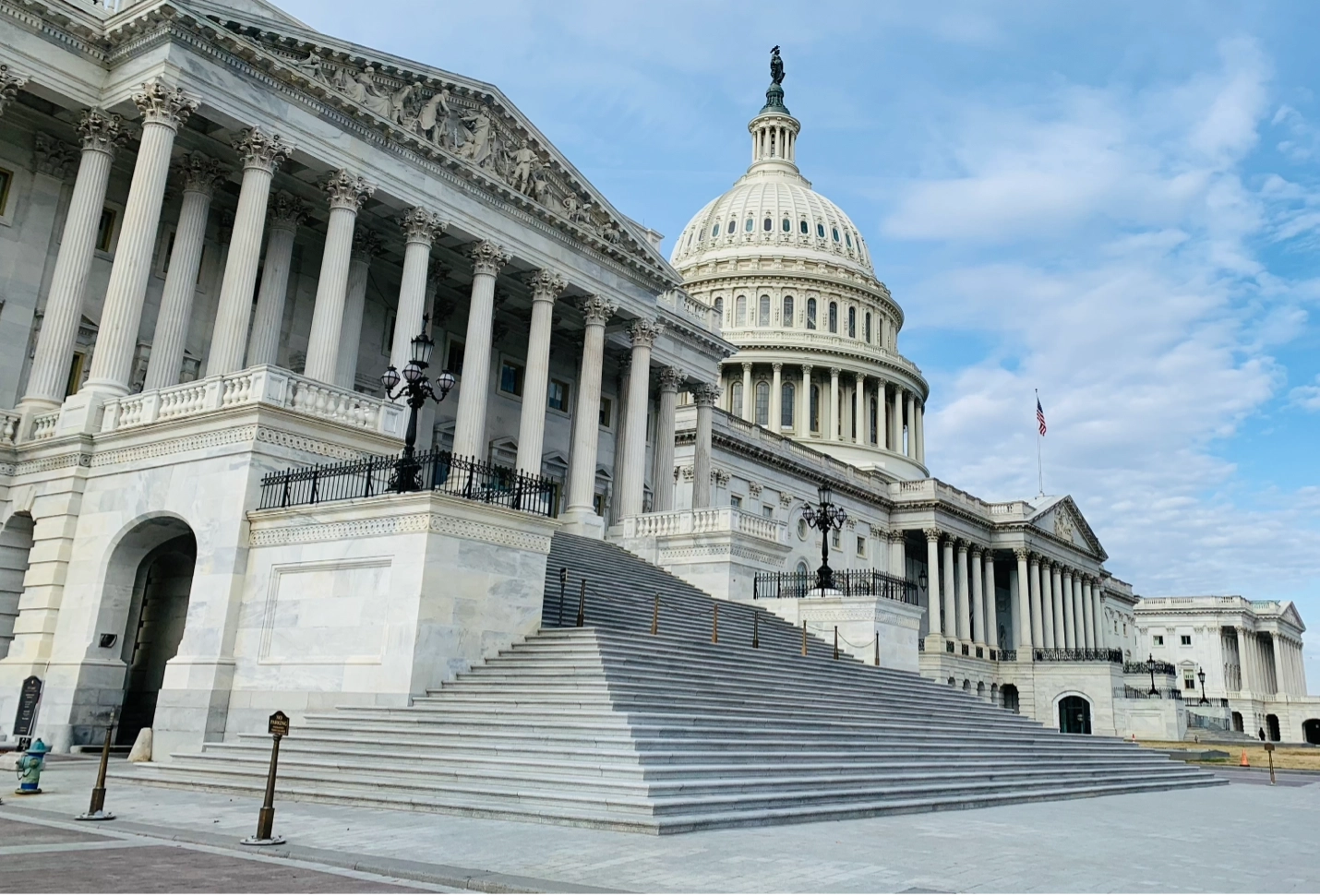
WASHINGTON DC – The US Congress on Friday passed its $832 billion defense appropriations bill for the next fiscal year – a significant legislative step that, while not directly allocating new funds to Kyiv, underscored the ongoing political landscape surrounding US support for Ukraine.
The bill largely maintains defense spending at FY25 levels and refocuses the Pentagon on its core mission of delivering combat-ready military forces.
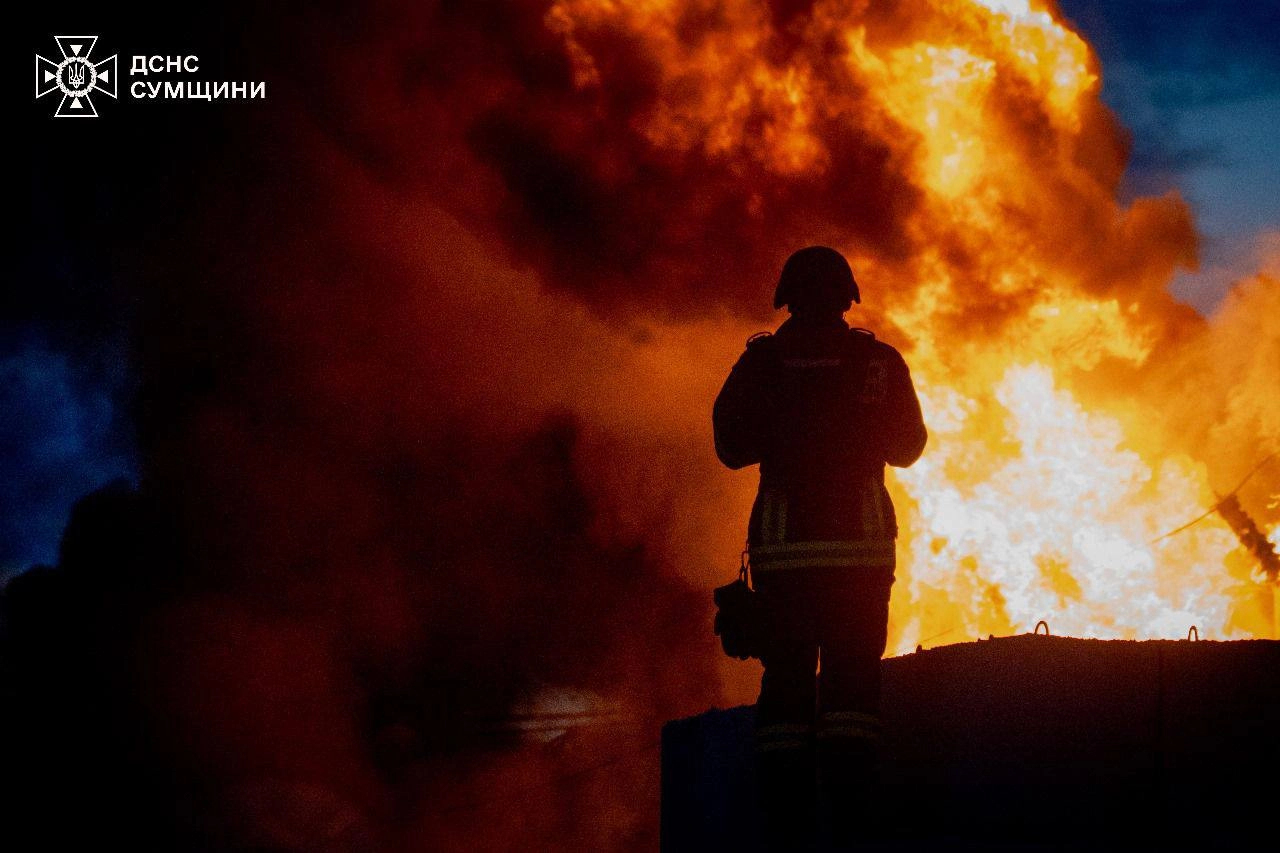
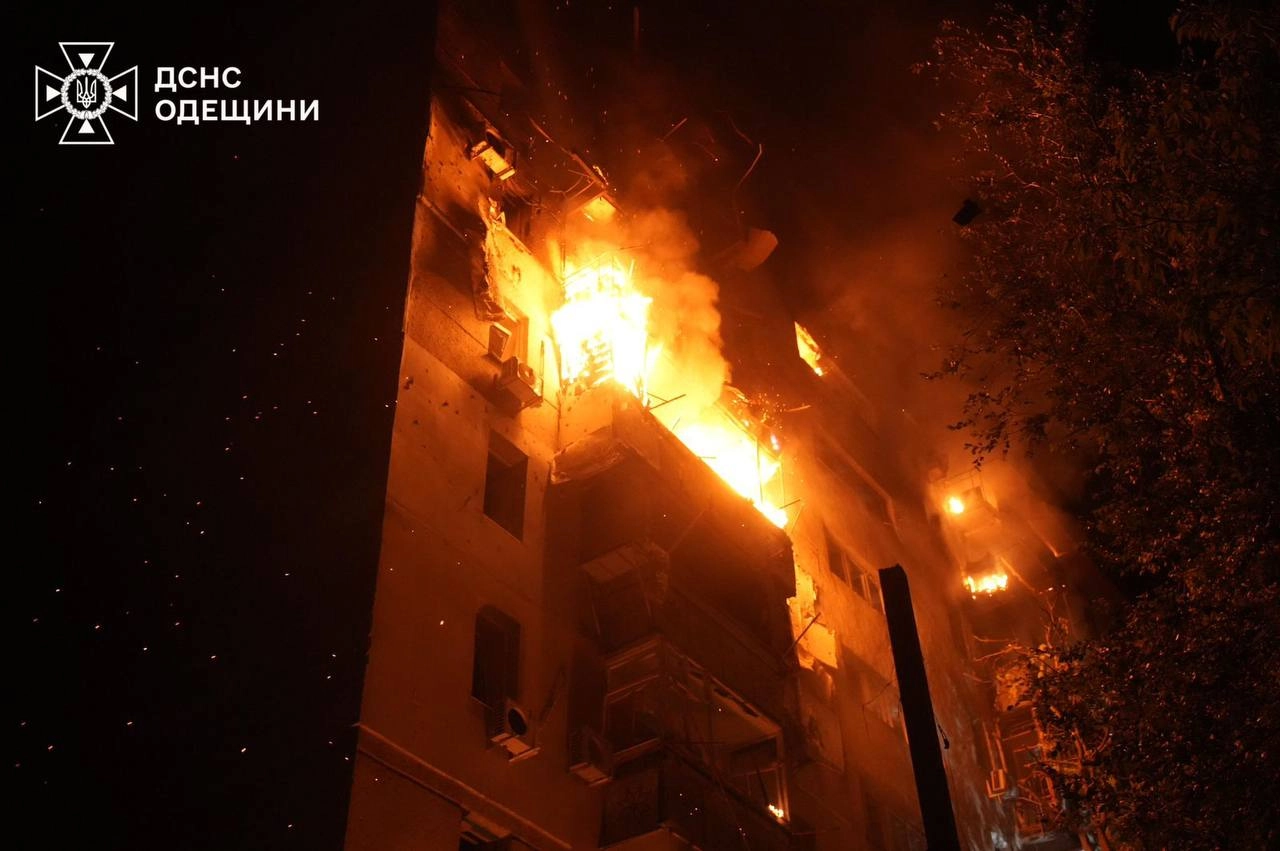
Flouting Trump’s 50-day deadline, Russian forces continue their stepped-up attacks on Ukrainian civilian targets by destroying an apartment building in Odesa.
A Russian drone attack on the Ukrainian port city of Odesa killed at least one person, its mayor said early Saturday, while Moscow said it intercepted dozens of Ukrainian drones.
“Odesa was attacked by enemy strike drones – more than 20 UAVs approached the city from different directions,” Mayor Gennadiy Trukhanov wrote on Telegram.
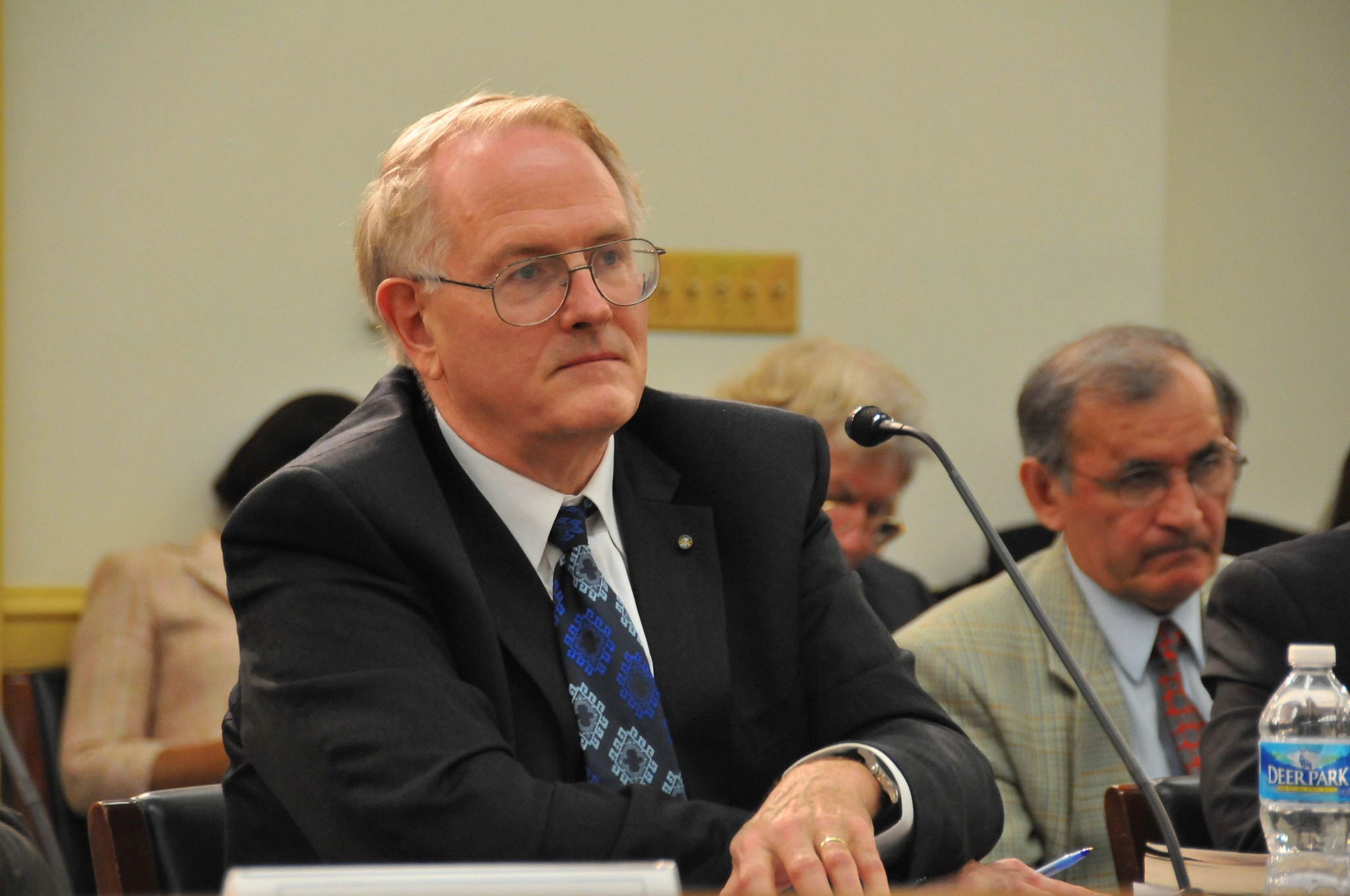
Former State Department adviser and CIA analyst Paul Goble says Trump’s 50-day deadline gives Russia the green light for summer offensive.
WASHINGTON DC - Paul Goble, a former State Department special adviser and ex-CIA analyst, warns that US President Donald Trump’s recent 50-day ultimatum to Russia regarding a peace deal with Ukraine, coupled with the threat of sanctions, may backfire.
Goble suggests the move could inadvertently embolden the Kremlin, giving it relatively free hands for the next seven weeks to act rather than pressuring it towards peace.

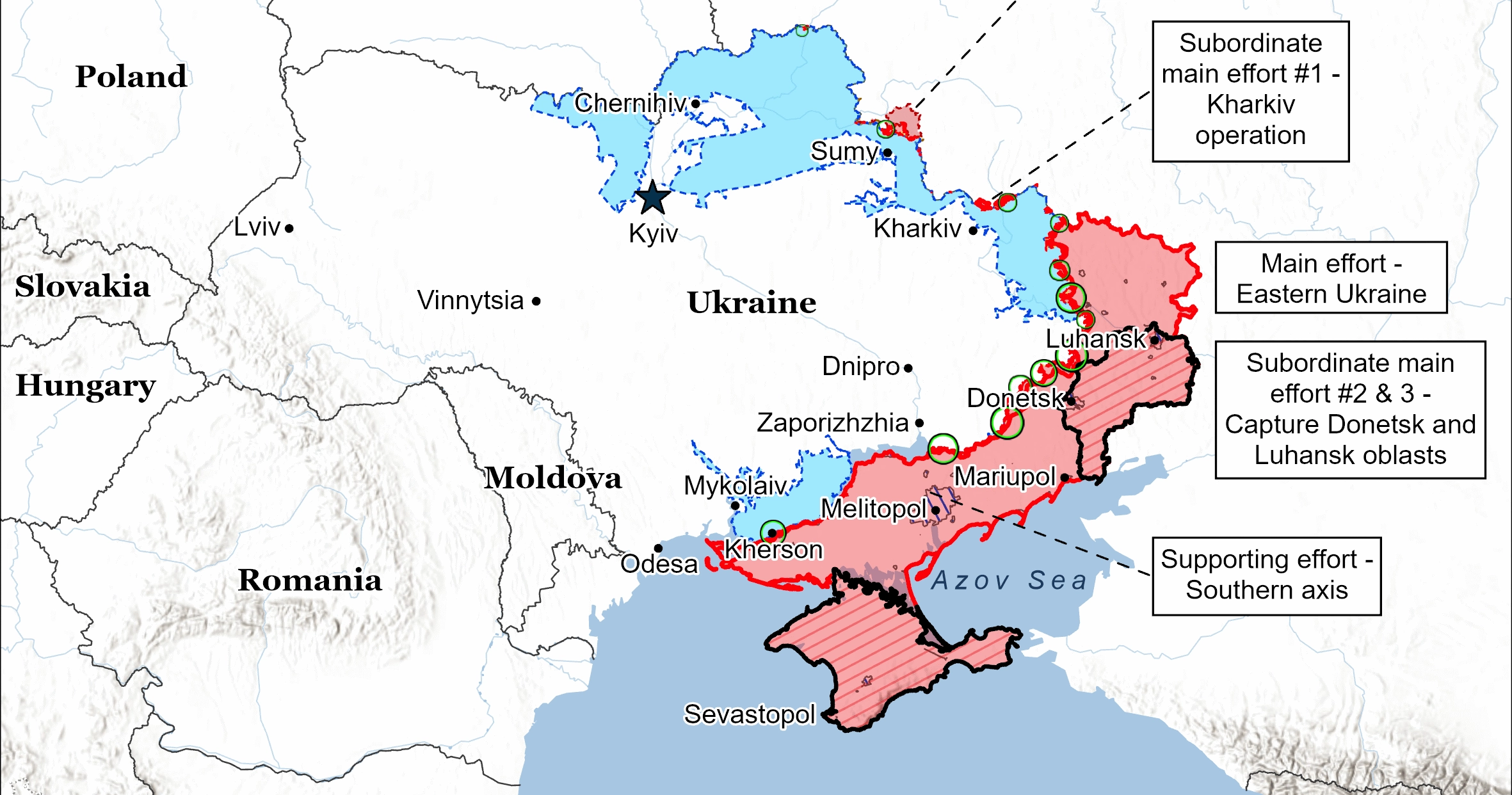
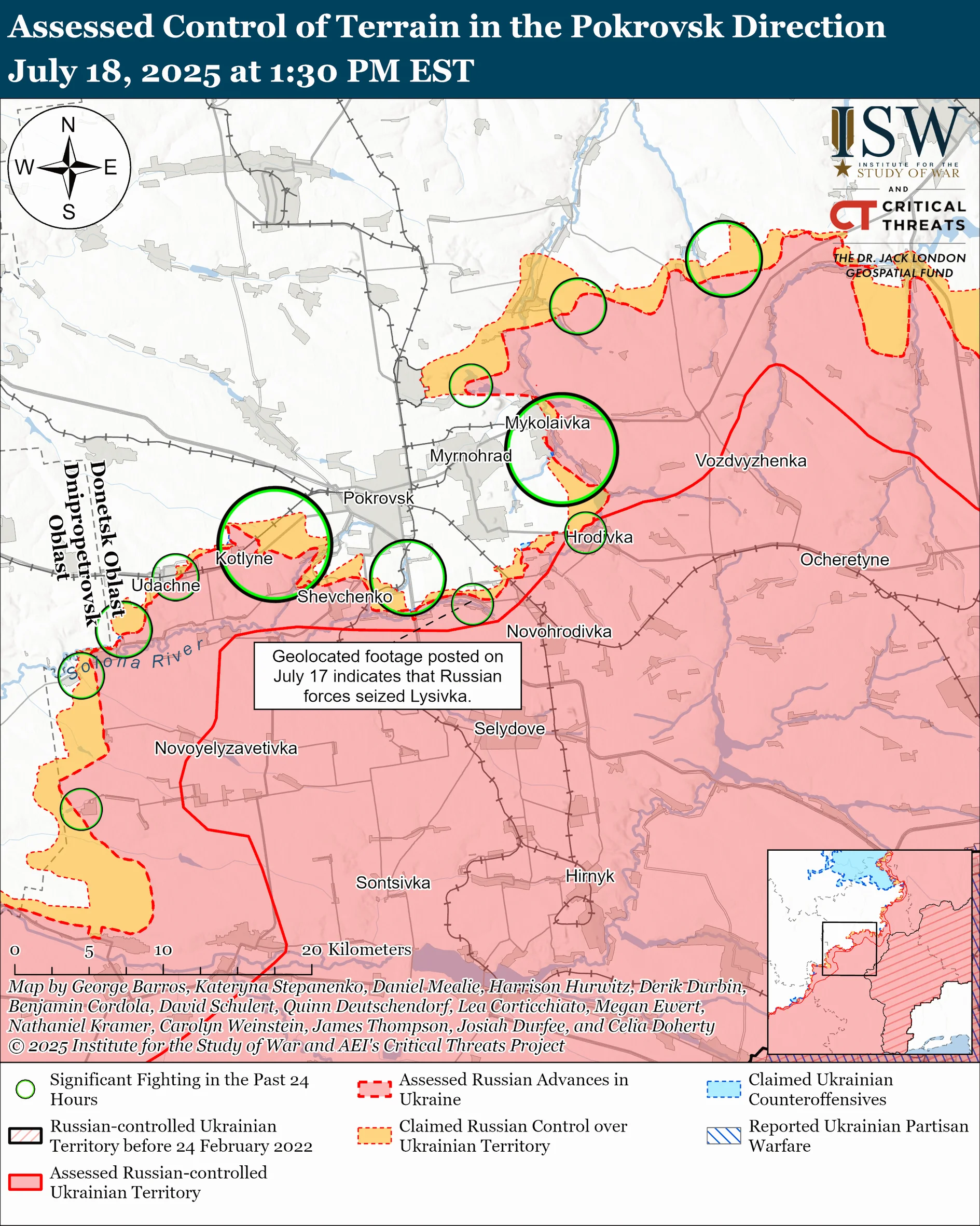
Latest from the Institute for the Study of War.
Key Takeaways from the ISW:

Russian officials insist the economy is stable – but growing bank failures, labor shortages, and Ukrainian drone strikes suggest otherwise.
Russia’s officials insist everything is fine.
On paper, inflation is down. Arms factories are hiring. Soldiers are still getting paid – at least for now.