


EN

EN


EN
Stay informed with the most important Ukraine breaking news today. This page compiles the top headlines and critical updates from across Ukraine, offering a real-time snapshot of key developments.
Whether it’s military updates, political changes, or international reactions — we bring you the latest Ukraine news as it happens. All reports are carefully curated from verified sources and KyivPost correspondents on the ground.

German investigators believe the suspect – known only as Serhii K. – was part of a Ukrainian cell that purportedly executed the plot to blow up Russia’s underwater gas pipelines.
Italian police arrested a 49-year-old Ukrainian man in the early hours of Thursday morning, alleging his involvement in the 2022 underwater bombing of the Nord Stream gas pipelines that once connected Russia to Western Europe.
On Sept. 26, 2022, three pipes belonging to Nord Stream 1 and 2 exploded at the bottom of the Baltic Sea, roughly 300 km (186 miles) from the German seaport of Rostock.

White House trade adviser Peter Navarro accuses New Delhi of “profiteering” and “perpetuating the war” in Ukraine as it continues to buy Russian oil despite the US tariffs.
WASHINGTON, DC – In a rare and striking public appearance, White House trade adviser Peter Navarro delivered a scathing critique of India’s role in the global energy market, directly linking the country’s purchases of Russian oil to Moscow’s ongoing invasion of Ukraine.
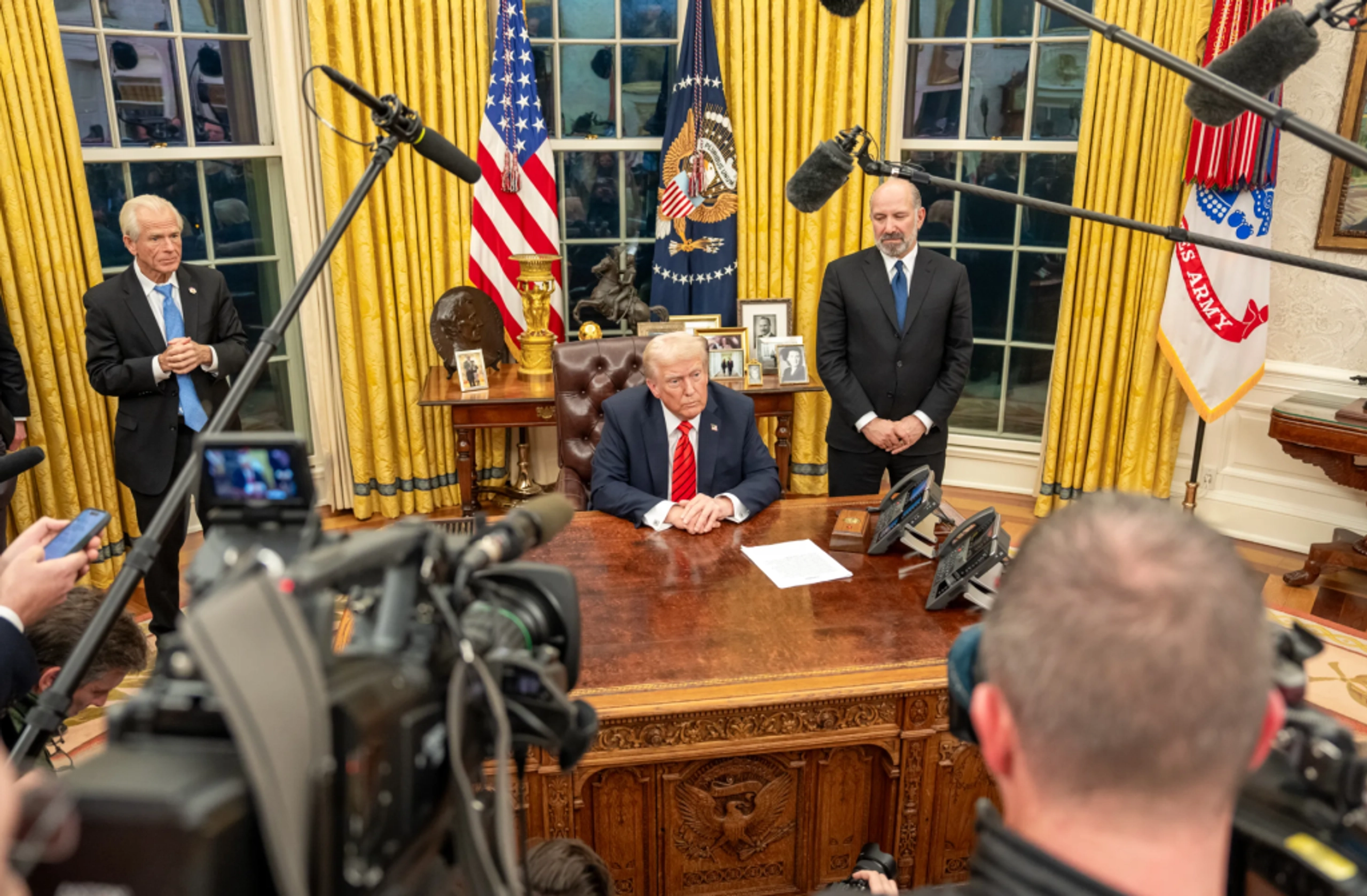
Speaking to reporters at the White House on Thursday, Navarro framed India’s actions as a “laundromat for the Kremlin” and a “profiteering scheme” that is undermining international sanctions and costing American taxpayers.

Join Kyiv Post inside a Ukrainian POW camp, where captured Russian and foreign fighters reveal life behind the fences: their routines, work, meals, and views on the war.

Ukraine’s parliament, the Verkhovna Rada, approved a nearly $1 billion increase in non-military expenditures, covering digital transformation, schools, medicines and veterans’ support.
Ukraine’s parliament, the Verkhovna Rada, approved changes to the 2025 state budget to raise mostly non-military expenditures by Hr.41.3 billion ($992.8 million) on Wednesday.
The extra funding, with 229 votes in favor, will go toward the reserve fund, digital transformation, school, medicines, veterans support, housing for displaced persons and further needs.

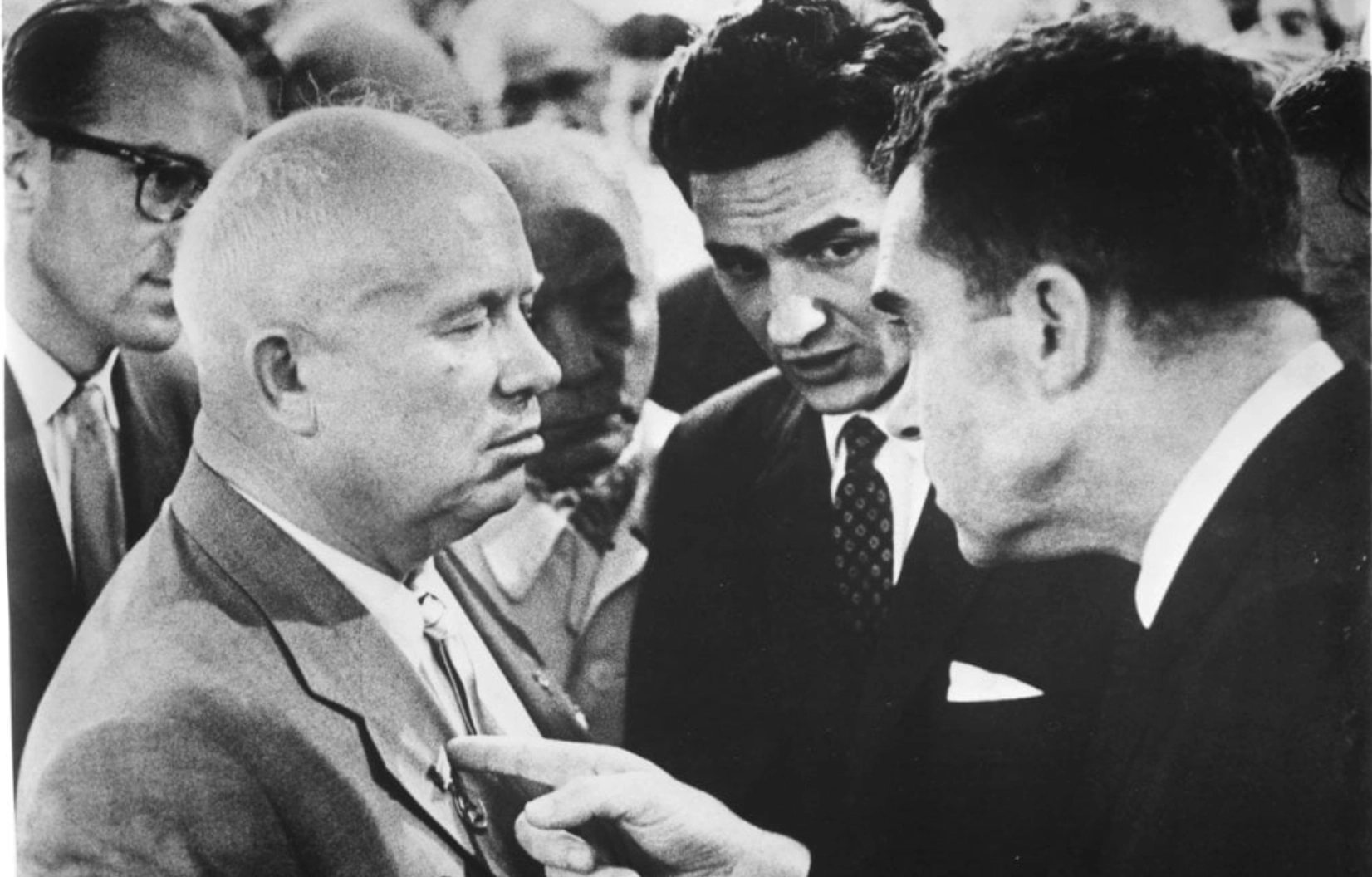
Following an uncharacteristic update slamming Moscow’s invasion, the US president issued another update likening him and Putin to Nixon and Khrushchev – in a historic Cold War debate.
US President Donald Trump has issued a cryptic message hinting at a potential fallout with Russian leader Vladimir Putin on Thursday.
In a Truth Social update, Trump first acknowledged Russia invaded Ukraine and that Kyiv has been on the defensive – while blaming his predecessor Joe Biden for “not [letting] Ukraine fight back” – before hinting “interesting time ahead.”
After another major Russian strike, the US president shifted tone – acknowledging Russia’s invasion, noting Kyiv is on the defensive, and hinting the situation may soon change.
US President Donald Trump tacitly acknowledges Russia’s invasion of Ukraine and notes Kyiv has been on the defensive – while hinting at turning the tables – in a sudden shift of tone on Thursday, Aug. 21.
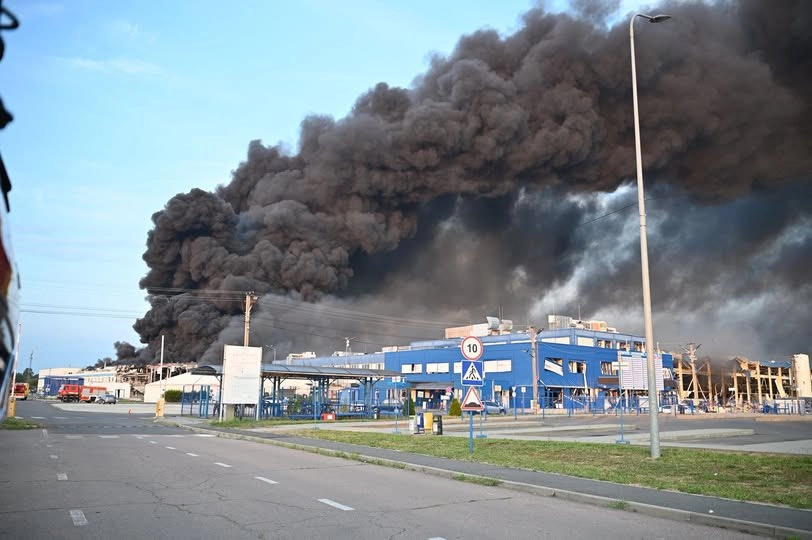
Trump’s remarks – one of his most pro-Ukrainian to date – came after Russian missiles destroyed the office of a US-based electronics manufacturer in western Ukraine, though it is unclear if the events are related.

Russian officials announced all the Ukrainian robot aircraft “were shot down.” Major fires were reported in occupied Crimea, and in Russia’s Rostov region and Voronezh regions.
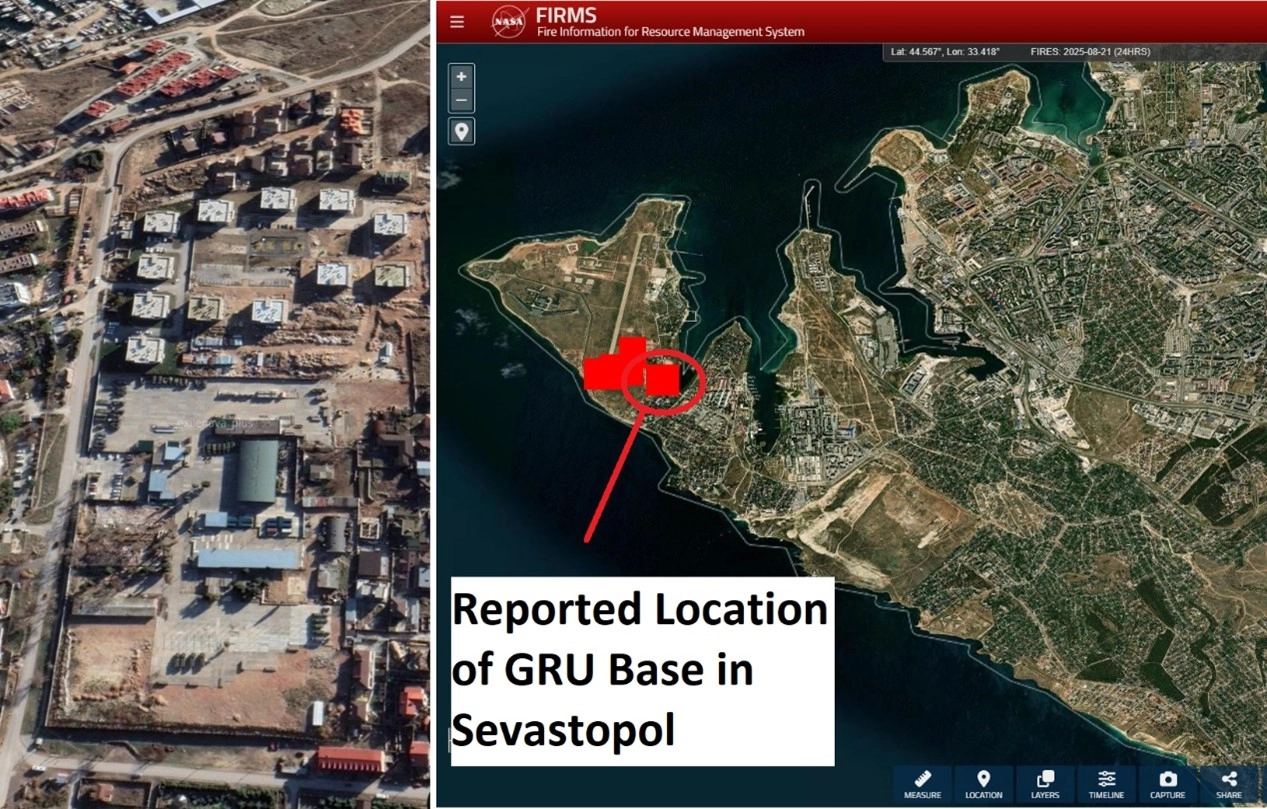
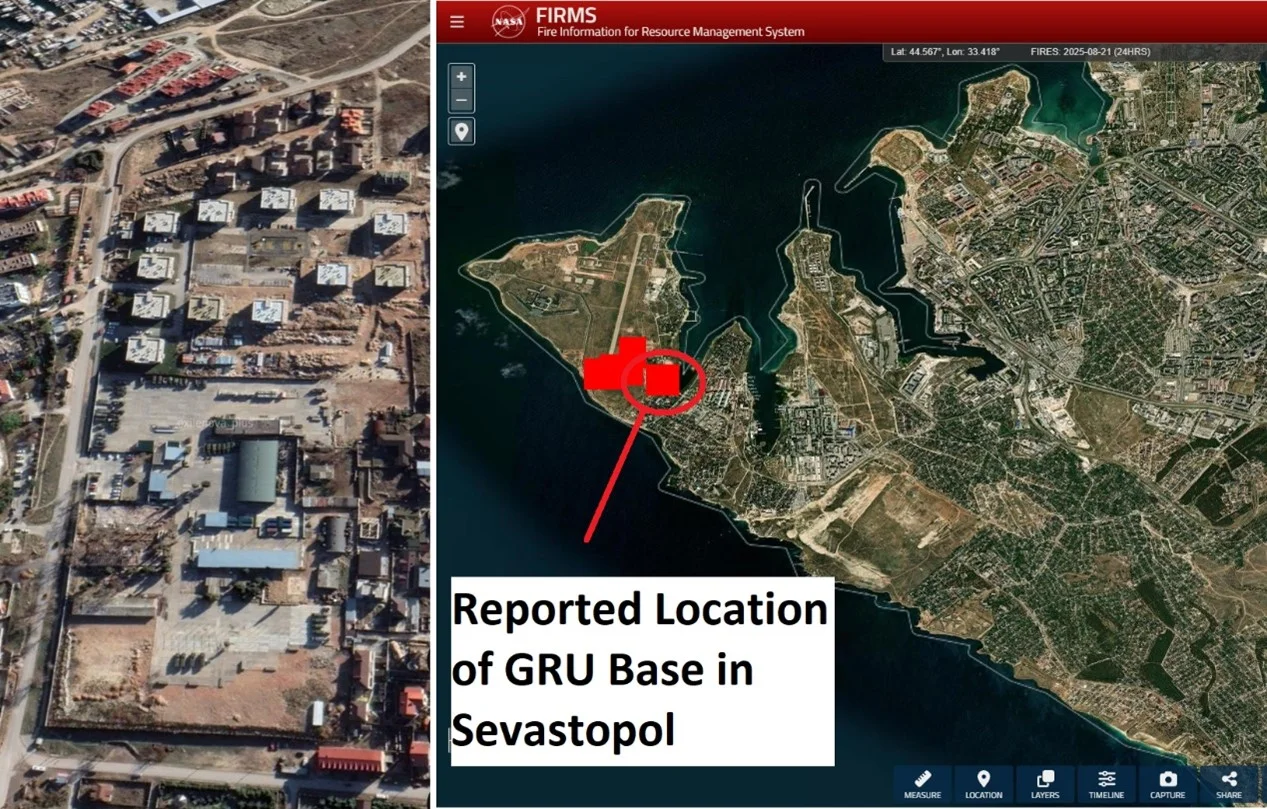
Ukrainian unmanned aerial vehicle (UAV) pilots and ground crews on Thursday, Aug. 21, launched a new round of nighttime drone strikes against Kremlin assets hundreds of kilometers behind the fighting front, in one attack scoring multiple hits on a base belonging to Russia’s army intelligence agency – the GRU.
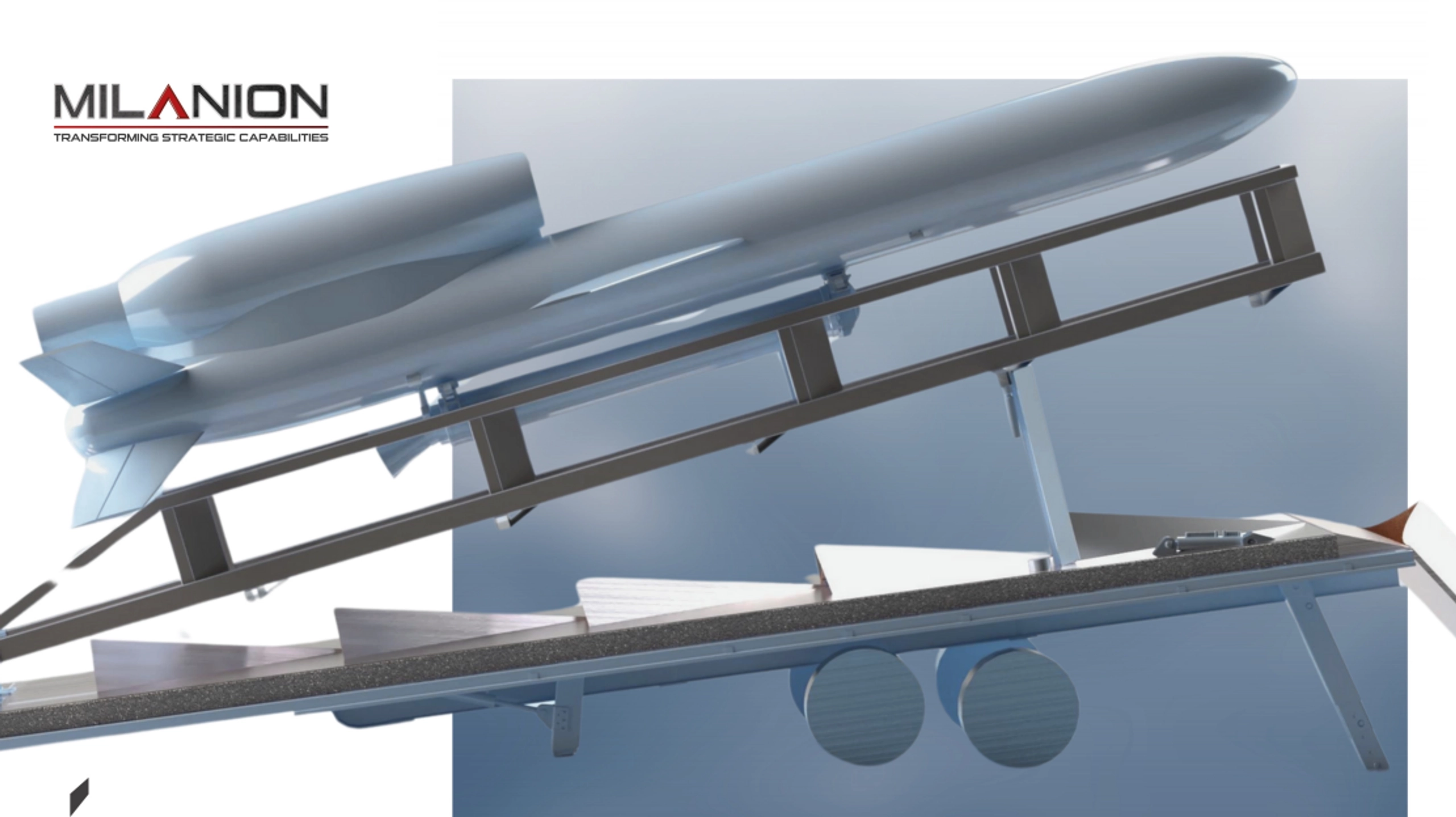
The manufacturer of Ukraine’s new long-range missile said the production capacity is one per day at present, with the goal of reaching seven per day by October.
Fire Point, the Ukrainian manufacturer of Kyiv’s new Flamingo cruise missiles, said the current production capacity is one per day, with the goal of reaching seven per day by October.
Initial unveilings of the missile suggest that it visually resembles the FP-5 system made by UK-based Milanion Group, which has a stated production capacity of 50 missiles per month.

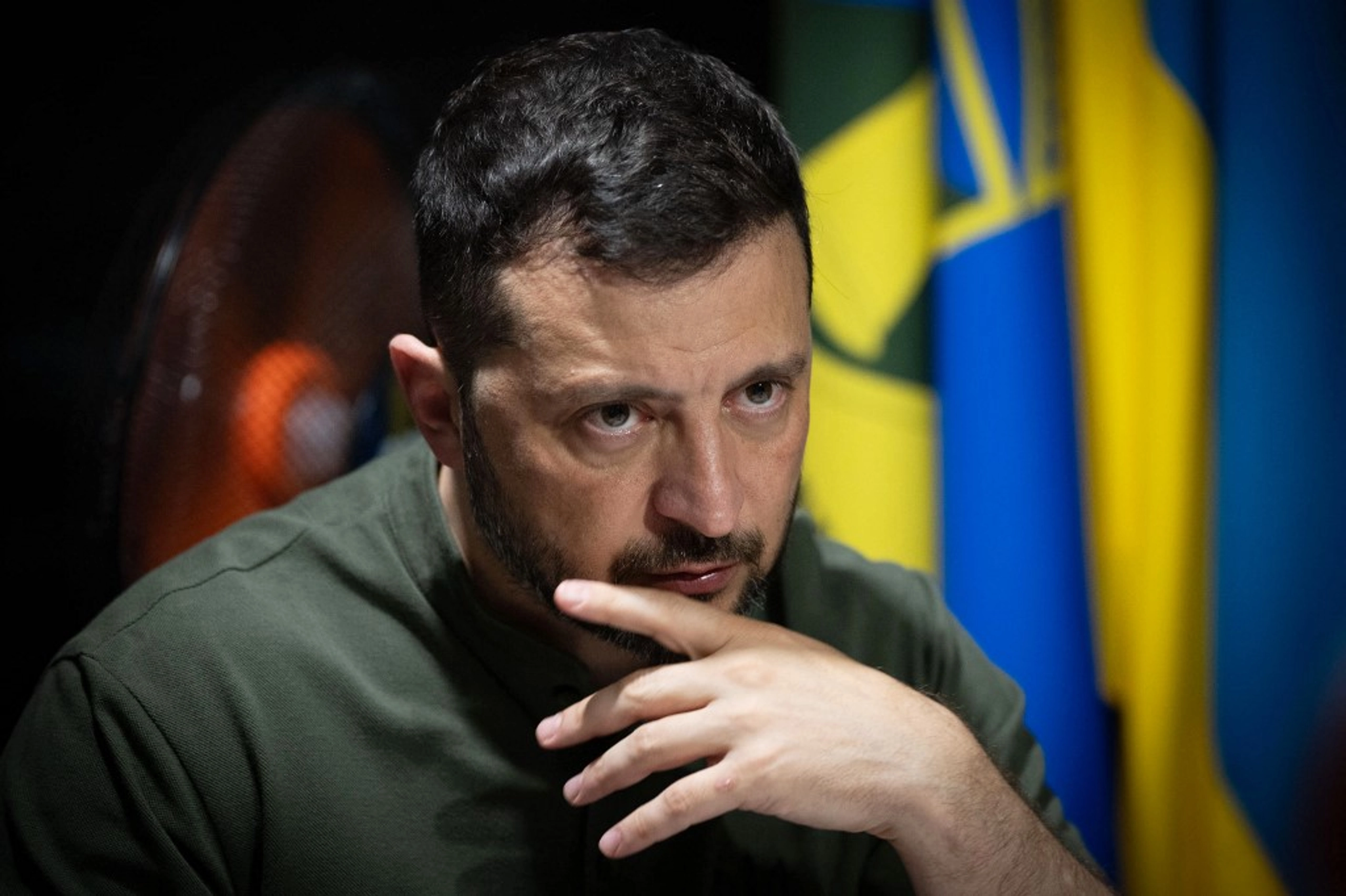
Zelensky says Ukraine won’t trade land for peace, rules out China as guarantor, pushes US for sanctions and drone deal, and confirms Flamingo missile mass production.
President Volodymyr Zelensky, speaking with journalists on Wednesday, Aug. 20, outlined Ukraine’s firm stance on territories, NATO, sanctions, and new weapons while stressing that Moscow is “trying to invent a victory.”
The situation at the front is currently difficult, but not as bleak as Russian leader Vladimir Putin portrays, Zelensky told reporters.
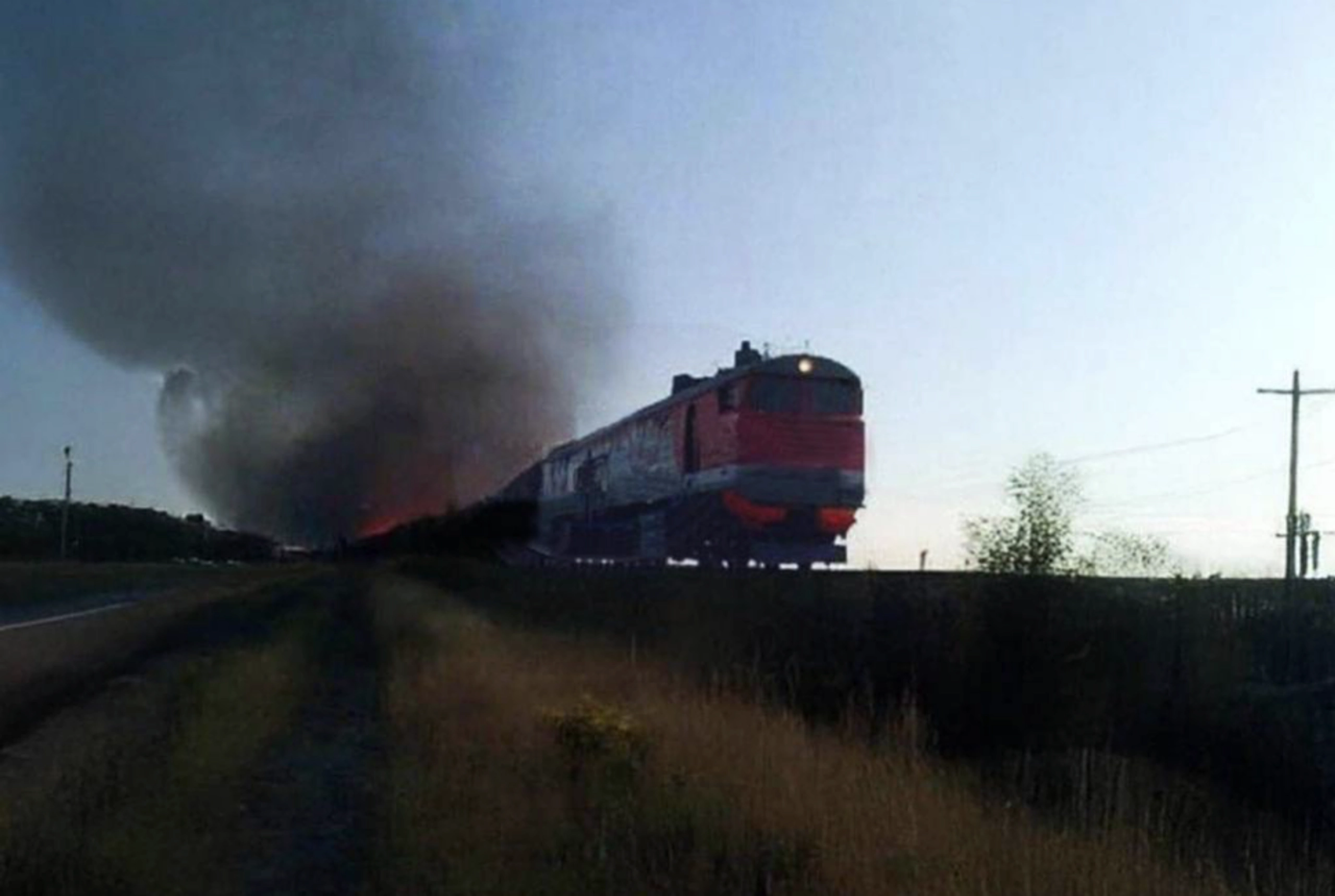
The reported strike on Thursday is the latest claim from Kyiv of targeting Russian logistics in occupied regions, set against ongoing peace talks and potential territorial concessions.
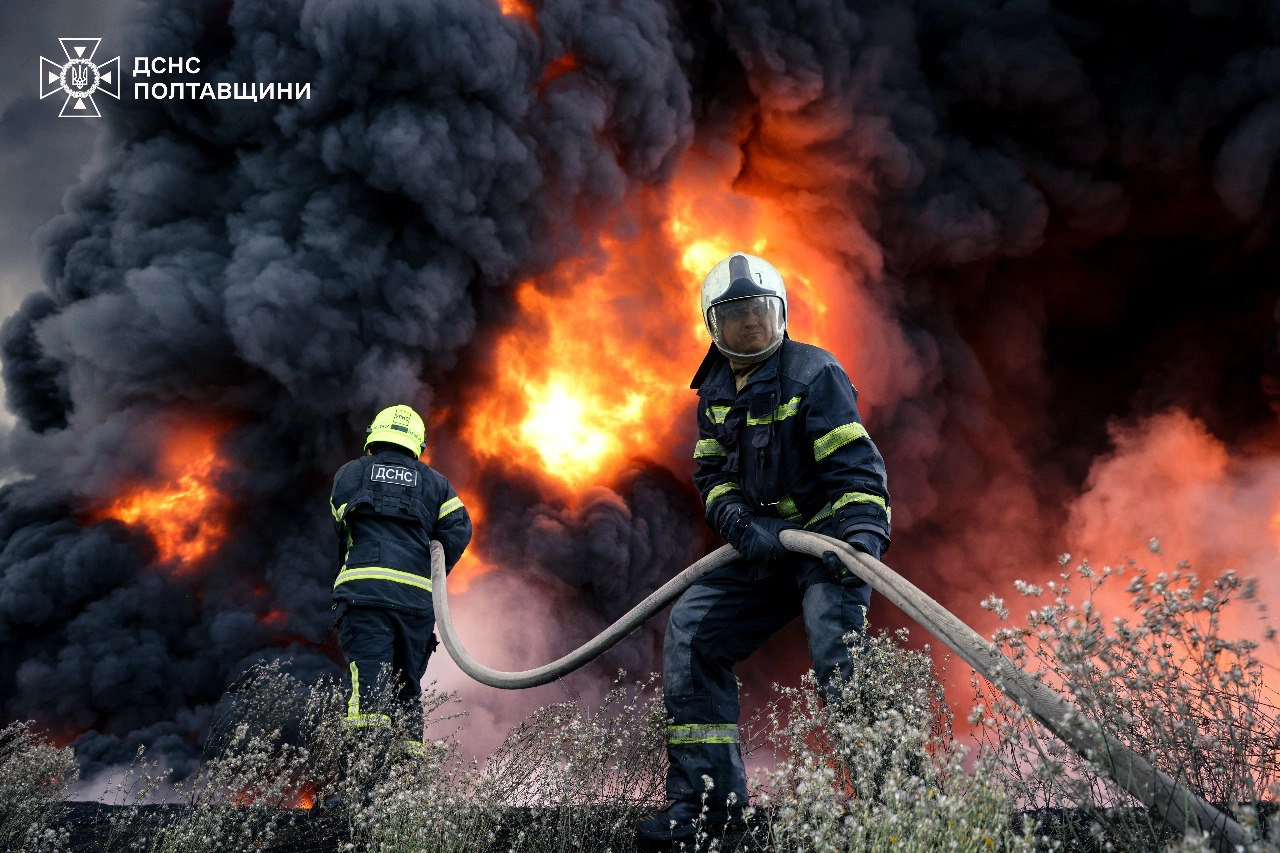
Ukraine’s Special Operations Forces (SSO) said it had struck Russian trains carrying fuel and lubricants near the Dzhankoy railway station in occupied Crimea on early Thursday.
The city in northern Crimea also hosts an airfield for the Russian military, which has previously been a target of multiple Ukrainian strikes, including once in 2024 that took out a Russian S-400 missile system.

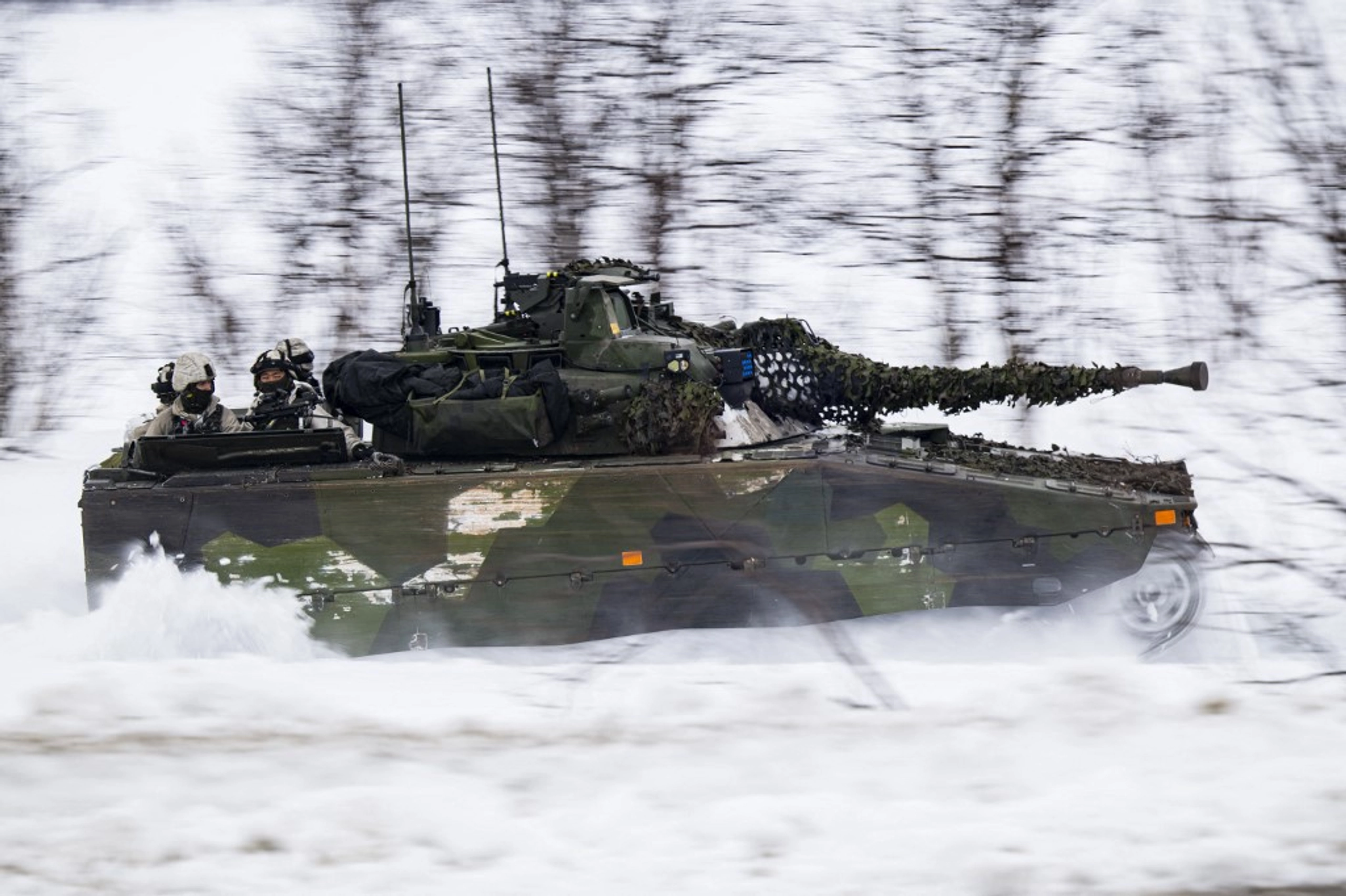
The Swedish armed forces has been tasked with making preparations and establishing the base so that it would be operable by the end of 2027.
Sweden will host a NATO logistics headquarters in the town of Enkoping, northwest of Stockholm, to troop movements in Northern Europe, the government said Thursday.
“NATO presence in Sweden strengthens our security and deterrence. The logistics centre assists the defense of NATO’s northern flank,” Defense Minister Pal Jonson said.

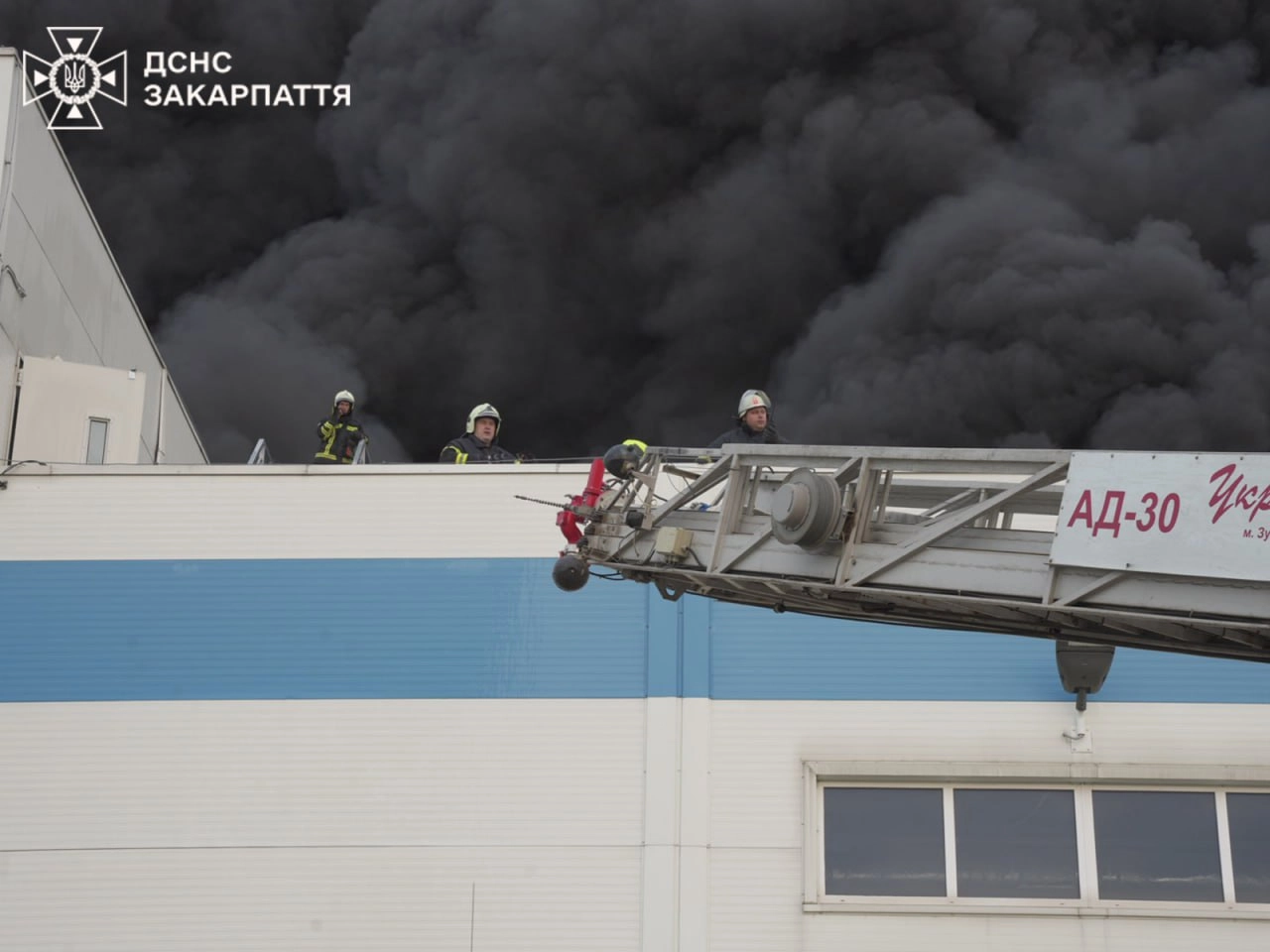
During an overnight attack in western Ukraine, Russia targeted the plant of Flex Ltd, a US-based electronics manufacturing leader listed on Nasdaq, causing extensive damage and casualties.
During a massive combined overnight Wednesday-Thursday air strike on Ukraine, Russia struck the Flex Ltd plant in Mukachevo, a subsidiary of a US-based electronics manufacturing services company listed on Nasdaq.
The news was first reported by Ukraine’s foreign minister Andriy Sybiha and later confirmed by local officials:
Ukrainian forces near Pokrovsk eliminated more than 200 Russian troops in three days, the General Staff reported, adding that several Donetsk settlements have been cleared.
Ukrainian troops in the Dobropillya direction near Pokrovsk (Donetsk region) continue clearing Russian forces, with more than 200 Russian soldiers killed over the past three days, according to the General Staff.
As per the report on Telegram, active joint actions by the Armed Forces (AFU) and the National Guard, including units of the Azov 1st Corps, have inflicted significant losses on Russia.
Russia launched more than 600 missiles and drones in one of the largest attacks of the war.
Russia carried out one of the largest attacks of the war, launching more than 600 drones and missiles, according to the Ukrainian Air Force.
In a statement on Telegram, the Air Force reported that in the early hours of Aug. 21, Russia launched 574 Shahed attack drones and decoys, along with 40 missiles, including:
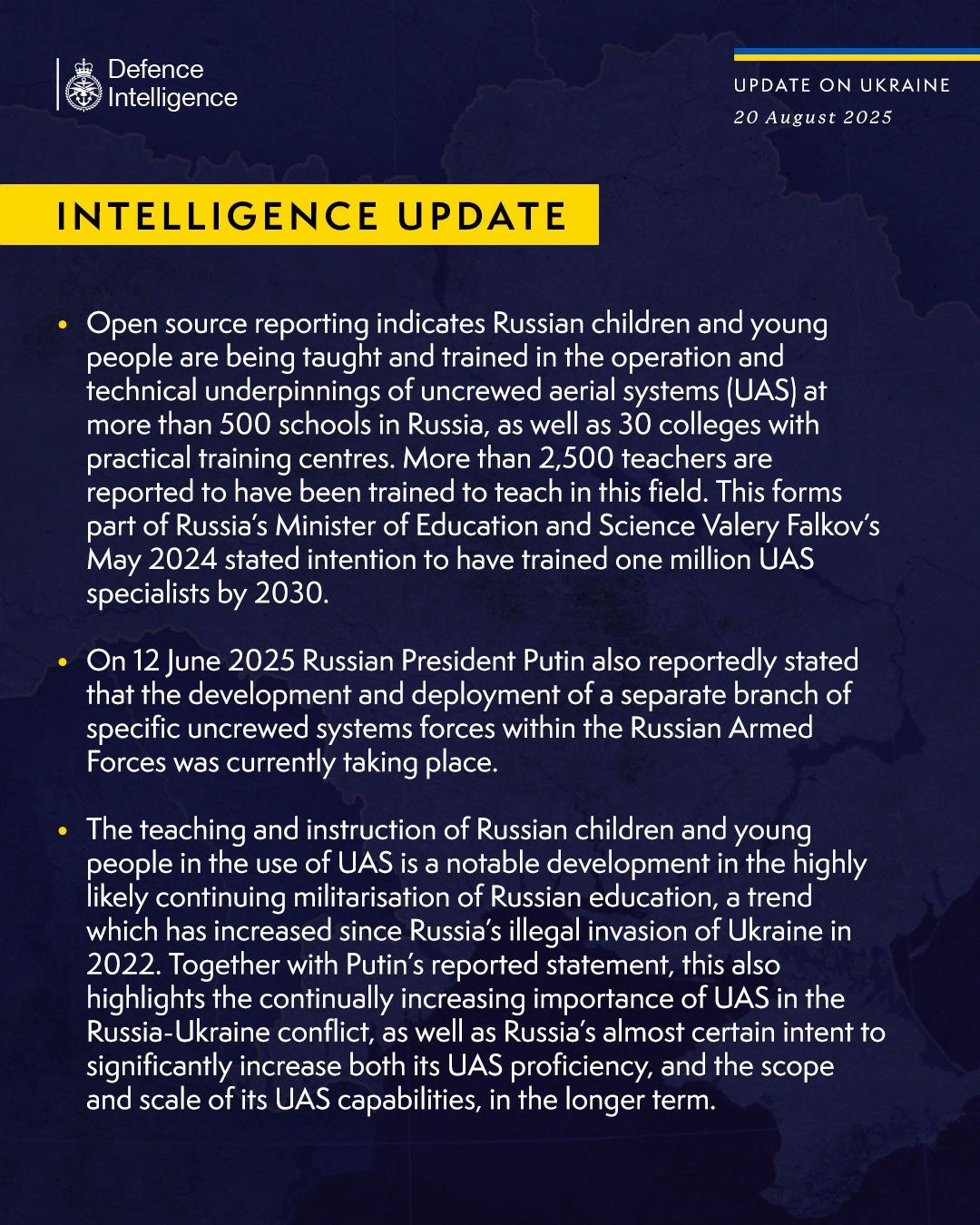
Latest from the British Defence Intelligence.

US defense official Elbridge Colby told allies Washington will play only a limited role in Ukraine’s security guarantees, signaling Europe must take the lead in ensuring lasting peace.
The United States plans to play a minimal role in any Ukraine security guarantees, according to Politico, citing US Under Secretary of Defense for Policy Elbridge Colby.
“The Pentagon’s top policy official told a small group of allies Tuesday night that the US plans to play a minimal role in any Ukraine security guarantees, one of the clearest signs yet that Europe will need to shoulder the burden of keeping lasting peace in Kyiv,” Politico wrote.

After US summits, debate shifts to what Western security guarantees for Ukraine should look like — and whether they can truly deter Russia.
Following redoubled diplomatic efforts to achieve peace at the summits in Alaska and Washington, discussions are now focusing on what form the West’s security guarantees for Ukraine could take.Europe’s commentators look at who can provide support, and in what form, and whether such measures can deter Russia in the long run.
Europe on its own can’t provide effective security guarantees, The Times (Great Britain) stresses:
Russia hit Ukraine overnight with Shahed drones, Kalibrs, and Kinzhal missiles, striking western regions and Zaporizhzhia.
Russia launched a massive attack on Ukraine on Aug. 21, using Shahed drones, Kalibr cruise missiles, and Kinzhal aeroballistic missiles.
Starting in the evening of Aug. 20, groups of Shahed drones were launched from multiple directions. While Kyiv was initially believed to be the main target, the Ukrainian Air Force later clarified that drones were heading in various directions.

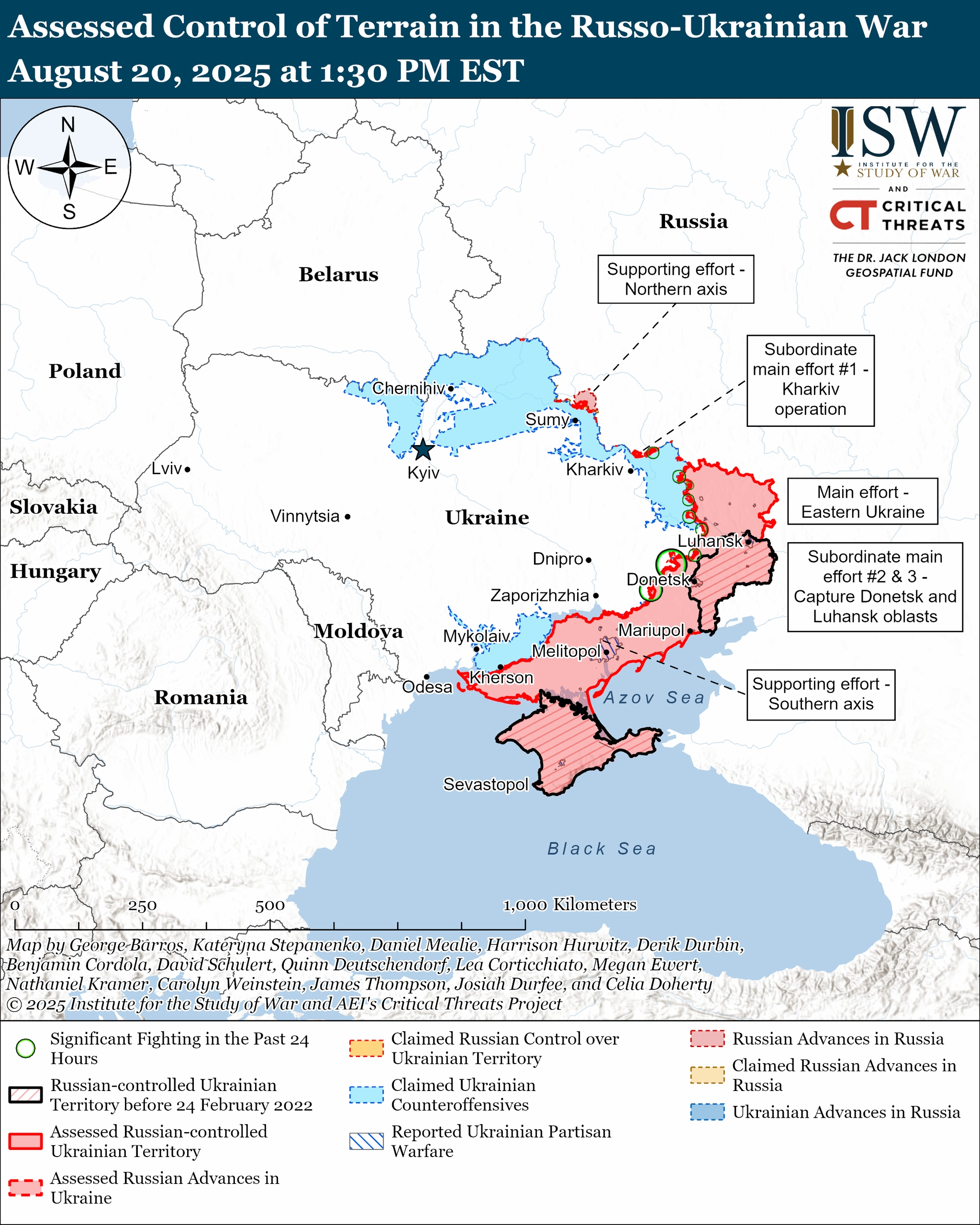
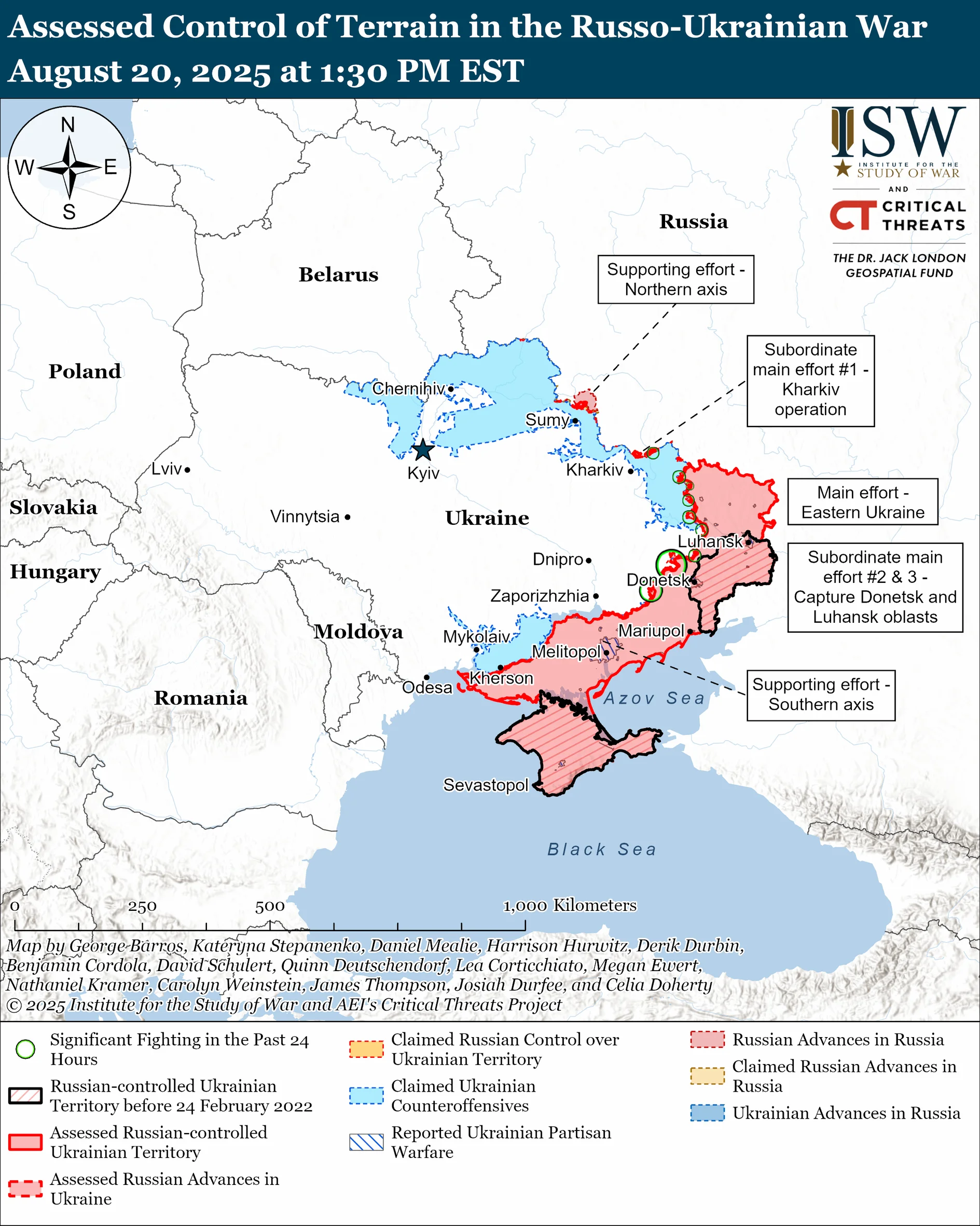
Latest from the Institute for the Study of War.
Key Takeaways from ISW:
Retired US Army Colonel Richard Williams argues Russia will only stop fighting when faced with a direct military challenge, proposing a high-risk solution.
WASHINGTON DC – A retired US Army colonel and veteran of NATO leadership, in an interview with the Kyiv Post, argues that Russia’s ongoing conflict in Ukraine has reached a diplomatic stalemate that can only be resolved by direct military confrontation with Russia.
His assessment comes as the Kremlin, in a stark contrast to recent optimistic statements from Western leaders, is signaling a slow-walk on any peace deal for Ukraine, showing daylight between Moscow and President Donald Trump’s intentions to end the war.
As lawmakers debate funding for drone programs, a new congressional report says the US must adopt superior, adaptable technology to maintain its edge, learning from Russia’s invasion of Ukraine.
WASHINGTON DC - The gritty, real-time battlefields of Ukraine are serving as an unexpected, brutal laboratory for modern warfare, and the US military is taking notes.
As the Pentagon lobbies Congress for robust Fiscal Year 2026 funding for its Small Uncrewed Aircraft Systems (sUAS) – or drones – a new Congressional Research Service report lays bare the high stakes, revealing how lessons from Eastern Europe’s war-torn country are directly informing the future of American defense strategy.
Atlantic Council analysts explain, “pressure, not goodwill” is what’s going to drive Putin to deal seriously, given that Russia has shown “no flexibility since the deadline for sanctions lapsed”.
WASHINGTON DC – In a high-stakes diplomatic push that began in Alaska and ended at the White House, US President Donald Trump has forged a new, if fragile, path toward a potential peace settlement for Russia’s war in Ukraine.
As the dust settles on a week of intense negotiations, top foreign policy experts at the Atlantic Council, a Washington-based think-tank, are offering a nuanced assessment, pointing to both tactical missteps and the potential for a workable, if difficult, resolution.
The latest survey, conducted by The Economist and YouGov, highlights a significant divide between what Americans want to happen – Russia gets no Ukrainian territory – and what they expect to happen.
A new exclusive poll from The Economist/YouGov paints a picture of a deeply divided America, with a majority of citizens believing the country is on the wrong track and calling for a broader international effort to end the war in Ukraine.
The poll, conducted from August 15-18, is particularly significant as its findings were released in the midst of a historic White House summit on the conflict.

As Kremlin’s foreign minister dismissed the types of security guarantees that Putin reportedly okayed in Alaska, NATO has moved ahead with designing those kinds of agreements collectively.
The Kremlin on Wednesday said that any bilateral discussions about security guarantees between Kyiv and its respective partners in Europe and North America would have to include Moscow, or else risk become nothing more than a pipe dream for the West.
Russian Foreign Minister Sergei Lavrov menaced that “seriously discussing security guarantees without the Russian Federation is a utopia, a road to nowhere.”
Polish defense chief said it came at “a particular moment, where peace talks are underway, where there is hope that this war... has a chance to end. Russia provokes once again.”
Poland said on Wednesday that a Russian military drone flew into its airspace and exploded in farmland in the east of the country overnight, calling it a “provocation”.
“Once again, we are facing a provocation from the Russian Federation, with a Russian drone,” Polish Defense Minister Wladyslaw Kosiniak-Kamysz told reporters.
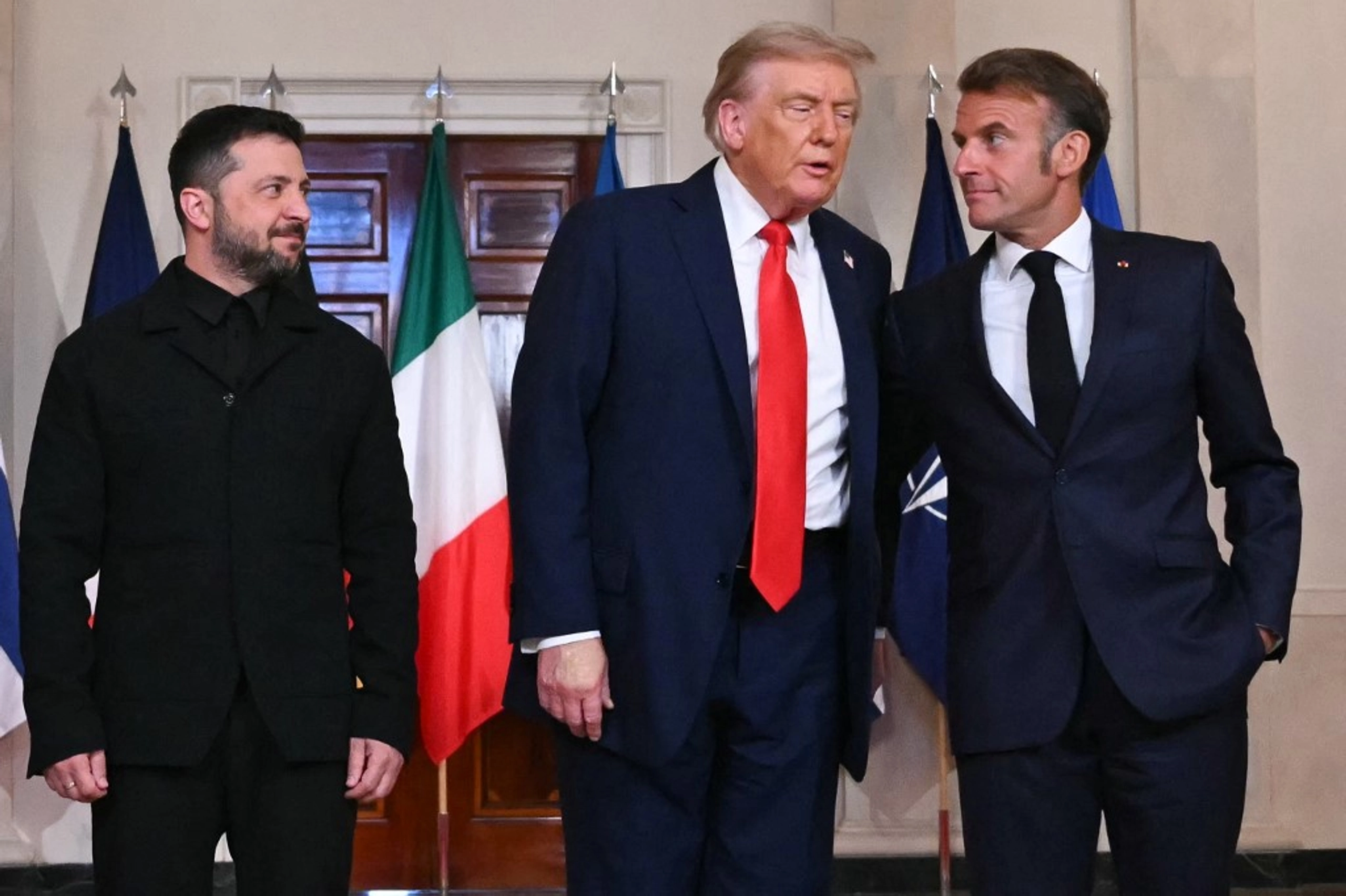
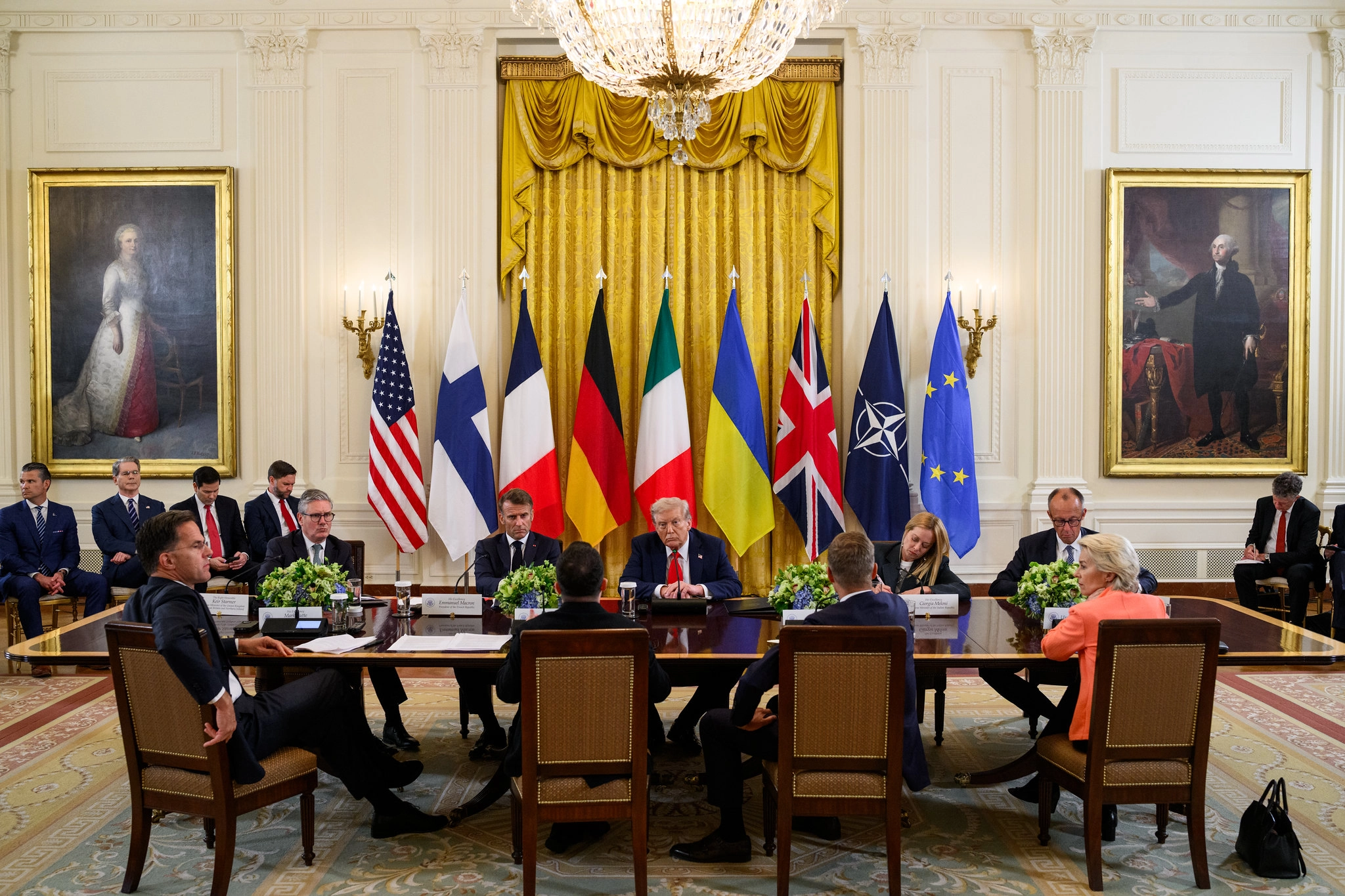
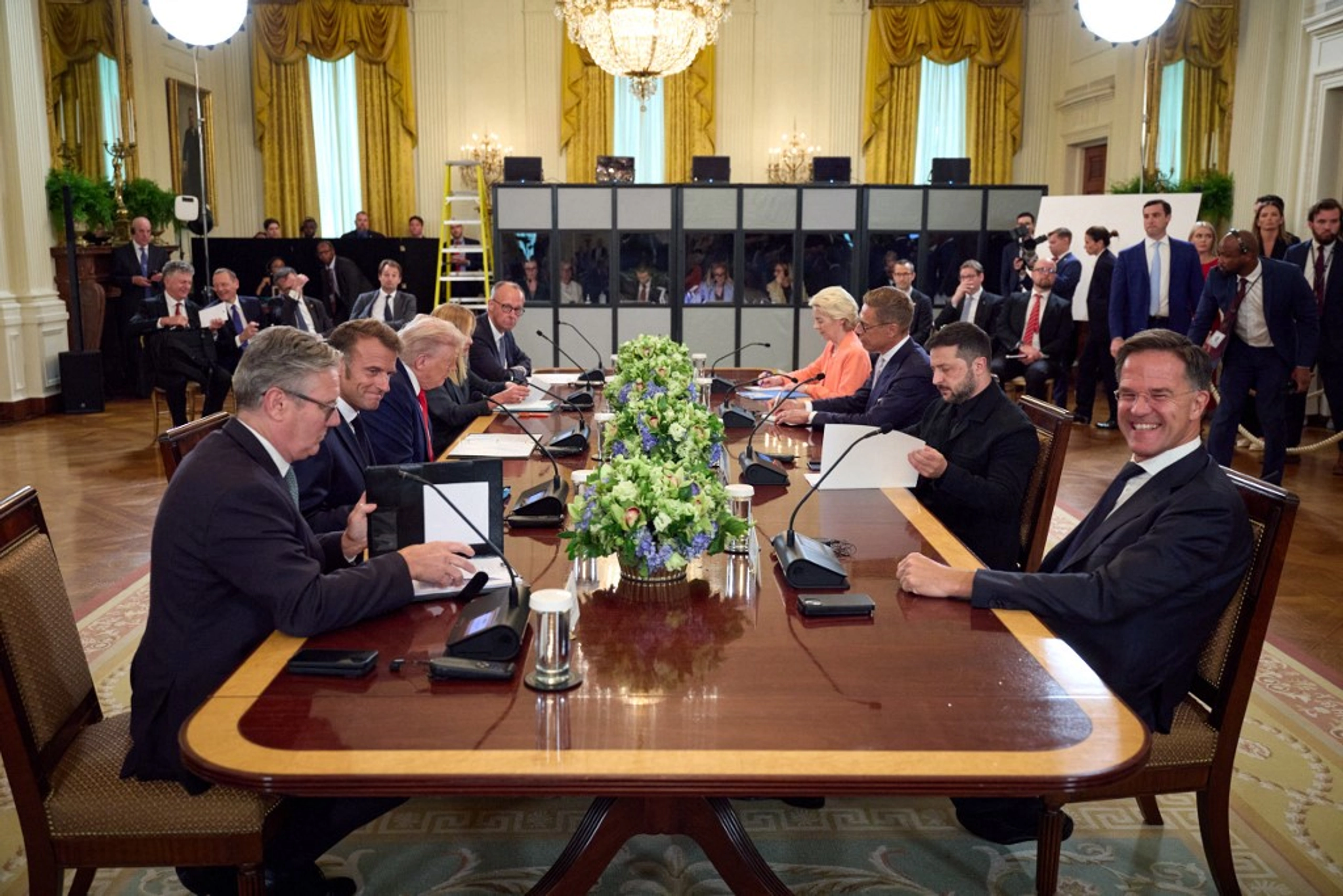
European leaders carefully choreographed the meeting with Trump in DC on Monday to keep Ukraine on the agenda – and outmaneuver Putin’s influence.
A careful selection of cast and roles and a clear strategy to avoid deadlocks. European leaders’ charm offensive on US President Donald Trump to foster Ukraine’s cause this week was hastily arranged but followed a scripted plan, say European sources.
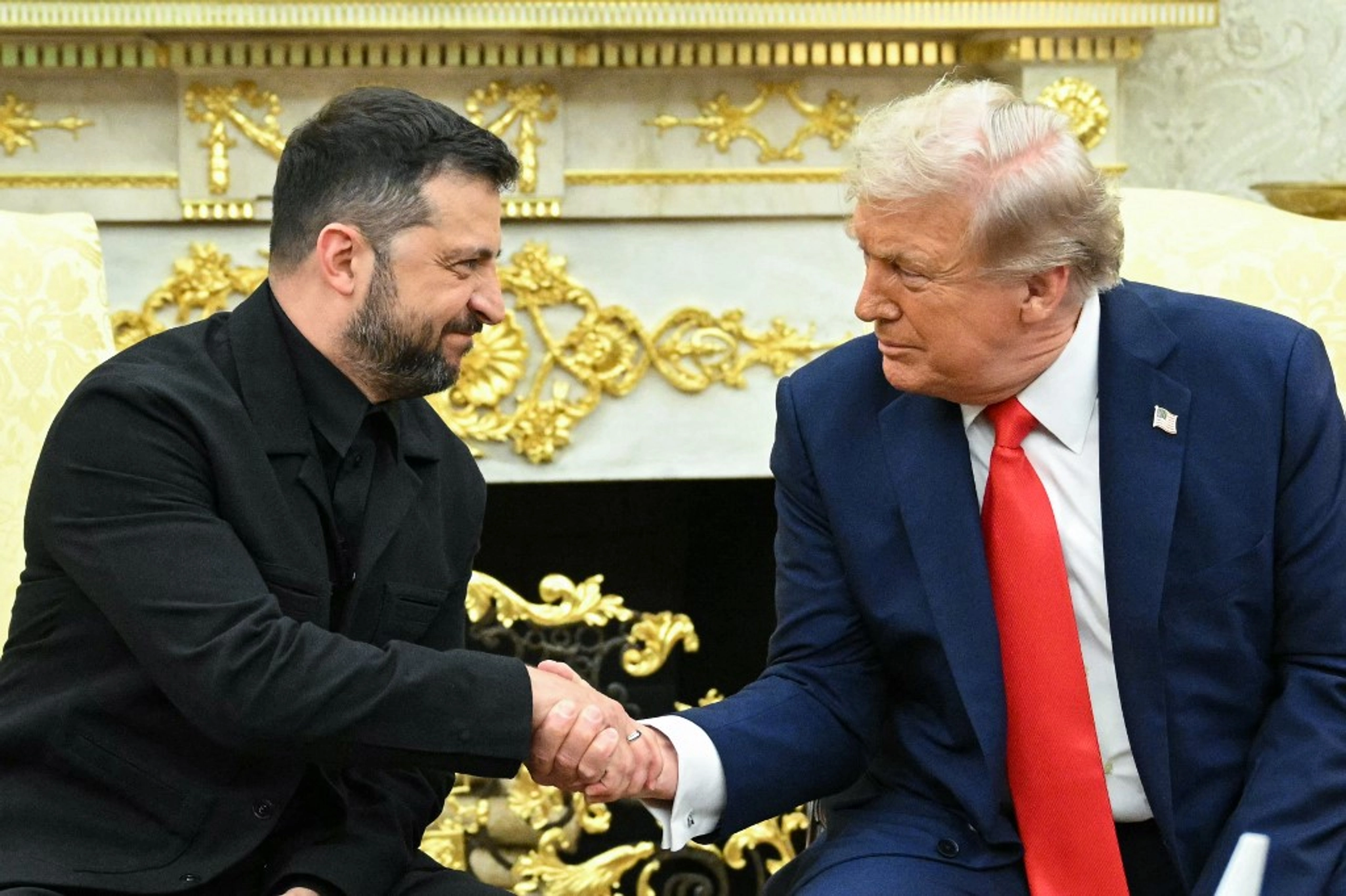
France’s Emmanuel Macron and Britain’s Keir Starmer were among seven European leaders who accompanied Ukraine’s President Volodymyr Zelensky to the White House on Monday for high-stakes talks with the US president.