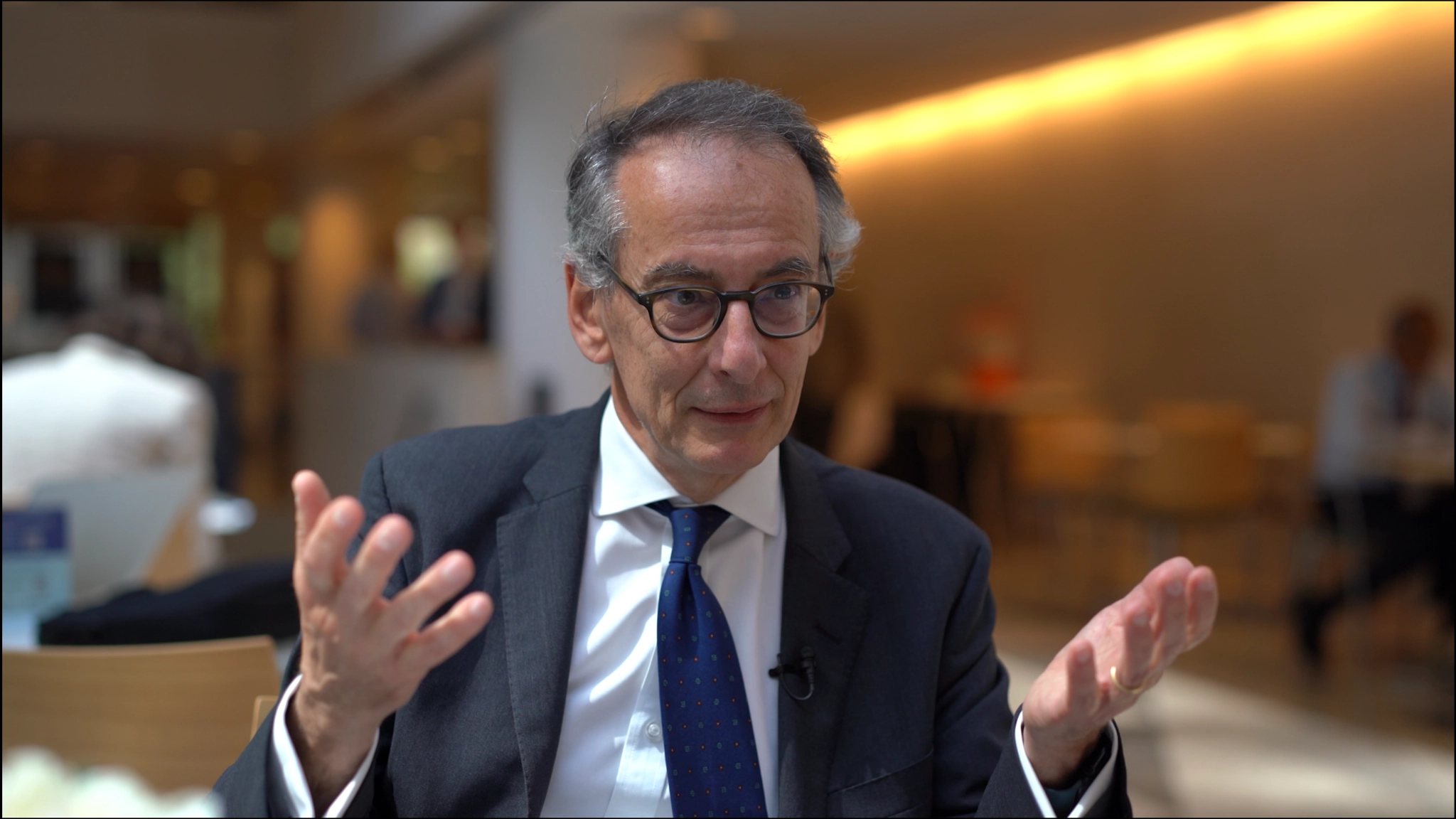
The European Bank for Reconstruction and Development (EBRD) is in talks with international stakeholders to raise around €500 million ($585 million) to repair the New Safe Confinement (NSC) at the Chornobyl Nuclear Power Plant, Matteo Patrone, EBRD Vice President for Banking, told Kyiv Post in an interview on the sidelines of the IMF and World Bank Spring Meetings in Washington.
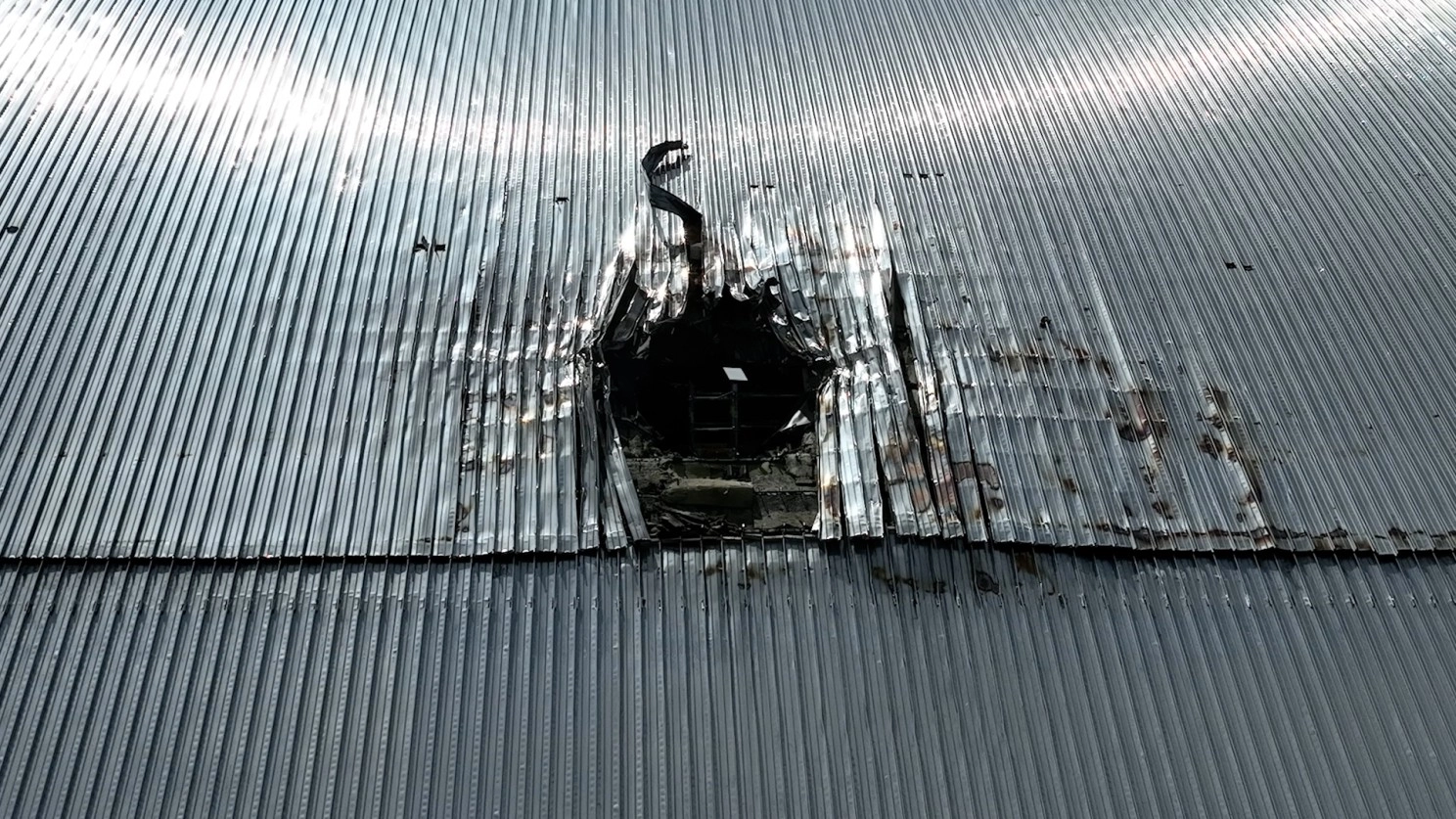
The confinement was damaged by a high-explosive Russian drone strike in February 2025, which damaged the roof area roughly the size of 18 parked cars.
JOIN US ON TELEGRAM
Follow our coverage of the war on the @Kyivpost_official.
Patrone told Kyiv Post that the damage posed a corrosion risk that could compromise the entire system, which had previously cost €2.1 billion ($2.5 billion). “There is a risk of increased corrosion of the system, which would compromise its integrity if the issue is not dealt with in an appropriate amount of time,” Patrone told Kyiv Post.
The blast punched roughly 330 holes in the structure’s cladding, ventilation, climate control, and internal crane systems, stripping the confinement of its ability to keep out water and air. The attack 4⁴caused a 15 m² breach in the inner and outer cladding and damaged around 200 m² of panels, and affected critical systems needed for safe operation inside the structure.
The International Atomic Energy Agency (IAEA) reported no immediate radiation spike following the strike, but warned that the structure’s integrity had lost its “primary safety functions, including the confinement capability.”
Ukraine’s Energy System ‘More Prepared’ for Winter, DTEK CEO Says
The EBRD’s official website indicates that the repairs should be finished by 2030.
“Initial preliminary estimates point to half a billion euros,” Patrone told Kyiv Post. “We are indeed talking to a number of stakeholders to see whether we can raise that amount of money and create another project in order to fix the issue.”
EBRD led the original construction of the confinement, which was also backed by 45 donor countries and the European Commission, and is now leading efforts for a follow-on repair. EBRD’s vice president is traveling to the Chornobyl site for the 40th anniversary of the 1986 nuclear disaster.
Patrone told Kyiv Post that conducting civil engineering work inside the NSC was challenging due to the radioactive environment, but Russia’s invasion of Ukraine made the work harder due to the risk of additional attacks.
“The war is raging, so it’s also more difficult to operate there,” Patrone told Kyiv Post. “The cost of conducting that operation, which is very delicate, is particularly significant.”
EBRD remains committed to providing financing, even though Ukraine has a number of higher-priority tasks due to the war. “Obviously, there are a number of competitive priorities in Ukraine and worldwide,” he said, “but I think this is actually a very important one to take care of.”
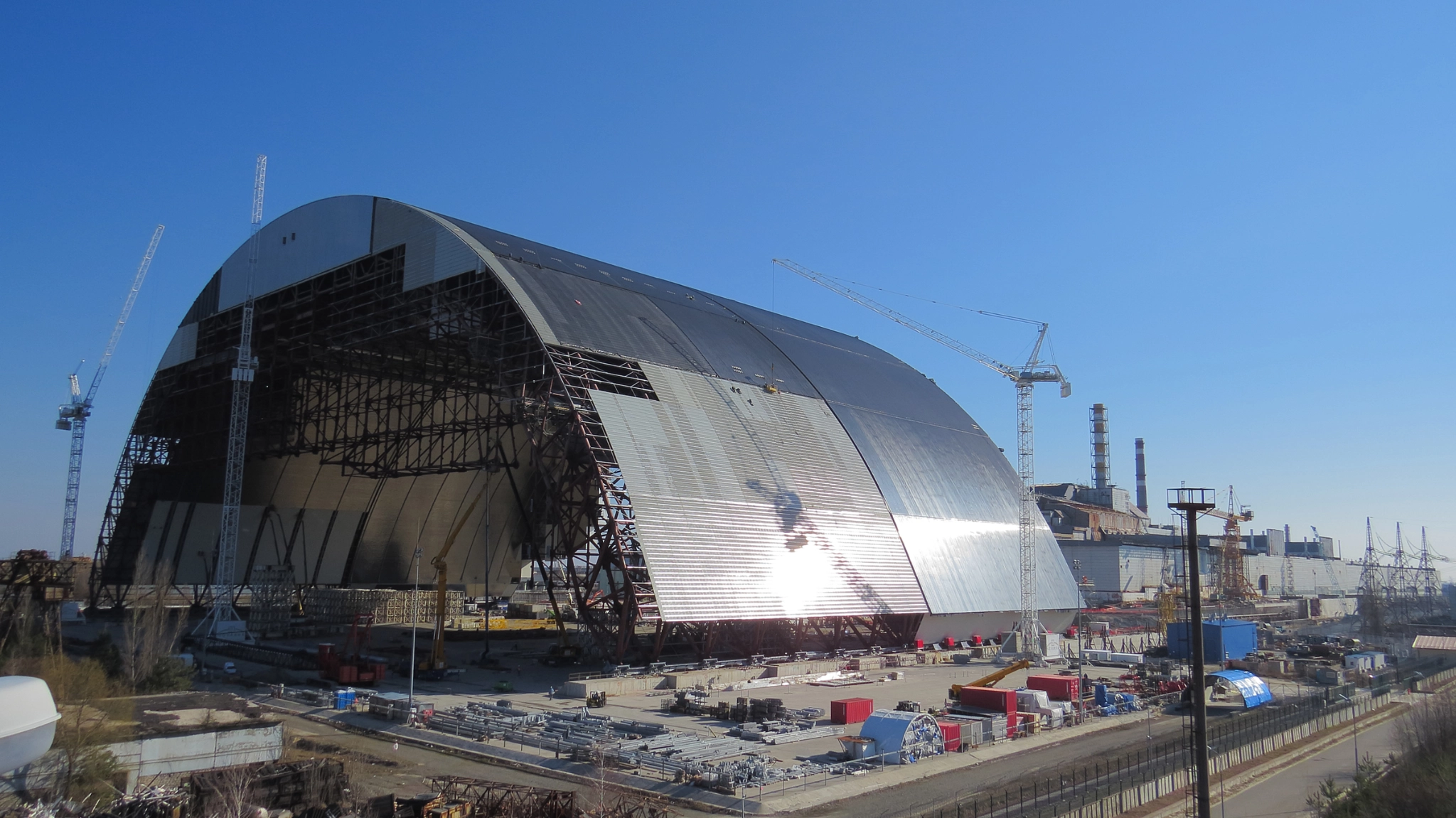
The NSC’s structure spans 257 meters (842 feet), stands 110 meters (361 feet) tall, roughly the height of a 35-story building, and stretches 165 meters (541 feet) in length, or about one and a half football fields, according to the official website.
Its 19 sub-structures include bridge cranes, a ventilation system, decontamination and waste-processing facilities, radiation monitoring, and an integrated control system, among others. The arch itself, while the most recognizable element, is only one component of the larger system designed to isolate the ruins of Reactor No. 4 for a century.
The full interview is published on Kyiv Post YouTube channel.
You can also highlight the text and press Ctrl + Enter

OPINION: Ukraine’s Warning Britain Still Refuses to Heed
Russian Economy 'in Dead End' as War Costs Devour Budget