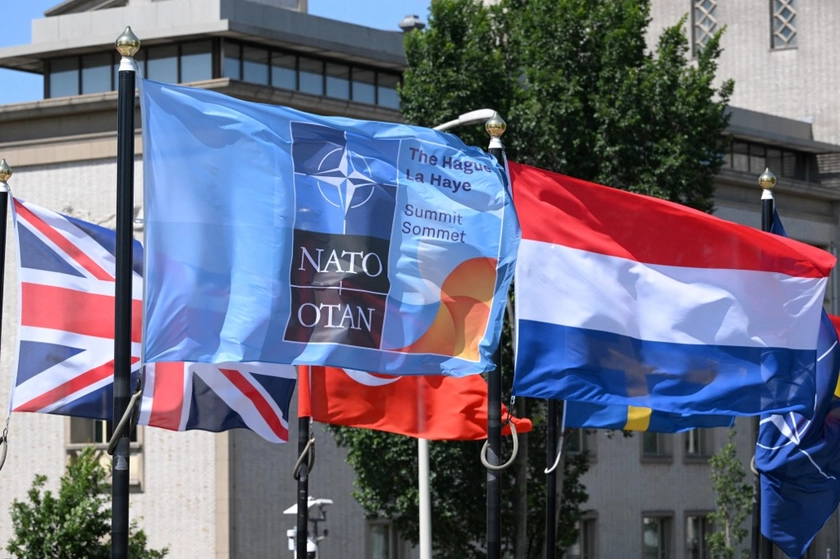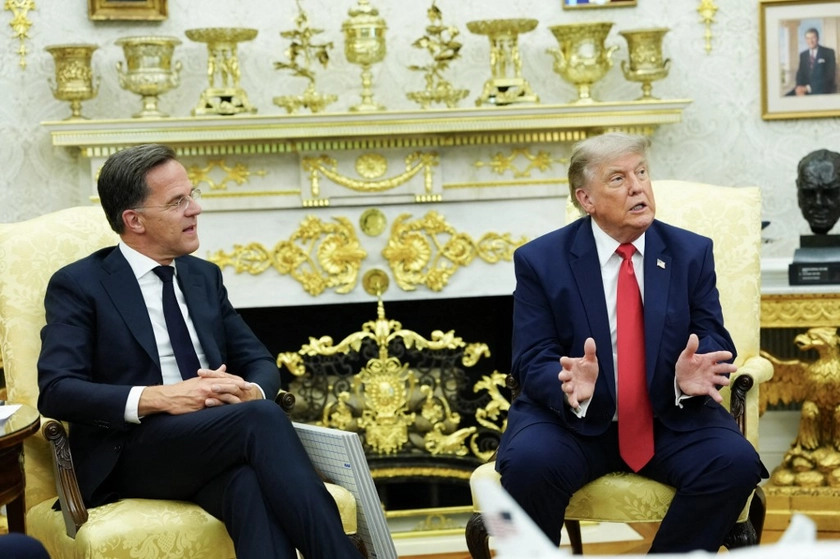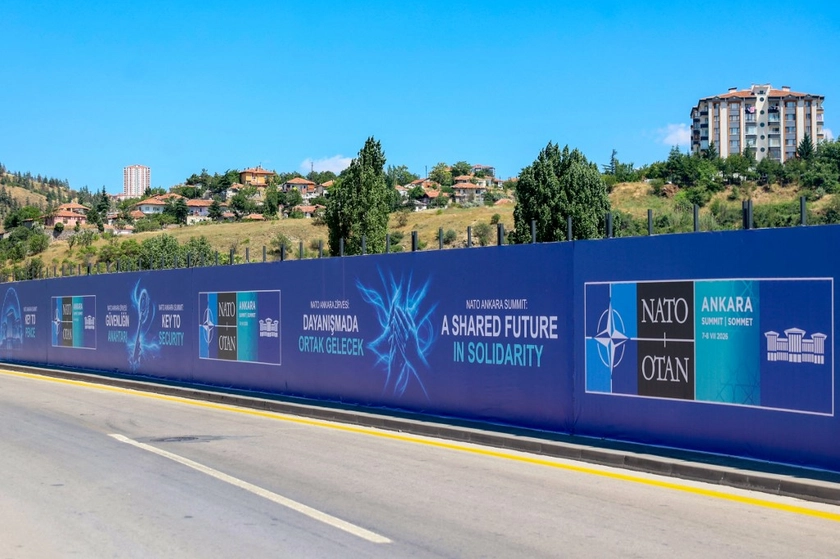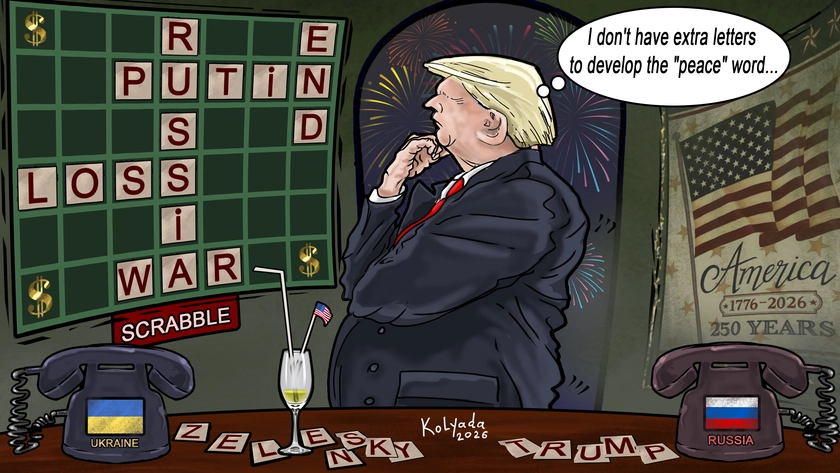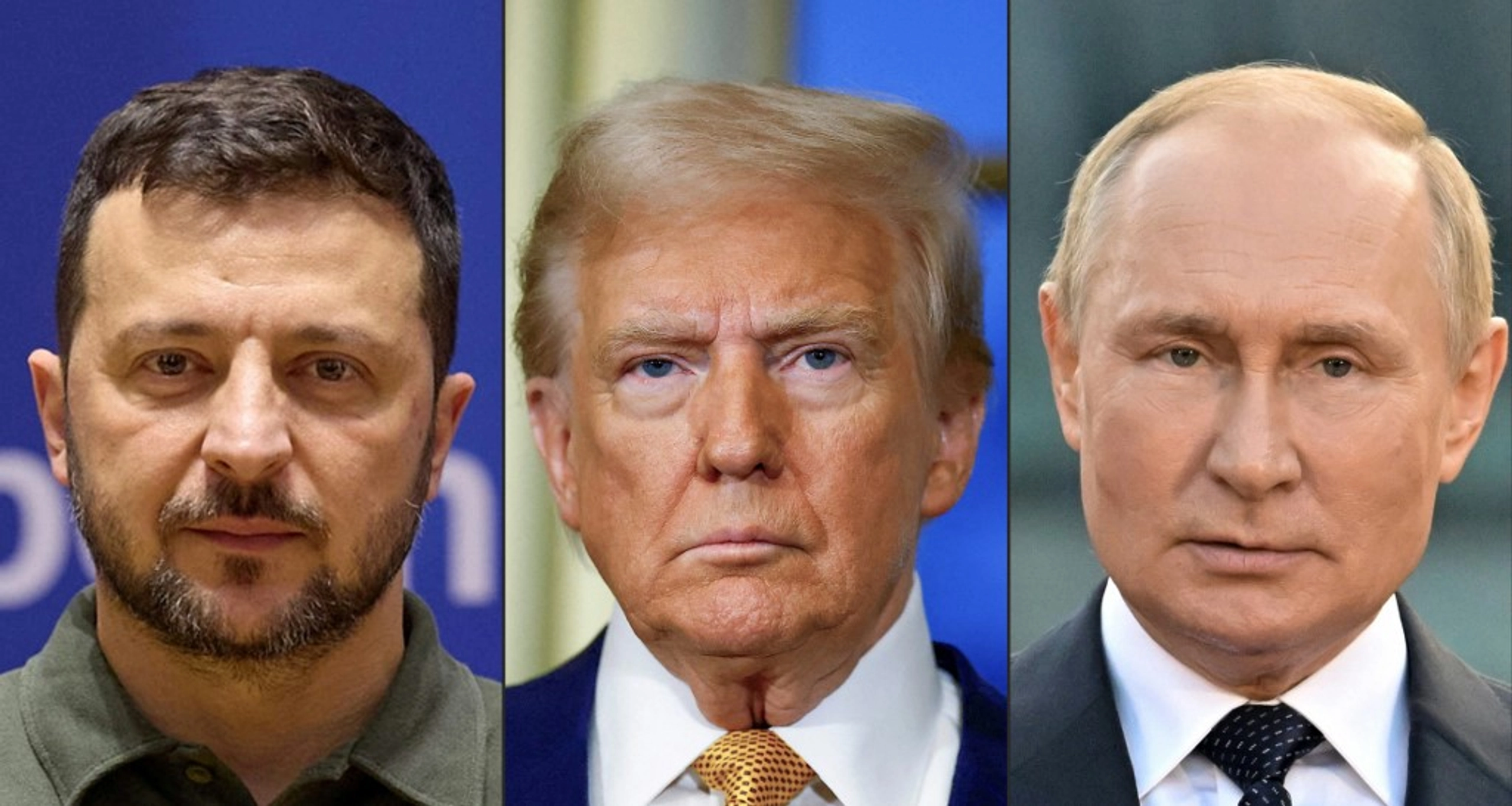
US President Donald Trump’s 90-minute phone call with Russian President Vladimir Putin has raised the stakes for the upcoming NATO summit in Ankara, Turkey, where allied leaders will face a central question: Can Washington and Europe rebuild a common strategy on Ukraine?
Political analyst Paul Goble urged caution in reading too much into the call’s reported length, saying the actual substance of the exchange was likely far shorter once interpretation was factored in.
JOIN US ON TELEGRAM
Follow our coverage of the war on the @Kyivpost_official.
“A 90-minute conversation between leaders who don’t speak the same language is really only about a 35- or 40-minute conversation because of the translation times,” Goble told Kyiv Post.
He also downplayed Trump’s public claim that both Putin and President Volodymyr Zelensky want to end the war. For Goble, such language is not surprising from a US president who wants to present himself as a mediator.
“What else might he say?” Goble asked. “If he came out and said the Russians don’t want peace, there’d be no basis for talks.”
Trump’s dual-track diplomacy
Goble said the more important point is not simply that Trump spoke with Putin, but that he has also been speaking with Zelensky.
That back-and-forth, he argued, is exactly what a would-be mediator does when trying to position himself between two sides.
“The mistake will be if people conclude the fact that he’s talking to Moscow means he’s not talking to Kyiv,” Goble said. “That’s a huge mistake.”
Ukraine to Allocate Emergency Aid for Vyshneve Strike Victims
According to Goble, Trump’s sequence of conversations suggests that Washington wants to remain directly involved in any possible negotiation process.
“It’s a message that the US wants to be very involved,” he said, adding that Trump “wants something he can claim, put his name on and claim as a victory.”
A test of NATO unity
The Ankara summit comes at a precarious moment for the transatlantic alliance after months of visible strain between Washington and major European capitals.
In Goble’s view, the gathering offers Washington and its European allies a chance “to come back together” as their positions on Ukraine continue to evolve.
Trump, he noted, has recently signaled a tougher stance on Ukraine’s defense than some of his earlier rhetoric suggested. The extent of that shift remains uncertain, but Goble said it has already changed the diplomatic atmosphere.
“This is an effort for the alliance to come up with a common position, or at least a closer position of its major partners,” he said.
Why “common analysis” matters
The summit should not be judged only by whether it produces a dramatic breakthrough. A more realistic measure of success will be whether NATO can agree on a shared analysis of the threats facing Europe.
“My guess is you’ll see language that talks about common analysis,” Goble told Kyiv Post. “Ten years ago, that wouldn’t have been a big deal. In the last two, it’s become a very big deal.”
After months of tension between Washington and European capitals, even bringing the US, Brussels, Berlin and Paris back into the same strategic framework would represent progress.
Such language, in his view, would be “a serious step in the right direction” for an alliance that has helped keep peace in Europe for 80 years.
The danger of fragmentation
If the summit fails to produce a cohesive message, or if it exposes open and serious divisions among NATO’s major powers, Moscow would likely see an opening to exploit the cracks, Goble warned.
Such a failure, he added, could open the door to Russian provocations, including possible efforts to test NATO’s resolve in the Baltic states or Poland.
For Kyiv, a fragmented NATO message would be especially damaging. Ukraine needs sustained military, political and economic pressure on Moscow – not signs that the West’s strategic patience is weakening.
What Ukraine can realistically expect
The best possible outcome for Ukraine would be an announcement that NATO is ready to place Kyiv on an expedited path to membership.
For now, however, an expedited membership track appears unlikely.
“I don’t think that’s going to happen,” Goble said, pointing to reluctance among some European governments to assume the burdens that would come with such a step.
Short of membership, Ukraine could still benefit from stronger commitments on military aid, intelligence cooperation, training and the use of frozen Russian assets.
One realistic outcome, according to the analyst, could be language supporting efforts by NATO members to use seized Russian assets to finance Ukraine’s defense.
“There could be discussion about how the members of the alliance might use Russian assets that they’ve seized to sell those assets and then send the money to Ukraine to be able to buy weapons to continue to fight,” Goble said.
He also expects NATO to endorse the work already being done by individual member states, including countries such as Latvia and Lithuania.
Pressure belongs on Moscow
The strategic environment has shifted significantly compared with only a few months ago.
Had the summit taken place three or six months earlier, expectations would have been far more pessimistic. Now, Goble sees a greater willingness by the US to cooperate with Europe – a shift he believes works to Ukraine’s benefit.
Even a “steady as she goes” message from NATO, he argued, would put more pressure on Moscow than on Kyiv.
Russia’s mounting battlefield losses, economic strain, fuel shortages and Ukraine’s ability to challenge Moscow’s position in Crimea all point to a Kremlin narrative increasingly detached from reality.
“The Ukrainian army has behaved extraordinarily well,” Goble said, noting that few observers at the start of Russia’s full-scale invasion expected Ukraine to hold out this long.
The real message from Ankara
As NATO leaders gather in Ankara, the key issue is not whether every ally agrees on every tactical detail. The real test is whether the alliance can speak with enough unity to matter.
For Goble, even a carefully worded statement of common threat analysis would mark a meaningful step after years of transatlantic friction.
Trump’s call with Putin may dominate the headlines, but the more consequential question is what NATO does next: whether it turns diplomatic noise into strategic alignment – and whether that alignment keeps pressure where Goble says it belongs, on Moscow.
You can also highlight the text and press Ctrl + Enter