Russia never acts by accident. Every time it crosses NATO’s maritime or air borders, every incursion into zones that formally belong to allies, is a test. This is not just a show of force, it is a systematic strategy that erodes the Alliance’s readiness to deliver a decisive and unified response if Moscow dares a ground invasion.
Hundreds of scrambles happen every year, and this has become routine for NATO. Fighter jets scramble to intercept Russian aircraft that break the rules and approach allied borders. Each sortie consumes resources, political decisions, and human effort. What should signal alarm has become everyday routine.
JOIN US ON TELEGRAM
Follow our coverage of the war on the @Kyivpost_official.
But it is not just about resources. When ships and drones systematically test borders, a kind of political “sandbox” is created. Who should respond, and how? Is direct confrontation worth the risk? What consequences should be expected? Take the example of the British destroyer HMS Defender in the Black Sea in 2021. A maneuver that lasted only minutes instantly triggered a major diplomatic dispute.
We have already seen where this leads. The 2008 Georgia conflict showed that even a local clash can change the reality of an entire region in days. Then came the annexation of Crimea in 2014, followed by the covert war in Donbas that dragged on for years against the backdrop of cautious Western responses. Finally, the full-scale invasion in February 2022 confirmed that Moscow is always ready to escalate from hybrid tactics to open aggression if not decisively stopped.

Nord Stream Blast Ordered by Ukraine, German Prosecutors Say
Moscow knows the NATO’s main weakness is not weapons or finances, but political will.
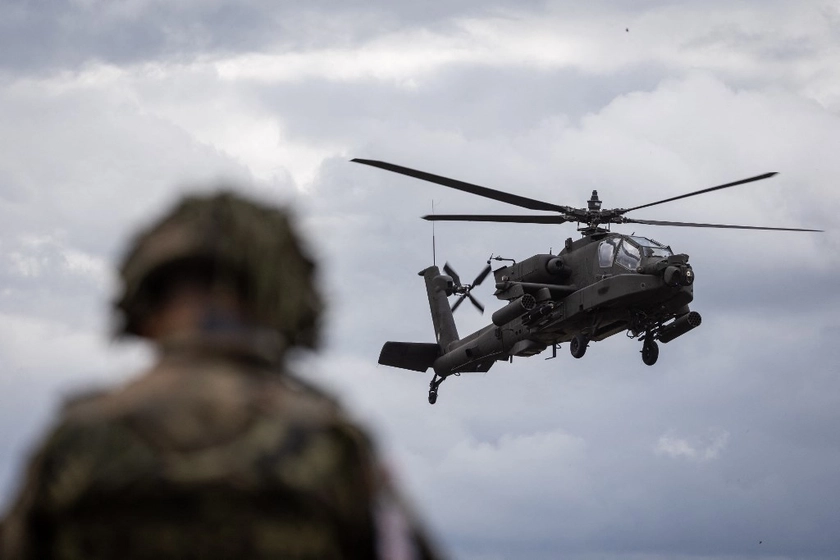
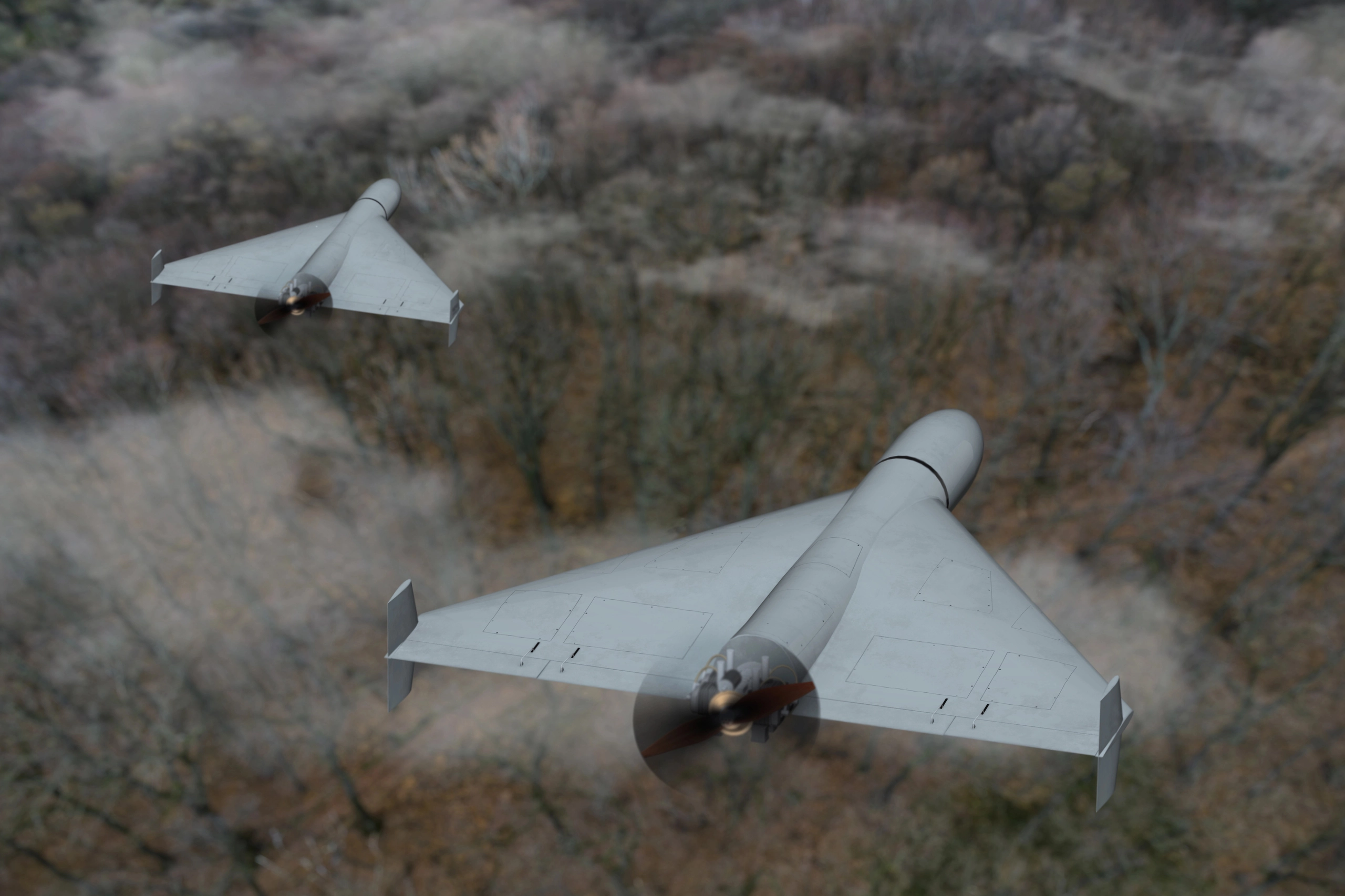
Today, we see a new phase. Russian drones are systematically violating NATO’s airspace. The operational command of Polish and allied aviation shot down some of them for the first time. NATO officially states that these incidents are not considered attacks. Meanwhile, Reuters reports that preliminary assessments indicate these incursions are deliberate. This is a warning signal. Different interpretations of such incidents among allies are part of Russia’s strategy, which has already proven effective.
The attack on Poland and systematic provocations in the Baltic region are no coincidence. Moscow pursues several goals at once.
First, testing NATO’s “red lines.” Moscow knows the Alliance’s main weakness is not weapons or finances, but political will. A weak response to an attack on an ally can be perceived as a signal that NATO is not ready to defend each member.
Second, creating an atmosphere of fear in Central Europe. Each incident breeds political extremes. Far-right and far-left forces sympathetic to Moscow gain a chance to strengthen their positions. Solidarity with the victims of aggression becomes a luxury, while cooperation with the Kremlin becomes the norm.
Third, provoking debates on Europe’s defense. Moscow knows that the more Europe discusses strengthening its armies and industrial base, the louder the arguments for reducing aid to Ukraine. The Kremlin seeks to convince the West that it is better to prepare for a hypothetical future war than to support a country already at war.
Supporting Ukraine today is not altruism, but a strategic necessity.
Fourth, fueling anti-Ukrainian sentiment. Refugee flows and the war nearby are tools for populists. The strike on Poland signals that war could reach your doorstep, and Ukrainians are framed as a “burden,” not allies in the fight against aggression.
Fifth, threats to the Baltic states. Intelligence agencies from the US (ODNI), Denmark (DDIS), and Germany (BND) in 2025 warned that Russia is increasing its military presence in the Baltic, testing NATO readiness, potentially using unofficial military units and even conducting limited operations against allies, especially in Estonia, Latvia, Lithuania, and the strategically important Suwałki Corridor. These assessments emphasize that Moscow acts methodically and deliberately, creating simultaneous political and psychological pressure.
Finally, preparation for even bolder actions. Moscow evaluates NATO and US responses, looking for weak points. If the response is insufficiently decisive, it opens the door to larger aggressions. The next phase could include large-scale air and naval maneuvers, as well as demonstrative ground operations near Alliance borders, including breaches within a “low-threshold” framework. This creates a precedent through limited actions that do not trigger full-scale war but destabilize NATO from within, divide allies, and call into question the Alliance’s very existence.
Moscow’s methods are refined and predictable. Small provocations, interceptions, drones, cyberattacks, information pressure, and diplomatic manipulations all combine to test the physical and psychological boundaries of allies. Each “small” incident prepares the ground for “large” actions, forcing the Alliance to respond separately and stretching attention and resources.
Ukraine is not just NATO’s eastern neighbor; it is a geopolitical center on which the security of all Europe depends.
The role of Ukraine
Zbigniew Brzezinski in “The Grand Chessboard” wrote that without Ukraine, Russia ceases to be an empire, and with Ukraine under control, it becomes an empire. Today, this is more than a theoretical warning. Ukraine is not just NATO’s eastern neighbor; it is a geopolitical center on which the security of all Europe depends.
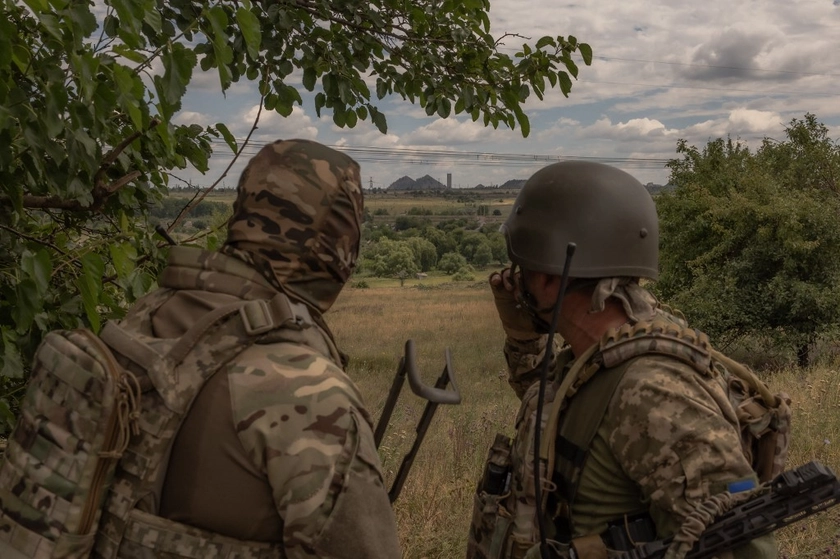
The Ukrainian army has unique combat experience. The forces have conducted dozens of large-scale operations, mastered new technologies from drones to cyberattacks, and gained practical understanding of how the Kremlin wages war. Ukraine already restrains Russian aggression while providing the Alliance with critically important information and practical expertise.
Supporting Ukraine today is not altruism, but a strategic necessity. It provides allies with a “live forward post” that has tested battlefield scenarios capable of threatening all Europe.
Russia acts methodically and predictably
From minor provocations, it always escalates to full-scale war if not met with decisive response. Georgia, Crimea, Donbas, 2022, and today – Poland and the Baltic region. This sequence is no coincidence. It confirms a pattern.
To change this scenario, NATO needs strategy, not reaction. And Ukraine must play a central role, as a state with real combat experience, deep understanding of Kremlin tactics and strategy, and as a forward post that determines the security of all Europe.
The views expressed in this opinion article are the author’s and not necessarily those of Kyiv Post.
You can also highlight the text and press Ctrl + Enter

OPINION: The New Line Kyiv Quietly Built Into NATO