Russian intelligence has reportedly disguised homemade explosive devices by packing them alongside sex toys to facilitate a planned series of bombings across Europe.
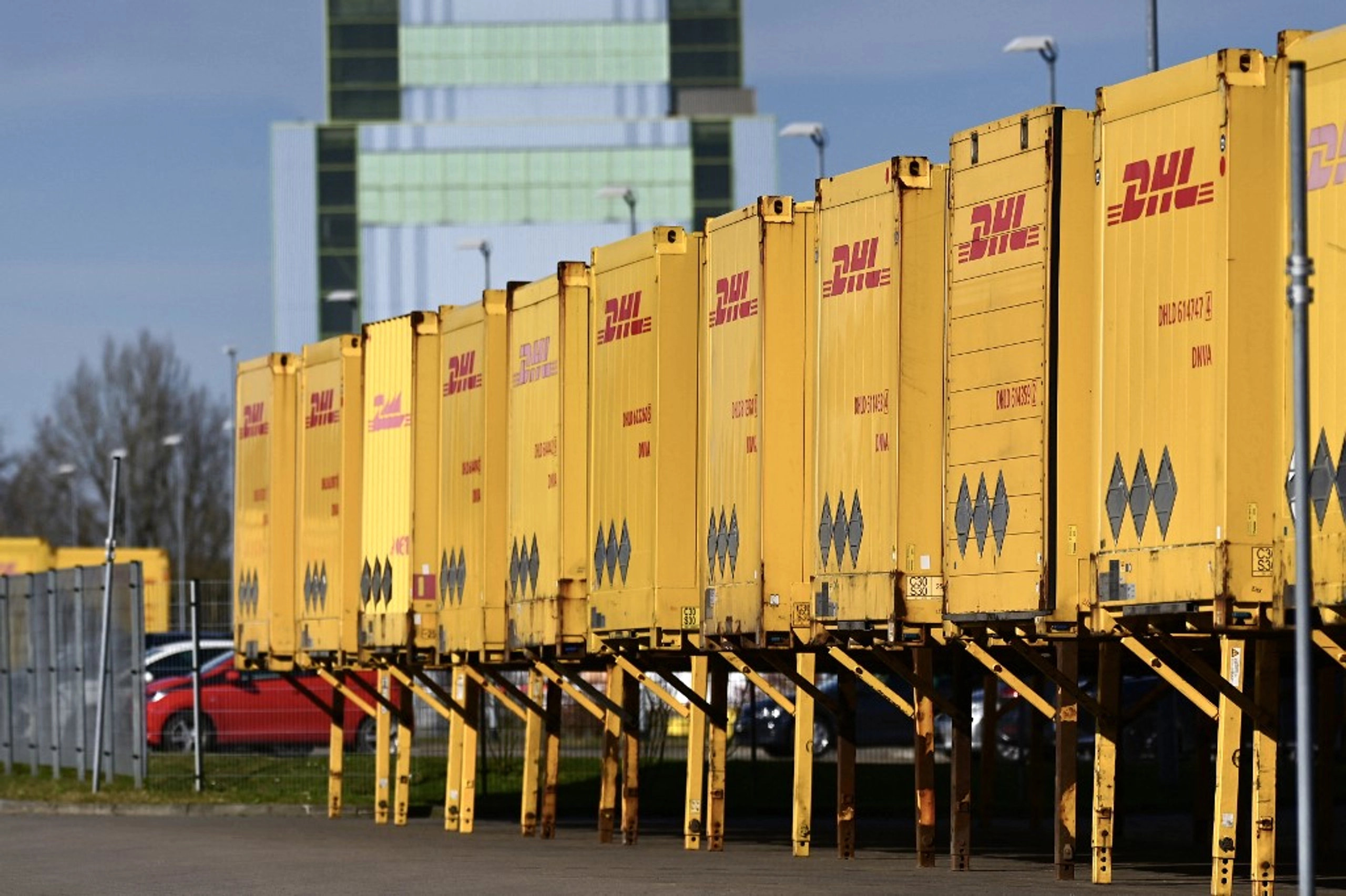
Western intelligence agencies have accused Moscow of attempting to send bombs in parcels to various locations in Europe, including the UK, Germany and Poland after several parcels caught fire while in transit warehouses last summer.
JOIN US ON TELEGRAM
Follow our coverage of the war on the @Kyivpost_official.
It is thought the bombings were intended as a test run before the devices were used to target cargo planes destined for North America hoping to cause panic and impact Western support for Ukraine.
The bombings in part mirror similar operations in Ukraine, where Russian intelligence has reportedly staged dozens of bombings aimed at official buildings and other crowded locations by tasking locals to make and deliver crudely-made bombs.
Bomb components
Reuters, citing a “person with knowledge of the Polish investigation,” said an unexploded fourth parcel was intercepted in a Warsaw depot and subsequent investigations have offered insight into the operations.
The source told Reuters that massage pillows filled with homemade explosives using magnesium – a highly reactive material that once ignited is difficult to extinguish – were packed alongside cosmetics and sex toys, where the gel inside the cosmetics contained flammable compounds such as nitromethane which served as further fuel for the bombs.
Rheinmetall CEO Fears Collapse of Franco-German Tank Project
The source said a cheap Chinese tracker was repurposed to serve as a timer to detonate the device.
Russian operations
Citing European security officials, Reuters said Russian intelligence often hired local criminals to do their bidding, offering them a few thousand euros per job.
According to the source, the bombings were carried out as follows: a Russian handler issued orders to his agents. One of them would collect the bomb-making materials, pack the parcels, and set up the timer before bringing them to another agent tasked to mail the parcels.
The handler, reportedly working for Russia’s Main Directorate of the General Staff of the Armed Forces (GRU), coordinated the operations with the agents via Telegram. He remains unidentified, only being known as the “Warrior.”
“The proceedings in this case concern criminal activities inspired by Russia’s GRU,” the source told Reuters.
The first agent, whom the investigators identified as Vladyslav D, is a Ukrainian national aged 27 residing in Poland.
They said he drove from his home in Katowice in Poland to Kaunas in Lithuania on July 18, 2024, to pick up more than a dozen items from the trunk of a parked car. He then went to Vilnius, the capital of Lithuania, to pack explosives into four parcels and to set up two timers in each bomb.
On the following day, he passed the parcels to another agent known only as “Mary” in a park in Vilnius, from where the parcels were sent the same day.
The first agent was later identified as Vladyslav Derkavets via a related court case in Bosnia, while the full identity of “Mary” has yet to be established.
Polish authorities also extradited 44-year-old Alexander Bezrukavyi, a Russian national from Rostov-on-Don from Bosnia, for allegedly operating in the same sabotage cell. Bezrukavyi was reportedly tasked with identifying the logistics needed to plant the parcels on trans-Atlantic flights.
Both Derkavets and Bezrukavyi deny the charges.
While Russian sabotage was initially thought to have caused a DHL cargo plane crash in Lithuania in November 2024, although government officials have since ruled out “unlawful interference” in the incident.
You can also highlight the text and press Ctrl + Enter