Top US and European analysts on Monday expressed cautious optimism over US President Donald Trump’s desire to bring Russia’s war to an end in the near future, while also noting that the days for the Ukrainians and EU allies to fear about potential Kremlin-White House agreement behind their back “are over,” Kyiv Post’s Washington correspondent reports.
“Today, we are no longer in Europe or in Kyiv expecting a Russian-American deal [behind Ukraine’s back] and that’s good news,” says Marie Mendras, a specialist in Russian affairs at the Paris-based Center for International Study and Research.
JOIN US ON TELEGRAM
Follow our coverage of the war on the @Kyivpost_official.
Speaking at an event organized by Washington-based think-tank Atlantic Council, Mendras said that if Trump and Putin could, albeit unlikely, come to sign any kind of a deal, “we won’t take it into consideration in Europe, and in Ukraine.
“So the idea of a peace or a ceasefire that could be achieved just between those two leaders [Trump and Putin] that are both erratic and don’t listen to their advisors, is over. We will no longer focus on what the White House and the Kremlin talk about. Plus, I doubt that they talk a lot, except for a special envoy,” she said, referring to Trump advisor Steve Witkoff.
John Herbst, former US Ambassador to Kyiv, currently senior director of the Atlantic Council’s Eurasia Center, agrees with Mendras.
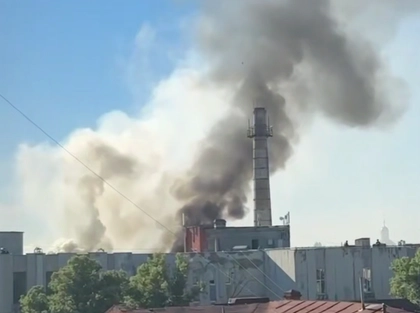
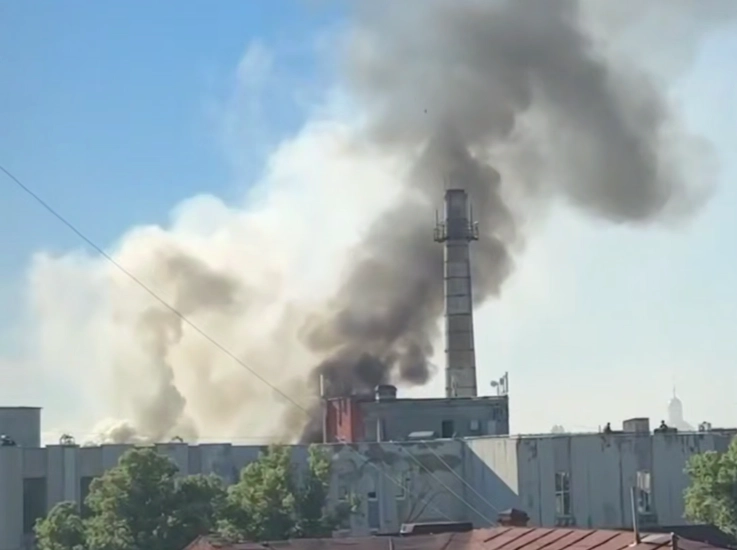
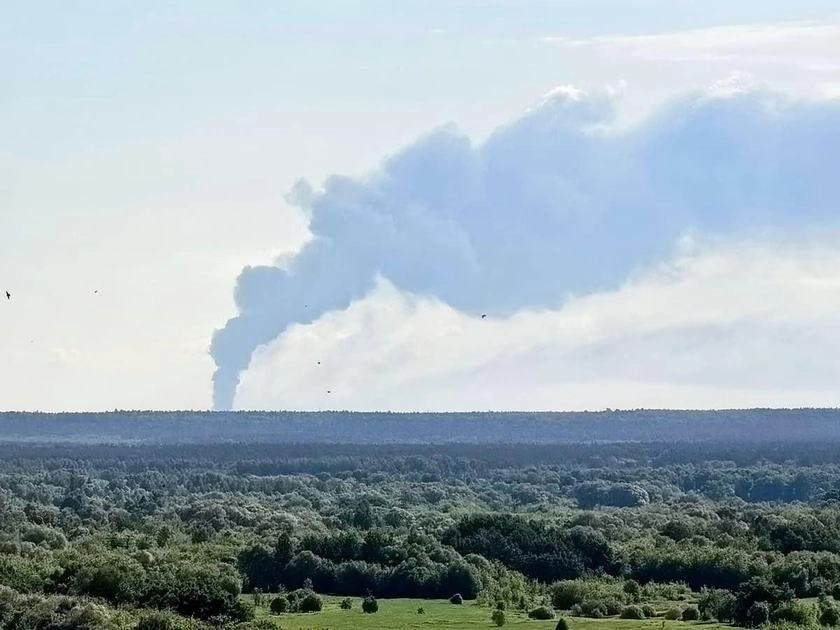
Ukraine Hits Targets 1,300 km Inside Russia, Striking Ufa Oil Refinery and Penza Missile-Linked Plant
Thanks to European leadership, he says, it has now become “much harder” for Vladimir Putin to impose his will against Ukraine and for Trump to facilitate it. “And one of the reasons for that, of course, is the great efforts made, first by [French President Emmanuel] Macron, and then by [British PM Keir] Starmer on a topic of European forces to deploy to Ukraine.”
Trump himself on Monday expressed optimism about prospects for ending the war, telling reporters at the White House that he thinks Russia, “with the price of oil right now” was “in a good position to settle.”
“They want to settle, Ukraine wants to settle. If I weren’t president, nobody would be settling,” Trump said.
When asked about Putin’s recent announcement of a three-day ceasefire, the US President replied: “It doesn’t sound like much”, adding “but it’s a lot if you knew where we started from.”
For Daniel Fried, former assistant secretary of State for European and Eurasian affairs in the Bush and Obama administrations, while Trump and his team are trying to entice Russia with various offers, they are failing to understand that for Russia, it means “giving them something for which you get nothing in return.”
“Putin’s greed and arrogance could be his downfall. He could alienate Trump, who otherwise might be on his side, to some degree,” Fried said citing recent Trump statements in favor of Russia, such as the flirtation with the idea of recognizing Crimea, which Fried calls “a terrible one.”
Putin, the former diplomat concluded, “is maintaining his absolutist position.
“The question now is whether Trump, having been stiffed by Putin, is going to push back and put pressure on Putin,” Fried said.
Back at the White House, senior advisors to Trump believe that last week’s Ukraine minerals deal can be deemed as a means for pressure on Russia.
Similar sentiment was express by Treasury Secretary Scott Bessent Monday night.
In his keynote address at the Milken Institute Global Conference in Los Angeles, Bessent said that Trump signed off on the minerals deal with Ukraine to get more “leverage” over Russia in peace negotiations – on top of getting the US money in exchange for aid provided to Kyiv.
“The economic partnership was his idea, and he believed that it would do several things,” Bessent said referring to Trump. “It would create more leverage for him with the Russian leadership when it was time to go to them. So the idea was, start with Ukraine, sign a deal that shows that there is no daylight between the US and Ukrainian people,” he emphasized.
US and Ukraine signed the long-awaited minerals deal last Wednesday, April 30 t to establish a joint investment fund for the reconstruction of Ukraine. The fund will be capitalized, in part, by revenues from future natural resource extraction.
The deal counts any future US military assistance to Ukraine in the form of ammunition, weapons systems, or training as a capital contribution to the fund. Trump restarted military support to Ukraine and approved $50 million in weapons sales to Kyiv on the same day that the agreement was signed.
You can also highlight the text and press Ctrl + Enter

Russia Hit by 660-Drone Overnight Barrage Targeting Moscow, Crimea and Key Military Sites