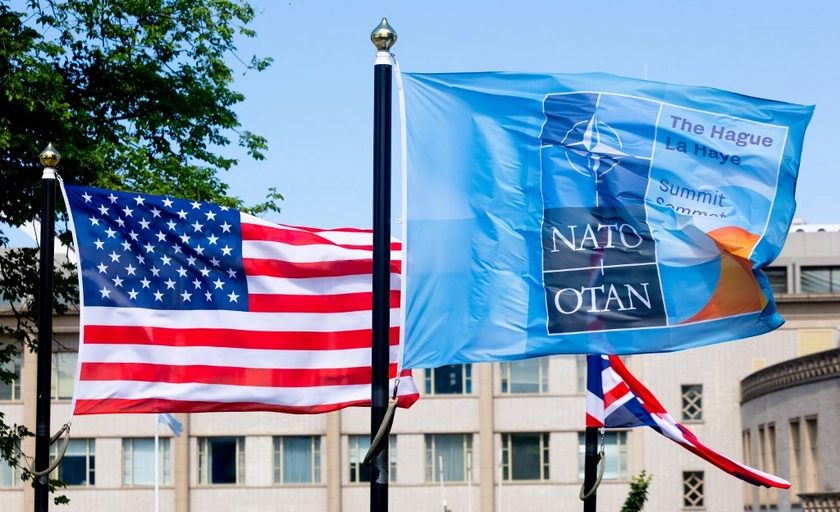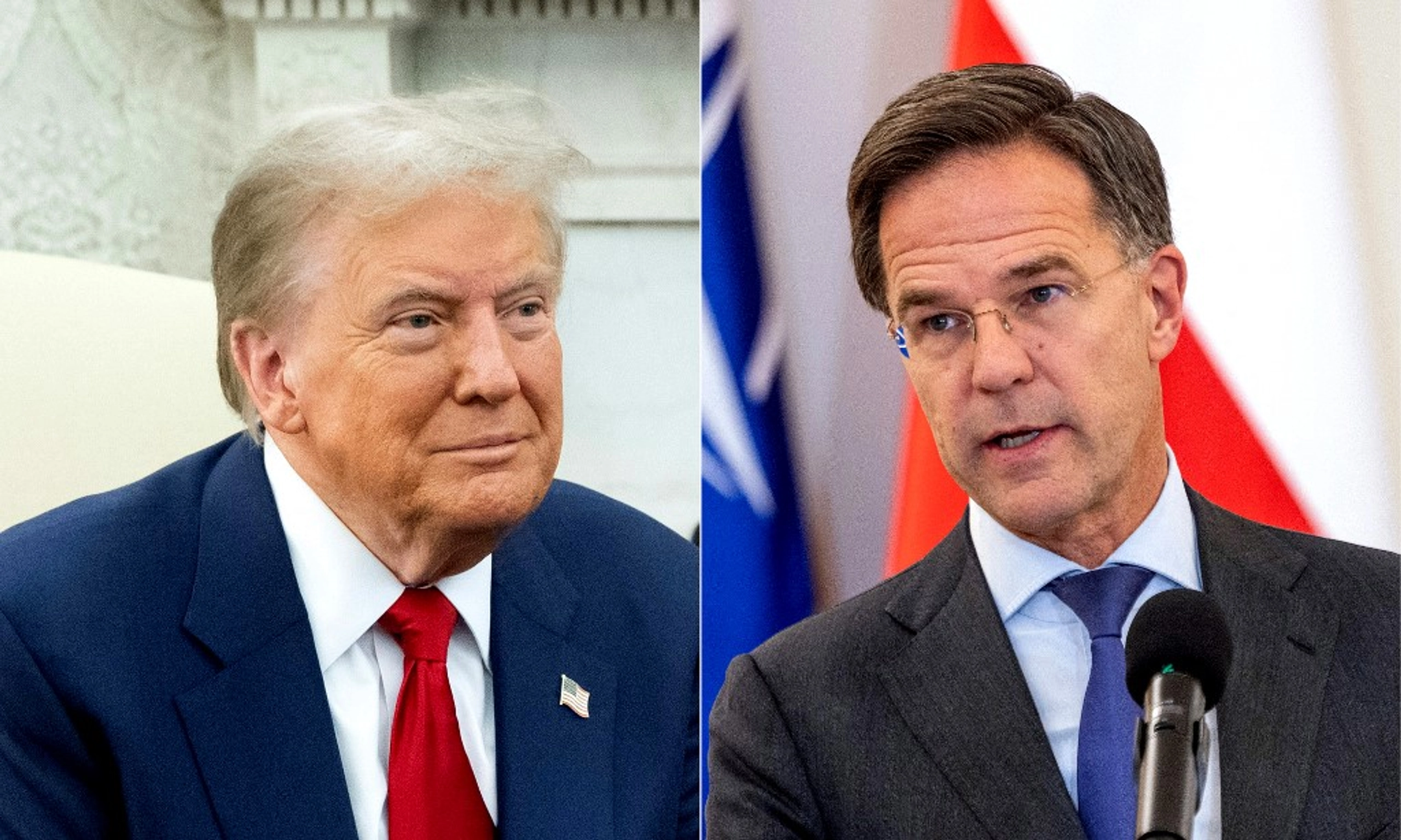
The United States on Tuesday said NATO’s new spending commitment at a summit next month should cover broader “defense-related” areas, endorsing a proposal from alliance chief Mark Rutte.
President Donald Trump is pressuring allies to agree to a new spending target of 5% of GDP when leaders meet in June in The Hague – a level none of NATO’s 32 members currently reaches.
JOIN US ON TELEGRAM
Follow our coverage of the war on the @Kyivpost_official.
Rutte has floated a compromise deal to commit to 3.5% of direct military spending by 2032, as well as another 1.5% of broader security-related expenditure.
US NATO Ambassador Matthew Whitaker threw Washington’s weight behind the proposal to allow a wider scope of spending to make up the 5%.
“This new Hague investment pledge or plan is going to include all of the capability targets necessary for NATO allies to deter and defend, but it also includes things like mobility, infrastructure, necessary infrastructure, cyber security,” he told journalists.
“It is definitely more than just missiles, tanks and howitzers, but at the same time, it’s got to be defense related. It is not a grab bag for everything that you could possibly imagine,” Whitaker added.
NATO foreign ministers are set to meet Wednesday in the Turkish resort of Antalya for two days of talks aimed at thrashing out details for the June summit in The Hague.
The flexible approach from Washington should help Rutte forge a deal as it grants more leeway to allies still scrambling to hit NATO’s current spending threshold of two percent.
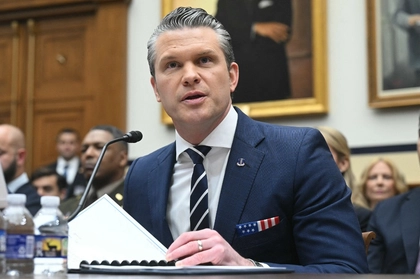
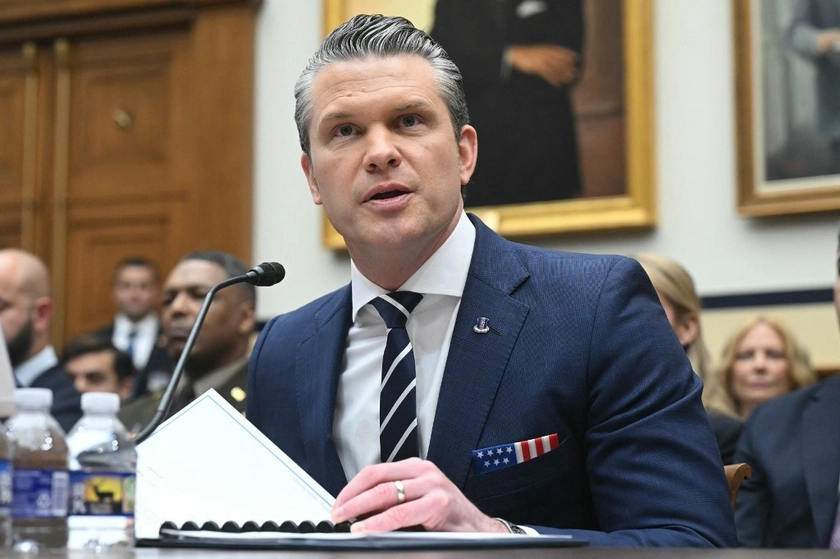
Pentagon Chief Denies US Facing Munitions Stockpile Shortage
Europe has ramped up its defense spending since Russia launched its 2022 invasion of Ukraine.
But a number of countries including Canada, Italy and Spain are only due to hit 2% this year.
Diplomats say that allowing countries to count broader security-linked spending should help those grappling with constrained budgets agree to further hikes.
You can also highlight the text and press Ctrl + Enter

Putin’s Worst Nightmare