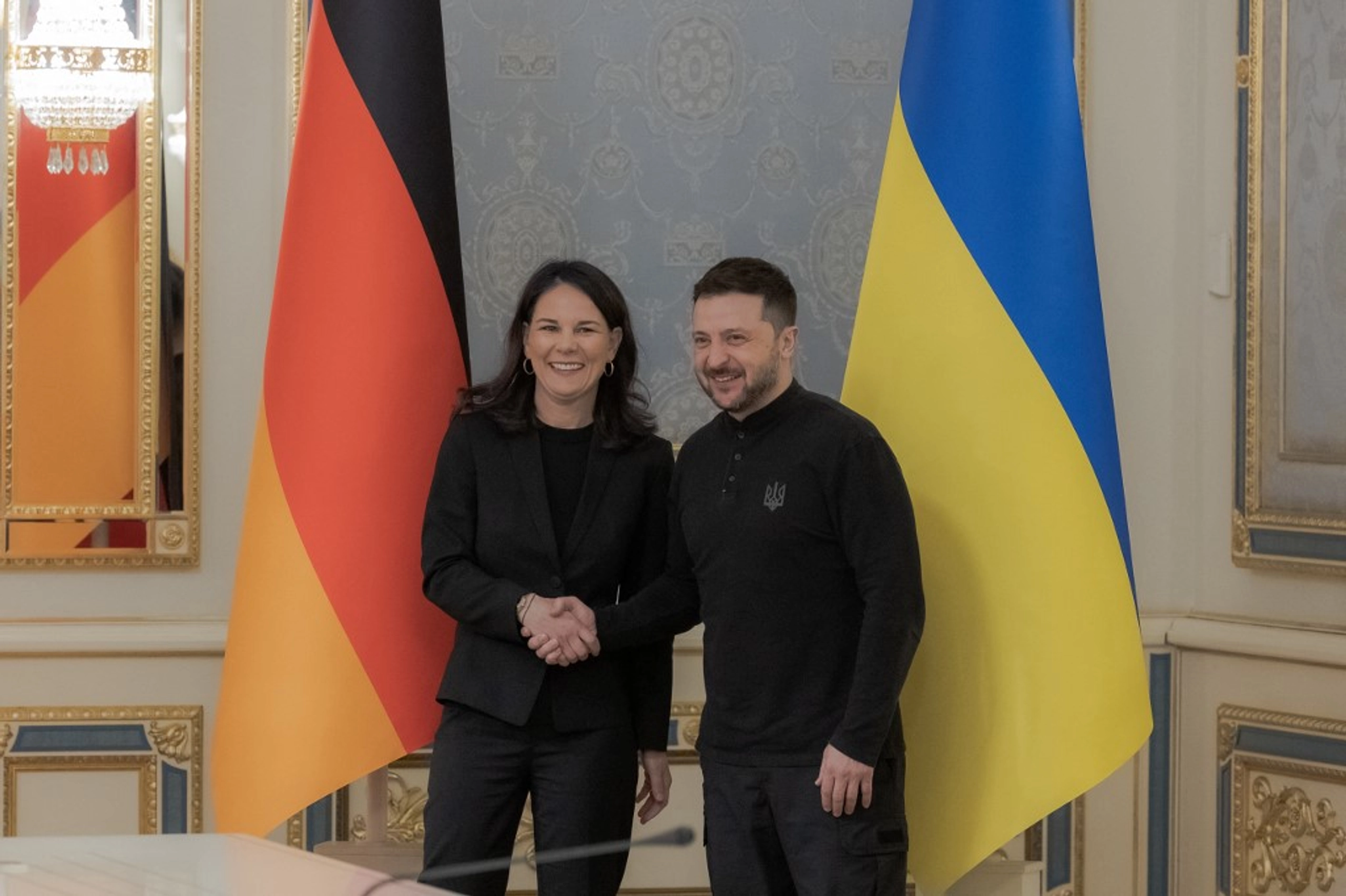
Germany’s former foreign minister Annalena Baerbock was elected president of the 80th session of the UN General Assembly on Monday, despite strong opposition from Russia.
A new president is chosen for the largely ceremonial role every year in an uncontested election, in which countries rotate to nominate a candidate.
JOIN US ON TELEGRAM
Follow our coverage of the war on the @Kyivpost_official.
The vote usually takes place by acclamation but this year Russia, which opposed Baerbock’s candidacy, had called for a secret ballot, diplomatic sources told AFP.
Baerbock emerged as a candidate only in March as she was about to step down as foreign minister following February parliamentary elections in Germany, replacing diplomat Helga Schmid, whose candidacy for the UN role had been announced last year.
Russia opposed the change, saying “Baerbock has repeatedly proved her incompetence, extreme bias and lack of understanding of the basic principles of diplomacy.”
“The decision of the authorities in Berlin to push through her candidacy... is no less than spitting in the face of the world organization and showing a blatant disregard for it,” Russian Deputy Ambassador Dmitry Polyanskiy said in May.
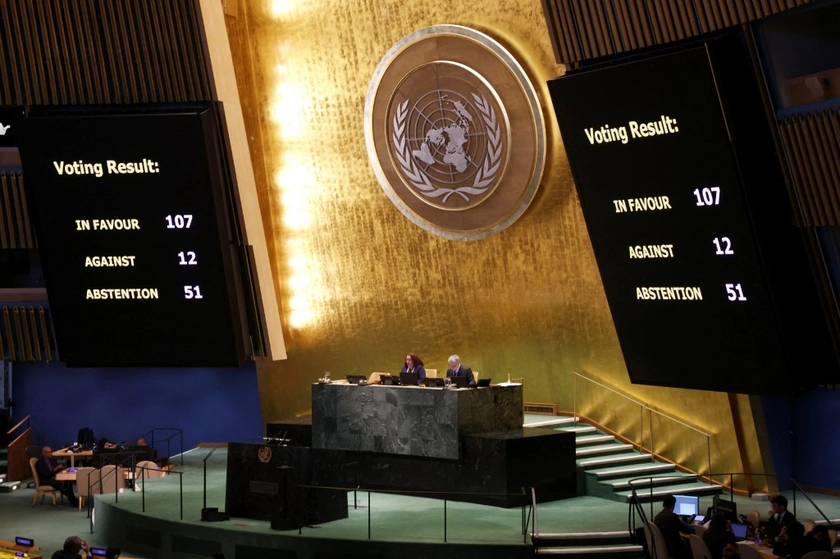
In the secret ballot on Monday, Baerbock received 167 votes in her favor, 14 countries abstained, and 7 voted for Schmid.
“As the President of the General Assembly, I will engage in a trust-based dialogue with all Member States,” Baerbrock said after the election. “My door will always be open for everyone.”
Germany, Netherlands to Take Command of NATO’s Eastern Flank in Estonia
You can also highlight the text and press Ctrl + Enter