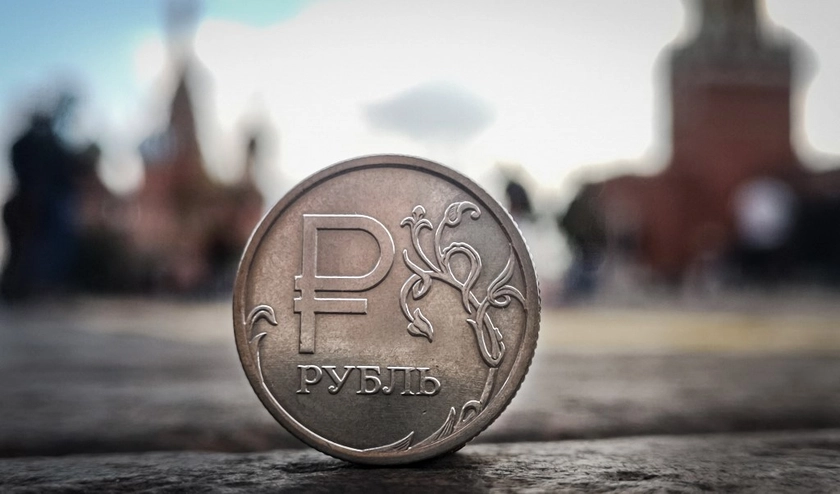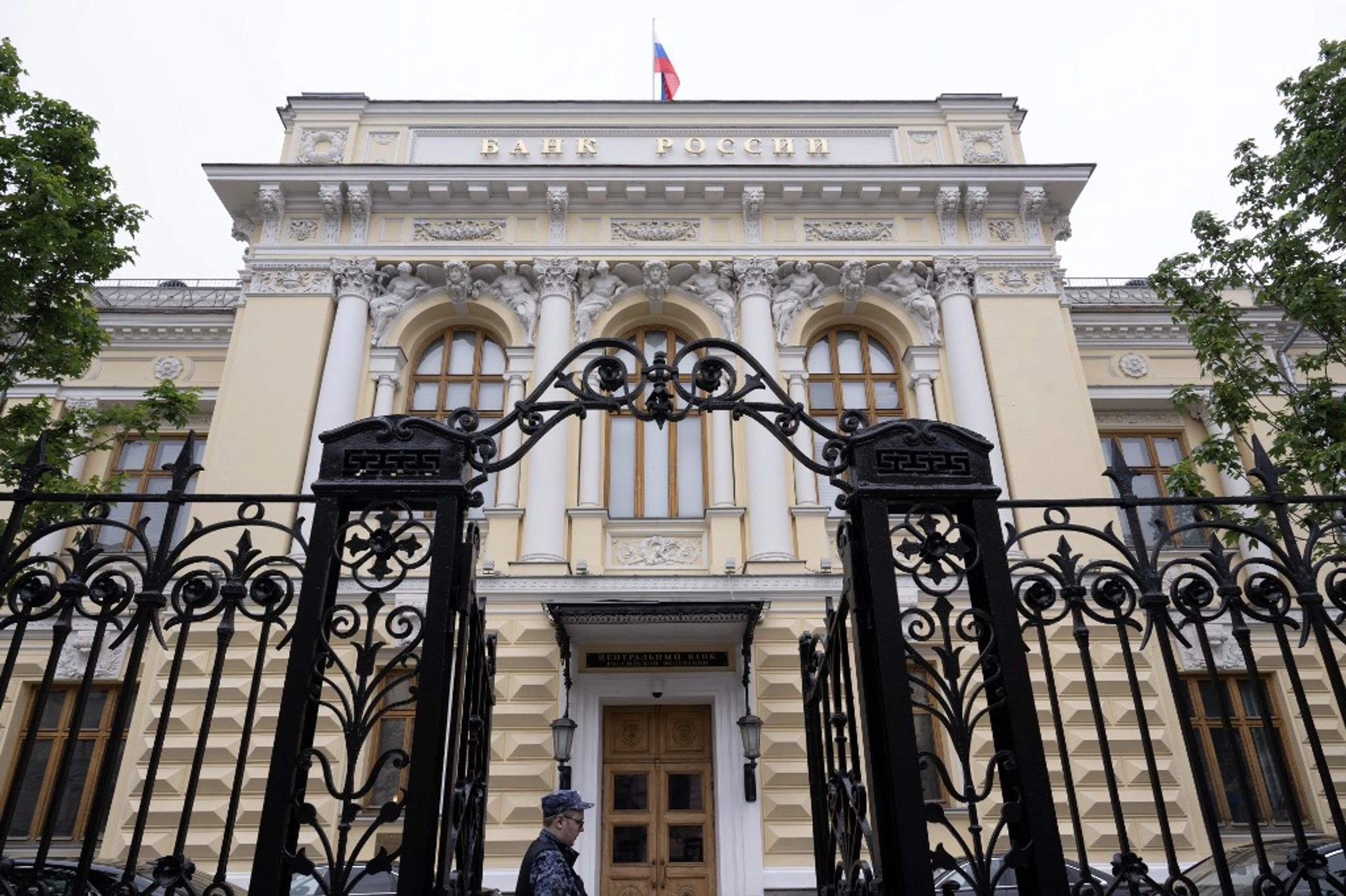
Russia’s central bank lowered the key rate from 21% to 20% as Bank of Russia Governor Elvira Nabiullina stated that inflation deceleration is “substantial.”
Inflation in Russia decelerated from 10.4% to 7% in March and 6% in April this year. The Bank of Russia did not publish the inflation forecast for 2026, which Nabiullina said will be published when the regulator receives the relevant data.
JOIN US ON TELEGRAM
Follow our coverage of the war on the @Kyivpost_official.
During the briefing on Friday, Nabiullina stated that the high key rate contributed to the decrease, although added that its impact is still uneven across different segments.
High interest rates have become one of the major drivers of the ruble strengthening, adding to a decrease of prices in the group of non-food goods and cool-down in demand.
“Current growth rates of food prices have declined overall, albeit less notably than those of non-food prices,” Nabiullina said during the briefing in Moscow.
The prices for services continue to press on inflation, as Russia’s economy has accelerated its defense sector to work on maximum capacity, causing an overheating of the economy and a workforce deficit.
“Growth rates of prices for services remain high as demand in this sector is affected by the dynamics of households’ incomes more than by lending dynamics. Given persistent income growth, the demand for services is increasing faster than that for goods,” Nabiullina said.
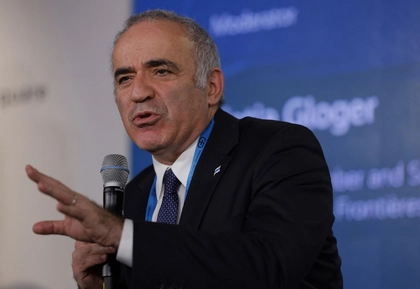
Kasparov: Ukrainian Flag in Sevastopol Is the Shock Russia Needs to Accept Empire Is Dead
However, the percentage of companies experiencing labor shortages has been declining, according to Russia’s central bank. The number of industrial enterprises reporting to be fully staffed has gone up as well as that of enterprises that have reduced the number of work shifts – but, for now, it is unknown whether it will impact the overall economic situation.
Russia’s central bank is observing a downward trend in inflation, although inflation expectations are still high, Nabiullina added.
High key rates in Russia decreased yield curves in the government bond market and the money market, as well as nominal and real interest rates on loans and deposits, according to Russia’s central bank. But tight monetary conditions has meant a cooldown in lending, especially unsecured consumer lending. “As for corporate lending, it expanded slightly over the previous two months,” Nabiullina added.
“However, considering very modest growth rates of the portfolio in early 2025, total lending to the economy is still closer to the lower bound of our forecast,” Russia’s central bank governor said.
Russia’s central bank governor was modest about the impact of the fall of crude oil prices below $60 per barrel. “The foreign trade surplus edged down in March-April due to falling prices for core Russian exports, that is, crude oil, certain metals, and coal. Import dynamics are still moderate, which is mostly the result of tight monetary policy,” Nabiullina said.
The Bank of Russia’s list of pro-inflationary risks for Russian economy consists of:
- the persistence of high inflation expectations among households
- labor market risks
- risks related to the dynamics of global prices for Russian exports
- decision-making about Russia’s state budget
- “risks associated with geopolitical developments”
Bloomberg previously reported that the Bank of Russia’s governor is under pressure to decrease the key rate. At 21%, the key rate had remained static since October 2024, halting investments and leaving high borrowing costs for industries unrelated to the military.
You can also highlight the text and press Ctrl + Enter