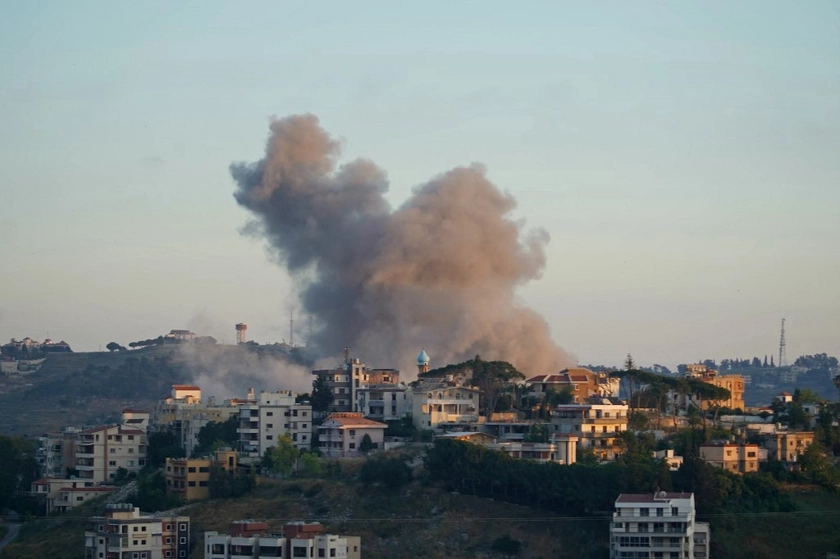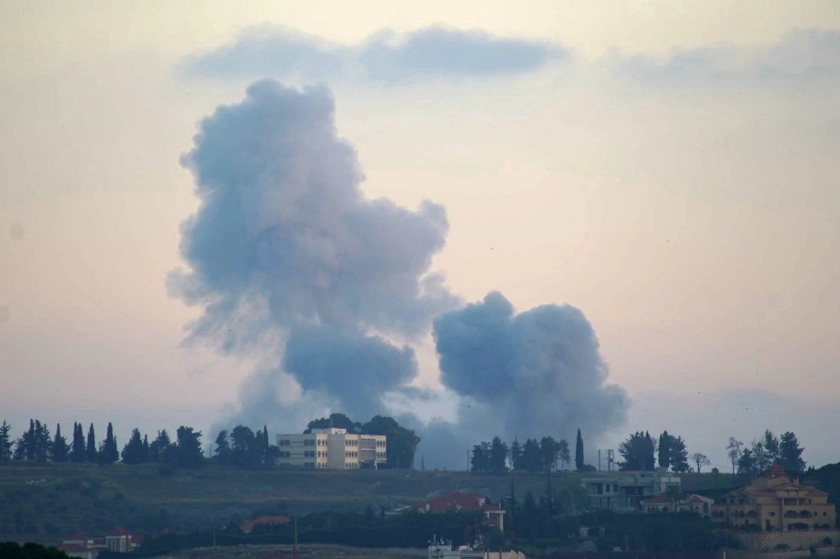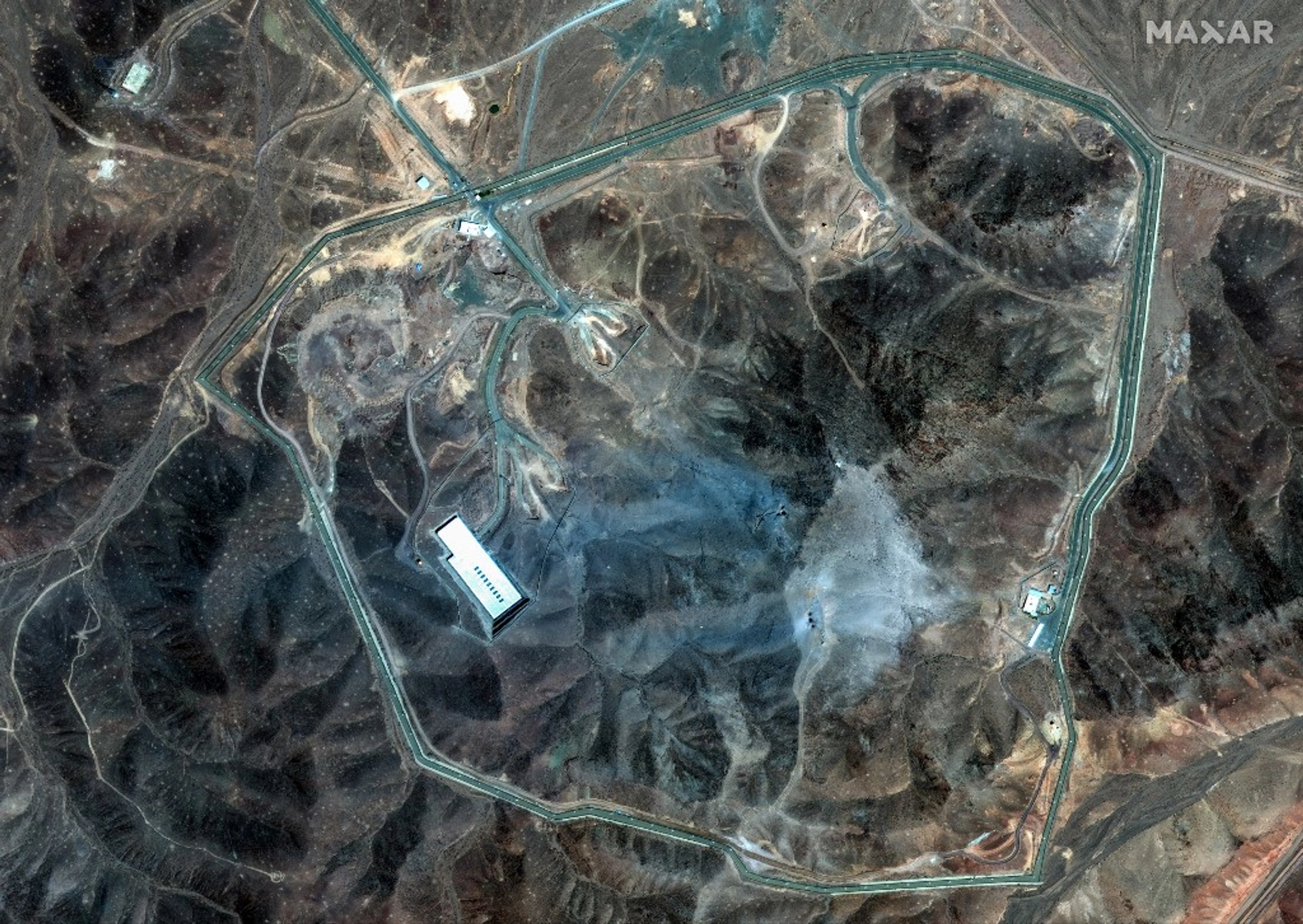
Two US intelligence officials briefed on the result of strikes on Iran’s Fordow uranium-enrichment facility and the Natanz Enrichment Complex did not eliminate Iran’s threat of building a nuclear weapon, but rather set the project back “by months.”
“The analysis of the damage to the sites and the impact of the strikes on Iran’s nuclear ambitions is ongoing, and could change as more intelligence becomes available,” according to the cited officials.
JOIN US ON TELEGRAM
Follow our coverage of the war on the @Kyivpost_official.
“But the early findings are at odds with President Donald Trump’s repeated claims that the strikes ‘completely and totally obliterated’ Iran’s nuclear enrichment facilities,” CNN wrote in its exclusive report.
“Secretary of Defense Pete Hegseth also said on Sunday that Iran’s nuclear ambitions ‘have been obliterated,’” CNN added.
On Monday, following the strikes by B-2 stealth aircraft dropping GBU-57 30,000 lbs. bunker-busting bombs on the Fordow facility and other weapons on two separate targets, Trump signaled a ceasefire between Israel and Iran beginning at midnight Tuesday morning, even as both sides continued to attack each other’s nation with missiles.
The White House on Tuesday bristled at CNN’s report, insulting the officials who leaked the battle damage assessment (BDA) by the Pentagon’s Defense Intelligence Agency, and called it “flat-out wrong.”
US-Iran Peace Treaty Closes on ‘24-Hour’ Deadline, Mediator Pakistan Says
White House press secretary Karoline Leavitt told CNN in a statement: “This alleged assessment is flat-out wrong and was classified as ‘top secret’ but was still leaked to CNN by an anonymous, low-level loser in the intelligence community.
“The leaking of this alleged assessment is a clear attempt to demean President Trump and discredit the brave fighter [sic] pilots who conducted a perfectly executed mission to obliterate Iran’s nuclear program.
“Everyone knows what happens when you drop fourteen 30,000-pound bombs perfectly on their targets: total obliteration.”
Those strikes “set them back maybe a few months, tops,” one of the sources told CNN, especially when there was ample time to remove any enriched uranium and specialized equipment between the initial Israeli aerial assault and the US strike.
Jeffrey Lewis, a weapons effects specialist and professor at the Middlebury Institute of International Studies, told CNN he agreed with the assessment that the attacks do not appear to have ended Iran’s nuclear program.
“The ceasefire came without either Israel or the United States being able to destroy several key underground nuclear facilities, including near Natanz, Isfahan, and Parchin,” Lewis said, referring to separate nuclear complexes near Tehran.
“These facilities could serve as the basis for the rapid reconstitution of Iran’s nuclear program,” he said.
Meanwhile, a classified briefing for the House of Representatives on the outcome of the strikes slated for Tuesday had been canceled suspiciously, while a similar Senate briefing was rescheduled for Thursday.
Meanwhile, US Vice President JD Vance already had said on Monday in cable-news interviews that the roughly 400 kilograms (about 880 pounds) stockpile of enriched uranium is still at large, its exact whereabouts unaccounted for by US intelligence.
But, Vance told Fox News, the location of the uranium “is not the question before us”, but rather: “Can Iran enrich the uranium to weapons-grade-level and can they convert that fuel into a nuclear weapon?”
The stockpile of the partially enriched U-235 isotope was believed to have been located mainly at Isfahan.
🚨FAKE NEWS CNN STRIKES AGAIN:
— Karoline Leavitt (@PressSec) June 24, 2025
This alleged "assessment" is flat-out wrong and was classified as "top secret" but was still leaked to CNN by an anonymous, low-level loser in the intelligence community.
The leaking of this alleged assessment is a clear attempt to demean…
You can also highlight the text and press Ctrl + Enter

Putin’s Worst Nightmare