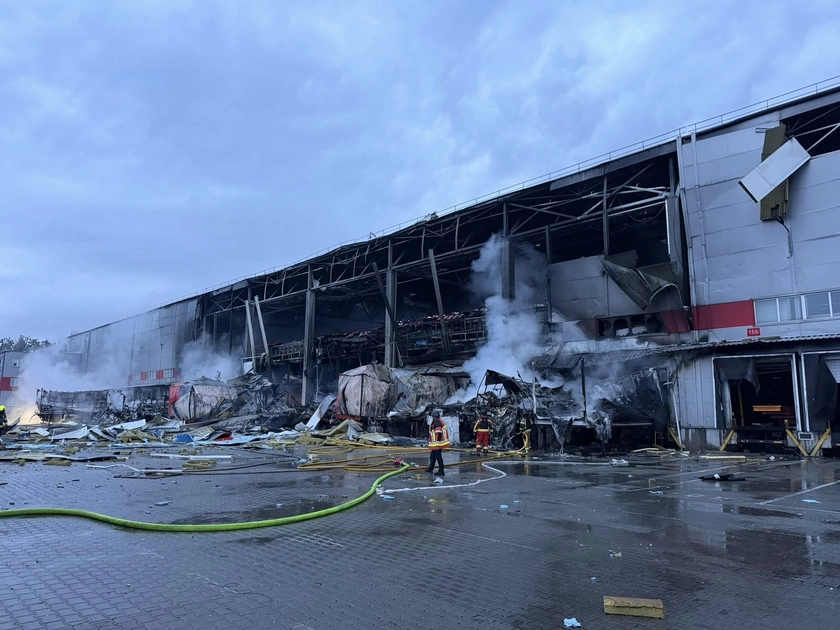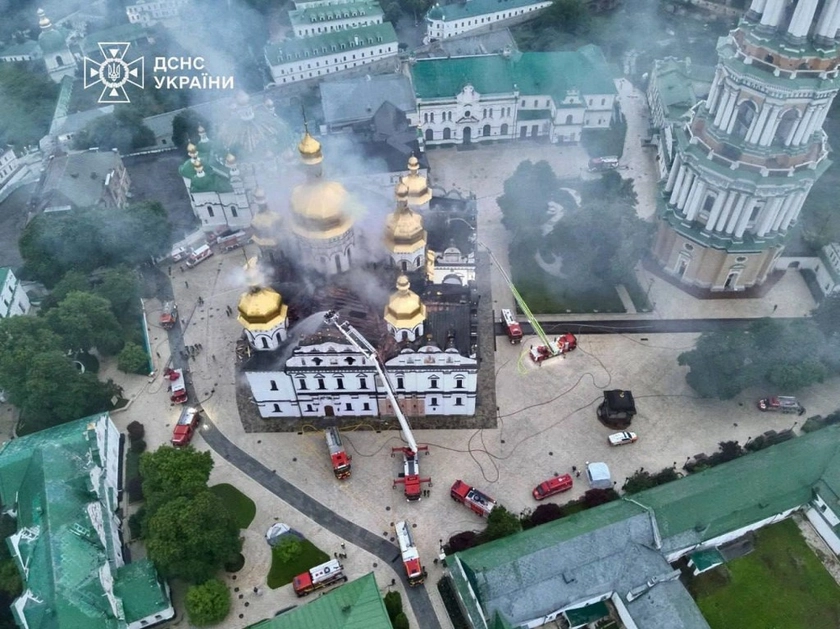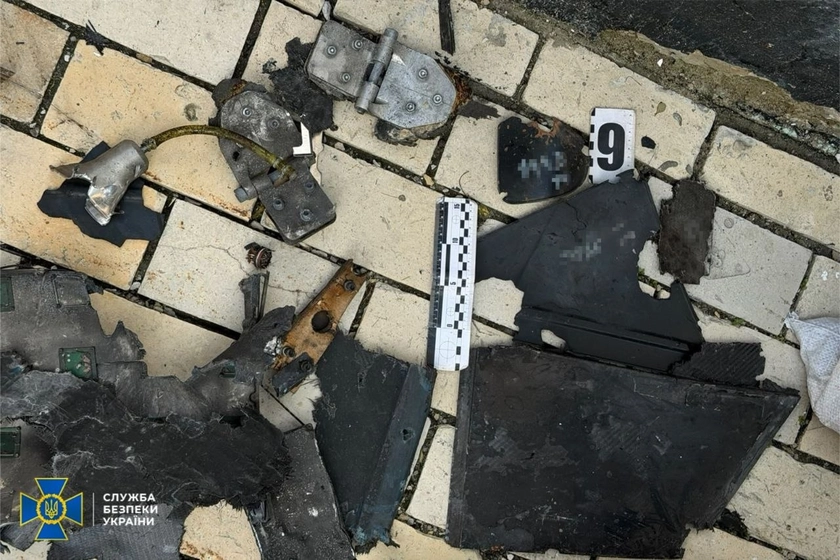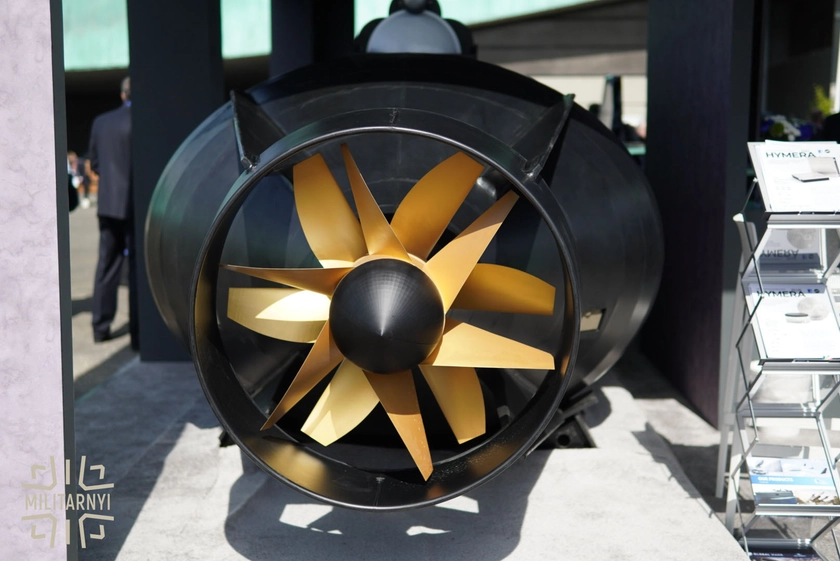
The intensification of Russian drone attacks on civilian infrastructure and population centers rather than military and energy targets as previously is a conscious deliberate escalation in the Kremlin’s hybrid warfare campaign. These strikes are intended to degrade civilian morale and erode the quality and daily functioning of Ukraine’s cities.
Drone saturation as a hybrid warfare tactic
JOIN US ON TELEGRAM
Follow our coverage of the war on the @Kyivpost_official.
Since the second half of last year, the Russian military has gradually increased drone strikes across Ukraine, with resulting high levels of civilian casualties. Drone warfare has become a hallmark of the Kremlin’s full-scale invasion, combining cost-efficiency with logistical and psychological disruption.
A recent wave of overnight attacks on Kyiv, Sumy, Kharkiv, Dnipro, and other cities caused widespread damage to critical infrastructure and increased civilian casualties. The June 17 strike on Kyiv, which killed 28 civilians and injured 134, marked a turning point, signifying the Kremlin’s willingness to push drone warfare into sustained campaign of urban terror. These attacks are no longer isolated tactical operations but part of a broader strategy to destabilize Ukrainian society from within and to degrade the Ukrainian state’s ability to function effectively under pressure.
This evolution in Russian drone tactics underlines a well-calculated shift towards psychological warfare. By relentlessly targeting civilian areas, the Kremlin aims to instill fear, drain public confidence, and place increasing pressure on government institutions. These actions align with Russia’s hybrid warfare playbook, which fuses physical destruction with disinformation campaigns, psychological warfare, and cyber interference.
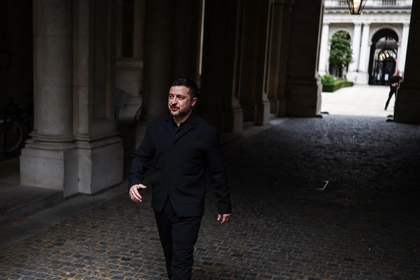
Zelensky Proposes G7 Meeting With Putin to End War
Overall, the toll on the civilian population has been extensive. Beyond direct casualties, these attacks have adversely affected the daily functioning of many Ukrainian cities, particularly Kyiv. Apart from regular damage to critical infrastructure, such as hospitals, education, and energy facilities, daily routine activities like working or commuting have become a nightmare for many Ukrainians.
Scale, saturation, and psychological disruption
Since late 2024, the Kremlin has substantially boosted its drone manufacturing capabilities. While drone production reached approximately 1.4 million units in 2024, the Kremlin reportedly plans to produce around 3-4 million drones this year. A program to train 1.5 million drone operators by 2030 was recently launched under Putin’s auspices. The Kremlin’s manufacturing push includes Shahed-type attack drones and Gerbera-style decoys designed to confuse and exhaust Ukrainian air defenses.
Simultaneously, the Kremlin recently launched a drone production facility in Belarus, further signaling its determination to invest in drone warfare as part of its broader military effort.
A call to action
Currently, Ukraine’s air defense systems are constantly under pressure, often being overwhelmed by the sheer number of Russian drones. There is a stark financial disparity as the Kremlin uses inexpensive drones to force Ukraine to use expensive interceptor missiles. The current asymmetry highlights the urgent need for Ukrainian leadership to diversify its defensive strategies, incorporating comprehensive civilian protection measures alongside traditional military defense.
There is also an urgent need to enhance civilian preparedness. The Ukrainian government must expand shelter capacities, improve emergency communication systems, and strengthen the resilience of urban infrastructure. Moreover, it is essential to increase investment in mental health support to cope with growing levels of trauma and prolonged stress among the civilian population.
At the same time, Western allies must acknowledge the growing strategic threat posed by Russia’s drone strikes and provide more air defense support and technology transfer to help Ukraine defend itself from increased attacks. For instance, Ukraine urgently needs affordable interception technologies, including mobile jamming units and high-energy laser systems, to counter the increasing number of Russian drones in the country. Western companies should be encouraged to closely collaborate with Ukraine to test and implement these advanced systems.
Implications for European security
The Kremlin’s expanded drone production poses challenges not just to Ukraine but to European security as a whole. Operational models the Kremlin is likely refining today, combining low-cost and decoy drones, and persistent civilian pressure, could be used to destabilize European countries in the near future. It is crucial, therefore, not only to provide enhanced support to Ukraine for the rapid deployment of cost-effective anti-drone technologies and civil defense support systems, but also to support civilian protection and psychological resilience.
The views expressed in this opinion article are the author’s and not necessarily those of Kyiv Post.
You can also highlight the text and press Ctrl + Enter