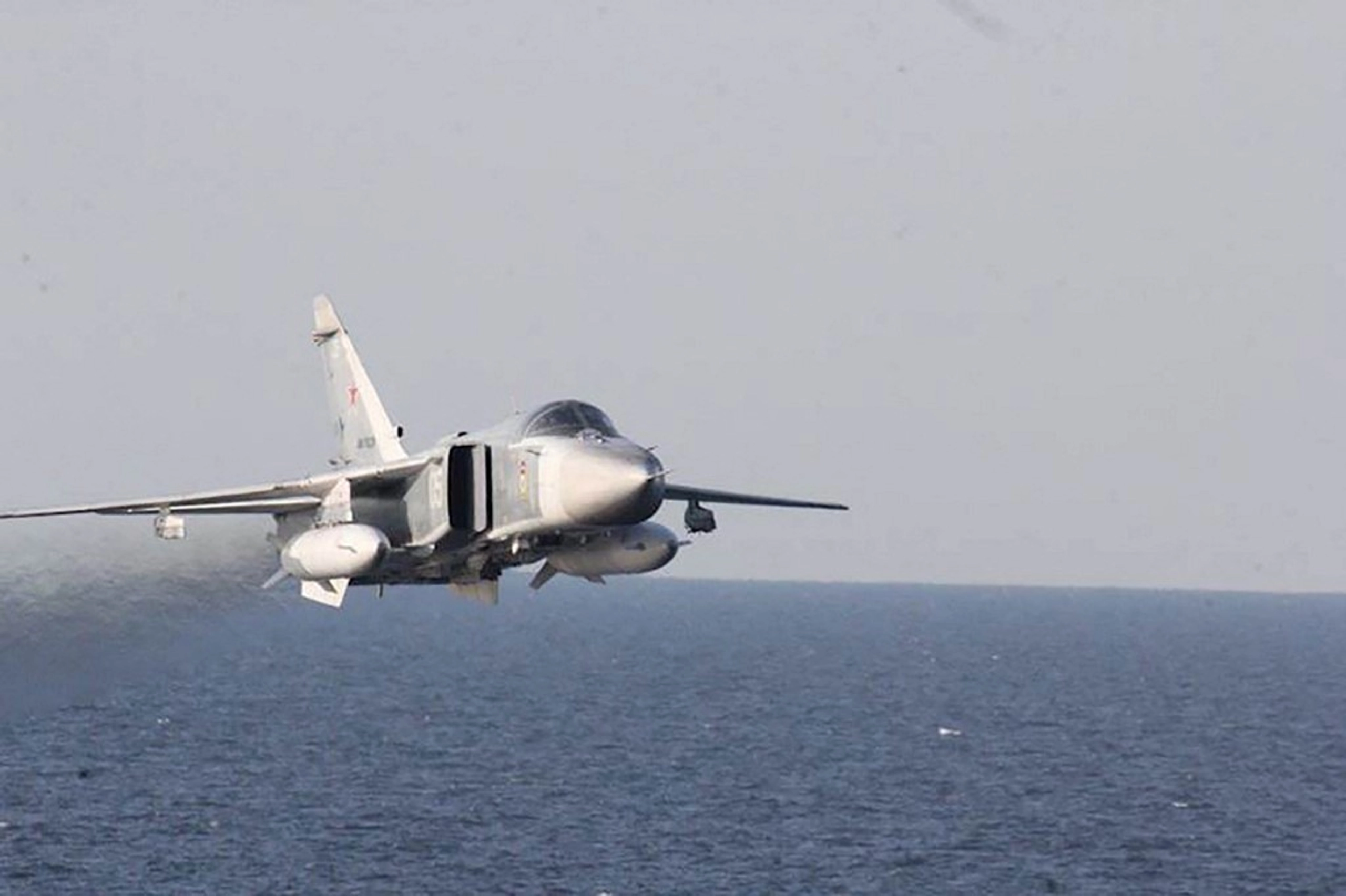
A supplier of military microelectronic components in Stavropol, Russia, has not been providing Moscow with important parts for its aircraft as the Kremlin cannot pay enough, its leadership said.
The company, Optron-Stavropol, reportedly was being paid so little by the Ministry of Defense for its orders that it suffered losses and mounting debts so great as to suspend production earlier this year.
JOIN US ON TELEGRAM
Follow our coverage of the war on the @Kyivpost_official.
According to research from Cnews technology magazine, the company reported a net loss of more than 149 million rubles ($1.7 million) in 2024 as its debt reached 230 million rubles (about $3 million) in June, when its accounts were frozen, with obligations mounting on salaries, taxes and utility bills.
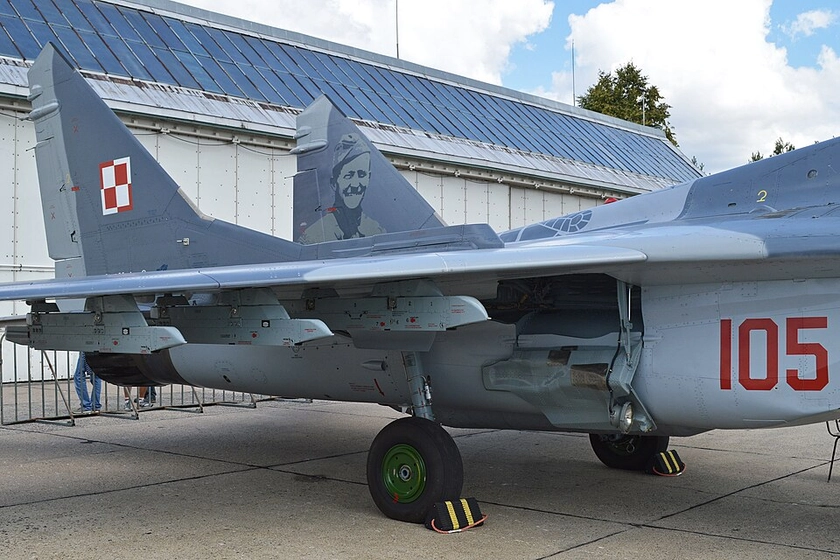
By March of 2025, its operations – making semiconductors for MiG, Sukoi, Tupolev aircraft – had already been suspended.
Company leadership explained that it could not increase prices to correspond to demand or even production costs. CEO Pavel Bondarenko said one of its products costs $46, but the Ministry of Defense would only pay $33.
“The company is unable to cover expenses and has had to make layoffs,” Bondarenko said.
“The Defense Ministry demands the lowest possible costs be factored into pricing, and its representatives often abuse this leverage, which ultimately leads to financial losses for producers,” Alexei Novosyolov, general director of microcircuit producer PKK Milandr, told CNews.
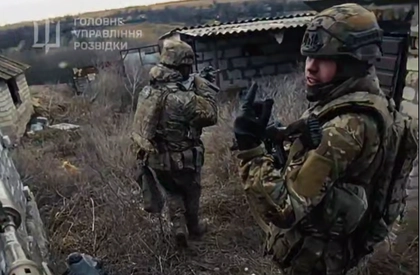
Ukraine’s Russian Volunteer Corps Eliminates Kremlin Forces on Zaporizhzhia Front
Other manufacturers have also reported losses due to similar practices, the Moscow Times reported.
The Amsterdam-based Russian journal wrote that in 2021, Ivan Pokrovsky, head of the Association of Russian Developers and Manufacturers of Electronics, said that Optron-Stavropol has long supported the production of “older technologies that are maintained specifically for military purposes.”
“Тhese technologies are not competitive outside defense contracts. If the company’s assets are acquired by a larger, more successful power electronics producer, it might be possible to retain both the workforce and technological equipment. However, it may be simpler and more profitable for shareholders to just sell the plant’s real estate,” Pokrovsky wrote at the time.
You can also highlight the text and press Ctrl + Enter