At a summit in Brussels, and in the face of defiance from Hungary and Slovakia, EU leaders agreed on Thursday to push forward with their 17th round of sanctions on Russia, extending the restrictive measures until 2026.
Budapest and Bratislava have opposed the measures which would, among other things, continue to hold more than €200 billion euros ($234 billion) in Russian assets in the European Central Bank system for another year.
JOIN US ON TELEGRAM
Follow our coverage of the war on the @Kyivpost_official.
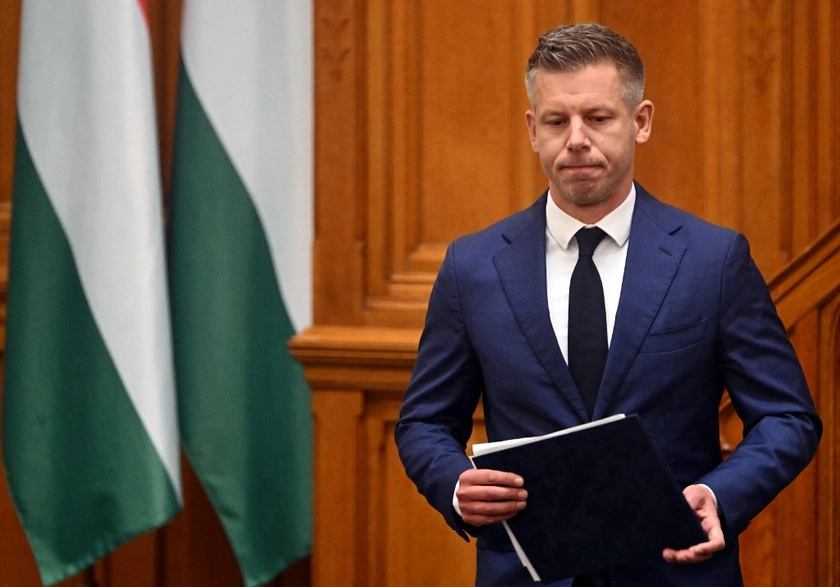
Hungarian leader Viktor Orban has made no secret of his good relations with Kremlin strongman Vladimir Putin. On Thursday he defended his opposition to Ukraine’s accession to the 27-member block, saying his country had given him a “strong mandate” to do so.
Leadership in Brussels had already devised a plan to circumvent a possible no vote from Orban on continuing the sanctions, but the rest of the bloc failed to gain the support of Hungary’s ally, Slovakia.
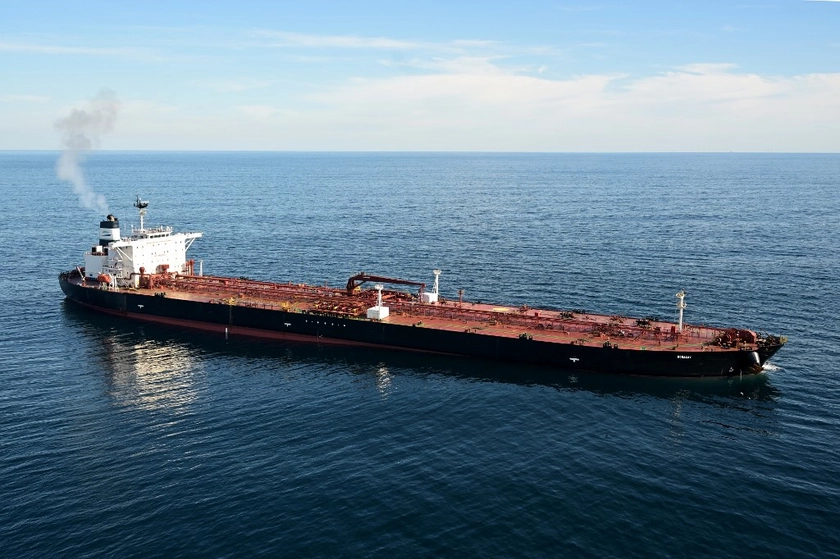
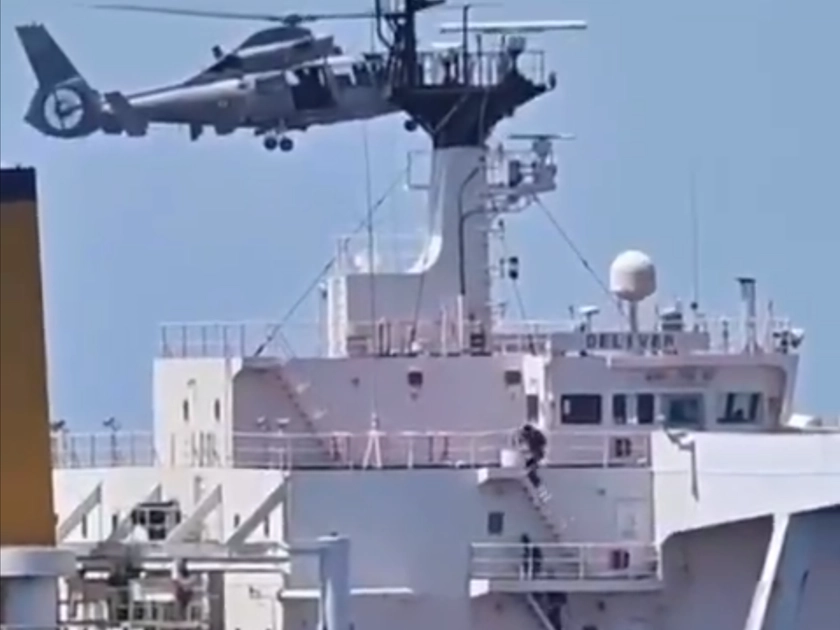
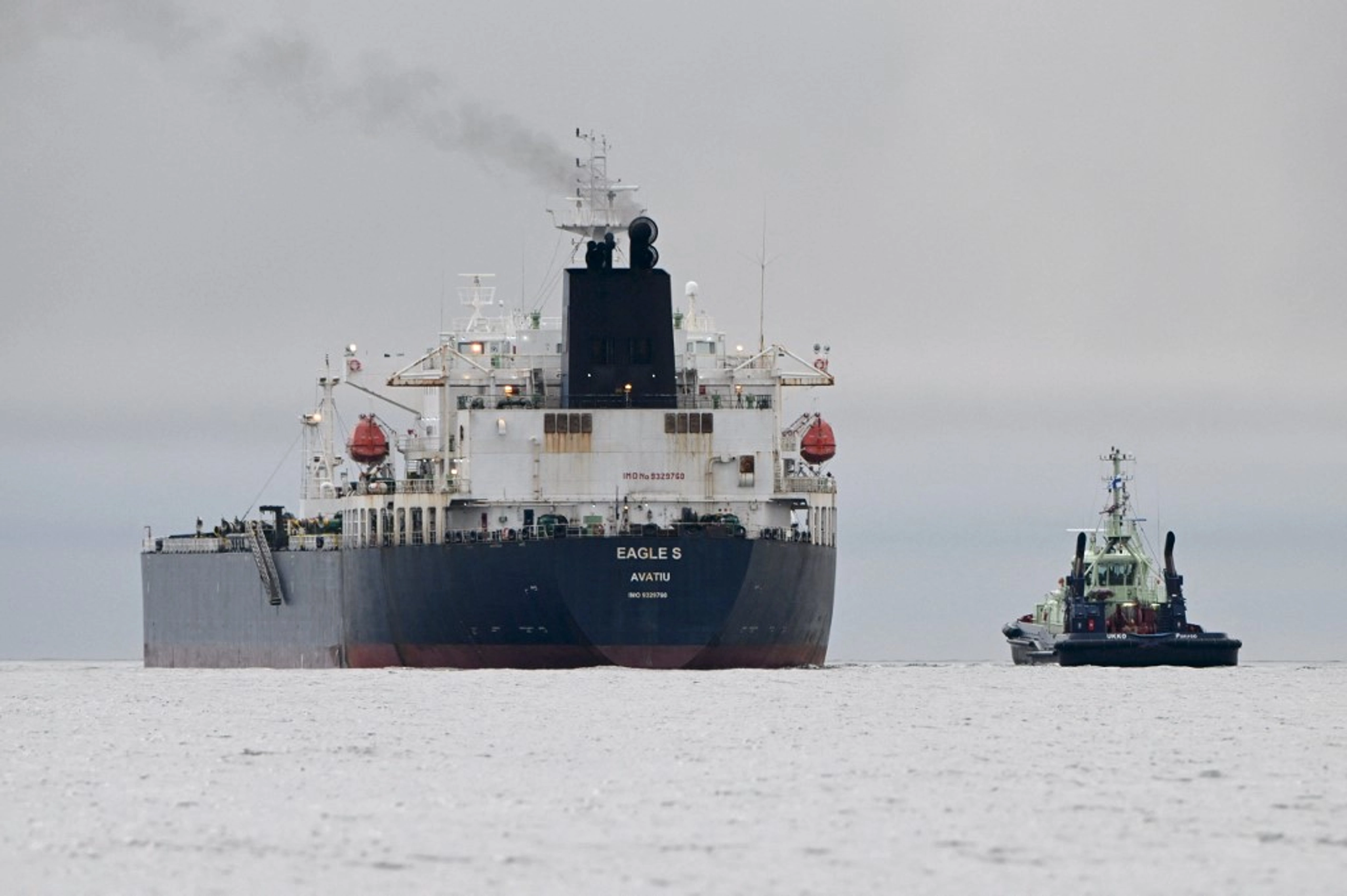
In a separate dispute about the next, 18th, proposed round of EU sanctions, Slovakia’s Robert Fico has pushed back against Brussels’ plan to phase out Russian energy imports completely by 2027. Correspondingly, Fico voted against the continuation of the current sanctions at the summit, which targeted, “notably, Russia’s energy and financial sector, including the ‘shadow fleet’ of oil tankers and their operators,” as described in the EC resolution.
Ukraine Says Strikes on Russia’s Shadow Fleet Are Legal
His country is highly dependent on Moscow for its energy and also profits from transit fees bringing Russian fuel to neighbors to the west, and so forced a postponement of such a vote.
Slovakian Foreign Minister Juraj Blanár, however, said that Bratislava would be ready to support the package if it could receive “guarantees” of EU support to mitigate the impact of a potential halt to Russian energy.
In a video address to EU leaders, President Volodymyr Zelensky called for the rapid adoption of the 18th package, and noted that its main targets should be Russian oil, tanker fleet, banks, as well as all supply chains in Russian arms production.
Brussels has not yet set a date to hold a vote on that next package.
You can also highlight the text and press Ctrl + Enter

Russia Hit by 660-Drone Overnight Barrage Targeting Moscow, Crimea and Key Military Sites