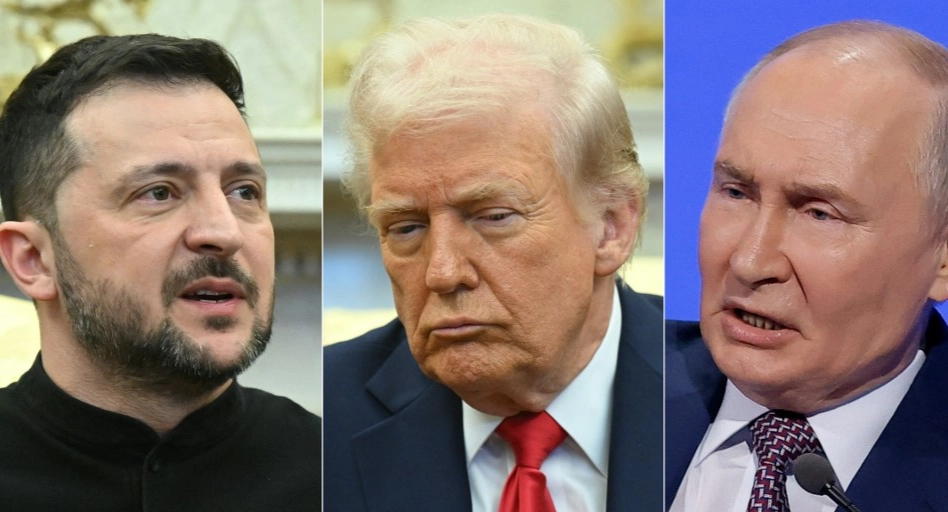
Six months after President Trump’s return to the White House, hopes for a ceasefire in Ukraine are growing weaker. Not only has the promised resolution failed to materialize in 24 hours – or even 24 weeks – this period has marked some of the heaviest losses for Ukrainian civilians since the full-scale Russian invasion began.
In an attempt to project dominance before the new US administration, Vladimir Putin has intensified missile and drone strikes across Ukrainian cities and towns – many of which I have visited and grown deeply attached to. While the frontline remains largely static, exposing Russia’s continued inability to advance militarily, the civilian toll has risen sharply.
JOIN US ON TELEGRAM
Follow our coverage of the war on the @Kyivpost_official.
But Ukraine’s most dangerous losses were suffered on the diplomatic front.
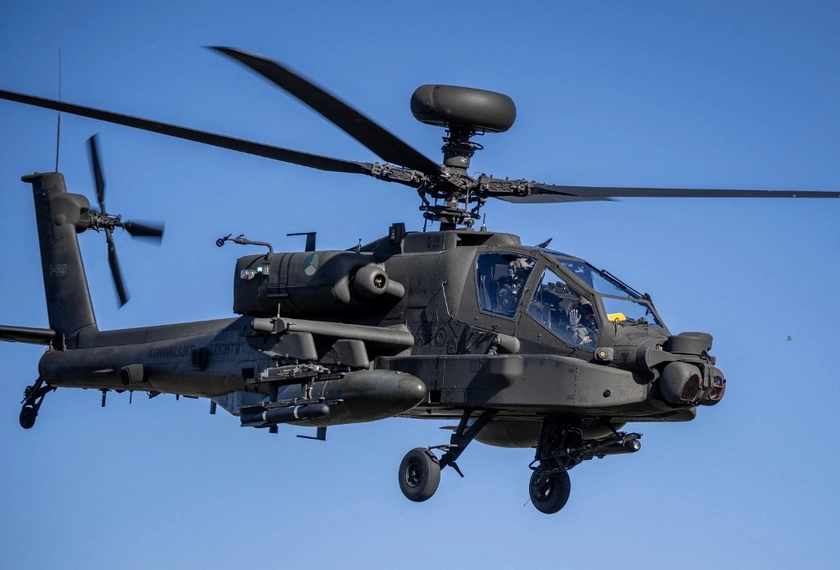
Last week, in a move that caught many off guard, the United States halted deliveries of vital military assistance, including interceptors for Patriot air defense systems, precision-guided artillery shells, and munitions for Ukraine’s long-awaited F-16s. These systems are not just warfighting tools, they are life-saving shields for homes, hospitals and schools. Without them, Ukrainians are defenseless under a daily onslaught of Russian firepower.
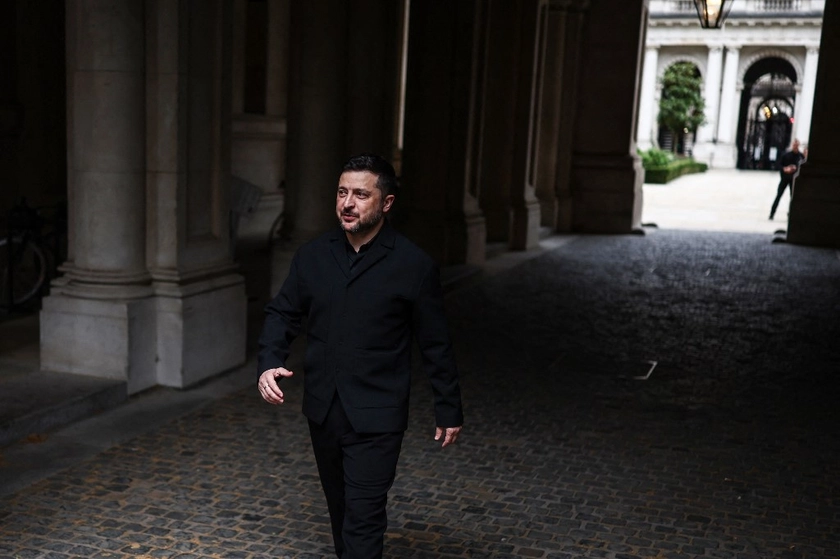
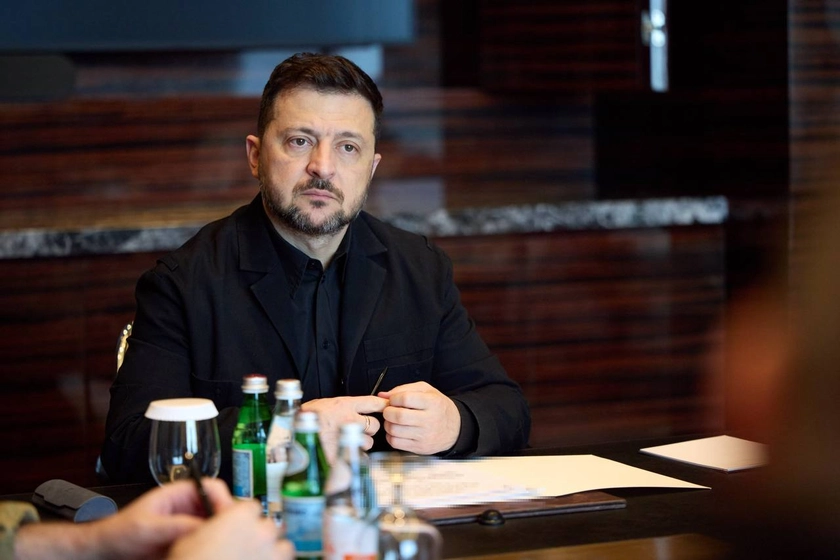
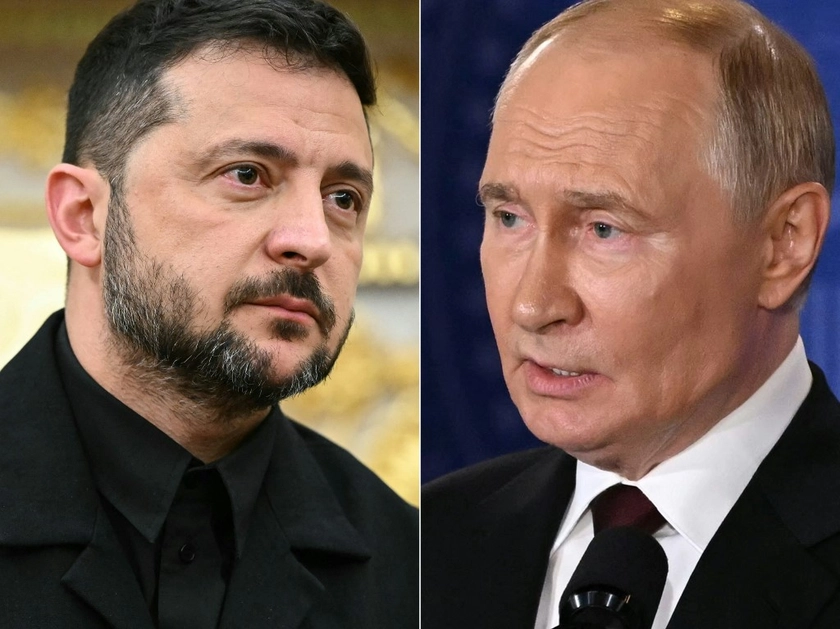
After a call with Ukraine’s President Volodymyr Zelensky, Donald Trump appeared to acknowledge the urgency of the situation and announced a renewal of vital supplies to Ukraine. The Pentagon followed, stating that they will ensure “the Ukrainians can defend themselves while we [the US] work to secure a lasting peace.” President Trump has seemingly grown weary of Vladimir Putin’s antics, saying he was “very disappointed” following their call last week.
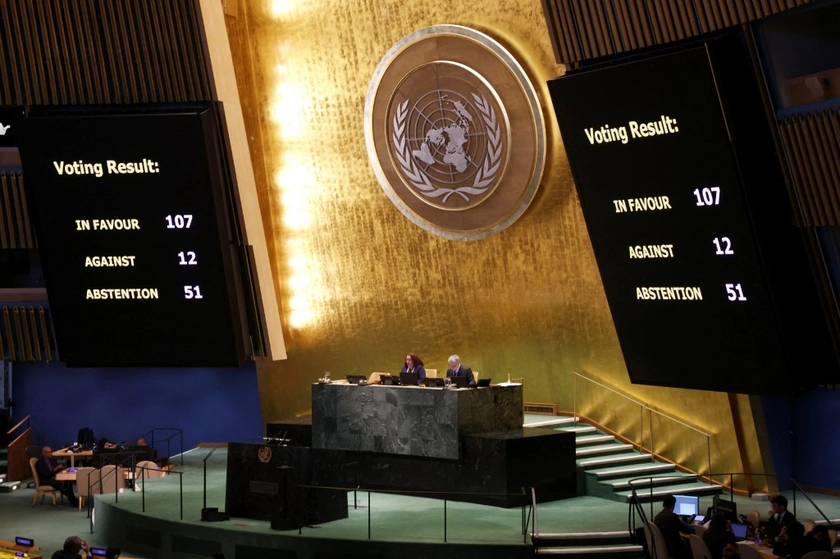
Intent in Plain Sight: the Politics of a UN-Recognized Genocide
Russia’s greatest vice is that it always pushes one step too far. That hubris inevitably comes back to bite. In March 2022, just as the West thought that Kyiv was safe and the battles on the distant frontline in Ukraine were having little progress, it started to lose focus, questioning the need for further sanctions. Then came Bucha – with all its horrors and cases of inhumane war crimes committed against peaceful civilians. Russia revealed its true face to the world, prompting a renewed European effort and push for heavier arms supplies.
Let us be in no doubt: if Ukraine falls or is forced to capitulate, the consequences will be global.
The United States – which, as history tells us, often arrives late to European wars - may have just reached its own Bucha moment, after months of ongoing slaughter of Ukrainian civilians.
Now is the time to push the Sanctioning Russia Act through Congress. This vital legislation has the capacity to cripple Russia’s ability to illicitly trade crude oil and would directly impact its close allies, India and China. Russia’s economy is already under pressure with signs of internal decay growing. In the space of a week, one prominent oil executive mysteriously fell to his death, and the former transport minister was found dead shortly after dismissal – without explanation or investigation. These are not anomalies. They are symptoms of a regime in slow collapse.
Next, America should arm Ukraine to the teeth – with more air defense missiles and systems, more rounds of ammunition, more fourth-generation fighter jets. This doesn’t need to come solely from the US’s previously allocated packages to Ukraine.
Europe can mobilize and begin purchasing the much-needed air defense by utilizing frozen Russian sovereign assets. What amounts to over $300 billion could be sufficient to supply Ukraine and to replenish Europe’s own dwindling stockpiles – without placing additional strain on fiscally fragile national budgets.
This week, President Zelensky spoke with UK’s Prime Minister Keir Starmer, aligning ahead of the upcoming Coalition of the Willing summit in Rome, which coincides with the Ukraine Recovery Conference 2025. While Ukraine’s physical recovery may be distant, its strategic survival depends on that coalition staying united.
Recent announcements of joint drone production with countries like the UK and Denmark are a positive development and essential to Ukraine’s long-term self-sufficiency. For now, however, the immediate focus should be on air defense and ammunition for heavy artillery.
While the West continues to grapple with its crippling inertia, China is watching carefully. Last week, China’s foreign minister, reportedly, told the EU that Beijing “cannot afford” for Russia to lose. The cards are on the table. Let us be in no doubt: if Ukraine falls or is forced to capitulate, the consequences will be global.
China has been rearming at speed, including through significant expansion of its nuclear arsenal. North Korean troops – now battle-hardened and experienced in drone operations and electronic warfare – will undoubtedly be ready to step in at China’s side.
If we ever were on the brink of a kinetic World War III, it is now – led here by nothing but our collective weakness and self-doubt. The stakes could not be higher. As I have said time and again – Ukraine must not be let down. The future of the world hinges on it.
Lord Ashcroft KCMG PC is an international businessman, philanthropist, author and pollster. For more information on his work, visit lordashcroft.com. Follow him on X/Facebook @LordAshcroft.
The views expressed in this opinion article are the author’s and not necessarily those of Kyiv Post.
You can also highlight the text and press Ctrl + Enter