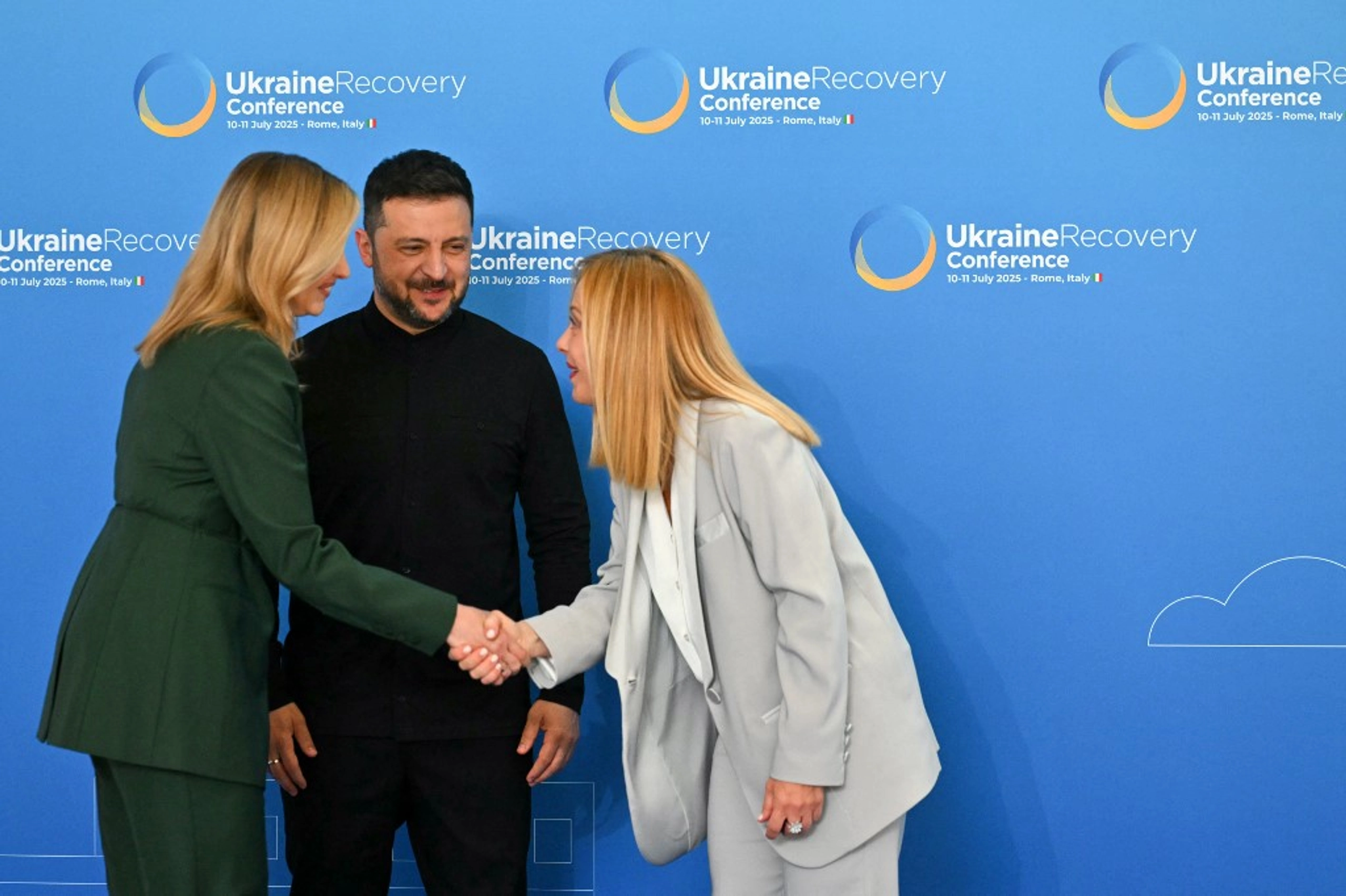
ROME – On the eve of the Ukraine Recovery Conference, hosted this year in Rome, the spotlight did not fall on Italian business elites or international institutions. Instead, it was the Ukrainian entrepreneurs – and the institutions that support them – who took center stage. Led by the European Business Association (EBA), Ukraine’s most dynamic and organized business body, this cohort brought both realism and resolve to the conversation around reconstruction.
JOIN US ON TELEGRAM
Follow our coverage of the war on the @Kyivpost_official.
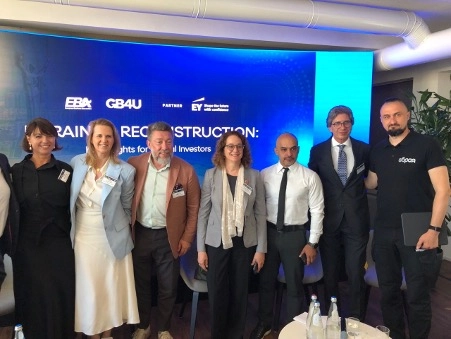
“Left to right: Anna Derevyanko (EBA), Tetyana Lukyniuk (Google), Andriy Zdesenko (Biosphere), Lisa Kaestner (IFC), Mustapha Nayyem, Marco Daviddi (EY), Oleksandr Kamyshin.EBA meeting in Rome, July 9, photo by Ugo Poletti
The EBA convened a group of Ukrainian business leaders and public figures to offer a candid appraisal of the challenges and opportunities awaiting investors in a postwar Ukraine. The session, opened by Dr. Marco Daviddi, a Managing Partner of EY Parthenon Italy, began with a critique of Europe’s media focus. “The war dominates headlines,” he noted, “but the economic side of Ukraine is invisible.” He argued that the lack of reporting on Ukraine’s business landscape, particularly its untapped employment potential and its entrepreneurs’ resilience, is a major blind spot.
Meloni Calls for Single EU Representative to Lead Talks With Russia
To address this, the EBA, under the stewardship of its director Anna Derevyanko, has compiled an “Investment Map” of Ukraine. This living document identifies regional projects that are viable, shovel-ready, and actively seeking foreign partners – an effort aimed at translating goodwill into actual capital flows.
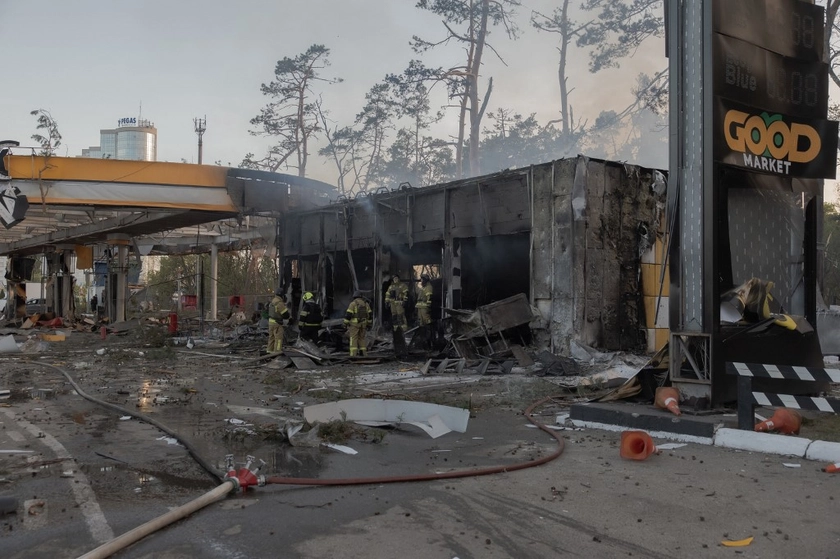
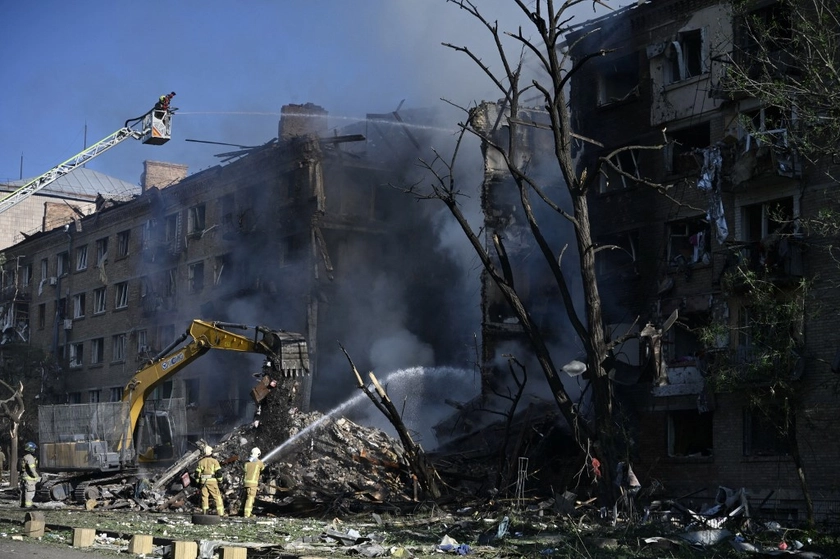
Andriy Zdesenko, founder of the consumer goods company Biosphere, offered a moving illustration of wartime entrepreneurship. Despite losing half of his production facilities to Russian missile strikes, he rebuilt. Today, 70% of his operations remain in Ukraine. His message was strikingly simple: if Ukrainian businesses could survive under siege, they will thrive in peace. “We’ve been tested by everything,” he said. “Now we are more agile, more experienced – and more determined.”
The most compelling remarks came from Oleksandr Kamyshin, former CEO of the state railway operator Ukrzaliznytsia and now Strategic Advisor to the Ukrainian Presidency. During his tenure, Ukraine’s once-inefficient railway behemoth became a backbone of national resilience – keeping goods and people moving despite constant attacks. His description of the state’s transformation was delivered with a touch of poetry: “The elephant has learned to dance.”
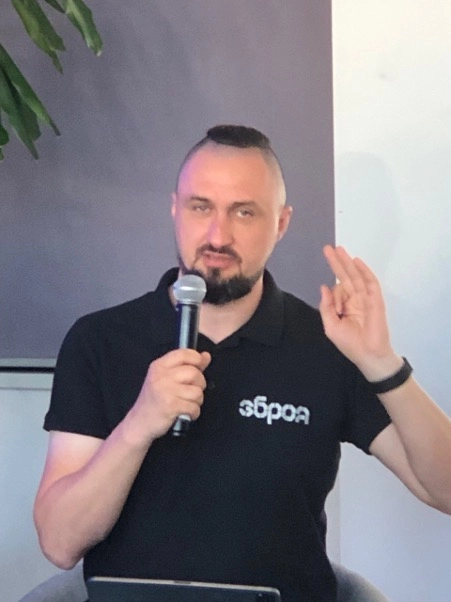
Oleksandr Kamyshin, photo by Ugo Poletti
Kamyshin’s point was clear. If even the slowest, most unwieldy parts of the Ukrainian state can adapt under fire, then the country’s broader economy is ripe for reform and investment. But it will not happen automatically. “This is the moment for us Ukrainians to wake up,” he declared. “To make our market and our regulations suitable for incoming investment. This is our responsibility.”
In this context, the testimony of the Director of Kyiv’s Boryspil Airport, Oleksiy Dubrevskyy, was interesting. He described how his company not only retained its employees but had already prepared the logistics infrastructure to accommodate a greater number of travelers, post-war, due to tourism and the return of millions of Ukrainians who now live in European countries.
That sense of ownership – of Ukraine’s future not as a project of foreign aid, but of domestic resilience – permeated the gathering. While donor conferences and Marshall Plan metaphors proliferate, it is voices like Kamyshin’s and Zdesenko’s that suggest Ukraine’s reconstruction might not follow the usual playbook. It may, instead, be led by those who never stopped building – not even as the bombs fell.
You can also highlight the text and press Ctrl + Enter